An exhaust hood fire suppression system is the automatic wet-chemical protection installed inside commercial kitchen hoods to detect and suppress grease fires within seconds. It integrates with the hood, duct, and gas/electrical shutoffs to stop flare-ups before they spread. For kitchens in All Over Ontario, it works best when paired with certified cleaning and regular inspections by Robinhood Cleaners.
By Robinhood Cleaners · Last updated: June 20, 2026
Above-Fold: Why Exhaust Hood Fire Suppression Matters Now
Your exhaust hood’s fire suppression is your kitchen’s first line of defense against grease fires. When maintained with proper cleaning and inspection, it detects heat, discharges wet chemical to saponify grease, and automatically shuts off fuel—often in under 10 seconds—limiting damage, downtime, and liability.
Here’s the reality: grease is fuel, and busy lines create heat and vapor that travel into hoods and ducts. A tuned fire suppression system buys time, but cleanliness dictates whether that time is enough. We combine both—certified hood cleaning and compliance-minded checks—to help Ontario kitchens stay open and inspection-ready.
- What you’ll learn: clear definitions, how systems work, standards (UL 300, NFPA 96), maintenance, and inspection cadence.
- Who this helps: restaurant owners, kitchen managers, franchise operators, and institutional foodservice leaders.
- Why it matters: fires escalate fast; documented prevention protects people, property, and continuity.
- Table of contents
- Quick Summary
- What It Is
- Why It Matters
- How It Works
- Types & Standards
- Best Practices
- Tools & Resources
- Case Studies
- FAQ
- Key Takeaways
- Conclusion & Next Steps
Quick Summary
An exhaust hood fire suppression system uses wet chemical to smother and cool grease fires at the hood and appliances, triggers gas/electric shutoff, and can link to alarms. It performs best when ducts, fans, and filters are clean, fusible links are current, and inspections plus certified cleanings are documented.
Busy fryers and grills mean more aerosols. More aerosols mean more fuel on filters and inside ducts. We see this cycle daily across Ontario. That’s why pairing suppression with scheduled kitchen exhaust hood cleaning and documented vent inspections is non‑negotiable for readiness.
What Is an Exhaust Hood Fire Suppression System?
It’s an automatic, appliance-specific fire protection setup mounted within your commercial hood. Heat triggers a detection line, a tank discharges wet chemical to saponify burning grease, and the system shuts off fuel and power. It’s designed for modern high-heat cooking per current standards.
Think of the system as a compact, targeted firefighter living in the hood. Nozzles aim at fryers, ranges, charbroilers, and the plenum. Wet chemical breaks grease’s surface and cools the zone. When paired with trained staff and clean ducts, it reduces escalation and protects evacuation routes.
- Core components: cylinder(s), detection line with fusible links, release mechanism, agent piping, nozzles with caps, manual pull station, micro-switches for shutdown, and signage.
- Protected areas: appliance surfaces, hood plenum, filter bank, and often the first stretch of duct.
- Activation: automatic via heat-sensitive links or manual via pull station; both should be tested and documented.
In our experience servicing restaurants across All Over Ontario, the systems that succeed share two patterns: accurate nozzle aiming and clean, unobstructed paths to the fire. That’s why our cleaning teams verify aim and clearance while degreasing hoods, filters, and ducts.
Why an Exhaust Hood Fire Suppression System Matters
Grease fires ignite fast, spread through vapor-laden ducts, and overwhelm hand-held extinguishers. A tuned suppression system interrupts fuel, cools surfaces, and limits smoke, often within seconds. Paired with certified cleaning, it protects staff, diners, and operations.
Kitchen incidents cluster around peak service. Splash ignition at fryers, flare-ups on grills, and dirty filters are frequent culprits. A suppression system is engineered for these moments. Clean filters and ducts reduce flame travel and smoke production, improving visibility and evacuation if needed.
- Risk reality: grease residues can ignite from normal cooking temps during rushes.
- Operational impact: a contained event averts closures and equipment loss.
- Compliance dimension: inspectors expect proof of maintenance, current fusible links, and cleaning tags.
- Insurance angle: adjusters look for documentation—service logs, tags, and photo evidence—after any event.
We’ve found that when managers integrate cleaning calendars with suppression inspections, near-misses drop and confidence rises. That rhythm also helps new staff absorb SOPs faster because the environment is visibly organized and labeled.
Exhaust Hood Fire Suppression System: How It Works
When heat melts a fusible link, the system’s release opens, discharging wet chemical through pre-aimed nozzles to smother and cool burning grease. Simultaneously, gas and power shut off to appliances, and alarms can notify responders—reducing spread and smoke.
Here’s the sequence we verify during service calls:
- Detection engages: a fusible link rated for your cookline temperature separates, tripping the release.
- Agent discharge: wet chemical floods nozzles over fryers, grills, and the plenum, forming a cooling, saponifying blanket.
- Automatic shutdown: micro-switches cut gas and electricity to stop re-ignition.
- Alarm/notification: some systems tie into building alarms to alert staff and responders.
- Post-discharge protocol: staff evacuate, the area is secured, and service techs restore the system after inspection.
Cleanliness accelerates suppression. Filters with low grease load allow agent reach and airflow management. Ducts with less residue don’t wick flames upward. During vent hood maintenance, we document nozzle caps, aim, link dates, and hood cleanliness to align with inspection expectations.
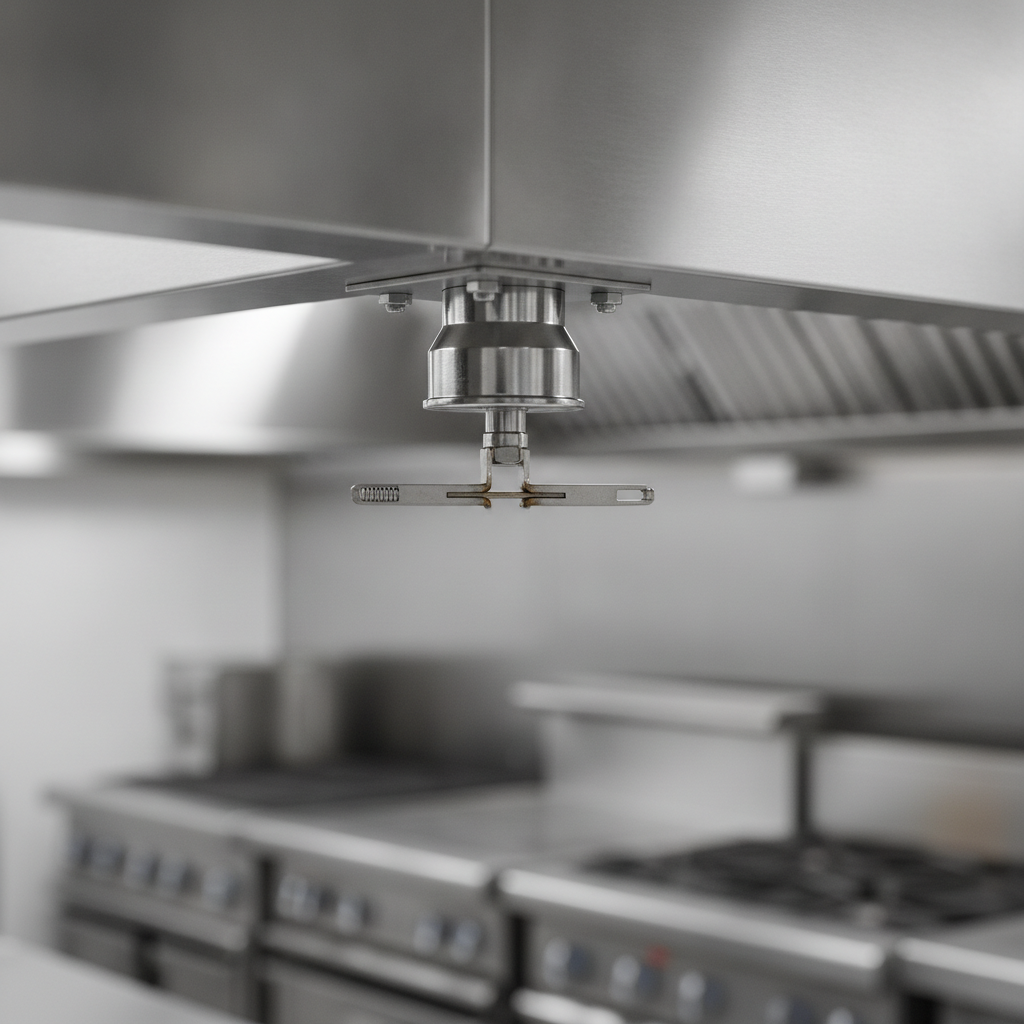
In a typical event, a system can quell flames in under 10 seconds when nozzles are clear and links are current. We train managers to recognize expired links, missing nozzle caps, blocked nozzles, or kinked cable runs—small issues that cause big delays under heat.
Types of Systems and Key Standards (UL 300, NFPA 96)
Modern hood systems are wet-chemical and UL 300 compliant. Standards like NFPA 96 guide installation, inspection, and cleaning. Together, they ensure systems match high-heat, high-fat cooking and that hoods, ducts, and fans stay clean enough to let suppression work.
Key categories and standards you’ll encounter on the line:
- Wet-chemical (UL 300): designed for today’s energy-dense fryers and grills; agent saponifies grease and cools surfaces.
- Detection methods: fusible links on cables or linear heat detection; manual pull stations required and conspicuous.
- NFPA 96 alignment: governs ventilation control, fire protection, inspection frequencies, and cleaning expectations.
- Shutdown integration: gas valves and electrical interlocks to prevent re-ignition after discharge.
- Inspection documentation: tags on systems and stickers on hoods/ducts build the compliance trail inspectors expect.
| Option | Best Use | Pros | Watch-outs | Cleaning Impact |
|---|---|---|---|---|
| Wet-chemical (UL 300) | Fryers, grills, ranges, charbroilers | Fast knockdown; cools/saponifies; designed for modern oils | Agent residue requires professional cleanup post-discharge | Pairs best with frequent hood/duct/filter cleaning |
| Water mist adjuncts | Some specialty cooklines | Additional cooling, less water damage than sprinklers | Not a replacement for UL 300 wet-chemical | Still requires grease-control cleaning |
| Sprinklers (building) | Whole-room protection | Broad coverage | Not appliance-specific; can cause collateral water damage | Do not replace hood system or cleaning schedule |
If you’re unsure whether your setup meets current expectations, start with our internal NFPA 96 compliance requirements primer, then align your cleaning plan with our complete exhaust cleaning guide to strengthen suppression performance.
Best Practices for Maintenance, Cleaning, and Readiness
The best approach is simple: keep grease loads low, verify detection and shutdown quarterly, and document every service. Clean hoods, ducts, and fans on a schedule aligned to cooking volume, and replace fusible links during inspections to keep reaction time fast.
Maintenance rhythm that works
- Set a calendar by volume: heavy fryers monthly/bi-monthly; typical lines quarterly; light use semi‑annually.
- Bundle services: pair hood/duct cleaning with filter exchange, exhaust fan checks, and suppression visual checks.
- Replace dated links: verify fusible link temperature ratings and replace per service interval.
- Protect the nozzles: keep caps on, aim verified, and paths unobstructed by magnets, signs, or utensils.
Cleaning moves the needle most
- Filters first: degrease or swap regularly through a Filter Cleaning & Exchange program to keep airflow and agent reach.
- Ducts matter: a thin film wicks flames; a clean duct slows or stops upward spread.
- Fans and belts: slipping belts reduce airflow, letting heat linger; pair with Fan Belt Replacement as needed.
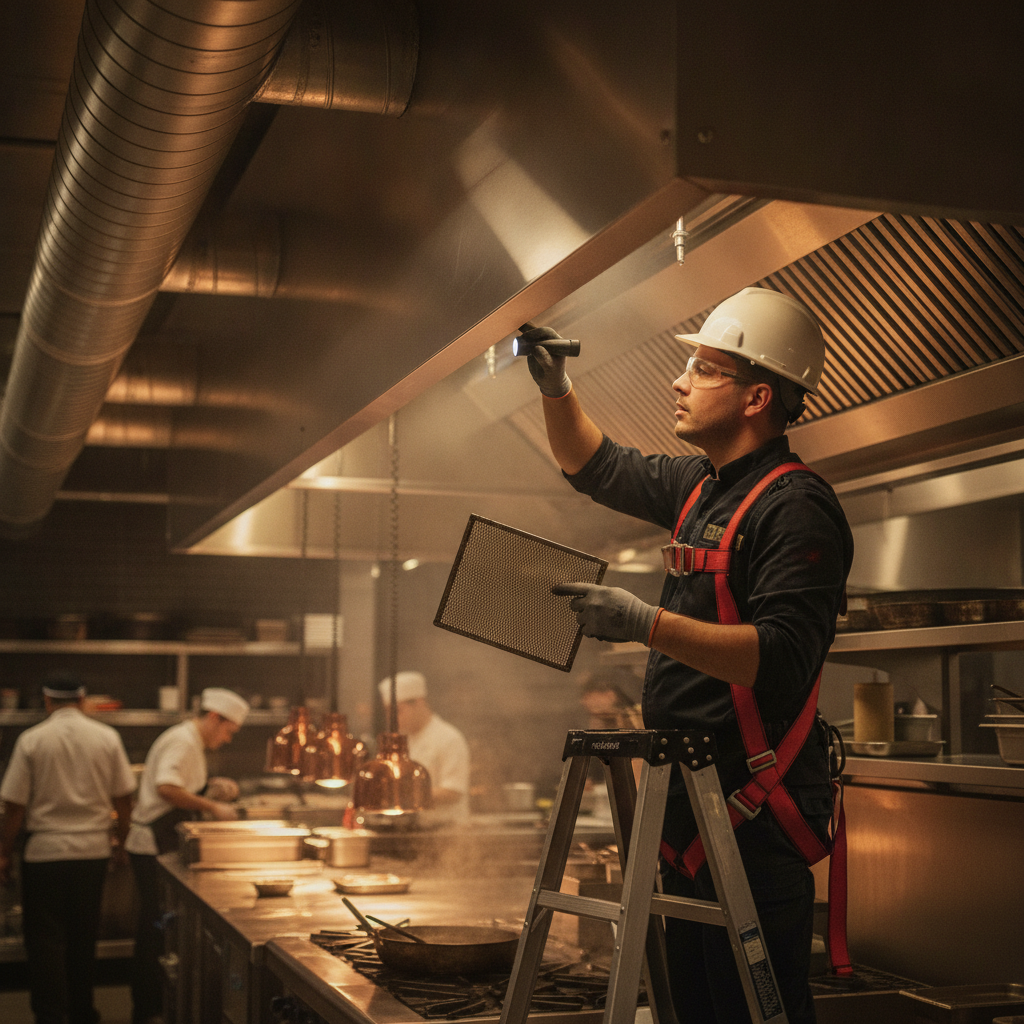
Our teams log photos before and after, add tags to hoods, and provide service reports that align with inspection expectations. To see how we approach line equipment, explore our exhaust fan maintenance in Ontario reference.
Local considerations for All Over Ontario
- Seasonal humidity swings can thicken grease films; tighten cleaning cadence during peak summer to preserve agent reach.
- Holiday rushes mean extended fryer time; schedule link checks and filter swaps before the busy period.
- Many kitchens run late hours; our 24/7 availability helps pair cleaning with off-peak windows to reduce disruption.
For line leaders, a laminated quick-check on the expo station helps: “caps on, filters seated, manual pull clear, gas valves accessible.” Small habits beat one big annual effort.
Tools and Resources You Can Use
Use a combined inspection-cleaning checklist, a tagged calendar for links and filters, and a photo log for each service. Pair that with a quick staff drill every quarter and a 10-minute pre‑shift hood check to catch issues early.
Team-friendly tools
- Monthly hood photo log: first-of-month snapshots of filter banks, plenum, and nozzles.
- Service binder: cleaning tags, link replacement dates, and suppression inspection reports in one place.
- Pre‑shift micro-check: caps on, pulls clear, valves accessible, baffles seated correctly.
- Quarterly huddle: 10-minute drill on where the manual pull is and what shuts down on discharge.
Want a simple cadence to start? Align to this fire-code checklist and reinforce with the practical steps in our vent hood maintenance guide. For deeper context, see the external overview of NFPA 96 certified hood cleaning to align expectations across teams.
Case Studies and Real-World Examples from Ontario Kitchens
Clean systems win. In Ontario kitchens we service, events on clean lines self-limit—minimal fire spread, quick reset, clear documentation. Where filters and ducts were dirty, the same ignition led to prolonged discharge, smoke damage, and longer downtime.
Quick-service fryers, late-night service
A high-volume quick service location ran fryers hard until 1 a.m. Filters loaded fast, and duct film thickened in two weeks. We shifted to a filter exchange every week and hood/duct cleaning bi‑monthly. Result: fewer smoky flare-ups, better airflow, and visible improvements in suppression aim and coverage.
Institutional kitchen with rotating staff
With frequent staff changes, the manual pull and valve access were often blocked by rolling racks. We added a pre‑shift micro-check, labeled storage zones, and documented link replacements in the service binder. The next surprise flare-up self-contained at the fryer with no duct involvement.
Fine dining grill line
Charbroilers generated aerosolized fats that coated baffles rapidly. We integrated targeted degreasing between full cleanings and verified nozzle aim after every move of equipment. The system discharged once during a lid-open sear; knockdown was fast, and the space reopened after a brief cleanup.
For broader patterns and the “why” behind these outcomes, our internal notes on exhaust system fire risks give managers language to train new hires and align vendors.
Frequently Asked Questions
Most managers ask about inspection frequency, staff actions during discharge, and how cleaning interacts with suppression performance. The short answer: align inspections with cleaning, train quarterly, and document everything so you’re always inspection‑ready.
How often should my exhaust hood fire suppression system be inspected?
Tie inspections to your cleaning cadence. High‑volume fryers often warrant quarterly checks; moderate lines semi‑annually. Replace fusible links on schedule, verify nozzle caps and aim, and keep a binder with tags and reports for inspectors.
What should staff do if the system discharges during service?
Evacuate the area, confirm gas and power shutoffs took effect, and call your service provider. Do not cook again until the system is inspected, reset, and any agent residue is cleaned professionally from appliances and the hood plenum.
Does cleaning really change fire suppression performance?
Yes. Clean filters and ducts allow agent coverage and reduce flame travel. Grease‑laden filters block discharge and feed fires. Pair certified hood and duct cleaning with link checks to keep reaction times short and coverage predictable.
Where should the manual pull station be located?
It must be accessible, clearly labeled, and on the egress path. Team members should reach it without crossing the hazard. Include the pull location in quarterly drills and verify it isn’t blocked by rolling racks, carts, or stored supplies.
Key Takeaways
Keep grease low, verify detection, and document everything. Clean hoods and ducts make suppression faster and safer, while quarterly drills keep teams calm under pressure. Pair cleaning with inspections for dependable readiness.
- Exhaust hood fire suppression systems rely on clear nozzles, current links, and clean airflow paths.
- Cleaning frequency should match cooking volume; filters and ducts drive results.
- Documentation—tags, photos, reports—reduces inspector friction and claims stress.
- Training and access (manual pull, gas valves) matter as much as technology.
Conclusion and Next Steps
The best protection blends compliant technology with disciplined cleaning and documentation. Start with a walk‑through, align your cleaning schedule to volume, and calendar link replacements so your system reacts fast every time.
Here’s a simple plan to get moving:
- Book a hood and duct assessment; we’ll document filters, nozzle aim, link dates, and fan condition.
- Align cleaning frequency to your line volume, and tag the hood with the schedule.
- Bundle filter exchange and Fan Belt Replacement with cleanings to preserve airflow.
- Run a 10‑minute quarterly drill: manual pull path, shutoffs, and evacuation cues.
- Save photos and reports in a single binder or secure drive so you’re always inspection‑ready.
Need a partner that handles cleaning, documentation, and readiness together? Our team supports restaurants, quick service, fine dining, and institutional kitchens All Over Ontario. Explore our internal primer on NFPA 96 compliance and set up a service rhythm that fits your hours.
Get a readiness check without disrupting service. Book an after-hours walk‑through to verify hood cleanliness, link dates, nozzle aim, and shutdowns. We’ll leave you with a clear action list and a practical cleaning calendar.
For extended reading around service expectations and cadence, managers sometimes reference an external overview of a compliance cleaning schedule and practical tips for emergency hood cleaning preparedness. Use those alongside your in‑house SOPs to keep standards consistent across shifts.