NFPA 96 compliance certification in Ontario refers to documented proof that your commercial cooking exhaust system is inspected, cleaned, and maintained to the NFPA 96 standard as adopted under the Ontario Fire Code. It confirms fire-risk controls are in place and that a qualified provider like Robinhood Cleaners serviced your system in All Over Ontario.
By Robinhood Cleaners • Last updated: April 28, 2026
Summary
NFPA 96 is the fire code standard for commercial cooking ventilation systems. In Ontario, compliance means cleaning and inspections at code-set intervals, documented with tags and reports by a qualified provider. This guide explains what counts as certification, who can certify, and how Robinhood Cleaners helps you pass inspections.
Running a restaurant or institutional kitchen is demanding. Fire safety should be simple, documented, and inspection-ready. This complete guide breaks down what NFPA 96 compliance means in Ontario and how to keep your hood, ducts, and fans safe and certifiable year-round.
- What NFPA 96 compliance certification actually is in Ontario
- How often hoods, ducts, and fans must be cleaned and inspected
- What your “certificate,” tag, and photo report should include
- Who can certify and how to vet a provider
- Hands-on steps Robinhood Cleaners uses to keep you compliant
Local considerations for All Over Ontario
- Coordinate cleaning cycles around peak patio, festival, and tourism periods so your tags and reports are current before inspections surge.
- Cold-weather months increase rooftop grease congealing; schedule fan and duct checks to verify hinge kits, drains, and grease containment are functioning.
- For quick service concepts with long hours, tighten intervals; heavy, continuous cooking typically triggers quarterly or more frequent cleanings.
What is NFPA 96 compliance in Ontario?
NFPA 96 compliance in Ontario means your cooking exhaust system is installed, cleaned, and maintained to NFPA 96 and the Ontario Fire Code. Certification is evidenced by dated tags and a written report from a qualified provider that cleaned and inspected your hood, ducts, fan, and accessories.
At its core, NFPA 96 sets the minimum fire safety requirements for commercial cooking ventilation: hoods, grease filters, ductwork, fans, clearances, and rooftop containment. Ontario adopts this standard via the Ontario Fire Code, making maintenance obligations enforceable during inspections and by insurers.
- Scope of systems: Type I hoods, baffle filters, grease ducts, exhaust fans, and rooftop grease containment.
- What “certification” looks like: A dated service tag at the hood and a written inspection/cleaning report with before/after photos.
- Evidence inspectors expect: Current tag, documented intervals, accessible components, and no combustible grease residues.
- Practical outcome: Lower fire risk, better airflow, and fewer surprise shutdowns during health or fire inspections.
According to NFPA 96, cleaning frequency depends on cooking volume and fuel type, ranging from monthly to semi-annually. In practice, we align your program to documented usage, menu, and hours.
Why NFPA 96 compliance matters
NFPA 96 compliance reduces the leading kitchen fire hazards, supports insurance requirements, and helps you pass inspections without disruption. Documented tags and reports prove due diligence, minimize liability, and keep ventilation performance steady during peak service hours.
Commercial cooking generates grease-laden vapors that condense in hoods, ducts, and fans. Left unchecked, this residue becomes a ready fuel source. The right program removes combustible deposits before they reach dangerous thickness and provides traceable documentation.
- Fire risk reduction: Grease deposits ignite at common cooking temperatures; routine degreasing breaks the ignition chain.
- Inspection readiness: A current tag and a detailed report (with time-stamped photos) answer most inspector questions on the spot.
- Ventilation performance: Clean systems move more air; staff report less heat stress and better smoke capture when ducts and fans are clear.
- Insurance alignment: Many policies require proof of NFPA 96-aligned service intervals to maintain coverage.
How NFPA 96 compliance works in Ontario
Compliance is a cycle: assess the system, clean to bare metal, verify components, tag and document, then schedule the next service based on cooking volume. In Ontario, this process follows NFPA 96 methods and the Ontario Fire Code’s adoption.
In our experience across quick service and institutional kitchens, predictable steps keep audits smooth and kitchens open. Here’s the flow Robinhood Cleaners follows across All Over Ontario:
- Evaluate system layout: Identify hoods, filters, duct runs, cleanouts, fan type, hinge kit, and rooftop containment.
- Protect and prep: Cover equipment, shut off gas/electric as needed, and stage hot-water or steam for degreasing.
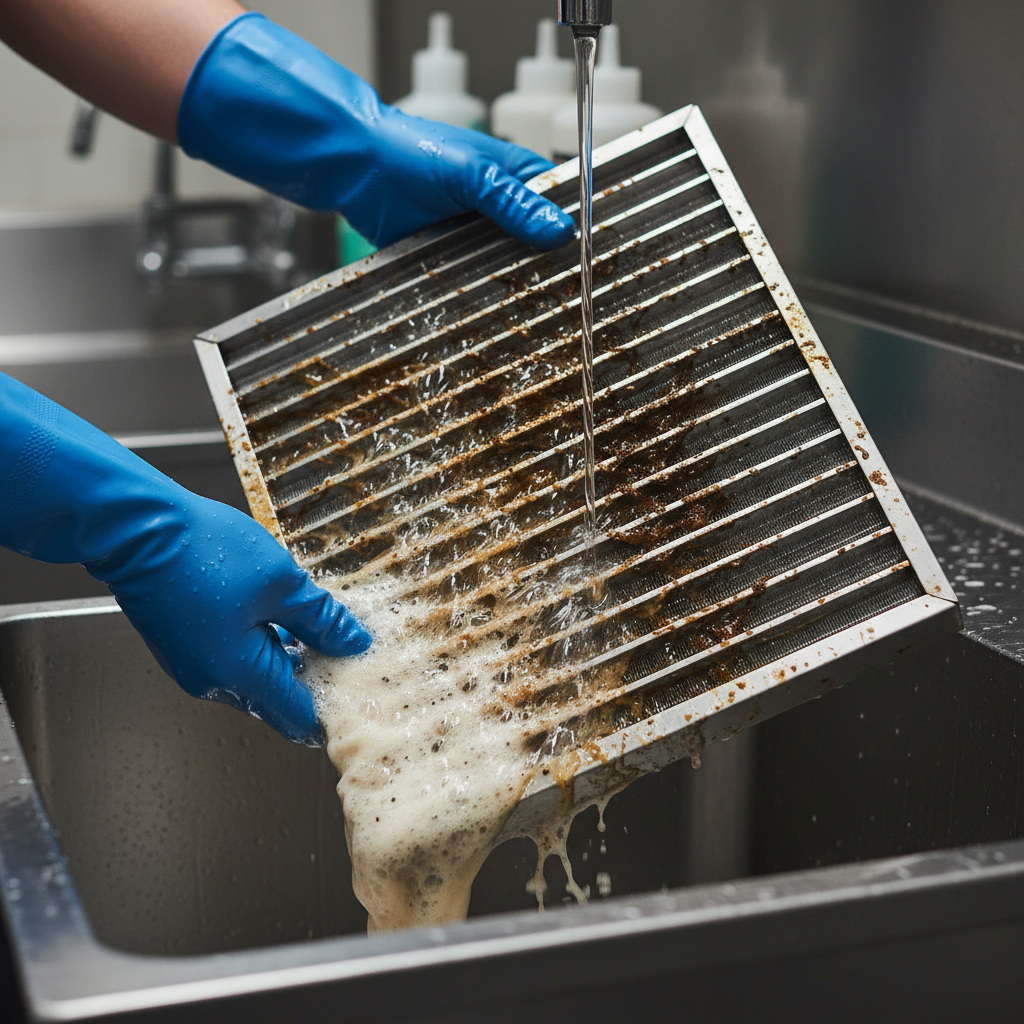
- Degrease to bare metal: Hood plenum, baffle filters, horizontal/vertical ducts, fan blades/housing, and discharge.
- Verify components: Confirm belts, pulleys, hinges, grease drains, and access panels are functional and safe.
- Tag and document: Apply dated certification tag at the hood; deliver a written report with before/after photos.
- Set next interval: Quarterly for heavy continuous use; semi-annual for moderate; monthly for solid fuel or extreme use.
For reference, the National Fire Code of Canada also addresses commercial cooking systems and maintenance expectations; Ontario’s Fire Code adopts recognized standards like NFPA 96 to operationalize them in the province.
Types of “certification” evidence you should have
In Ontario, NFPA 96 “certification” is demonstrated by a dated service tag and a written report with photos. Inspectors look for the tag at the hood, documented intervals in the report, and visible cleanliness to bare metal in hoods, ducts, and fans.
There isn’t a single government-issued certificate. Instead, inspectors and insurers expect a professional paper trail showing that a qualified provider serviced your system to the standard.
- Service tag at the hood: Shows company name, technician ID, service date, and next-due date.
- Photo-rich report: Time-stamped images of hood, ducts, fan, and rooftop containment, plus any corrective notes.
- Deficiency log: Items such as missing access panels, damaged baffles, worn belts, or failed grease drains.
- Remediation proof: Follow-up entries confirming corrections (e.g., installed hinge kit, replaced belts, sealed access panels).
We maintain organized records for every visit so managers can produce documentation during unscheduled inspections or insurance audits without delay.
Cleaning frequencies and intervals
Ontario kitchens follow NFPA 96 cleaning intervals: monthly for solid fuel or high-volume frying, quarterly for heavy use, semi-annual for moderate use, and annual for light use. Document the chosen interval on the tag and report, then adjust to real cooking patterns.
Intervals are driven by grease production. Quick service concepts often need quarterly, while institutional facilities can be semi-annual if cooking volume is moderate. Solid-fuel cooking (wood or charcoal) typically requires monthly service due to higher soot/creosote risks.
| Operation Type | Typical Interval | Why It Matters |
|---|---|---|
| Solid-fuel cooking | Monthly | Higher soot/creosote accumulation and ignition potential |
| High-volume (QSR, fryers) | Monthly–Quarterly | Continuous grease vapor production during long hours |
| Moderate volume | Semi-annual | Balanced operations with lower grease load |
| Light volume | Annual–Semi-annual | Limited grease output but still requires verification |
Our team helps you set the right cadence and will adjust if menu, hours, or equipment changes shift your grease profile.
Who can certify and what to check
Certification should be performed by a qualified, insured provider experienced with NFPA 96. In Ontario, look for NFPA 96–trained technicians, WSIB coverage, and a portfolio of compliant tags and photo reports across restaurants like yours.
Robinhood Cleaners fields NFPA 96–certified professionals who are WSIB insured and available 24/7. That combination keeps your staff safe, your documents inspection-ready, and your operations uninterrupted.
- Credentials: NFPA 96 training, safety certifications, and documented cleaning protocols.
- Insurance and coverage: WSIB insured with proof available on request.
- Equipment and methods: Hot-water/steam degreasing, safe chemistries, access-panel installation when needed.
- Documentation quality: Clear tags, readable dates, and thorough photo reports with deficiency tracking.
See how we approach programs in our NFPA 96 certified hood cleaning overview and this health code compliance cleaning guide.
Methods and approaches to achieve compliance
Reliable compliance comes from end-to-end service: hood degreasing, duct cleaning, exhaust fan maintenance, grease containment, filter exchange, and belt checks—documented every visit. Gaps in any of these steps can derail your next inspection.
Our teams in All Over Ontario use a repeatable, auditable workflow tailored to your operation type.
Core cleaning actions
- Hood & plenum: Scrape and degrease to bare metal, then polish for easy residue spotting.
- Baffle filters: Deep clean onsite; enroll in filter exchange to keep spares in rotation.
- Ducts: Access panels opened; horizontal and vertical runs cleaned; thick deposits fully removed.
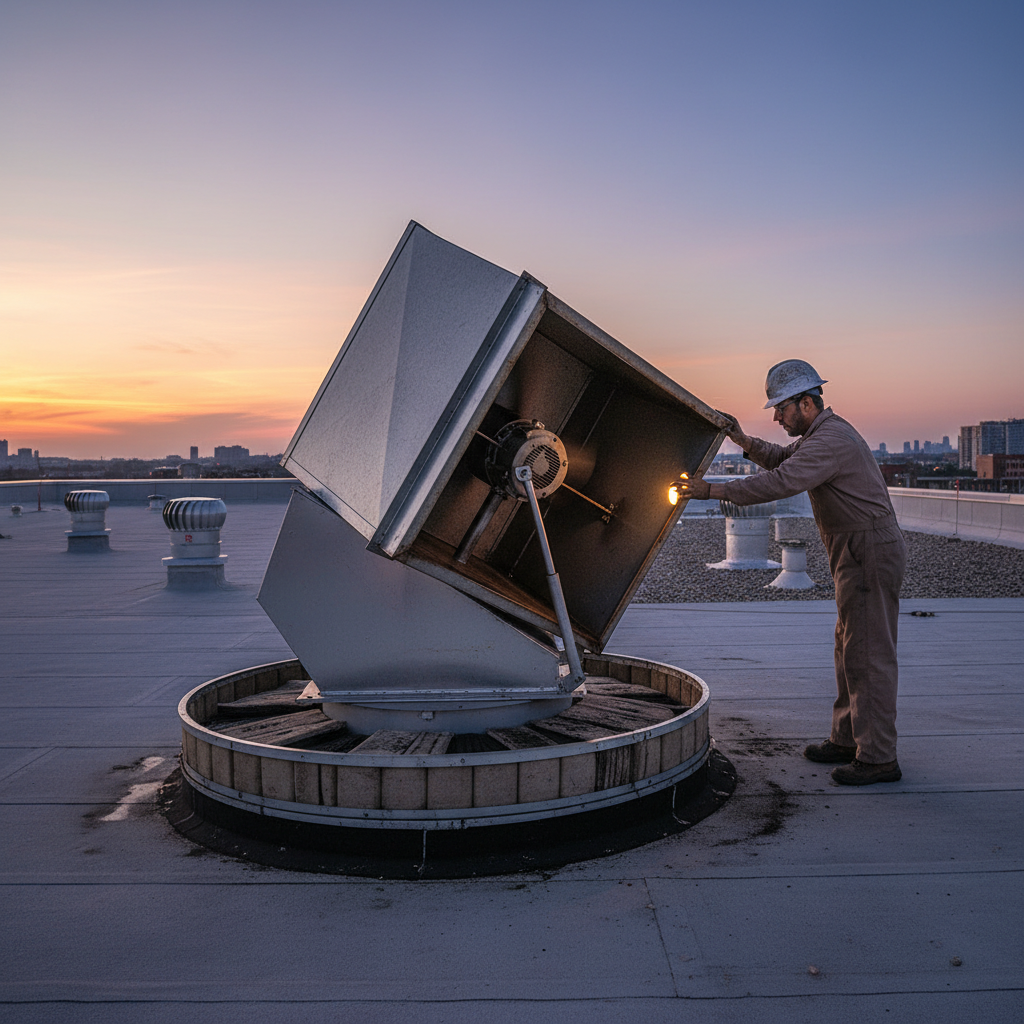
- Exhaust fan: Blades and housing degreased; belts and pulleys inspected; hinge kits and drains checked.
- Rooftop containment: Pads, boxes, and drain paths verified to prevent roof damage and grease pooling.
Verification and documentation
- Before/after photos: Time-stamped images tell a clear story of work done.
- Tagging: Hood tag with date, technician ID, and next-due interval.
- Deficiency tracking: Items flagged and resolved with follow-up proof.
- Program scheduling: Recurring appointments aligned with actual grease production.
We apply the same rigor to institutional kitchens, food courts, and fine dining as we do for high-throughput quick service brands across Southern Ontario.
Best practices to stay compliant year-round
Build a predictable cycle: set the right interval, rotate clean filters, verify hinges and belts each visit, and keep reports organized. Train staff on daily wipe-downs and weekly filter checks to slow grease accumulation between professional cleanings.
- Set intervals by evidence: Use photo reports to justify monthly, quarterly, or semi-annual cycles.
- Filter rotation: Keep a spare set so filters are always clean and properly seated.
- Fan belt checks: Replace glazing, cracked, or loose belts before capture efficiency drops.
- Contain grease at the roof: Confirm pads or boxes prevent runoff that can damage membranes.
- Staff touchpoints: Train simple daily wipe-downs and weekly visual checks of filters and hood edges.
- Organize documentation: Keep the latest tag front and center; store digital reports for quick access.
For frequency planning, our hood cleaning frequency guide outlines how menu and hours affect recommended intervals.
Tools and resources you can use
Quick service restaurant (QSR) with long hours
- Challenge: Continuous frying created heavy deposits in horizontal ducts.
- Action: Quarterly degreasing, filter exchange, and belt checks; added rooftop containment maintenance.
- Outcome: Improved draw at the hood and consistent inspection passes with current tags.
Institutional kitchen with varied menus
- Challenge: Intermittent heavy-cook days created uneven grease loads.
- Action: Semi-annual cleanings plus mid-cycle filter swaps and weekly staff checks.
- Outcome: Stable airflow and clean surfaces during audits; no deficiencies cited.
Fine dining with solid-fuel grill
- Challenge: Soot and creosote accumulation increased ignition risk.
- Action: Monthly service focused on the solid-fuel line, duct access cleaning, and rooftop containment.
- Outcome: Reliable inspection outcomes and documented control of high-risk deposits.
For a deeper dive into fan care steps we used in these programs, see our exhaust fan maintenance guide.
Frequently Asked Questions
Ontario kitchens show NFPA 96 compliance with a dated hood tag and a written report after each professional cleaning. Intervals range from monthly to semi-annual, based on cooking volume and fuel type. Choose a qualified, insured provider to certify each visit.
What counts as “NFPA 96 certification” in Ontario?
There’s no single government certificate. Certification is demonstrated by a dated service tag at the hood and a written report with photos from a qualified provider. These documents show your system was cleaned and inspected to NFPA 96 and the Ontario Fire Code.
How often should our hood and ducts be cleaned?
Intervals follow NFPA 96 guidelines: monthly for solid-fuel or very heavy use, quarterly for high-volume cooking, semi-annual for moderate use, and annual to semi-annual for light use. We’ll align your schedule to real cooking patterns and adjust as needed.
Who is qualified to certify our system after cleaning?
Select a provider with NFPA 96 training, WSIB insurance, and experience with your kitchen type. Look for clear tagging, photo reports, and a strong record across Ontario restaurants. Robinhood Cleaners meets these criteria and services kitchens across the province.
What documents should we keep for inspectors?
Keep the latest hood tag visible and maintain digital copies of service reports with time-stamped before/after photos. Include deficiency logs and remediation notes, such as replaced belts or installed hinge kits. Organized records speed up inspections and insurance audits.
How Robinhood Cleaners supports NFPA 96 compliance
We deliver end-to-end NFPA 96–aligned service across Ontario: hood, duct, and fan cleaning; filter exchange; fan belt replacement; rooftop containment; and thorough documentation. Our WSIB insured, 24/7 teams keep your kitchen inspection-ready with minimal downtime.
- Full system cleaning: Hood, ducts, exhaust fan, and discharge points returned to bare metal.
- Filter Cleaning & Exchange: Keep spares on hand to stabilize capture efficiency between visits.
- Fan Belt Replacement: Proactive swaps prevent airflow loss and avoid surprise shutdowns.
- Ventilation Maintenance: Hinge kits, drains, and containment inspected and documented each visit.
- Photo reports + tags: Every service is tagged and documented for inspector and insurer needs.
Plan your next cycle using our NFPA 96 cleaning schedule reference and the frequency guide tailored to Ontario operations.
Get started: simple next steps
Book an assessment, align your interval to cooking volume, and organize your documentation. With a dated tag and a clear report after each visit, your kitchen will be inspection-ready and safer for staff and guests.
- Request a walkthrough: We map your hood, ducts, fan, access panels, and rooftop setup.
- Establish intervals: Monthly, quarterly, or semi-annual—based on your actual grease output.
- Close gaps: Replace worn belts, add hinge kits, and verify grease containment.
- Document: Keep tags current and reports organized for fast inspection approvals.
Soft CTA: Want a no-hassle plan? Robinhood Cleaners services kitchens All Over Ontario with NFPA 96–aligned cleaning, 24/7 scheduling, and WSIB-insured crews. Explore our compliance cleaning approach.
Key takeaways
- NFPA 96 is the benchmark for commercial cooking ventilation safety in Ontario.
- Certification is demonstrated by a current tag and a photo-rich report from a qualified provider.
- Intervals range from monthly to semi-annual depending on cooking volume and fuel type.
- Organized documentation and small preventative fixes keep inspections fast and drama-free.
Final CTA: Ready to lock in NFPA 96 compliance? Book a service window in All Over Ontario and keep your kitchen inspection-ready all year.