Restaurant kitchen cleaning is the systematic, professional sanitizing and degreasing of back-of-house surfaces, equipment, and ventilation systems to protect staff and guests. It reduces fire risk, improves air quality, and supports health inspection success. In All Over Ontario, Robinhood Cleaners provides end-to-end service aligned to NFPA 96 and local health requirements.
By Robinhood Cleaners • Last updated: June 13, 2026
At a Glance: Clean Like the Pros
Professional restaurant kitchen cleaning targets four zones: cooking equipment, food-contact surfaces, floors/drains, and the exhaust system (hoods, ducts, fans, filters). The fastest gains come from daily wipe-downs, weekly detail cleans, and NFPA 96–aligned exhaust service. Pair checklists with training and documentation to pass inspections with confidence.
Here’s the thing—busy restaurants need a plan that holds up under rush, staff turnover, and seasonal spikes. This complete guide blends pro techniques with pragmatic scheduling so your team can maintain standards, and call us when specialized work (hoods, ducts, fans, belts, grease traps) needs certified attention.
- What “restaurant kitchen cleaning” includes and why it matters
- Step-by-step processes for line, prep, and close
- Exhaust, hood, duct, and fan service aligned with NFPA 96
- Grease trap, filter exchange, and appliance deep-cleaning
- Ontario-focused tips to sail through inspections
- What is restaurant kitchen cleaning?
- Why it matters
- How professional cleaning works
- Types, methods, and schedules
- Best practices and checklists
- Tools and resources
- Ontario case studies and examples
- FAQ
Quick Summary
Focus daily on food-contact sanitizing and degreasing, weekly on appliances and floors, and every 1–6 months on full exhaust service depending on cooking volume. Document everything. When in doubt, schedule professional hood, duct, fan, filter, and grease trap care to stay inspection-ready.
Use daily, weekly, and monthly SOPs that name who cleans what, with which product, and where to document it. For specialized, high-risk tasks—like exhaust hoods and ducts—book certified technicians for compliant results and a clear service report.
What Is Restaurant Kitchen Cleaning?
Restaurant kitchen cleaning is a defined program that removes grease, soil, and pathogens from equipment, surfaces, floors, drains, and ventilation systems. It combines daily routines with periodic deep cleans and certified exhaust service to reduce fire risk, improve hygiene, and pass health inspections.
In our experience, the most reliable programs combine frontline SOPs with scheduled professional services. Robinhood Cleaners handles the heavy-lift areas—kitchen exhaust cleaning, hood and duct degreasing, rooftop fan maintenance, filter cleaning and exchange, and appliance deep-cleaning support for ovens, grills, and refrigeration exteriors.
Scope you should cover
- Food-contact surfaces: Cutting boards, prep tables, and line stations sanitized between tasks and at close.
- Cooking equipment: Grills, ranges, fryers, ovens—degrease splatter zones daily and deep-clean weekly.
- Floors and drains: Sweep, degrease mop, and flush floor drains with enzyme cleaner to prevent odors.
- Exhaust system: Hoods, baffles/filters, ducts, and fans cleaned to bare metal on a recurring schedule.
- Grease management: Traps pumped and lines checked to prevent backups and odors.
Why this matters is simple: grease accumulates quickly. Left alone, it elevates fire risk and attracts pests. A routine with logged times and signatures keeps your team consistent and creates a paper trail for insurers and inspectors.
Why Restaurant Kitchen Cleaning Matters
Thorough cleaning cuts fire risk, prevents cross-contamination, and reduces equipment strain. Kitchens that pair daily SOPs with certified exhaust service see fewer breakdowns, steadier air quality, and stronger inspection outcomes—key for staff safety and guest trust.
Here’s why this is crucial for Ontario operators: ventilation is your fire barrier. Hoods, ducts, and fans can accumulate pounds of grease between services. That buildup creates combustible fuel near open flames. Regular, documented service keeps those pathways clean and your suppression system unimpeded.
- Fire protection: Degreased ducts and fans lower ignition pathways and keep suppression nozzles clear.
- Food safety: Clean prep zones reduce cross-contact and microbial growth during peak hours.
- Asset longevity: Appliances run cooler and last longer when not insulated in carbonized grease.
- Air quality: A clean exhaust train removes heat and aerosolized grease, improving staff comfort.
- Compliance confidence: Service reports back your SOPs during inspections and insurance audits.
Many teams underestimate the power of small, frequent actions—like five-minute filter rinses at close or labeling spray bottles with dilution ratios. Those micro-habits accumulate into measurable safety and performance gains.
How Professional Restaurant Kitchen Cleaning Works
Pro crews isolate the area, protect equipment, apply degreasers, and remove grease to bare metal. For exhaust systems, they disassemble hoods, clean baffles, scrape and steam ducts and fans, verify fan belts and hinges, and document results with photos and a service label.
When Robinhood Cleaners is scheduled, we align timing with your service windows—often overnight—to minimize disruption. We stage plastic sheeting to protect appliances, set up hot-water and power-wash systems, and cover electricals. Our certified techs then degrease the hood plenum, ducts, and fan housing, and we inspect belts, hinges, and access panels before reassembly.
- Prep and protection: Lay plastic, cover appliances, isolate drains, and verify hood access.
- Baffle filter removal: Replace or send to filter cleaning and exchange if needed.
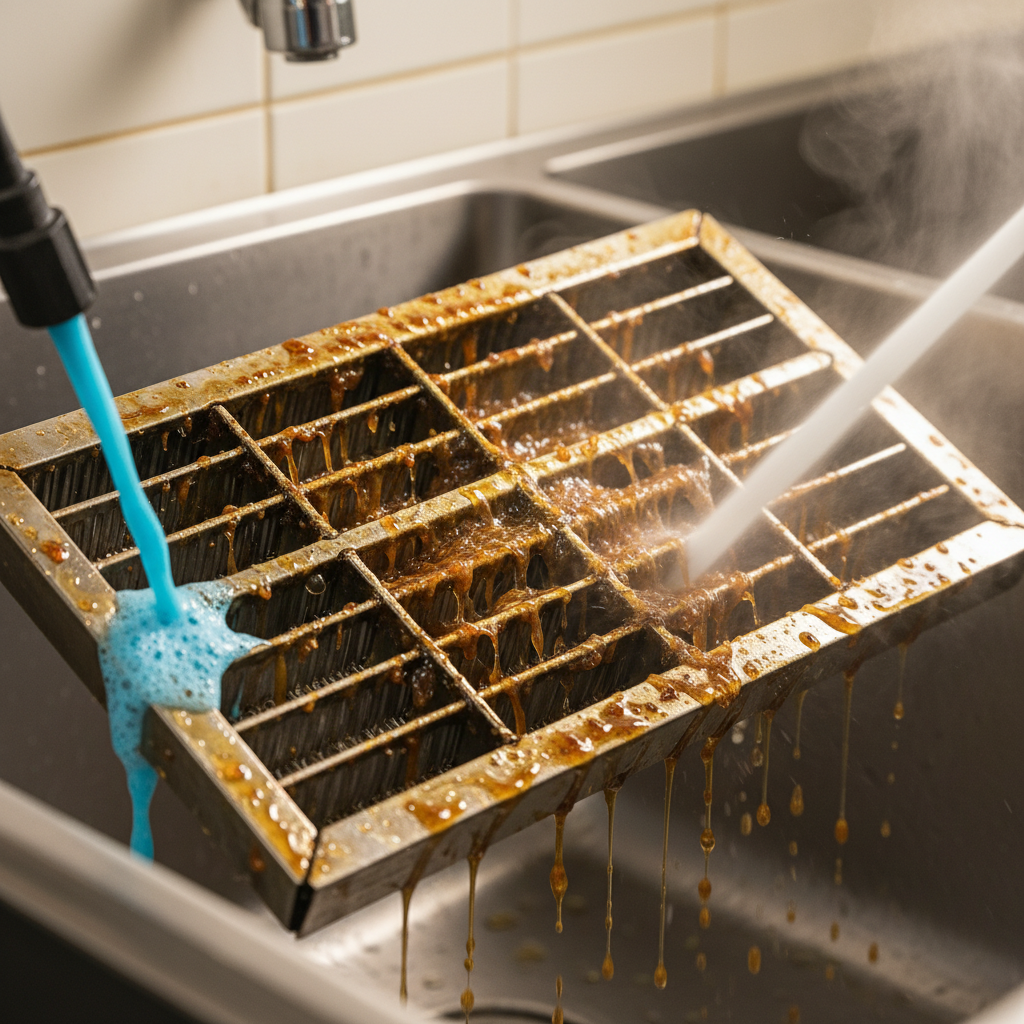
- Hood degreasing: Scrape carbon, apply alkaline degreaser, and hot-water rinse.
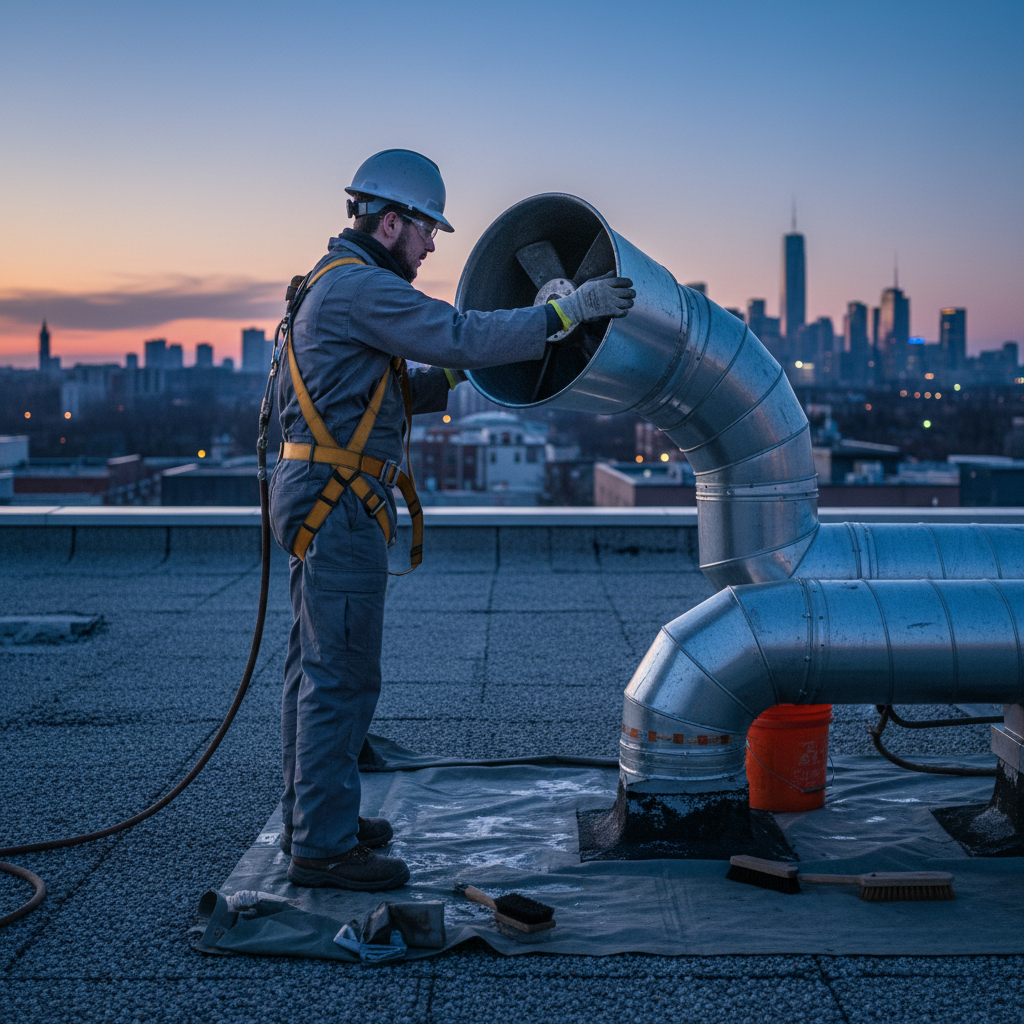
- Duct and fan service: Access from roof and hood, remove grease to bare metal, verify spin.
- Belts and hardware: Check tension, wear, and pulleys; replace belts if degraded.
- Final rinse and polish: Neutralize chemicals, polish stainless, and restore drip trays.
- Documentation: Photos, service sticker with date, components serviced, and next-due window.
The result is twofold: a safer exhaust pathway and a front-of-house that smells fresher because aerosolized grease isn’t recirculating. Teams notice that grills run steadier and the kitchen heat load feels more manageable.
Types, Methods, and Schedules
Use a layered schedule: daily sanitizing on food-contact zones, weekly appliance detailing, monthly floor and drain resets, and exhaust service every 1–6 months based on cooking volume. Pair with filter exchange and grease trap pumping on a predictable cadence.
Layered cleaning program
- Daily: Sanitize prep tables, line equipment fronts, splash zones, handles, and smallwares.
- Weekly: Deep-clean grills, ovens, fryers exteriors; descale steamers; detail gaskets and rails.
- Monthly: Degrease floors, baseboards, wheel wells; flush drains; clean underlines and shelves.
- Quarterly to semiannual: Full exhaust cleaning (hoods, ducts, fans) depending on cooking volume.
- As needed: exhaust fan cleaning, filter exchange, and belt replacement when performance dips.
Service methods you’ll see
- Alkaline degreasing + hot rinse: Breaks down polymerized grease on hoods and appliances.
- Steam and scraping: Access ducts and fan housings to reach bare metal before reassembly.
- Filter cleaning & exchange: Swap clogged baffles for clean spares to stabilize airflow.
- Power washing: Target heavy buildup on exteriors, curbs, and concrete pads.
- Grease trap pumping: Remove FOG (fats, oils, grease), inspect baffles and inlet/outlet tees.
| Kitchen Type | Typical Cooking Volume | Suggested Exhaust Frequency | Notes |
|---|---|---|---|
| High-volume fry/grill | All-day, heavy grease | Every 1–3 months | Monitor filters weekly; consider exchange program |
| Moderate mixed menu | Lunch/dinner, steady | Every 3–6 months | Spot-check ducts at 90 days during peak season |
| Low-grease production | Light sauté/bake | Every 6–12 months | Shorten interval after promotions/seasonal spikes |
We adjust schedules after the first cleaning because every kitchen produces a unique grease profile. Photos and residue thickness checks guide the next due date more accurately than a calendar alone.
Best Practices and Checklists
The best programs write down who cleans what, with which product, and how it’s verified. Short, repeatable checklists, labeled bottles, color-coded tools, and a visible logbook turn good intentions into habits your team keeps during the dinner rush.
Daily line-close checklist (15–25 minutes)
- Wipe and sanitize all food-contact surfaces and smallwares racks.
- Degrease splash zones: fryers, grill guards, oven fronts, knobs, and handles.
- Rinse baffle filters; replace if airflow dropped during service.
- Empty and wipe cold rails; check gaskets; sanitize tongs and handles.
- Sweep then mop with degreaser; squeegee to drains; place wet-floor signs.
- Log initials, time, and any maintenance flags.
Weekly detail (60–120 minutes)
- Disassemble grill plates and oven racks; soak in degreaser; rinse hot.
- Pull equipment on casters; clean behind and under; detail wheels.
- Descale steamers; wipe refrigeration coils and fan guards.
- Inspect hood lights, filters, and residue at canopy seams.
- Check chemical dilution using test strips where applicable.
Monthly reset (2–4 hours)
- Deep scrub floors, grout, and baseboards; address slip-prone zones.
- Flush drains with enzyme or foaming cleaner; add screens if needed.
- Audit logs; note trends; schedule professional exhaust and grease trap service.
- Train refreshers: 10-minute toolbox talks on sanitizer dwell times.
Pro tip: Hang the checklist where staff sign out. Visibility drives accountability. We’ve found completion rates jump when supervisors do a quick end-of-night walk-through with the logbook.
Tools, Supplies, and Resources
Equip your team with commercial-grade degreasers, sanitizers, color-coded tools, and spare filters. For exhaust systems, rely on certified crews with hot-water units, access tools, and safety harnesses. Keep SDS sheets and SOPs on-site and train around them.
Frontline cleaning kit
- Alkaline degreaser (for carbonized grease) and a neutral floor degreaser.
- Quaternary ammonium or chlorine-based sanitizer with test strips.
- Color-coded microfiber, scrub pads, squeegees, and drain brushes.
- Food-safe descaler for steamers and coffee equipment.
- Enzyme drain treatment to keep odors down between resets.
Professional service gear you should expect
- Hot-water power-wash rigs and foam application systems.
- Roof-safe access equipment, harnesses, and containment for runoff.
- Fan hinge kits, belt gauges, and bare-metal verification methods.
- Photo documentation and next-due service labeling.
When you need a deeper partner bench, our team offers commercial exhaust cleaning, kitchen deep clean guidance, and grease management support that align with your audit and inspection cadence.
Ontario Case Studies and Real-World Examples
Across Southern Ontario, we’ve reduced grease loads, stabilized airflow, and improved inspection outcomes by pairing daily SOPs with certified exhaust service. The common thread: measurable before/after results, documented with photos and a next-due plan tailored to cooking volume.
Quick-service grill line (Southern Ontario)
- Problem: Visible smoke in dining area during lunch rush; fryer overflow odors.
- Action: Hood, duct, and rooftop fan cleaned to bare metal; belts replaced; filter exchange added.
- Result: Airflow restored; hood heat reduced; line reports less smoke migration.
Institutional kitchen (catering hub)
- Problem: Inconsistent suppression nozzle coverage due to grease obstructions.
- Action: Full plenum degrease, nozzle area cleared; floor drains enzymatically treated.
- Result: Cleaner canopy, clear nozzles, documented service label for inspection day.
Fine dining sauté line
- Problem: Hot line staff fatigue from heat retention and lingering odors at close.
- Action: Duct and fan service; added monthly filter exchange and weekly gasket detail.
- Result: Cooler line, fresher close, and steadier hood capture.
These aren’t one-off wins. They come from disciplined routines on the line plus periodic professional service—what we deliver every week in All Over Ontario.
Local considerations for All Over Ontario
- Plan exhaust service outside peak tourist and festival periods to reduce downtime and coordination stress for your front-of-house teams.
- Build a winter protocol: slippery rooftop access, earlier sunsets, and snow load require flexible scheduling and added safety checks.
- Grease trap pumping intervals can tighten during regional patio season due to higher fry volume—log FOG levels to decide when to call us sooner.
Request a pro cleaning plan for your kitchen
Need a certified team for hoods, ducts, fans, filters, and grease traps? We offer 24/7 scheduling across Ontario with photo-documented results. Let’s build a plan around your rush times.
Frequently Asked Questions
Most kitchens thrive on layered routines: daily sanitizing, weekly detail, monthly resets, and pro exhaust service every 1–6 months. Filters, belts, and grease traps need eyes-on checks, with swaps or pumps as soon as airflow or drainage declines.
How often should we schedule hood and duct cleaning?
Most high-volume fry or grill kitchens benefit from every 1–3 months. Moderate operations land around 3–6 months, and low-grease kitchens can extend to 6–12 months. Photos and residue checks after your first service help pinpoint the safest cadence.
What’s included in professional exhaust cleaning?
Certified techs protect equipment, remove and clean filters, degrease the hood plenum, access and clean ducts and rooftop fans to bare metal, check fan belts and hinges, then reassemble and label the system with documentation and photos.
How do we know our exhaust is overdue?
Watch for reduced capture (smoke escaping the hood), louder or vibrating fans, greasy drips at hood seams, and clogged filters. If airflow drops during a rush or odors linger after close, schedule an inspection and likely service.
Do you handle grease traps and filter exchanges, too?
Yes. We provide grease trap cleaning and maintenance, plus filter cleaning and exchange. Many Ontario kitchens combine these with hood, duct, and fan service for fewer appointments and more consistent airflow and drainage.
Conclusion and Next Steps
Build a layered routine, document it, and partner with certified pros for exhaust, filters, fans, and grease traps. That combination reduces fire risk, protects staff, keeps air moving, and helps you ace inspections—day after day, season after season.
- Key takeaways: Daily sanitize, weekly detail, monthly reset, and exhaust every 1–6 months.
- Use checklists, labels, and logs to make habits stick.
- Book certified service for hoods, ducts, fans, belts, and traps.
- Adjust schedules with photos and residue checks—not guesswork.
Ready to lock in safer airflow and simpler inspections in All Over Ontario? Explore our exhaust services and kitchen cleaning support, or review this vent cleaning guide to plan next steps with your team.
For broader context on risk factors and certification expectations, you can review this kitchen exhaust risk explainer, an Ontario hood cleaning overview, and a concise restaurant cleaning protection guide.