Grease duct cleaning is the professional removal of flammable grease deposits from kitchen exhaust ducts, hoods, and fans. It reduces fire risk, supports ventilation performance, and helps restaurants in All Over Ontario remain inspection-ready. Robinhood Cleaners provides NFPA 96–aligned service across Ontario so your team can focus on cooking while we handle the hazards.
By Robinhood Cleaners | Last updated: 2026-05-23
Summary
This guide explains what grease duct cleaning is, why it matters for fire safety and compliance, how a professional cleaning is performed, recommended frequencies, tools and methods, and how Robinhood Cleaners serves Ontario kitchens. Use it to plan maintenance, pass inspections, and protect your staff and guests.
If you manage a commercial kitchen, this complete guide will help you:
- Understand the full exhaust pathway (hoods, ducts, fans, rooftop)
- See cleaning steps, inspection points, and documentation requirements
- Decide the right frequency based on cooking volume and fuel type
- Prepare your team and space to minimize downtime
- Know when to call Robinhood Cleaners for 24/7 service support
Local considerations for All Over Ontario
- Plan services around winter access: rooftop fans and hinges may freeze or ice over; schedule hinge checks and safe access gear before cold snaps.
- Busy summer patio seasons increase cookline hours; consider quarterly or monthly cleanings to match higher grease output.
- After-hours appointments reduce disruption; our teams operate 24/7 to align with Ontario kitchens peak periods and closing times.
What Is Grease Duct Cleaning?
Grease duct cleaning is the thorough removal of combustible grease from kitchen exhaust systemsincluding hoods, ducts, and fansto reduce fire risk and maintain airflow. It follows recognized standards (like NFPA 96) and typically requires professional degreasers, hot-water pressure, and mechanical scraping for full-coverage results.
In plain terms, we remove the flammable film that naturally accumulates anywhere cooking vapors travel. That means the hood canopy, plenum, horizontal and vertical ducts, and the upblast fan on the roof. When that film gets thick, it can ignite. When its gone, your system breathes easier.
Across Ontario, we see heavy-use kitchens build measurable deposits between services. High-heat frying, solid-fuel cooking, and continuous grill work accelerate buildup. Routine cleaning resets the system to bare metal in accessible areas and documented clean in non-removable components.
For clarity, bare metal is the target finish in areas reachable with professional methods. We also document before/after conditions so your insurance binder and inspection file stay complete.
To go deeper into system scope and readiness, see our Ontario-focused primer on exhaust duct cleaning benefits and our broader kitchen cleaning services overview.
Why Grease Duct Cleaning Matters
Cleaning matters because grease is fuel. When deposits ignite, fire can spread through ducts rapidly. Routine service reduces ignition likelihood, supports steady ventilation, and helps you demonstrate compliance to insurers, landlords, and local inspectors.
Fire protection is the primary driver. A clean exhaust path removes a key accelerant. Ventilation health is the second: clean systems move air with less resistance, stabilizing capture at the hood and improving kitchen comfort.
Compliance is the third pillar. Many Ontario restaurants are required to show current service stickers and reports. Interval recommendations range from monthly to semiannually based on cooking volume and type. Solid-fuel operations typically require more frequent attention.
Documentation also matters. We log access points, deposit levels by area, and corrective actions. That record helps you pass audits and preempts repeat deficiencies. For a service-forward look at the risks we remove, visit our exhaust fire prevention explainer.
How Grease Duct Cleaning Works (Step-by-Step)
A professional cleaning isolates the work area, protects equipment, applies degreasers and hot water, scrapes and rinses ducts to a clean finish, services the fan, and documents the results. The process minimizes downtime and leaves a proof-of-service record for inspections.
Standard 12-step process
- Pre-walk and system mapping: hood, duct routes, fan, access panels.
- Shut down and lockout devices; cover appliances and sensitive controls.
- Install plastic containment and floor protection; set grease funnels.
- Remove and soak hood filters; degrease to clean finish.
- Hood canopy degreasing and scrape; rinse to clear runoff.
- Duct access panel opening; mechanical scrape of heavy deposits.
- Apply alkaline or enzyme degreasers; dwell, then hot-water rinse.
- Service rooftop upblast fan: hinge check, bowl clean, shaft wipe.
- Grease containment inspection; replace pads/absorbents as needed.
- Final rinse and squeegee; remove plastic and polish stainless.
- Functional test: start fan, verify capture and exhaust sound.
- Photos, sticker, and service report for your compliance file.
Most kitchens complete overnight with 24 technicians, depending on complexity and duct length. Heavy-deposit systems or limited access points take longer because safe, thorough access comes first.
For a practical walk-through of nighttime logistics, our teams follow the same approach described in our Ontario exhaust cleaning guide and systemwide grease removal framework.
Types, Methods, and Approaches
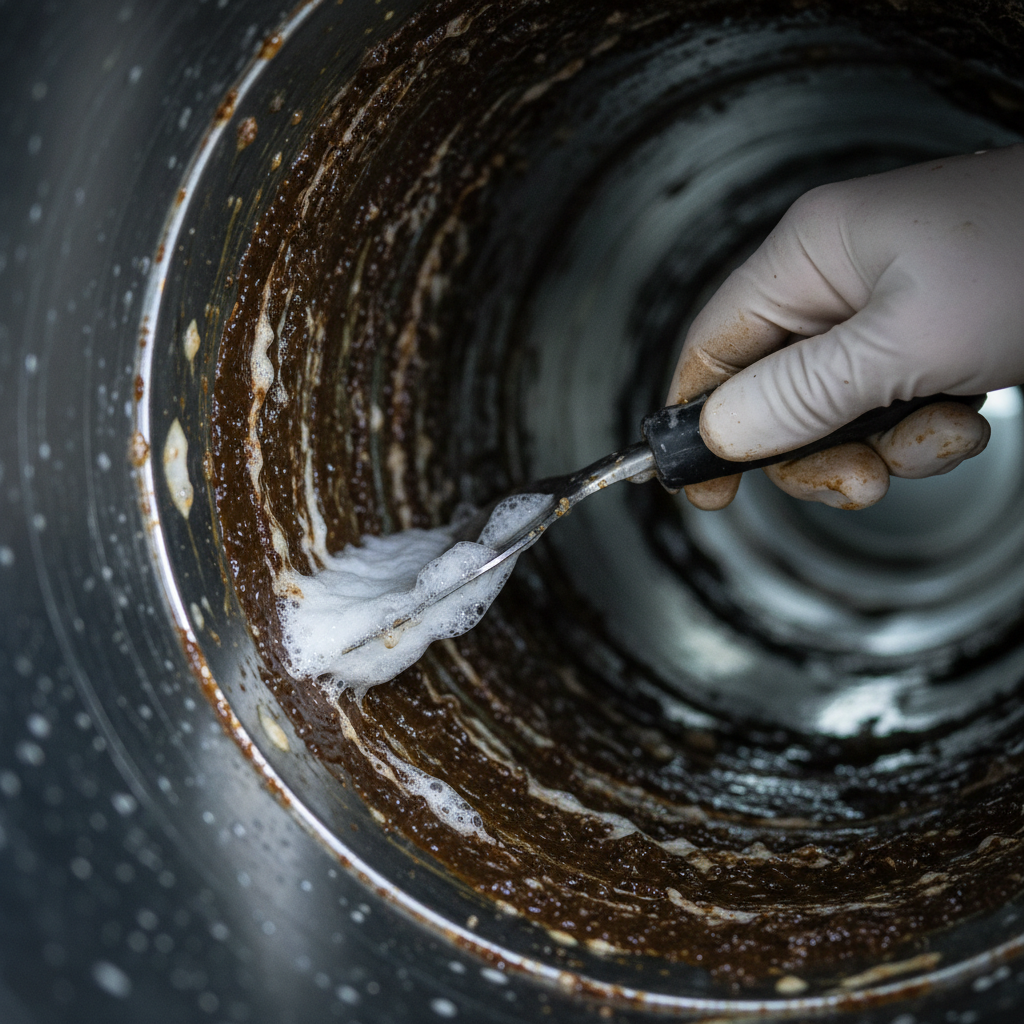
The right method blends mechanical scraping, chemical degreasers, and hot-water pressure. Selection depends on deposit thickness, duct geometry, and access. A professional plan chooses the safest combo to achieve a clean finish without damaging components or flooding the space.
Core methods we use
- Mechanical scraping: Best for heavy, tar-like layers. Reduces chemical use and shortens dwell time.
- Chemical degreasers: Alkaline or enzyme solutions emulsify deposits. We choose low-odor, kitchen-safe agents.
- Hot-water pressure: Rinses emulsified grease; temperature and PSI are tuned to duct integrity and containment capacity.
- Access optimization: Adding code-compliant access panels improves reach and reduces future service time.
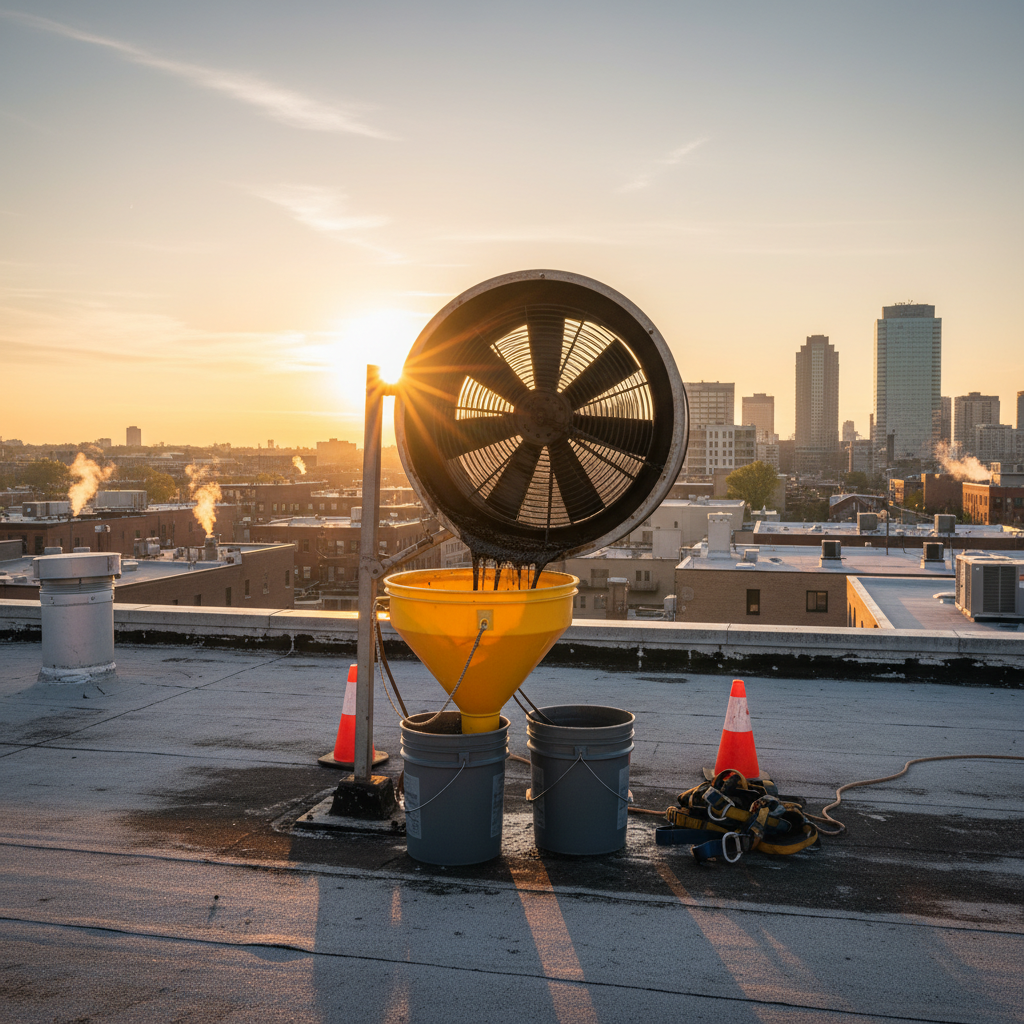
- Grease containment: Rooftop pads, funnels, and guards prevent staining and protect roofs.
When to favor one method
- Scrape-first strategy: When deposits exceed a thin film, scraping prevents chemical overuse and runoff.
- Degreaser-first strategy: For fine-film systems with frequent service, light chemistry plus rinse is efficient.
- Hybrid approach: Complex duct runs often need targeted scraping at elbows and transitions, chemistry for straights.
Our team documents which methods were used in each zone. That builds a repeatable plan that gets faster and cleaner every cycle while protecting components like fan bearings and electrical connections.
Service Frequency and Compliance
Service frequency tracks cooking volume and fuel type. Monthly for high-volume frying or solid fuel; quarterly for typical grill and fry lines; semiannual for light-duty operations. Keep current stickers and reports to show compliance during inspections and insurance renewals.
| Kitchen type | Typical interval | Notes |
|---|---|---|
| Solid-fuel (wood/charcoal) | Monthly | High soot and grease output; frequent access checks required. |
| High-volume fry/grill | Monthly or Quarterly | Extended hours and heavy vapor lead to faster buildup. |
| Standard restaurant | Quarterly | Matches most Ontario kitchens operating lunch and dinner. |
| Light-duty/seasonal | Semiannual | Lower hours but still requires documented service. |
Intervals are guidance; the real test is deposit thickness and capture efficiency. If you see smoke spillage, hear fan strain, or smell lingering grease, accelerate your schedule. Our 24/7 crews can align with your slowest shifts to reduce disruption.
Need a deeper dive into compliance expectations? Review our Ontario-specific notes on NFPA 96 compliance for restaurants and our quick resource on grease filter cleaning.
Tools, PPE, and Resources We Trust
Effective results require pro-grade tools: adjustable scrapers, low-odor degreasers, hot-water pressure units, rooftop grease containment, and compliant access panels. Pair that with PPE (gloves, eye protection, harnesses) and clear documentation templates to pass inspections with confidence.
- Surface tools: Stainless scrapers, scouring pads, and flexible rods for elbows and transitions.
- Chemistry: Alkaline degreasers for heavy film; enzyme blends for maintenance cycles.
- Rinse systems: Hot-water pressure washers with adjustable nozzles to protect sheet metal.
- Containment: Hood-edge plastic, floor covers, and rooftop pads/funnels to control runoff.
- Safety gear: ANSI eye protection, cut-resistant gloves, respiratory protection as needed, roof harnesses.
- Documentation: Photo logs, stickers, and signed service reports filed for your next inspection.
Want help building a readiness list for your staff? Our practical overview on grease buildup prevention pairs well with this section and keeps day-to-day practices aligned with service visits.
Best Practices That Cut Risk and Downtime
The best approach is a documented cycle: daily wipe-downs, weekly filter maintenance, scheduled duct cleanings, and quick fixes to access or containment. This rhythm prevents heavy deposits, shortens visits, and keeps kitchens inspection-ready year-round.
- Keep filters clean: Rotate or exchange on a set schedule to lower grease vapor carryover.
- Mind make-up air: Balanced airflow improves capture at the hood and reduces spillage.
- Protect the roof: Maintain pads and funnels; grease on roofing shortens membrane life.
- Label access points: Clear labels speed service and reduce time reopening sealed panels.
- Photograph routinely: A simple log builds evidence of condition between professional services.
- Train closing staff: Quick nightly wipe of hood edges and backsplash reduces film accumulation.
We build these routines into every Ontario program. Teams that follow them see fewer emergency calls and smoother inspections. For a service comparison that highlights whats included, explore our exhaust duct cleaning benefits page.
Case Studies and Real-World Examples
Ontario kitchens benefit from tailored schedules. High-volume fry lines often stabilize at monthly cycles, while bistros run quarterly. With strong filter routines and make-up air checks, many clients extend fan life and reduce after-hours disruptions.
Quick-service grill line, Southern Ontario
Challenge: visible smoke spillage during dinner rush and a strong grease odor at closing. Duct had limited access panels; rooftop fan bowl showed thick residue.
- Actions: access upgrades, scrape-first pass, hot-water rinse, new rooftop pads.
- Result: immediate capture improvement and quieter fan startup the next shift.
- Program: shifted from quarterly to monthly until deposit levels stabilized.
Institutional kitchen, central Ontario
Challenge: inconsistent documentation across multiple prep areas and audit pressure for unified records.
- Actions: system mapping for each hood, standardized stickers, and report templates.
- Result: clean audit; maintenance team now references one binder across facilities.
- Program: quarterly cleanings with light monthly filter exchanges.
Bistro with seasonal patio
Challenge: smooth in winter, overwhelmed in summer when hours double.
- Actions: pre-season inspection, fan belt check, and proactive filter rotation.
- Result: steady capture despite longer shifts; no odor complaints during peak.
- Program: semiannual winter, quarterly summer with a mid-season touch-up.
For more operational pointers that pair with these examples, see our resource on exhaust filter replacement.
How to Prepare Your Kitchen for Service Night
Preparation shrinks downtime. Clear the cookline, secure perishables, and inform staff of access routes. Verify rooftop access, confirm power shutdown procedures, and stage extra liners and mop buckets. A 10-minute huddle with our lead tech often saves an hour later.
- Cover or remove open food, wrap utensils, and empty drip trays.
- Unlock roof hatches; verify ladder safety and lighting.
- Stage trash liners, clean water, and a clear path from hood to exit.
- Share allergy or sensitivity notes so we match low-odor chemistry.
- Plan a quick walk-through before we begin; align on any maintenance adds.
Well bring the restincluding containment, PPE, and documentation. Kitchens that prep this way finish earlier and reopen with fewer surprises the next morning.
Need an Ontario Exhaust Partner You Can Call Anytime?
Robinhood Cleaners operates 24/7 across Ontario with NFPA 96aligned teams, WSIB-insured crews, and detailed reports. If you need monthly, quarterly, or emergency service, well match your schedule and keep you inspection-ready year-round.
Lets align your schedule with real-world deposit levels and cooking volume. Explore our service-forward overview in this grease removal guide or bookmark this exhaust safety resource for your next staff meeting.
For emergency planning and after-hours logistics, see our Ontario-focused 24/7 service walkthrough.
Common Mistakes to Avoid
Most issues come from irregular schedules, missing access doors, poor rooftop containment, and neglected filters. Fix those four and you remove the friction that makes service harder, longer, and messier.
- Skipping access: Without proper access doors, elbows and risers never get fully cleaned.
- Letting pads saturate: Full rooftop pads seep and stain; swap them before capacity is reached.
- Ignoring make-up air: Poor balance means smoke spillage; address airflow, not just grease.
- Delaying filter care: Overloaded filters drive grease vapor downstream into ducts.
Our crews note these issues in every report, with photos and part suggestions when relevant. That keeps your next cycle fasterand safer.
Frequently Asked Questions
Here are concise answers to the questions Ontario kitchen managers ask most. Each response focuses on safety, scheduling, and what to expect when partnering with a professional cleaner.
How often should grease ducts be cleaned?
Match frequency to cooking volume and fuel. Monthly for solid fuel and heavy fry lines, quarterly for typical restaurants, and semiannual for light-duty operations. If you notice smoke spillage or strong odor, schedule sooner.
What exactly gets cleaned during service?
We address the entire pathway: hood canopy and plenum, ductwork (horizontal and vertical), access panels, and the rooftop upblast fan. Filters are soaked and degreased, and we finish with photos, a sticker, and a written report.
Can you work overnight or around events?
Yes. Our teams operate 24/7 across Ontario. We schedule after-hours cleanings to reduce downtime and coordinate with managers to protect equipment, secure perishable items, and reopen on time the next day.
Do you provide documentation for inspections?
Absolutely. Youll receive before/after photos, a service sticker, and a detailed report. We log access points and any corrective actions so you can show a complete compliance record during audits and insurance renewals.
Related Guides from Our Cleaning Cluster
These resources expand on filters, compliance, and full-system cleaning. Theyre written for Ontario kitchens and pair with the practices outlined here.
For filter rotation and exchange programs, review our exhaust filter replacement guide. To align with standards, keep our NFPA 96 compliance checklist handy. For broad sanitation routines, tap our restaurant kitchen cleaning services overview.
Key Takeaways
Grease duct cleaning reduces fire risk, keeps ventilation stable, and supports compliance. Match frequency to cooking volume, protect roofs and access points, and document each visit. Partnering with a 24/7 Ontario team keeps you ready for inspections any day of the week.
- Grease is fuelremoving it cuts fire risk significantly.
- Right-sized intervals (monthly to semiannual) track cooking volume.
- Access, filters, and rooftop containment make service faster and cleaner.
- Photos and reports simplify audits and insurance renewals.
- 24/7 scheduling reduces downtime and protects revenue.
Conclusion and Next Steps
A clean exhaust system protects people, property, and uptime. Build a realistic schedule, fix access and containment, and document every service. When youre ready, well align an Ontario program around your hours and cooking loadand keep it that way.
If you manage a restaurant, food court stall, or institutional kitchen in All Over Ontario, were here to help. Book an after-hours walkthrough, gather last cycles photos, and lets plan the next 12 months of service together.
Ready to get started? Explore our grease removal services, then contact Robinhood Cleaners to book a discovery session in All Over Ontario.
For emergency coordination and scope planning, our Ontario operations outline after-hours logistics in this 24/7 kitchen exhaust cleaning guide. For a standards-aligned perspective, see our NFPA 96focused overview and this kitchen hood cleaning service resource.