Exhaust duct cleaning benefits include measurable fire risk reduction, stronger ventilation performance, and documented safety compliance. It removes grease deposits from hoods, ducts, and fans, helping kitchens meet NFPA 96 inspection intervals (quarterly, semiannual, or annual) and reduce ignition sources tied to cooking operations. Clean ducts also stabilize airflow and improve indoor air quality.
By Robinhood Cleaners • Last updated: 2026-04-09
At a Glance
Exhaust duct cleaning delivers three core wins: fewer fire hazards, better airflow, and easier compliance. For Ontario restaurants, pairing hood, duct, and exhaust fan degreasing with filter exchange builds a reliable safety baseline. Documented service logs, before/after photos, and NFPA 96 schedules protect operations and simplify insurance and inspections.
- What you’ll learn:
- What commercial exhaust duct cleaning covers end-to-end
- Why NFPA 96 schedules (quarterly, semiannual, annual) matter
- How grease accumulates in hoods, ducts, and rooftop fans
- Best practices we apply across Southern Ontario kitchens
- Tools, checklists, and documentation you can use today
- Who this is for:
- Restaurants, QSRs, fine dining, food courts, and institutional kitchens
- Owners, GMs, chefs, facilities managers, and health & safety leads
- How this guide helps:
- Gives a clear roadmap to reduce grease-driven fire hazards
- Explains cleaning intervals aligned to NFPA 96 Table 11.4
- Provides a practical 10-point inspection and service checklist
- Shares Ontario-based mini case studies and results
Quick Answer
Exhaust duct cleaning benefits center on fire prevention, airflow, and compliance. For kitchens across All Over Ontario at All Over Ontario, Robinhood Cleaners combines hood, duct, and fan degreasing with filter exchange to meet NFPA 96 intervals and keep operations safe, open, and inspection-ready.
What Is Exhaust Duct Cleaning?
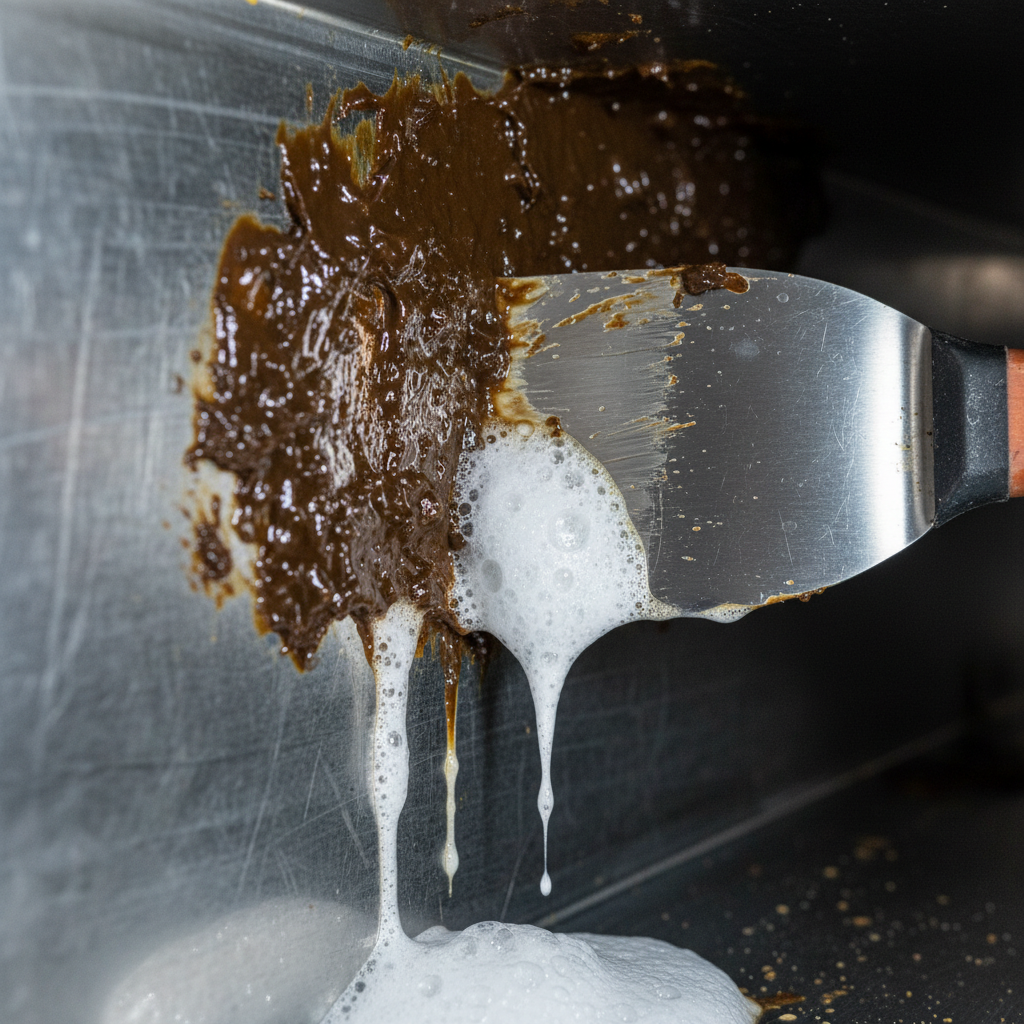
Exhaust duct cleaning is the professional degreasing of hoods, baffle filters, ductwork, and exhaust fans in commercial kitchens. Teams remove grease to bare metal, document results with photos, and align service frequency to NFPA 96 inspection intervals so kitchens remain safe, efficient, and compliant year-round.
Exhaust duct cleaning refers to a full-system service covering the hood canopy, baffle filters, horizontal/vertical ducts, and the rooftop upblast fan. The objective is “clean to bare metal,” which eliminates combustible grease that fuels many kitchen fires. In our Ontario work, we pair degreasing with filter exchange, hinge kits, and grease containment so systems run reliably between quarterly or semiannual visits, depending on volume.
- Scope of work:
- Hood canopy degreasing and polish to bare metal
- Baffle filter cleaning or Filter Cleaning & Exchange program
- Duct interior scraping, chemical dwell, and hot-water rinse
- Exhaust fan disassembly, degreasing, and balance checks
- Grease containment setup to protect rooftop membranes
- Final inspection, photos, and service certificate for records
- Standards that guide service:
- NFPA 96 inspection intervals (quarterly, semiannual, annual)
- Insurance and health department documentation expectations
- Safe chemical use, PPE, and lockout/tagout where applicable
- Linked services from our team:
- Hood Cleaning and degreasing
- Duct Cleaning and fire hazard reduction
- Exhaust Fan Cleaning and maintenance
- Ventilation System Maintenance and optimization
For a deeper primer on safe operations, see our Ontario-focused commercial hood cleaning guide, which explains daily, weekly, and service-interval tasks for staff and vendors.
Why Exhaust Duct Cleaning Benefits Matter
The benefits are immediate: fewer ignition sources, smoother airflow, and cleaner air for staff. Regular degreasing prevents grease flashover, helps fans maintain target airflow, and supports NFPA 96 documentation that insurers and inspectors expect, especially for high-volume fryers and charbroilers.
The most important benefit of exhaust duct cleaning is fire risk reduction. Grease deposits inside ducts and fans are combustible; removing them interrupts a common fire pathway—from cooking surface, up through the hood, into the duct and fan. In our experience serving Southern Ontario, the second-tier benefit is airflow stability: clean systems maintain capture and contain smoke better during rushes, keeping line of sight and comfort up for teams.
- Fire hazard reduction:
- Grease films ignite quickly under sustained heat; removing them lowers risk.
- Clean ducts create fire stops that slow vertical flame spread.
- Insurance audits often flag missed intervals; documentation closes that gap.
- Ventilation performance:
- Clean fans and ducts preserve design airflow and capture efficiency.
- Stable airflow improves smoke and odor control for the dining room.
- Balanced systems help temperature control on hot summer services.
- Compliance and proof:
- NFPA 96 indicates quarterly service for high volume, semiannual for moderate, annual for low.
- Photo logs, service tags, and certificates make inspections faster.
- WSIB-insured, NFPA 96–oriented providers reduce operational exposure.
For context on fire pathways and prevention, review our plain-language explainer on exhaust duct fire hazard prevention and how interval discipline changes outcomes.
How Kitchen Exhaust Systems Work (and Where Grease Hides)
Kitchen exhaust systems capture, contain, and remove grease-laden vapors from cooking lines. Grease first collects on baffle filters, then migrates into hood plenums, horizontal/vertical ducts, and finally the rooftop fan. Cleaning must follow this path, restoring bare metal throughout to break the ignition chain.
Every exhaust system includes a hood canopy with baffle filters, ductwork that routes vapors upward, and a rooftop upblast fan that discharges air. Fryers, grills, and woks drive heavy vapor loads; over time, residues form sticky films. We see the thickest deposits in elbows, transitions, and the fan housing—areas with lower air velocity where aerosols condense. That’s why inspections must be end-to-end, not just the visible hood.
- Typical accumulation hotspots:
- Behind and above baffle filters (hood plenum)
- Horizontal duct runs and 90-degree elbows
- Vertical risers near turning vanes
- Upblast fan blades, shroud, and grease trough
- Operational signals you’ll notice:
- Visible smoke escaping the hood lips during peak periods
- Persistent odors in the dining room despite makeup air
- Grease weeping at duct seams or fan curb
- Filters clogging faster than usual between service cycles
- Connected services that help:
- Filter Cleaning & Exchange to keep capture efficiency up
- Fan Belt Replacement to maintain rated RPM and airflow
- Ventilation System Maintenance for balancing and checks
We break down causes and fixes further in our note on grease buildup prevention in restaurant hoods, including staff-side wipe-downs that extend the effect of each professional service.
Types, Methods, and Approaches
Effective exhaust duct cleaning pairs mechanical scraping with food-safe degreasers and hot-water rinsing. For heavy loads, controlled chemical dwell and steam boost removal to bare metal. Add filter exchange, hinge kits, and rooftop containment to improve results and protect membranes.
Our approach in Ontario combines methodical scraping, targeted chemistry, and measured rinse. We start with filter removal and hood prep, tarp and dam build-outs, then work progressively from hood to duct to fan. Where residue is heavy, we increase dwell time and use steam to reduce viscosity before rinse. The last step is meticulous cleanup, dry-out, and photo documentation for your records.
- Core techniques we use:
- Manual scraping for thick deposits in elbows and risers
- Food-safe degreaser with controlled dwell times
- Hot-water rinse to flush residue toward containment
- Steam assist for stubborn, polymerized films
- Fan blade, housing, and shroud degreasing to finish
- System protections we add:
- Hinge kits for safe fan access without damaging wiring
- Grease containment to shield rooftop membranes
- Seal checks at duct seams and fan curb
- Supportive services from our team:
- Commercial Appliance Cleaning to remove adjacent ignition sources
- Power Washing for floors and back-of-house sanitation
- Grease Trap Cleaning to minimize odors and backups
Best Practices and Compliance (NFPA 96–Aligned)
Follow NFPA 96 service intervals: quarterly for high-volume, semiannual for moderate, and annual for low volume. Keep photo documentation, tags, and certificates. Pair professional cleanings with daily staff wipe-downs and monthly filter swaps to stabilize airflow and reduce risk.
Compliance is simpler when you turn schedules into habits. We help teams map volume to NFPA 96 frequencies and set reminders. High-volume fryers and charbroilers align to quarterly service; mixed or moderate use pairs well with semiannual; low-volume or seasonal kitchens often use annual. We also provide after-service reports with photos so your inspection binder is always current and ready.
- Interval planner (align to your volume):
- High volume (fryers, charbroilers, wok ranges): Quarterly
- Moderate volume (mixed cooking lines): Semiannual
- Low or seasonal volume: Annual
- Documentation to maintain:
- Before/after photos of hoods, ducts, and fans
- Service certificate with date, crew, and scope
- Equipment notes: belts, hinges, containment, observed defects
- Corrective actions and next scheduled visit
- Staff-side routines that extend results:
- End-of-day hood lip and backsplash wipe-downs
- Weekly baffle filter cleaning or exchange
- Monthly visual hood/duct/fan area checks for leaks or odors
For a step-by-step look at hazard control, see how we tackle exhaust duct cleaning fire prevention from prep to documentation in Southern Ontario locations.
Tools, Materials, and Resources We Use
Professional results come from the right tools: food-safe degreasers, variable-pressure sprayers, steam, scrapers, hinged fans, and grease containment. WSIB-insured, NFPA 96–oriented technicians use PPE and follow controlled dwell and rinse methods to achieve bare-metal outcomes.
In our experience, tool choice determines efficiency and finish quality. We standardize on food-safe chemistry, adjustable sprayers, and heat-assisted rinsing. Hinge kits and containment extend fan life and protect roofs. Finally, PPE and clear site controls (signage, tarps, drainage) keep daytime or overnight service safe and interruption-free for your team.
- Core equipment:
- Adjustable pressure sprayers and hot-water systems
- Scrapers, putty knives, and detail brushes
- Portable steam for stubborn residues
- Wet/dry recovery and containment dams
- System accessories:
- Fan hinge kits and weatherproof disconnects
- Grease containment boxes and absorbent media
- Replacement fan belts and tension gauges
- Safety & QA:
- PPE: gloves, eye protection, slip-resistant footwear
- Job hazard assessments and site photos
- Final inspection checklist and sign-off

Get a Compliance-Ready Kitchen Binder
- We deliver photo logs, service tags, and certificates after every visit.
- Schedule around your rush windows with our 24/7 availability in Southern Ontario.
- WSIB insured and aligned to NFPA 96 service intervals.
See how Ontario teams plan service windows in our 24/7 kitchen exhaust cleaning guide.
Step-by-Step: Our Exhaust Duct Cleaning Process
We prepare the site, isolate power, and protect equipment. Then we scrape, degrease, and rinse from hood to duct to fan, finishing with polish, photos, and certification. The goal is simple: restore bare metal and leave your line ready for the next service.
Our field-proven, 10-step process keeps your kitchen protected and on schedule. It’s designed for overnight or off-peak windows and ends with documentation your insurer and inspectors expect to see. The same sequence works across QSRs, full service, and institutional kitchens—only dwell time and access methods vary with equipment age and load.
- Brief and protect the line, appliances, floors, and drains.
- Lockout/Tagout applicable circuits; verify safe access.
- Remove filters; stage for cleaning or exchange.
- Scrape heavy residues in hood plenums and duct elbows.
- Apply degreaser; follow measured dwell times.
- Rinse hot with controlled flow into containment.
- Open rooftop fan using hinge kit; clean blades and shroud.
- Inspect seals, curb, and grease containment media.
- Reassemble & polish visible stainless to a safe finish.
- Document with photos, notes, and service tags.
Process and Frequency Table
| Kitchen Type | Typical Volume | NFPA 96 Interval | Notes |
|---|---|---|---|
| QSR (fried/charbroiled) | High | Quarterly | Consider monthly filter exchange to stabilize capture. |
| Full-service mixed line | Moderate | Semiannual | Spot-check elbows and risers every 90 days. |
| Institutional/low-volume | Low | Annual | Adjust for seasonal spikes or special events. |
Real-World Results: Ontario Mini Case Studies
Across Southern Ontario, kitchens that adopted quarterly duct cleaning with filter exchange reported steadier capture and fewer odor complaints. Documentation also shortened inspections, helping managers focus on service rather than paperwork during busy seasons.
In our Ontario routes, we see rapid wins when kitchens align to intervals and add filter exchange. A QSR near Highway 401 reduced visible smoke at the hood lips after its first quarterly cycle. A hotel kitchen by the QEW cut odor carryover into a lobby bar after rooftop fan cleaning and grease containment upgrades. Both examples show how discipline upstream improves guest experience downstream.
- QSR near the 401 corridor:
- Issue: smoke and heat spillover during lunch rush.
- Action: quarterly duct cleaning + monthly filter exchange.
- Outcome: steadier capture, faster line recovery after spikes.
- Hospitality venue off the QEW:
- Issue: persistent kitchen odors in adjacent lounge.
- Action: full hood–duct–fan degreasing + rooftop containment.
- Outcome: odor complaints dropped; easier HVAC balancing.
- Institutional kitchen in the GTA:
- Issue: inspection-ready documentation was inconsistent.
- Action: standardized after-service photo logs and tags.
- Outcome: faster inspections; clear maintenance trail.
Want a field-tested playbook? Our team’s Ontario exhaust duct cleaning overview outlines how we stage, clean, and hand over documentation on every visit.
Local Tips
- Tip 1: If you’re along Highway 401 or the QEW, schedule overnight service to avoid peak traffic windows for staff access and waste hauling.
- Tip 2: Summer heat waves increase cooking loads; consider advancing one service cycle between late June and early September to keep capture stable.
- Tip 3: Rooftop fans near Lake Ontario see wind-driven grease drift; hinge kits and containment systems prevent roof damage and ease safe access.
IMPORTANT: These region-specific practices align with our Kitchen Exhaust Cleaning, Filter Cleaning & Exchange, and Ventilation System Maintenance services across Ontario.
Best Practices Checklist (Use This Monthly)
Use a monthly 10-point checklist to catch issues early: filters, hood lips, duct seams, fan belts, grease containment, odors, smoke capture, leaks, photos, and tags. Small actions between quarterly or semiannual services keep your system stable and inspection-ready.
This checklist keeps you on top of the small things that become big things. Pair it with your safety walk and line check; most items take minutes. If you find anything concerning, note it in your binder and loop us in before the next interval so we can adjust the plan.
- Visually inspect baffle filters; clean or exchange if flow is restricted.
- Wipe hood lips and backsplashes at end of day.
- Check duct seams for grease weeping or staining.
- Listen for fan belt squeal; confirm tension and alignment.
- Verify rooftop grease containment media isn’t saturated.
- Walk the dining room for odors during a test cook.
- Confirm smoke capture at hood edges during peak load.
- Look for leaks around the fan curb after rain events.
- Update binder with staff checks and observations.
- Confirm service tags and last-visit photos are in place.
Frequently Asked Questions
Most kitchens follow NFPA 96 intervals: quarterly, semiannual, or annual based on volume. Choose a WSIB-insured provider with photo documentation, and integrate filter exchange to stabilize capture. Always keep certificates and tags handy for inspectors and insurers.
How often should a commercial kitchen schedule exhaust duct cleaning?
Align to NFPA 96 inspection intervals: high-volume fryers and charbroilers typically quarterly; moderate-volume mixed lines semiannually; low or seasonal operations annually. We help Ontario clients set reminders and adjust timing after menu changes, seasonal surges, or when staff notice smoke escape or odors.
What does “clean to bare metal” mean?
It means removing grease films until the original metal surface is visible across hoods, ducts, and the fan assembly. Technicians validate with touch, light, and photos. Bare-metal results reduce ignition sources, help airflow, and make next cleanings faster and more predictable.
Will cleaning disrupt our service?
We schedule around your rush windows, commonly overnight. Crews protect appliances and floors, isolate power where needed, and restore your line to a safe, ready state. Documentation and tags are placed before handoff, so managers start the next shift inspection-ready.
What else should be serviced with the ducts?
Pair duct cleaning with hood degreasing, filter exchange, and exhaust fan maintenance. Consider fan hinge kits, grease containment, and fan belt checks. Many Ontario kitchens also add power washing and targeted commercial appliance cleaning to remove nearby ignition sources.
How do we show inspectors and insurers we’re compliant?
Keep a binder or digital folder with service certificates, tags, and before/after photos. We provide these after each visit. Include any corrective actions and the next scheduled date. This reduces inspection time and demonstrates diligent risk management.
Conclusion and Key Takeaways
Exhaust duct cleaning benefits stack up fast: lower fire risk, better airflow, and smoother inspections. Align service to NFPA 96, document each visit, and support it with filter exchange and monthly checks. That’s the formula Ontario kitchens use to stay safe and open.
- Key Takeaways
- Map volume to NFPA 96 intervals: quarterly, semiannual, annual.
- Target bare-metal results in hoods, ducts, and fans.
- Document with photos, tags, and certificates every visit.
- Stabilize capture with filter exchange and belt checks.
- Use a monthly 10-point checklist to catch small issues early.
- Next Steps
- Walk your line with the 10-point list and note any issues.
- Align your kitchen type to the interval table and set reminders.
- Consolidate your documentation into one inspection-ready binder.
For a practical, Ontario-focused overview of intervals and hazard control, review our fire hazard prevention approach and our hood cleaning guide to round out your program.
Related Articles
- How quarterly cleaning improves capture on high-volume fry lines
- Fan belt alignment and airflow stability in mixed-use kitchens
- Rooftop grease containment: protecting membranes and inspectors