Smoke lingering over the line. Odors that won’t quit. Staff rubbing their eyes mid-rush. If this sounds familiar, you’re not alone. Air quality improvement commercial kitchens isn’t a luxury—it’s core to safety, performance, and guest experience across Ontario’s busiest restaurants, hotels, and institutional kitchens.
- What you’ll get from this guide: a practical, step-by-step playbook to diagnose, fix, and prevent smoke, odor, and heat issues in commercial kitchens.
- Why listen: Robinhood Cleaners is NFPA 96 certified and WSIB insured, serving kitchens all over Ontario with 24/7 availability and rapid response in Southern Ontario.
- Who it helps: multi-unit operators, independent restaurateurs, hotel F&B teams, and institutional foodservice leaders who need inspection-ready, reliable outcomes.
Quick Answer
For fast air quality improvement commercial kitchens in All Over Ontario (service at All Over Ontario), pair NFPA 96–aligned hood, duct, and exhaust cleaning with routine filter exchanges and exhaust fan care. Robinhood Cleaners delivers certified, 24/7 service across Ontario with quick response in the south to cut smoke, trap odors, and restore safe airflow.
Overview
- Air problems start with grease-laden vapors, fine particulates, heat, and moisture released at the cookline.
- Effective control = source capture, clear conveyance, and consistent maintenance—especially of hoods, baffle filters, ducts, and fans.
- Regular, NFPA 96–aligned cleaning is the backbone of commercial kitchen safety, comfort, and inspection readiness.
- Grease trap service, equipment degreasing, and smart filter rotation reduce odors and restore designed airflow.
- Use the checklists, process tables, and real Ontario case studies below to take action today.
Table of Contents
- What Is Air Quality Improvement in Commercial Kitchens?
- Why It Matters: Safety, Comfort, Compliance
- How It Works: Capture, Convey, Exhaust
- Types, Methods, and Approaches
- Best Practices That Hold Up Under Pressure
- Tools and Resources We Rely On
- Step-by-Step Fix: From Symptoms to Solutions
- Case Studies: Ontario Kitchens That Breathe Easier
- FAQ
- Conclusion + Key Takeaways
- Related Articles
What Is Air Quality Improvement in Commercial Kitchens?
It’s the coordinated prevention and removal of airborne contaminants so your team breathes easier and your guests enjoy a better experience—all while staying inspection-ready.
- Core objective: capture grease-laden vapors, smoke, heat, and moisture at the source.
- Systems involved: Type I hoods, baffle filters, ductwork, inline/rooftop fans, and makeup air (MUA) supply.
- Maintenance backbone: NFPA 96–aligned hood, duct, and exhaust fan cleaning; filter cleaning & exchange; appliance degreasing.
- Operational layer: balanced airflow, consistent SOPs, and documentation that satisfies health and fire inspectors.
Why It Matters: Safety, Comfort, Compliance
The impact is bigger than comfort—it touches fire safety, team productivity, and equipment life.
- Fire hazard reduction: grease deposits in hoods/ducts/fans are literal fuel. Certified removal reduces ignition risk.
- Team performance: less heat, smoke, and odor means fewer headaches and better stamina on the line.
- Guest experience: reduced odor migration to dining areas and corridors—especially critical for hotels and open kitchens.
- Equipment protection: clean filters/ducts restore designed CFM, easing strain on motors, belts, and bearings.
- Compliance confidence: NFPA 96–aligned logs and photos support faster, smoother inspections and fewer re-visits. Learn more in our NFPA 96 compliance requirements overview.
How It Works: Capture, Convey, Exhaust
Air quality improvement commercial kitchens succeeds when each stage is optimized and clean.
- Capture: properly sized Type I hoods and clean, dry baffle filters maintain capture velocity right at the plume.
- Convey: clear, degreased ducts prevent accumulation, airflow resistance, and re-entrainment of contaminants.
- Exhaust: tuned fans with aligned belts move the designed CFM out of the building without spreading grease on the rooftop.
- Balance: makeup air matches exhaust to avoid negative pressure, door suction, and hood spillage. For balancing strategies, see our kitchen ventilation optimization guide.
Process Table: From Contaminant to Control
| Contaminant | Main Source | Primary Controls | Maintenance Focus |
|---|---|---|---|
| Grease aerosols | Frying, sautéing, broiling | Type I hood + baffle filters | Hood/duct degreasing; filter exchange |
| Smoke/PM2.5 | Charbroiling, baking, toasting | Capture velocity; tuned fan | Exhaust fan cleaning; belt alignment |
| Moisture/steam | Boiling, dishwashing | Ventilation; airflow balance | Ventilation optimization; coil cleaning |
| Odors/VOCs | Cooking oils; drains | Source capture; trap service | Grease trap cleaning; floor drain care |
Types, Methods, and Approaches
Robinhood Cleaners focuses on certified cleaning and maintenance that restores design intent and reduces risk.
- Kitchen Exhaust Cleaning (NFPA 96–aligned): hood, duct, and exhaust fan degreasing to bare metal where required.
- Hood and Duct Cleaning: targeted removal of grease films that choke airflow and drive smoke back onto the line.
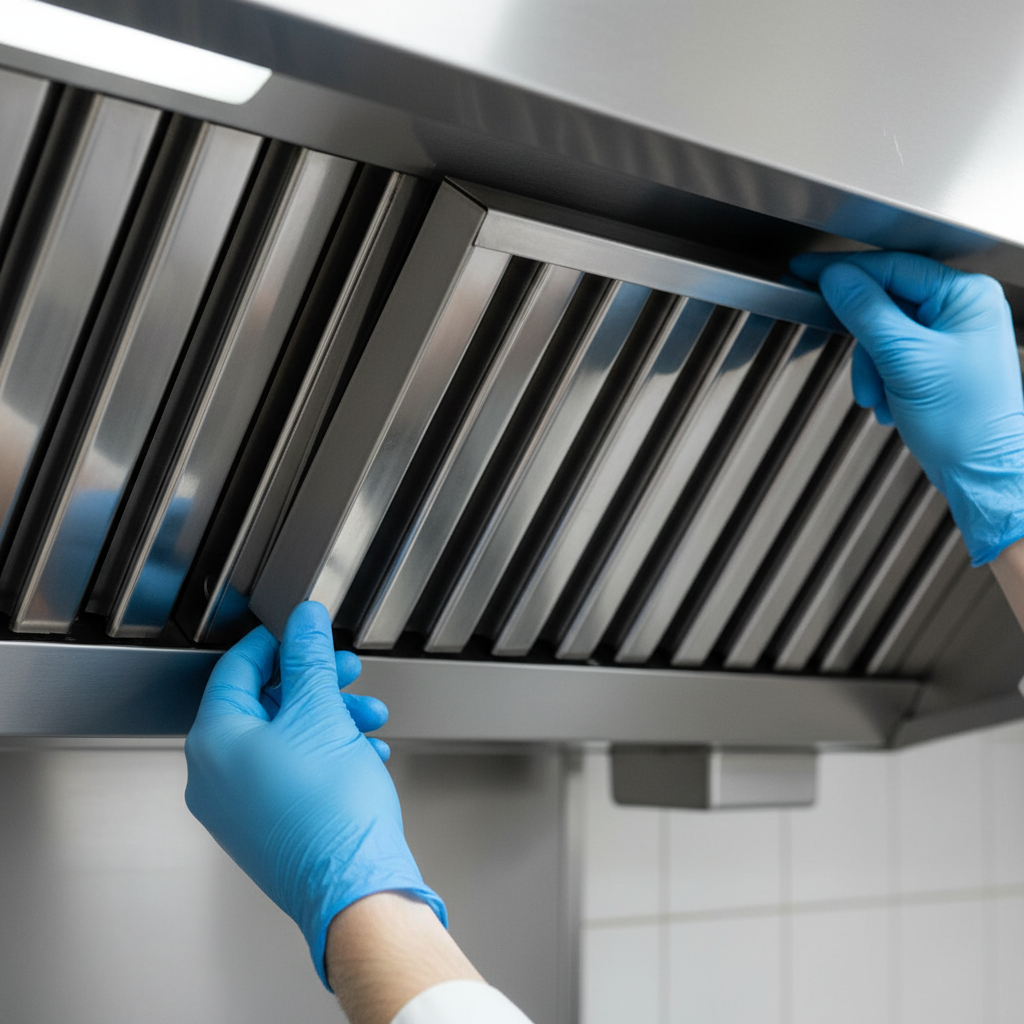
- Filter Cleaning & Exchange: rotating or swapping baffle filters to keep capture velocity high.
- Exhaust Fan Service: cleaning housings, aligning/renewing belts, inspecting bearings, and verifying rotation.
- Grease Trap Service: pumping/cleaning to cut odors and prevent backflow that affects BOH air.
- Equipment Cleaning: degreasing ovens, grills, and ranges so they run cooler and aerosolize less oil.
- Power Washing (BOH/Exterior): reducing dust and grease film migration from loading docks and alleys.
Maintenance Frequency Table (General Guidance)
| Operation Type | Typical Output | Suggested Hood/Duct/Fan Cleaning Cadence | Filter Rotation | Trap Service |
|---|---|---|---|---|
| High-temp frying/char | Heavy grease load | More frequent, NFPA 96–aligned | Multiple times/week | Firm recurring schedule |
| Mixed menu (saute/bake) | Moderate grease load | Regular, based on output | Weekly or biweekly | Recurring |
| Light-duty cooking | Lower grease load | Scheduled per inspection | Biweekly or monthly | Scheduled |
Align cadence to menu, volume, and inspection feedback. For cleaning interval strategy, our hood cleaning frequency guide provides more detail.
Best Practices That Hold Up Under Pressure
- Rotate filters: keep a labeled, dry set ready after dish to avoid wet-filter airflow losses.
- Protect capture zones: no bus pans, trays, or decor within a few inches of the hood intake.
- Degrease appliances: less residual oil = less aerosolization and odor carryover.
- Log conditions: use a weekly checklist with photos of hood interiors, fan housings, and filter condition.
- Balance seasonally: Ontario’s temperature swings change stack effect; validate exhaust vs. MUA each season.
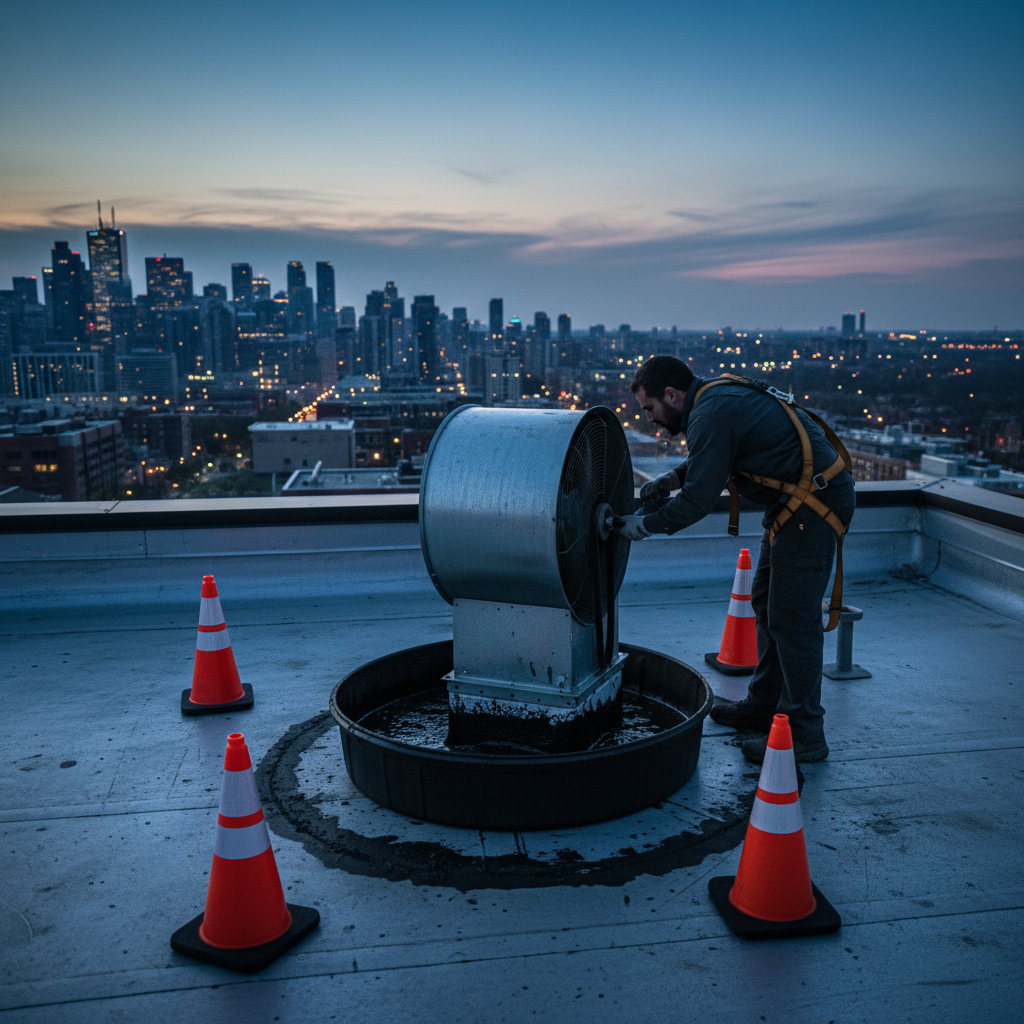
- Roof care: maintain grease containment to protect roofing and prevent re-entrainment of fumes.
- Train the team: quick daily visual checks catch issues before the dinner rush—especially filters and fan sounds.
- Document for inspections: photo logs and NFPA 96–aligned reports save time when officials visit.
Tools and Resources We Rely On
Our technicians pair training with professional-grade tools to work safely and thoroughly.
- Degreasers + hot water systems: to remove heavy deposits from hoods and ducts.
- Scrapers, rotary brushes, flexible rods: to access lined/unlined duct sections.
- Fan-service kits: belts, pulleys, bearings, and vibration checks that restore design CFM.
- Containment + PPE: rooftop grease containment, floor protection, and WSIB-safe procedures.
- Documentation stack: before/after photos and service logs aligned to NFPA 96 expectations.
For a service overview, see our commercial hood cleaning service page and our NFPA 96 certified approach used across Ontario.
Step-by-Step Fix: From Symptoms to Solutions
When smoke and odors spike during service, use this quick diagnostic to stabilize performance fast.
- Check filters first: confirm correct orientation, dryness, and cleanliness; swap in the ready set if needed.
- Listen to the fan: unusual noise or weak pull suggests belt slippage or bearing wear.
- Inspect the hood throat: visible grease streaks indicate capture/convey issues—schedule a certified clean.
- Test makeup air: feel for door suction or drafts over the line; rebalance may be needed.
- Trace odors: check near the grease trap and floor drains; overdue service often explains lingering smells.
- Photo-document: capture hood interiors, duct access panels, and fan housings for your log.
- Engage certified cleaning: book NFPA 96–aligned hood, duct, and fan cleaning with photo documentation.
- Set cadence: right-size the frequency for menu and output; adjust after seasonal changes or menu revamps.
Need help tonight? We’re NFPA 96 certified and WSIB insured, serving kitchens all over Ontario with rapid response in Southern Ontario. Our portfolio covers kitchen exhaust cleaning, hood and duct cleaning, filter cleaning & exchange, grease trap service, fan belt replacement, and equipment cleaning—scheduled around your hours, 24/7.
Local Tips
- Tip 1: Locations near the 401 and QEW corridors face heat and traffic dust spikes—schedule makeup air checks before summer to keep capture performance steady.
- Tip 2: Ontario humidity surges in late spring; fully dry baffle filters after dish to avoid mildew odors and airflow losses.
- Tip 3: Late-night operations run best with 2–6 a.m. service windows—our 24/7 crews work safely around your peak hours.
IMPORTANT: These tips complement our certified hood, duct, exhaust fan, and grease trap services delivered across Ontario with quick response in the south.
Case Studies: Ontario Kitchens That Breathe Easier
1) Southern Ontario Fried-Chicken Chain (High-Volume Fryers)
- Symptoms: smoke spillover at peak hours, eye irritation, and recurring odor complaints.
- Findings: clogged baffle filters, heavy duct grease, and a loose fan belt reducing airflow.
- Actions: full hood/duct/fan degreasing; filter exchange program; fan belt replacement.
- Results: smoke capture restored; odor complaints dropped; staff comfort improved.
2) Downtown Hotel Kitchen (Sauté, Bake, Broil)
- Symptoms: hallway odors near banquet spaces, especially after large events.
- Findings: negative pressure pulled kitchen air into corridors; MUA under-delivering.
- Actions: duct cleaning, coil cleaning, and facilities coordination to rebalance supply vs. exhaust. See our ventilation optimization guidance for similar steps.
- Results: odor migration eliminated; guest complaints tapered off.
3) Institutional Cafeteria (Grill + Fry Mix)
- Symptoms: persistent dish room humidity and smells creeping into the hot line.
- Findings: overdue trap and poor airflow in the dish area.
- Actions: grease trap service, targeted power washing, and filter rotation training for staff.
- Results: odor complaints dropped; dish room felt cooler and less stuffy.
4) Suburban Bistro (Open Kitchen)
- Symptoms: dining room odor carryover after closing.
- Findings: filters reinstalled wet after dish; airflow collapsed during late shifts.
- Actions: created a labeled filter-drying protocol; adjusted cleaning cadence with our frequency recommendations.
- Results: next-day odors vanished; capture remained stable through last orders.
5) Multi-Unit Fast Casual (Grill-Heavy)
- Symptoms: fan vibration and hot line temps above comfort targets.
- Findings: belt glaze and misalignment; grease films in the fan housing.
- Actions: fan cleaning, belt alignment/replacement, and cadence reset. Reinforced NFPA 96 documentation for inspections.
- Results: airflow normalized; line temps dropped; team reported easier shifts.
FAQ
-
How do I know if my kitchen needs immediate exhaust cleaning?
Watch for smoke spillover, persistent odors after close, greasy hood interiors, noisy fans, and door suction. High-output frying or charbroiling ramps buildup quickly. If you’re preparing for inspections, schedule a certified hood, duct, and exhaust fan service with photo documentation.
-
What’s the fastest way to improve air during a dinner rush?
Swap in a clean, dry filter set, verify the exhaust fan is running smoothly, and clear items blocking hood capture. If smoke persists, you likely need NFPA 96–aligned duct and fan cleaning to restore designed airflow.
-
Do grease traps really affect kitchen odors?
Yes. Overdue traps vent sewer gas that migrates to the line and even dining rooms. Regular pumping and cleaning keeps odors in check and avoids plumbing issues that impact air quality.
-
How often should I service hoods and ducts?
Cadence depends on volume and menu. High-temp frying and charbroiling require more frequent cleaning than light-duty operations. We document your conditions and set a schedule aligned with NFPA 96 expectations.
-
Can deep appliance cleaning improve air quality?
Absolutely. Degreased grills, ovens, and ranges aerosolize less oil and run cooler, reducing smoke and heat. It also protects ventilation components by lowering the grease load entering your ducts.
Conclusion + Key Takeaways
- Air quality improvement commercial kitchens begins with source capture and certified cleaning of hoods, ducts, and fans.
- Clean, dry baffle filters plus tuned fans restore designed airflow fast.
- Grease trap service and appliance degreasing stop odors at the source.
- Documented, NFPA 96–aligned maintenance keeps you inspection-ready year-round.
Next steps:
- Run the step-by-step checklist during a slow period this week.
- Schedule a documented hood, duct, and fan cleaning aligned with your menu and volume.
- Set a filter exchange rotation and grease trap service cadence.
- Review Ontario fire safety context in our restaurant fire safety standards explainer and ventilation tips in our system optimization guide.
Ready to breathe easier? Book a 24/7 assessment with Robinhood Cleaners. We serve kitchens all over Ontario with quick response in Southern Ontario and a complete portfolio: kitchen exhaust cleaning, hood and duct cleaning, filter cleaning & exchange, fan belt replacement, equipment cleaning, grease trap service, and power washing.
Related Articles
- Kitchen ventilation balancing checklist for seasonal changes
- Filter rotation SOP: labeling and drying protocols that work
- Grease trap odor troubleshooting for back-of-house teams
- Exhaust fan care: belts, bearings, and vibration basics