Smoke that lingers. Staff coughing near the grill. Hoods that roar but don’t seem to pull. If that sounds familiar, your kitchen isn’t just uncomfortable—it’s vulnerable. Kitchen ventilation system optimization turns that around by tuning airflow, cleaning the full exhaust path, and balancing make-up air so your team can breathe easier and you meet NFPA 96 requirements. In Ontario’s busiest restaurants, this is the difference between smooth service and a service-stopping hazard.
Overview
- Understand what kitchen ventilation system optimization actually covers—beyond basic hood cleaning.
- See why it matters for fire prevention, air quality, food consistency, and inspection readiness.
- Follow a step-by-step optimization process aligned to NFPA 96 and Ontario operations.
- Use checklists, tools, and real-world examples from Robinhood Cleaners’ work across Southern Ontario.
Quick Answer
For kitchens operating All Over Ontario (with quick response in Southern Ontario), kitchen ventilation system optimization means cleaning, balancing, and maintaining the entire exhaust and make-up air path to capture grease and heat at the source. Robinhood Cleaners aligns this work with NFPA 96 and WSIB safety, improving airflow, lowering fire risk, and helping you ace inspections.
What Is Kitchen Ventilation System Optimization?
Optimization goes beyond a shiny hood. It’s a coordinated set of cleaning, tuning, and maintenance actions that restore the designed capture and containment of your system.
- Scope:
- Hoods, grease baffle filters, plenum, ducts, exhaust fans, fan belts, and rooftop housings
- Make-up air units (MAU), tempered air, and air balance to prevent negative pressure
- Grease management, including grease trap service to reduce odors and vaporized grease
- Goals:
- Consistent capture of smoke, steam, and aerosols at the hood edge
- Stable static pressure and proper cubic feet per minute (CFM)
- Lower fire load via thorough grease removal end-to-end
- Compliance with NFPA 96 requirements for commercial cooking operations
- Where Robinhood Cleaners fits:
- Kitchen Exhaust Cleaning, Duct Cleaning, Hood Cleaning
- Filter Cleaning & Exchange and Exhaust Fan Cleaning
- Fan Belt Replacement and Power Washing where appropriate
- Grease Trap Service and Equipment Cleaning for hygiene and airflow support
Why Optimization Matters
When airflow is wrong, problems cascade. Here’s what strong ventilation does for a busy Ontario kitchen.
- Fire prevention: Less grease in ducts and fans equals lower ignition risk and better containment.
- Air quality: Reduced smoke, CO, and aerosols improves staff well-being and retention.
- Food consistency: Stable temperatures around fryers and grills reduce hot/cold spots.
- Energy efficiency: Balanced make-up air lowers conditioned air loss and fan strain.
- Inspection readiness: NFPA 96 compliance and documentation streamline health and fire inspections.
- Less downtime: Preventive cleaning of fans, belts, and ducts avoids surprise failures in peak hours.
Want the compliance angle in one place? See our Ontario-focused guidance on NFPA 96 compliance requirements and a practical Ontario playbook for restaurant teams.
How Kitchen Ventilation Works
Great systems remove heat and grease before they spread. The basics stay the same whether you’re near the QEW, Highway 401, or downtown service corridors.
- Capture and containment: Hoods must “capture” rising plumes and “contain” them until filters and ducts do the rest.
- Baffle filters: Slats force air to change direction, dropping grease into trays before ducts carry the air out.
- Ducts and static pressure: Clean ducts keep static pressure within design range so fans move rated CFM without strain.
- Exhaust fans: Blowers and belts do the heavy lifting; grease on blades or loose belts can cut performance in half.
- Make-up air: Fresh air replaces what you exhaust so doors don’t slam shut and smoke doesn’t backdraft.
- Controls: Demand-controlled ventilation (DCV) ramps fans up/down based on heat and smoke, saving energy and wear.
Types, Methods, and Approaches
Optimization is a mix of cleaning protocols and airflow adjustments. Here’s a practical menu.
Cleaning-Driven Performance Gains
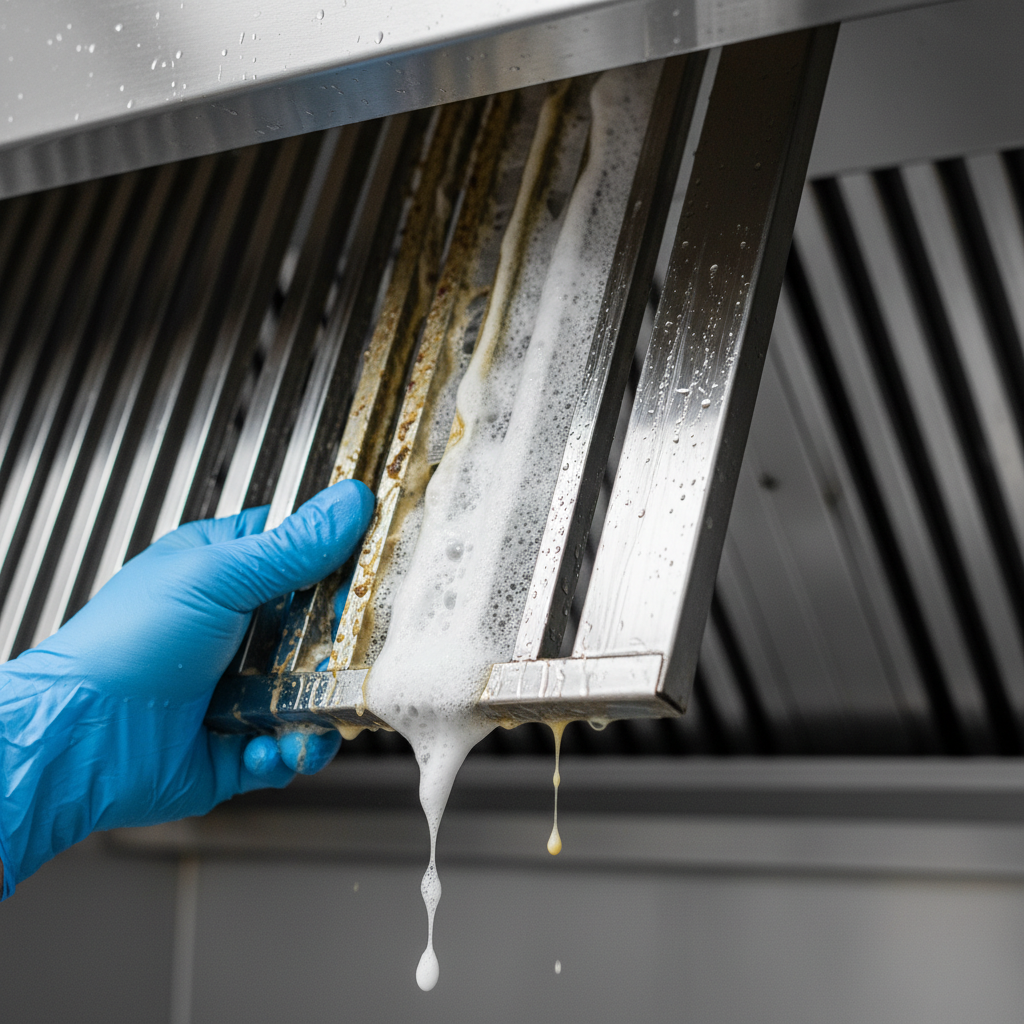
- Hood degreasing: Restores capture and removes flammable residue at the source.
- Duct cleaning: Reduces static pressure and fire load along vertical and horizontal runs.
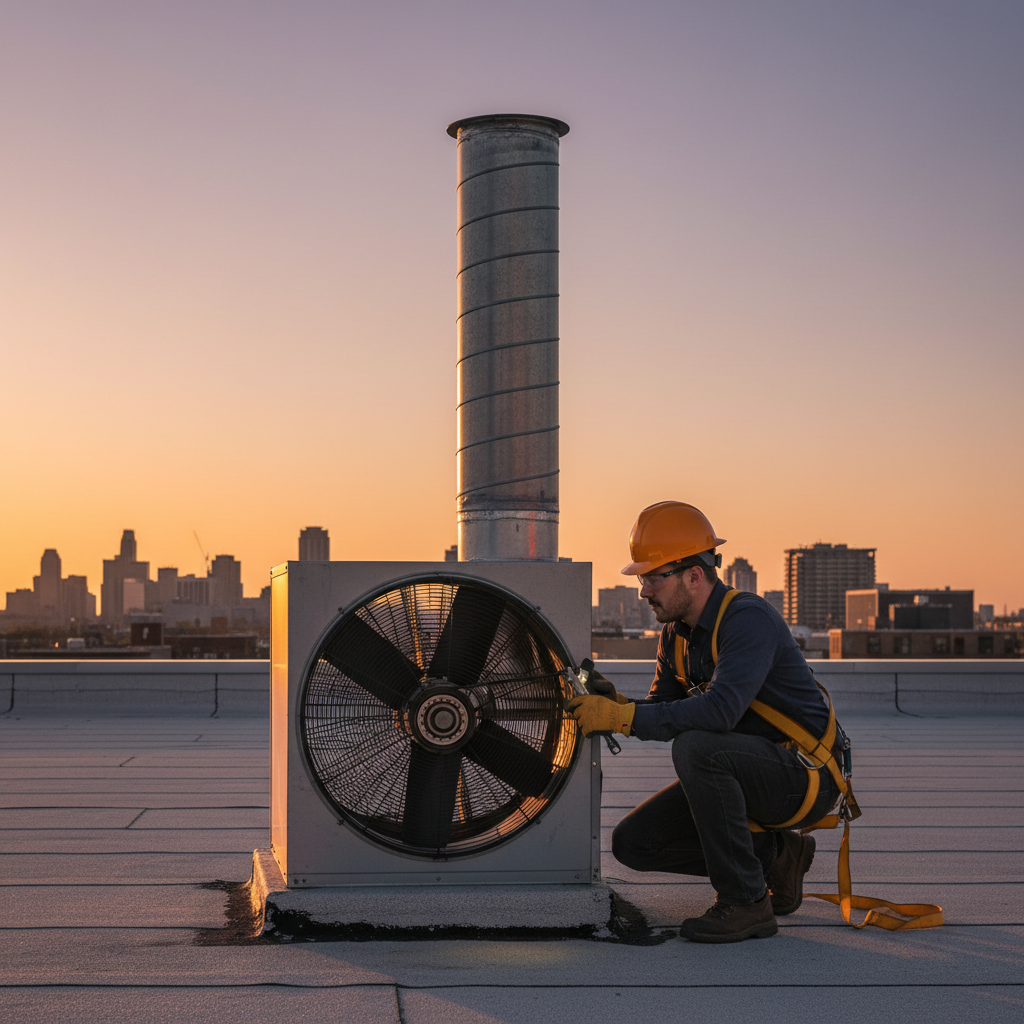
- Exhaust fan cleaning: Clears blades and housings; performance rebounds immediately.
- Filter cleaning & exchange: Swapping clogged baffles for clean units stabilizes airflow fast.
Air Balance and Mechanical Tuning
- Verify CFM: Measure at design points; adjust fan speeds carefully within manufacturer limits.
- Check static pressure: Use a manometer at clean vs. loaded conditions to set maintenance triggers.
- Fan belt replacement: Replace worn belts; tension to spec so RPM matches design.
- Make-up air tempering: Confirm temperature and volume to avoid drafts and negative pressure.
Controls and Scheduling
- Demand-controlled ventilation: Sensor-based control keeps capture steady and reduces runtime.
- Seasonal setpoints: Adjust for Ontario winters and humid summers to keep comfort consistent.
- Cleaning cadence: Align intervals to grease load, menu, and hours (not just the calendar).
Best Practices (Field-Tested in Ontario Kitchens)
Use these as a quick checklist to keep capture and containment reliable.
- Keep baffles clean: Treat filters like consumables; rotate, clean, or exchange weekly in high-load kitchens.
- Clean the full path: Hood → plenum → ducts → fan → rooftop. Partial cleaning hides risk elsewhere.
- Inspect fan belts: Replace at the first sign of glazing or fray; label install dates on housings.
- Confirm make-up air: Match exhaust volume to MAU delivery to prevent smoky dining rooms.
- Proof of service: Maintain NFPA 96 documentation with service dates and technician sign-off.
- Grease containment on roof: Ensure rooftop grease boxes aren’t overflowing after busy weekends.
- Seal the envelope: Fix gaps around hoods and wall penetrations to stop bypass and leakage.
- Calibrate seasonally: Re-check air balance before patio season and again before winter.
- Train line leads: Show simple checks—filter seating, tray emptying, belt glance, fan noise.
- Use food-safe degreasers: Match products to surfaces; rinse zones thoroughly to avoid fumes.
- Pair cleaning with inspection: Every service should end with photos and airflow notes.
- Plan for access: Install access panels on long duct runs so cleaning reaches every elbow.
Need a frequency guide? Our hood cleaning frequency overview outlines intervals tied to menu and hours.
Kitchen Ventilation System Optimization: Step-by-Step
This process blends cleaning actions from Robinhood Cleaners with simple in-house checks. Use it as your standard operating sequence.
- Document current state:
- Collect photos of hoods, filters, ducts, fans, and roof grease containment.
- Note odors, visible haze, hot spots on the line, and any backdraft at doors.
- Record prior NFPA 96 service tags and dates.
- Clean the capture zone (Hood Cleaning):
- Degrease canopy, plenum, and seams; verify hood lights and seals.
- Seat filters tightly; replace missing drain plugs and clean trays.
- Exchange or deep-clean filters (Filter Cleaning & Exchange):
- Swap clogged baffles with ready-to-go clean units to restore pressure.
- Schedule an exchange cycle matched to your grease load.
- Open and clean ducts (Duct Cleaning):
- Use approved access panels; degrease elbows and long horizontals thoroughly.
- Confirm no pooling of residue in low points.
- Service exhaust fans (Fan Cleaning + Belt Replacement):
- Remove grease from blades, housings, and spark arrestors; check bearings.
- Install new belts and tension to manufacturer specs; verify RPM.
- Verify rooftop containment:
- Empty and reset grease boxes; add absorbent pads as needed for busy weekends.
- Inspect roof membrane for staining to prevent leaks and fines.
- Balance make-up air (MAU):
- Confirm supply volume ≈ exhaust volume; adjust diffusers to eliminate drafts on the line.
- Check tempering so incoming air doesn’t shock staff in winter or feel muggy in summer.
- Measure performance:
- Spot-check CFM and static pressure; log clean baseline numbers.
- Set grease-loading triggers (pressure rise) that signal the next cleaning.
- Optimize controls:
- Align fan speeds and DCV setpoints to match peak and off-peak cooking loads.
- Enable night setback to cut unnecessary runtime while keeping the space safe.
- Closeout and train:
- Review photos, tags, and a brief log with your line leads.
- Show simple daily checks—filter seating, tray emptying, and “ears-on” for belt squeal.
Process Snapshot Table
| Area | Optimization Action | Impact | Typical Frequency | Who Handles |
|---|---|---|---|---|
| Hood & Plenum | Degrease, seal checks | Capture & hygiene | Monthly–Quarterly (load-based) | Robinhood Cleaners |
| Filters | Rotate/clean/exchange | Stable airflow | Weekly–Biweekly | Staff + Robinhood |
| Ducts | Full-path degreasing | Fire load reduction | Quarterly–Semiannual | Robinhood Cleaners |
| Exhaust Fans | Blade clean + belt set | Peak CFM restored | Quarterly | Robinhood Cleaners |
| Make-Up Air | Volume/temperature tune | Comfort & balance | Seasonal | HVAC + Robinhood |
Tools and Resources
Simple instruments and the right partners keep your numbers honest and your kitchen safe.
- Anemometer: Quick CFM checks at hood face and diffusers.
- Manometer: Static pressure readings to set grease-load triggers.
- Infrared thermometer: Tracks comfort around grills and fryers.
- Photo documentation: Before/after images to prove cleaning depth.
- Service tags & logs: NFPA 96 audit trail for inspectors.
- Cleaning partner: NFPA 96 certified, WSIB insured professionals to handle the full path.
For a deeper dive into certified service expectations, review this overview of NFPA 96 certified hood cleaning and how it ties to ventilation performance.
Case Studies and Examples (Ontario)
These mini-scenarios mirror common challenges Robinhood Cleaners solves across Southern Ontario.
- QEW corridor burger concept:
- Symptoms: Door backdrafts, greasy haze during double rush.
- Actions: Duct cleaning, filter exchange, fan belt replacement, MAU balancing.
- Result: Clear capture at the hood edge; doors stay neutral, less smoke spill.
- Hotel kitchen near Pearson:
- Symptoms: Uneven temps on the line; louder-than-usual exhaust fan.
- Actions: Exhaust fan cleaning, rooftop grease containment reset, seasonal setpoint tune.
- Result: Quieter operation, steadier temps, better guest experience at breakfast.
- Institutional kitchen in Niagara region:
- Symptoms: Frequent inspector notes on grease near duct elbows.
- Actions: Access panel installation, deep duct cleaning, documentation improvements.
- Result: Clean re-inspection; maintenance interval set by measured pressure rise.
Local Tips
- Tip 1: If your site borders the QEW or Highway 401, schedule rooftop fan service before long weekends; wind and debris can load grease boxes faster.
- Tip 2: Ontario winters make make-up air feel cold. Temper MAU supply ahead of polar vortex weeks so doors don’t freeze open and staff stays comfortable.
- Tip 3: For late-night service in downtown corridors, coordinate 24/7 access so Robinhood Cleaners can deep-clean ducts and fans without disrupting dinner rush.
IMPORTANT: These fit Robinhood Cleaners’ NFPA 96 certified, WSIB-insured approach and mobile service model across Southern Ontario.
FAQ
- How do I know my kitchen needs ventilation optimization?
- Watch for smoke spill at the hood edge, strong odors, hot spots, and door backdrafts.
- Check filters that load up quickly or greasy residue near duct access panels.
- If fans are louder than normal or belts squeal, airflow may be off-spec.
- Is cleaning alone enough, or do I need air balancing too?
- Cleaning restores capacity; balancing ensures the air moves where it should.
- Most high-load kitchens need both to keep capture and comfort stable.
- What documentation should I keep for inspections?
- Service logs with NFPA 96 tags, before/after photos, and noted static pressure readings.
- Any access panel installs and rooftop containment maintenance records.
- How often should filters be cleaned or exchanged?
- Heavy fry/grill menus often need weekly rotation; lighter loads may go biweekly.
- If static pressure rises sooner than scheduled, tighten the cadence.
- Can optimization reduce utility use?
- Yes. Clean ducts and fans reduce motor strain; DCV cuts runtime when loads are low.
- Balanced make-up air lessens conditioned air loss from the dining room.
Conclusion
- Optimization protects people and property: Lower fire risk, cleaner air, fewer breakdowns.
- It’s a system, not a single task: Hood, filters, ducts, fans, belts, and make-up air must work together.
- Clean + balance + document: That trio keeps you compliant and inspection-ready.
- Local-ready scheduling: Robinhood Cleaners supports 24/7 service with quick response in Southern Ontario.
Key Takeaways
- Kitchen ventilation system optimization starts with full-path cleaning and ends with measured air balance.
- Filter exchanges, fan belt replacement, and MAU tuning keep capture steady during rushes.
- Seasonal checks in Ontario prevent winter drafts and summer humidity from derailing comfort.
- NFPA 96 documentation plus photos make inspections smoother and faster.
Related Articles
- Kitchen fire safety checklists for Ontario restaurants
- How to set a hood cleaning schedule by menu type
- Rooftop grease containment: what to look for weekly
Want a quick safety refresher framed around risk? Review common warning signs your system might be overloaded in this plain-language rundown on restaurant exhaust system fire risk. Pair that with our internal guide to Ontario restaurant fire safety standards to align your team on prevention.