Fire moves fast. Grease moves faster. If you operate a busy line, you already know how quickly buildup can turn a normal service into a risk. This complete guide breaks down NFPA 96 compliance requirements restaurants must follow—what the standard covers, how to meet it day to day, and how Robinhood Cleaners helps Ontario kitchens stay safe, inspection-ready, and open for business.
- Understand what NFPA 96 is and how it applies to your cooking operations.
- See the exact, step-by-step tasks for hoods, ducts, fans, and grease control.
- Align cleaning frequencies to your menu and volume (solid fuel, high-grease, low-grease).
- Use checklists, logs, and proof-of-performance practices that satisfy inspectors.
- Local context: what Ontario restaurants should prepare for in seasonal peaks and inspections.
Quick Answer
For kitchens across All Over Ontario at All Over Ontario, NFPA 96 compliance requirements for restaurants focus on removing grease from hoods, ducts, exhaust fans, and filters on a set cadence, documenting each service, and maintaining safe equipment. Robinhood Cleaners is NFPA 96 certified and WSIB insured, providing 24/7 commercial kitchen cleaning that keeps you inspection-ready and reduces fire hazards.
Summary
- NFPA 96 is the fire code standard governing ventilation and grease removal for commercial cooking.
- Compliance requires scheduled cleaning, proper access panels, fire-safe clearances, and documentation.
- Cleaning frequency depends on cooking volume and fuel type—monthly to semiannually in most cases.
- Proof-of-performance matters: before/after photos, service tags, and signed reports satisfy inspectors.
- Robinhood Cleaners delivers certified kitchen exhaust cleaning, hood and duct cleaning, exhaust fan service, filter cleaning & exchange, and grease trap service across Ontario, with quick response in Southern Ontario.
What Is NFPA 96?
NFPA 96 is the National Fire Protection Association’s standard for ventilation control and fire protection of commercial cooking operations. It lays out how to design, install, operate, inspect, and clean kitchen ventilation systems to control grease-laden vapors and prevent fires.
- Scope: Hoods, grease removal devices, ducts, fans, and auxiliary equipment that handle grease-laden vapors.
- Applies to: Restaurants, hotels, catering facilities, food trucks, institutional kitchens, and any commercial cooking that produces grease.
- Key objectives:
- Limit grease accumulation that fuels flash fires.
- Ensure systems can be safely serviced end-to-end (access panels, clearances).
- Integrate fire suppression and safe exhaust discharge.
- Evidence of compliance: Service tags, cleaning certificates, logs, and photographs that verify the full system—hood to rooftop—was properly cleaned.
Why NFPA 96 Compliance Matters
- Fire risk reduction: Grease in ducts burns hot and spreads fast. Removing it interrupts the fire path.
- Regulatory alignment: Health inspectors and fire officials look for clear NFPA 96 adherence.
- Insurance readiness: Carriers often require documentation that cleaning meets NFPA 96 cadence and scope.
- Air quality and morale: Clean ventilation improves makeup air balance, reduces odors, and supports staff health.
- Equipment life: Fans, belts, and bearings last longer when grease and load are under control.
Here’s the thing—most violations stem from the same problems: missing access doors, skipped ducts, neglected rooftops, or outdated logs. A consistent, verifiable program solves all four.
How NFPA 96 Works in Practice
NFPA 96 compliance requirements for restaurants translate into clear operating and cleaning procedures tied to your cooking profile.
Core System Elements You Must Maintain
- Hoods and grease removal devices: Baffle filters seated correctly, no gaps, and free of heavy grease.
- Exhaust ducts: Continuous welded steel with code-compliant access doors every change in direction and at intervals for cleaning.
- Exhaust fans: Upblast fans with hinged kits for safe tipping; grease containment to prevent rooftop damage.
- Fire suppression: Serviced on required schedule; actuation points and nozzles unobstructed.
- Makeup air: Balanced to support capture and contain over the entire cooking surface.
Cleaning Frequencies by Cooking Type
Use these general ranges to plan. Your exact schedule should follow inspections, volume, and inspector guidance.
| Cooking Profile | Examples | Typical Grease Load | NFPA 96 Cleaning Cadence (General) |
|---|---|---|---|
| Solid Fuel | Wood/charcoal grill, smoker | Very high | Monthly (often more with heavy volume) |
| High-Volume Frying/Grilling | Fryers, woks, flattops | High | Monthly to Quarterly |
| Moderate Production | Mixed menu, lunch/dinner only | Moderate | Quarterly to Semiannual |
| Low-Grease | Steam, ovens, small saute | Low | Semiannual to Annual |
- Adjust with evidence: If inspections show rapid re-accumulation, increase frequency.
- Document the rationale: Keep a simple log of why your cadence matches your production.
NFPA 96 Compliance Requirements for Restaurants: What to Know
- Accessible system end-to-end: Install access doors on ducts and around fans per code so crews can actually clean the full path.
- Full-length cleaning: Hood, plenum, ducts, fan housing, and rooftop discharge must be cleaned to bare metal where feasible.
- Grease containment: Use rooftop grease containment to protect roofing and prove control.
- Filter program: Wash and rotate baffle filters; replace damaged units immediately.
- Service tagging and logs: Affix a dated sticker near the hood and retain a signed service report with photos.
- Fire suppression clearances: Maintain nozzle placement and keep nozzles unobstructed by oversized filters or add-ons.
- Fan safety: Hinged upblast fans with hold-open devices and flexible wiring to allow safe tipping for cleaning.
- Grease trap hygiene: Maintain traps to reduce drain fires and odors; keep pumping records.
Step-by-Step: An NFPA 96 Cleaning That Passes Inspection
Use this practical sequence to align your team and vendors. It reflects how Robinhood Cleaners executes a certified service.
1) Prep and Protection
- Cover equipment, floors, and nearby surfaces with fire-resistant sheeting.
- Shut down gas/electric to affected appliances as needed; isolate suppression.
- Verify access doors along ducts and confirm rooftop access is safe and clear.
2) Filter Cleaning & Exchange
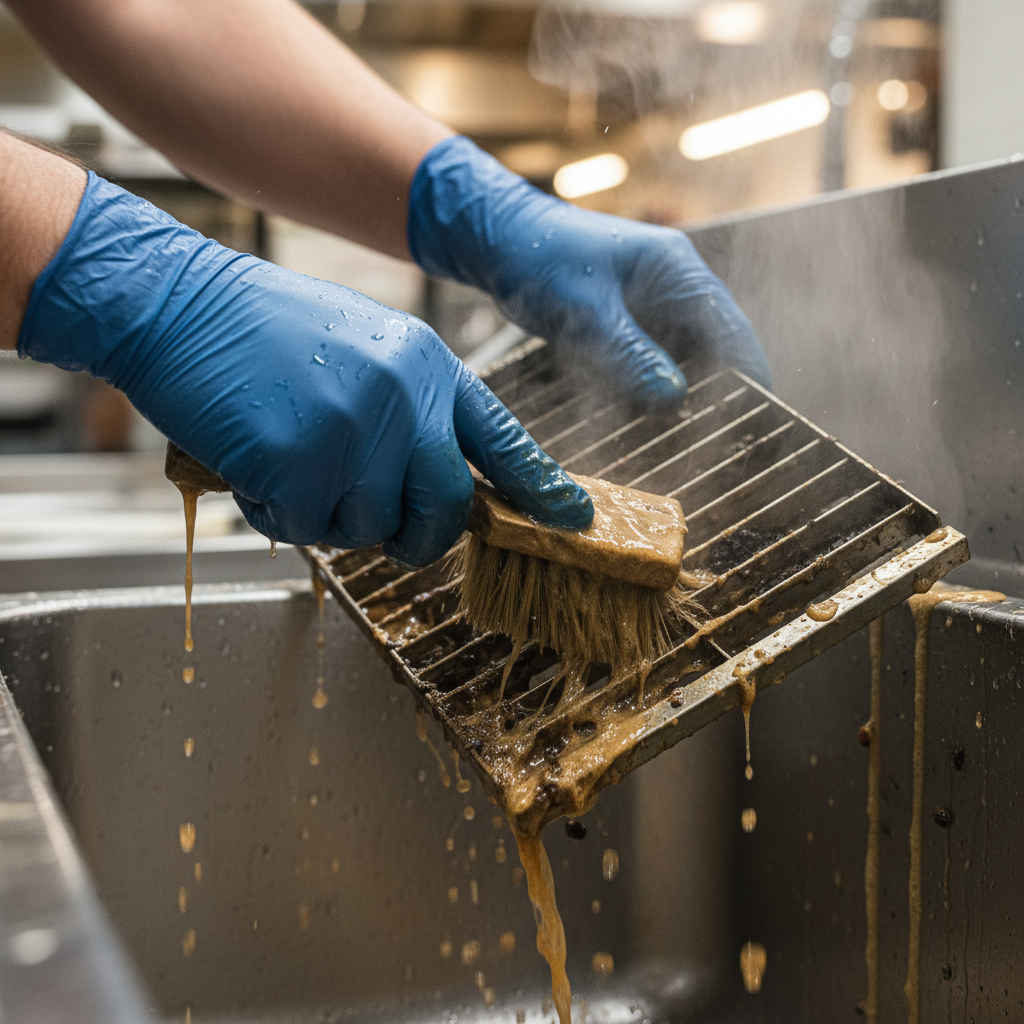
- Remove baffle filters; pre-scrape heavy grease into a containment bin.
- Soak in hot degreaser; rinse and dry; swap with clean spares to avoid downtime.
- Inspect for dents, warping, or gaps that reduce capture efficiency.
3) Hood and Plenum Degreasing
- Apply food-safe degreasers; agitate and scrape to bare metal where feasible.
- Clean light fixtures, fire suppression nozzles, and rails without dislodging components.
- Wipe and polish stainless to restore reflectivity and easier future cleanings.
4) Duct Cleaning
- Open access doors; brush and rinse ducts from hood to fan, including elbows and risers.
- Use controlled hot-water rinsing; collect and dispose of wastewater responsibly.
- Photograph interiors before/after to document bare-metal results.
5) Exhaust Fan Service
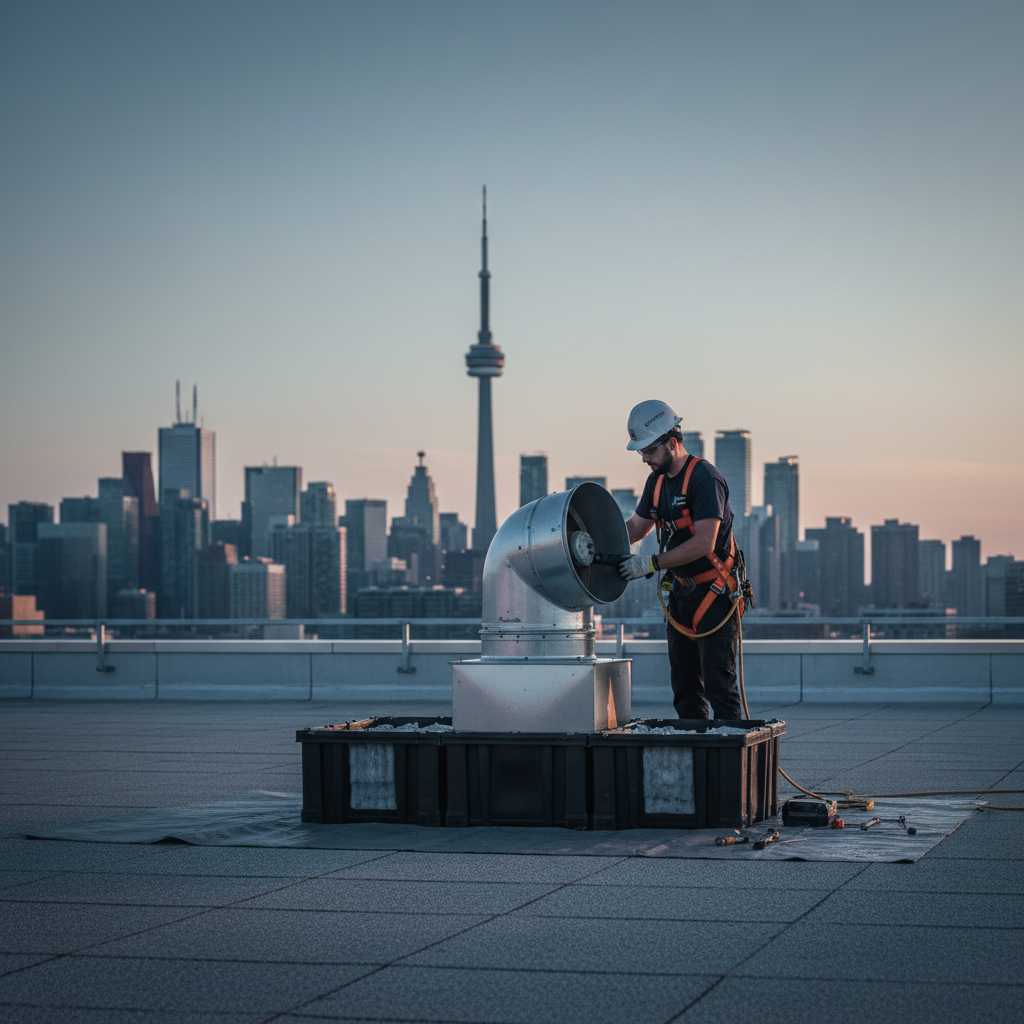
- Tip fan safely using hinged kit; protect wiring; clean blades, housings, and discharge.
- Check belts and bearings; replace fan belts that show glazing, cracking, or slack.
- Verify rooftop grease containment is seated and functioning.
6) System Reassembly and Test
- Reinstall filters; reseat access doors; test fan operation and airflow.
- Remove sheeting; do a complete wipe-down of surrounding equipment.
- Apply service tag/sticker with date, crew, and next recommended service window.
7) Reporting and Compliance File
- Deliver a signed report with timestamps and before/after photos.
- Record cleaning agents used and any corrective actions completed or recommended.
- File the report on-site with health and safety records for quick inspector access.
Types of Commercial Kitchens and What Changes
Your menu and volume shape your NFPA 96 program. Here’s how different kitchens adapt.
- High-volume quick service: Multiple fryers and flattops run long hours; plan monthly hood/duct/fan cleaning and weekly filter washing.
- Solid-fuel barbecue: Add soot and creosote risk; use spark arrestors and consider biweekly inspections.
- Hotel or institutional: Several hoods across banquets and cafeterias; stagger service windows and standardize log formats.
- Catering/commissary: Spiky production cycles; schedule intensive cleaning after peak runs to reset the system.
- Food truck/ghost kitchen: Compact systems; ensure access doors and rooftop components are serviceable and safe.
Best Practices That Make Inspections Easy
- Standardize your filter routine: Assign days for filter washing; keep labeled backup sets.
- Post the last service tag near eye level: Inspectors spot it immediately; it sets a positive tone.
- Photographic proof: Keep a rolling album of before/after images by hood and duct section.
- Grease trap calendar: Track pumping/cleaning; odors and backups are avoidable with cadence.
- Train line staff: Short huddle on overflow events (oil boil-overs) and whom to call 24/7.
- Coordinate with suppression vendor: Align kitchen exhaust cleaning with suppression inspections when possible.
- Rooftop check-ins: Log rooftop grease containment and roof condition quarterly.
Tools and Resources You Can Use Today
- Checklists: Pre/post-cleaning, filter rotation, rooftop review, and documentation templates.
- Service logs: Simple binder or shared drive folder with reports and photos.
- Access door map: Diagram your duct runs and access points for faster service and proof of reach.
- Emergency contacts: Post a 24/7 number for immediate cleanup after grease incidents.
- Vendor alignment: Work with NFPA 96 certified cleaners and WSIB insured crews for safety and accountability.
Need a reference on cadence? See our internal rundown on hood cleaning frequency and use it to calibrate your schedule with inspection findings.
Local Tips
- Tip 1: If your kitchen is off Highway 401 or the QEW, plan services after the dinner rush to avoid traffic delays and minimize downtime—our mobile crews cover Southern Ontario quickly.
- Tip 2: Winter in Ontario means icy rooftops and early sunsets. Schedule rooftop fan service earlier in the day and confirm safe access in freezing conditions.
- Tip 3: During summer festival season, volume spikes accelerate grease buildup. Add a mid-season hood and duct check to keep capture and contain performance strong.
IMPORTANT: These tips reflect Robinhood Cleaners’ 24/7 service model and quick response across Southern Ontario.
Mini Case Insights (Ontario Kitchens)
- Multi-unit burger concept (GTA): Monthly exhaust cleaning plus weekly filter exchanges reduced grease alarms; inspection cycle moved from reactive to routine.
- Wood-fired pizzeria (Niagara corridor): Added spark arrestor maintenance and biweekly soot checks; improved hood capture reduced smoke in dining room.
- Hotel banquet kitchen (Waterloo region): Standardized logs and synchronized suppression and hood service windows across three hoods—passed inspection in under 20 minutes.
Common Pitfalls and How to Avoid Them
- Partial cleaning: Only the visible hood gets attention. Ensure ducts, risers, and rooftop discharge are cleaned to bare metal where feasible.
- No access doors: If cleaners can’t reach elbows, grease remains. Install code-compliant access panels.
- Missing documentation: Keep service reports, photos, and tags in a single, labeled binder.
- Worn fan belts: Replace belts proactively; vibration and noise are early warnings.
- Overflowing grease trap: Establish a pumping cadence; odors and drain issues draw citations.
How Robinhood Cleaners Aligns With NFPA 96
We’re NFPA 96 certified and WSIB insured, serving restaurants and food service operations all over Ontario with fast response in Southern Ontario. Our program is built for compliance and uptime.
- Kitchen Exhaust Cleaning: Full-path hood, plenum, duct, and fan cleaning with before/after documentation.
- Hood & Duct Cleaning: Access door service and degreasing to bare metal where feasible.
- Exhaust Fan Service: Blade cleaning, housing degreasing, and fan belt replacement when needed.
- Filter Cleaning & Exchange: Wash, rotate, and replace damaged baffles.
- Grease Trap Service: Grease control that supports a cleaner line and fewer odors.
- Power Washing & Equipment Cleaning: Surrounding equipment reset post-service for a safer, cleaner workspace.
- 24/7 Emergency Cleaning: On-call response for spills, boil-overs, and pre-inspection resets.
FAQ
-
How often should my restaurant clean the hood, ducts, and fan?
Most high-grease operations clean monthly to quarterly. Solid-fuel systems trend monthly or faster. Low-grease operations may extend to semiannual or annual. We set cadence based on volume, menu, and inspection history. -
What counts as proof of NFPA 96 compliance?
An on-hood service tag, a signed report, and clear before/after photos showing hood, ducts, and fan cleaned to bare metal where feasible. Keep logs and certificates in a labeled binder on-site. -
Do rooftop fans have to be hinged?
Hinged upblast kits allow safe tipping for cleaning and are a common expectation. They also protect wiring and reduce damage during service. -
Can my team handle filter cleaning in-house?
Yes—establish a weekly wash routine, rotate with spare sets, and replace damaged baffles immediately. We provide filter cleaning & exchange so your line never runs short on clean filters. -
What’s the difference between a basic hood wipe and NFPA 96 cleaning?
A wipe addresses visible surfaces. NFPA 96 cleaning includes the entire path—hood, plenum, ducts, fan, and discharge—accessed via code-compliant doors and documented with photos and tags.
Key Takeaways
- Your NFPA 96 program should fit your menu and volume—prove it with logs and photos.
- Full-path cleaning to bare metal where feasible is the standard, not just a shiny hood.
- Filters, fan belts, and rooftop containment are small parts that prevent big problems.
- Keep documents handy—service tag, certificates, and photos make inspections quick.
Next Steps
- Map your hood-to-rooftop system and confirm access doors at all changes in direction.
- Set your cleaning cadence against the table above; increase with evidence of buildup.
- Build a simple binder with tags, logs, and before/after photos.
- Schedule a 24/7 window with an NFPA 96 certified, WSIB insured crew in Southern Ontario.
Want more operational depth? Explore our insights on NFPA 96 certified hood cleaning and how to recognize exhaust system fire risks before they escalate.
Ready to lock in compliance? Book a discovery session in All Over Ontario. We’ll align your documentation, cadence, and service windows so you can focus on great food—not fire code.