Restaurant cleaning services are comprehensive programs that sanitize front-of-house and back-of-house areas to food-safe standards. They include kitchen exhaust, hood and duct degreasing, grease trap care, equipment detailing, and ventilation maintenance. In All Over Ontario, Robinhood Cleaners delivers NFPA 96–aligned service that reduces fire risk, safeguards guests and staff, and supports smooth inspections.
By Robinhood Cleaners • Last updated: 2026-06-24
Above-the-Fold Overview + Table of Contents
This guide explains what restaurant cleaning covers, why it matters for safety and compliance, how services are performed end to end, and which solutions fit different kitchens. Use it to align maintenance with NFPA 96 guidance, streamline inspections, and build a schedule that fits real-world All Over Ontario operations.
Here’s what you’ll find and how to use it quickly.
- What restaurant cleaning includes
- Why cleaning impacts safety, uptime, and reviews
- How professional cleaning works (step-by-step)
- Types of services and methods
- Best practices and compliance
- Tools, products, and resources
- Mini case studies from Ontario kitchens
- Frequently asked questions
- Key takeaways
- Related topics and next steps
Summary
Restaurant cleaning is the backbone of kitchen safety and guest trust. Prioritize exhaust and hood degreasing, grease trap maintenance, filter exchange, and equipment detailing on a predictable cadence. Pair documented reports with NFPA 96 guidance to reduce fire risk, pass inspections, and keep operations running during peak periods.
- Focus on high-risk areas first: hoods, ducts, exhaust fans, and grease traps.
- Use a written schedule tied to cooking volume and menu fats.
- Document every service with before/after photos and checklists.
- Train staff for daily cleaning; bring in professionals for monthly and quarterly tasks.
- Align with local inspection patterns in All Over Ontario.
What Are Restaurant Cleaning Services?
Restaurant cleaning services are professional programs that remove grease, soil, and biofilm from kitchens and dining areas to food-safe standards. They include hood and duct degreasing, exhaust fan care, filter exchange, grease trap pumping, and equipment detailing to reduce fire hazards, improve air quality, and support inspection readiness.
When people search for restaurant cleaning services, they’re usually weighing safety, uptime, and reviews. In our experience across All Over Ontario, the most effective programs split responsibilities between trained staff (daily tasks) and certified pros (periodic deep work) to keep kitchens compliant without disrupting service.
- Core back-of-house: kitchen exhaust cleaning, hood and duct degreasing, exhaust fan cleaning, filter cleaning and exchange, and grease trap service.
- Equipment detailing: ovens, grills, fryers, ranges, refrigeration gaskets, and prep stations; see our equipment cleaning services.
- Facility care: power washing, floors and walls, ceiling vents, and make-up air intakes that affect kitchen air quality.
- Documentation and proof: service tags, photos, and checklists to show readiness during an inspection.
For example, a quick service location with high fryer use needs more frequent hood and grease trap care than a low-volume café. The right program matches cleaning frequency to real cooking loads and the fats used on the line.
Why Restaurant Cleaning Matters
Professional cleaning reduces fire risk, protects air quality, and prevents downtime from failed inspections. Kitchens that pair daily staff cleaning with scheduled professional degreasing and trap service maintain safer equipment, fewer odors, and steadier guest reviews, especially during peak seasons in All Over Ontario.
Here’s why this affects your bottom line and brand:
- Fire safety and NFPA 96 alignment: Grease in hoods, ducts, and fans is a combustible layer. Removing it on a set cadence interrupts ignition paths.
- Inspection readiness: Clear service tags and photo logs reduce friction during visits and help teams answer compliance questions fast. See our applied overview in the Ontario NFPA 96 guide.
- Air quality and comfort: Efficient exhaust and make-up air reduce smoke, heat, and odors, which helps retention on busy lines.
- Guest perception: Clean restrooms, spotless FOH, and odor control earn better reviews and repeat business.
- Equipment longevity: Degreased motors, balanced fans, and clean coils run cooler and last longer.
We’ve found that restaurants with scheduled hood and trap programs see fewer surprise closures. The result is steadier shifts, predictable labor planning, and better guest experiences.
How Restaurant Cleaning Works (End-to-End)
A complete program blends daily staff routines with scheduled professional service. Pros inspect, protect equipment, degrease hoods and ducts, service fans and belts, clean or exchange filters, pump traps, and document results. The outcome is lower fire risk and faster inspections with minimal disruption to service.
Below is a pragmatic step-by-step flow we use for All Over Ontario kitchens.
- Assessment and scheduling: Review cooking volume, menu fats, and hours. Choose monthly, quarterly, or semiannual cycles for exhaust and traps.
- Preparation and protection: Cover equipment, place floor protection and signage, set containment for wastewater, and lockout power as needed.
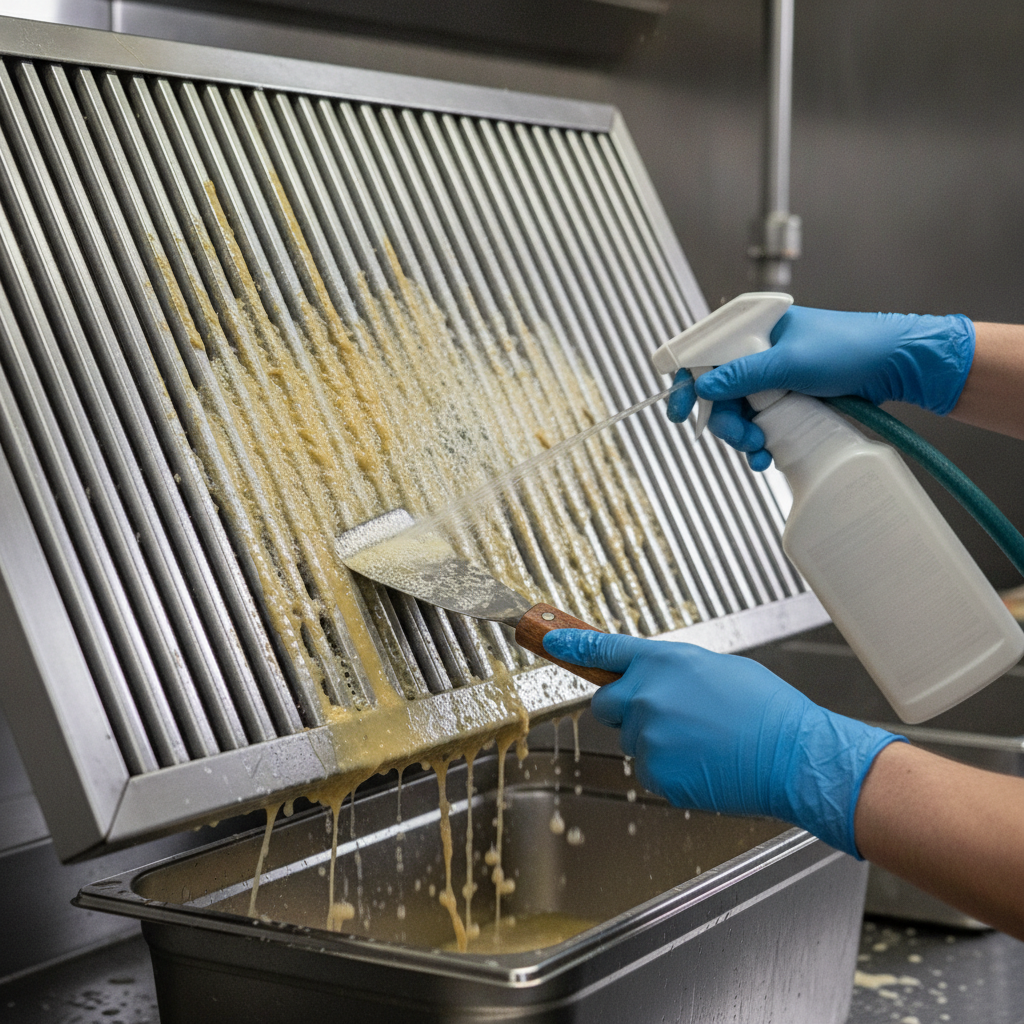
- Hood and duct degreasing: Apply food-safe degreasers, scrape heavy deposits, and rinse; address all accessible ductwork and the hood plenum.
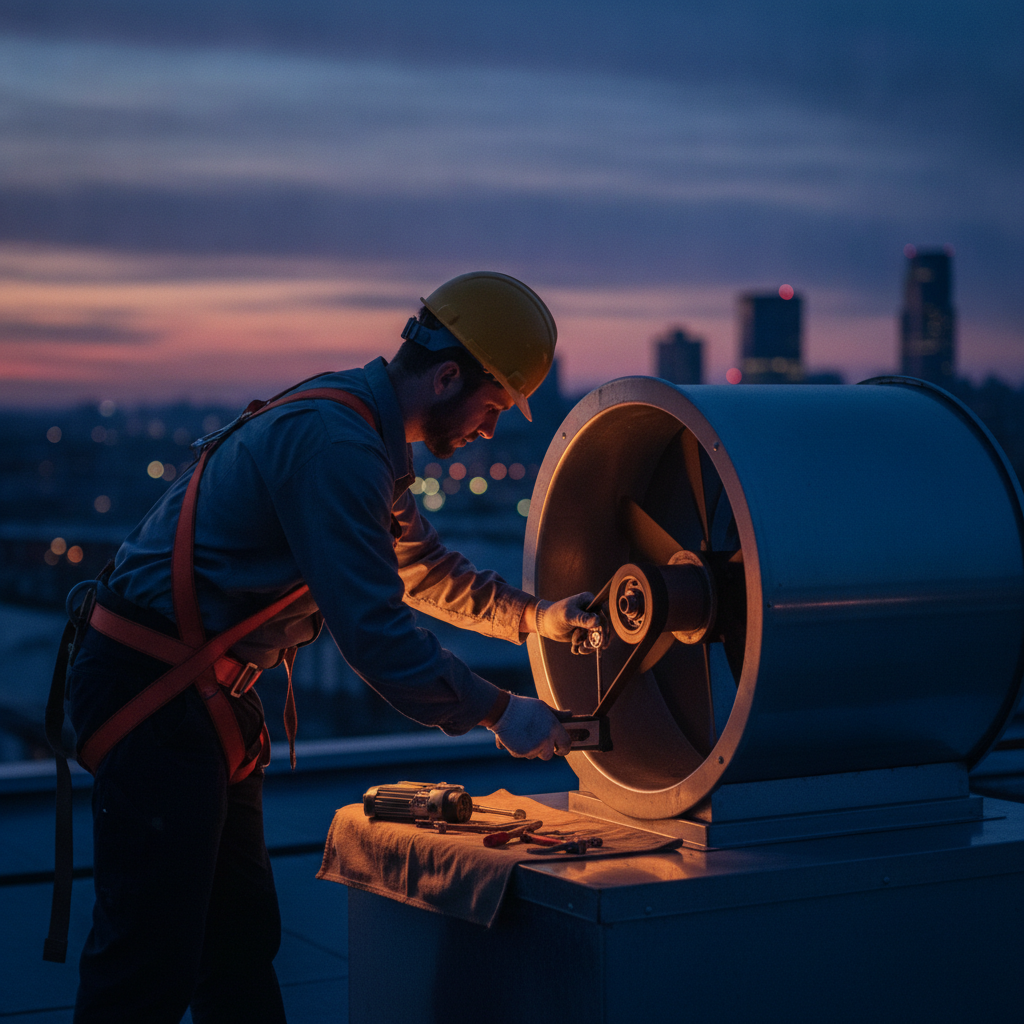
- Exhaust fan service: Clean blades and housing, check bearings, tighten hardware, and verify alignment. Replace worn belts to prevent sudden failures.
- Filter cleaning and exchange: Ultrasonic or hot tank cleaning of baffle filters; swap to clean sets where exchange programs are in place.
- Grease trap maintenance: Pump, skim, and reassemble; verify the 25% “one-quarter full” rule to plan the next interval.
- Equipment detailing: De-grease ovens, fryers, ranges, and refrigeration gaskets; sanitize prep tables and undershelves.
- Power washing and floors: Treat buildup on adjacent surfaces; leave non-slip and drain-aware finishes dry and safe.
- Final QA and documentation: Photos, tags, and a report summarizing work completed and next service date.
Technical tip: plan exhaust service the same night you rotate filters. That saves setup time and ensures the entire air path—from baffles to rooftop—starts clean.
Types of Services, Methods, and Approaches
The best programs mix scheduled degreasing, filter exchange, trap pumping, and equipment detailing. Methods include hot tank degreasing, food-safe foams, steam, power washing, and mechanical scraping. Choose intervals and methods based on volume, menu fats, and your ventilation system’s makeup air balance.
Back-of-house services
- Comprehensive exhaust/hood/duct cleaning: End-to-end degreasing from hood plenum through ducts to fans; see our hood cleaning overview.
- Exhaust fan cleaning and maintenance: Blade and housing cleaning; hardware checks; belt inspection or fan belt replacement when worn.
- Filter cleaning and exchange: Maintain baffles to maximize capture efficiency and reduce duct loading.
- Grease trap service: Pump, inspect baffles, and reseal lids; plan by the 25% rule or by usage patterns.
Equipment detailing methods
- Hot tank degreasing: For removable parts like fryer baskets and grates.
- Food-safe foaming and steam: Penetrate carbonized grease without harsh residues.
- Mechanical scraping: Targeted removal where thick deposits resist chemicals.
- Coil and gasket care: Reduce compressor load and prevent cross-contamination.
Facility and exterior care
- Power washing: Degrease service alleys, pads, and delivery zones that track oil back into kitchens.
- Ventilation system maintenance: Clean ceiling diffusers and make-up air intakes to stabilize room balance.
- Documentation and tagging: Keep inspection-ready evidence where officials expect to see it.
For high-volume fry operations, we often pair quarterly duct and fan service with monthly filter exchange. If rotisserie or solid-fuel cooking is present, move to shorter cycles and add targeted soot removal.
Best Practices and Compliance (NFPA 96, Hygiene, Safety)
Build a written plan that assigns daily tasks to staff and quarterly or semiannual degreasing to certified professionals. Follow the 25% trap rule, tag the hood with service dates, and document photos. Escalate to monthly cycles for solid fuel or very high-volume fryers.
Use this table to shape your baseline schedule; adjust up or down by volume and menu fats.
| Area | Baseline Frequency | Notes |
|---|---|---|
| Hood, ducts, fan | Quarterly (high volume); Semiannual (moderate); Annual (low) | Shorten to monthly if using solid fuel or heavy fry output. |
| Baffle filters | Weekly to monthly; exchange program monthly | Increase frequency if visible grease forms between slats. |
| Grease trap | When FOG reaches ~25% of volume | Track with dipstick; set reminders based on usage. |
| Equipment detailing | Monthly to quarterly | Target ovens, ranges, fryers, refrigeration coils, and gaskets. |
| Make-up air/vents | Quarterly | Dust and grease on diffusers reduces airflow and comfort. |
- Document everything: Time-stamped photos and tags cut minutes from inspection conversations.
- Protect surfaces: Use floor guards and splash containment to avoid slip hazards and overspray.
- Ventilation balance: Keep filters clean and fans tuned so smoke exits and make-up air is adequate.
- Staff training: Teach safe degreaser use, PPE, and what to report (e.g., belt squeal, excess smoke).
Local considerations for All Over Ontario
- Schedule hood and trap service around peak tourist and event seasons so your busiest weeks start with clean air paths and empty traps.
- Plan winter visits earlier in the evening to avoid cold-weather rooftop delays during exhaust fan work.
- Align cleaning windows with delivery days to degrease loading areas that can track oil back into kitchens.
For a practical overview of risk signals that trigger service escalations, review our internal write-up on grease buildup prevention and fire compliance checkpoints.
Tools, Equipment, and Resources We Trust
Effective restaurant cleaning combines food-safe degreasers, hot water or steam, mechanical scrapers, and protective floor systems. For exhausts, we use low-foaming degreasers, adjustable nozzles, and containment. For traps, we rely on calibrated dipsticks and sealing techniques that prevent odors and backflow.
- Degreasing systems: Foaming sprayers for vertical surfaces; hot tank setups for parts.
- Power washing rigs: Adjustable PSI with splash control for alleys and pads.
- Ventilation tools: Fan hinge kits, belt gauges, and safe access hardware.
- Filtration support: Spare baffle sets for exchange programs; labeled racks to track rotations.
- Trap service tools: Dipsticks, sealing gaskets, and odor-control practices.
- Proof and reporting: Photo documentation and tags that align with inspector expectations.
If you need a one-stop overview before you plan scope, start with our restaurant deep cleaning guide and the step-down details in our how to clean a restaurant kitchen article.
Case Studies and Examples (Ontario Kitchens)
Real kitchens show the value: scheduled exhaust service reduces surprise closures, trap maintenance prevents odors, and filter programs stabilize airflow. Across All Over Ontario, we’ve helped quick service, casual dining, and institutional kitchens match cleaning cadence to menu fats and hours without disrupting service.
- Quick service fry line: Filter exchange monthly; exhaust quarterly. Outcome: steadier airflow and fewer “smoke on the line” slowdowns on weekends.
- Full-service grill: Duct and fan service moved from semiannual to quarterly after soot was observed at access panels. Outcome: better capture, cooler line.
- Institutional kitchen: Trap service set to the 25% rule after logs showed rapid FOG accumulation. Outcome: odor control and fewer drain issues.
Teams reported faster inspections once photo logs were added to reports. Managers also noted longer intervals between fan belt changes after routine tension checks were added to rooftop service.
Frequently Asked Questions
Here are concise answers to common questions about restaurant cleaning schedules, scope, and compliance. Use them to plan staff routines and professional service intervals that fit your cooking volume and inspection cadence in All Over Ontario.
How often should hood and duct systems be cleaned?
Base frequency on cooking volume and fuel type. High-volume fry or grill lines tend to need quarterly service; moderate operations run semiannually; low volume can be annual. Solid-fuel systems often move to monthly. Adjust after the first inspection of duct deposits.
What is the 25% grease trap rule?
Clean the trap when fats, oils, and grease (FOG) reach about one-quarter of the trap’s liquid depth. Waiting longer allows FOG to bypass, causing odors and possible drain issues. Track levels with a dipstick log and schedule pumping accordingly.
Do I need photo documentation for inspections?
It’s smart to keep time-stamped before/after photos and a checklist with service dates. Inspectors can verify work quickly, and you’ll have a clear record for insurance and maintenance planning.
Can cleaning be scheduled outside service hours?
Yes. Our team provides 24/7 availability, including overnight work, to avoid service disruption. We coordinate with managers so areas are protected, staff are informed, and the line reopens on time.
Key Takeaways
Tie restaurant cleaning services to cooking volume and risk. Prioritize exhaust and grease management, document everything, and schedule around peak business periods. The result is fewer fire hazards, faster inspections, better guest comfort, and equipment that lasts longer.
- Make exhaust, filters, and traps the backbone of your plan.
- Use the 25% trap rule and a quarterly baseline for high-volume exhausts.
- Document with photos and tags; it speeds up inspections.
- Schedule cleaning during off-hours with a 24/7 partner.
- Reassess intervals after the first full-cycle report.
Related Topics and Next Steps
Build your plan with practical, kitchen-tested resources. Start with deep cleaning scope, then dive into specific systems like hoods, fans, and traps. Align every interval with real cooking loads, not guesses, and keep evidence ready for inspectors.
To design a program tailored to your line and hours, explore these resources on our site and bookmark the ones you need for training and planning:
- Scope your quarterly exhaust work with our complete exhaust cleaning guide.
- Walk through line-by-line routines in restaurant kitchen cleaning services.
- See hood-specific steps in kitchen exhaust hood cleaning.
- Plan equipment detailing using equipment cleaning services.
- When you’re ready, schedule a deep reset with restaurant deep cleaning.
For a broader perspective on risk framing and Ontario operations, you can also review these context pieces: a practical discussion of kitchen exhaust risks (are you at risk?) and an overview of Ontario restaurant protection (kitchen protection).
Conclusion and How to Get Started
Start with a walkthrough, set quarterly targets for high-volume systems, and document everything. Blend staff routines with certified degreasing, trap service, and filter exchange. With 24/7 availability across All Over Ontario, we’ll align service windows to your rushes and reopen the line on time.
- Book a no-obligation walkthrough to map your systems and intervals.
- Confirm access points, rooftop safety, and make-up air requirements.
- Set your baseline schedule; adjust after the first full-cycle report.
- Keep photo logs and tags visible where inspectors expect them.
- Revisit your plan seasonally to match demand and menu changes.
Ready to align safety, comfort, and uptime? Our NFPA 96–aligned team is WSIB insured, detail-obsessed, and available around the clock. Book a discovery session in All Over Ontario and turn compliance into a competitive advantage.