A kitchen exhaust cleaning company is a professional service that removes grease buildup from hoods, ducts, and exhaust fans to lower fire risk and maintain code compliance. In All Over Ontario, Robinhood Cleaners delivers certified hood and duct degreasing, documentation, and 24/7 scheduling so restaurants and institutional kitchens stay safe, open, and inspection-ready.
By Robinhood Cleaners • Last updated: 2026-06-18
Summary
Choose a kitchen exhaust cleaning company that is NFPA 96–trained, fully insured, and able to degrease hoods, ducts, and fans end-to-end. Ask for photo-based reports, service tags, and flexible after-hours availability. In All Over Ontario, 24/7 scheduling and bundled services help kitchens reduce fire risk and downtime.
Use this at-a-glance guide to identify the right partner, understand standards, and plan maintenance without disrupting service. It’s designed for restaurants, food courts, hotels, caterers, and institutional kitchens operating across Ontario.
- What a kitchen exhaust cleaning company actually does
- Why routine hood, duct, and fan degreasing reduces fire risk
- How to vet providers (certifications, insurance, proof of work)
- Service types: filter exchange, fan belt replacement, grease trap cleaning
- Maintenance schedules, inspection checklists, and reporting
- Local considerations for All Over Ontario operations
- What Is a Kitchen Exhaust Cleaning Company?
- Why It Matters: Safety, Compliance, and Air Quality
- How Professional Exhaust Cleaning Works (Step-by-Step)
- Types, Methods, and Approaches
- Choosing the Right Provider in All Over Ontario
- Services You Can Bundle with Robinhood Cleaners
- Maintenance Schedules and Documentation
- Tools, Chemicals, and Safety Resources
- Case Studies and Practical Examples
- FAQ
- Key Takeaways
- Conclusion and Next Steps
What Is a Kitchen Exhaust Cleaning Company?
A kitchen exhaust cleaning company removes grease from commercial hoods, ducts, and rooftop fans to protect against fires and meet health and safety standards. Full-service teams degrease, rinse, and document systems from the hood to the fan, applying NFPA 96–aligned methods and leaving tags and reports for inspections.
In practice, that means degreasing every accessible surface that can collect grease: the hood plenum, baffle filters, vertical and horizontal ductwork, and the exhaust fan assembly. The goal is to prevent ignition sources from contacting combustible residue, while improving airflow and odor control.
- System scope: Hoods, filters, ducts, fans, and access panels.
- End result: Fire risk reduction, better ventilation, and cleaner work areas.
- Proof of work: Before/after photos, service tags, and a compliance report.
- Who uses it: Restaurants, QSRs, hotels, caterers, food courts, and institutions.
For regional operators across Ontario, having a single partner who can service multiple sites and coordinate after-hours work is key to limiting downtime and ensuring consistent standards.
Why It Matters: Safety, Compliance, and Air Quality
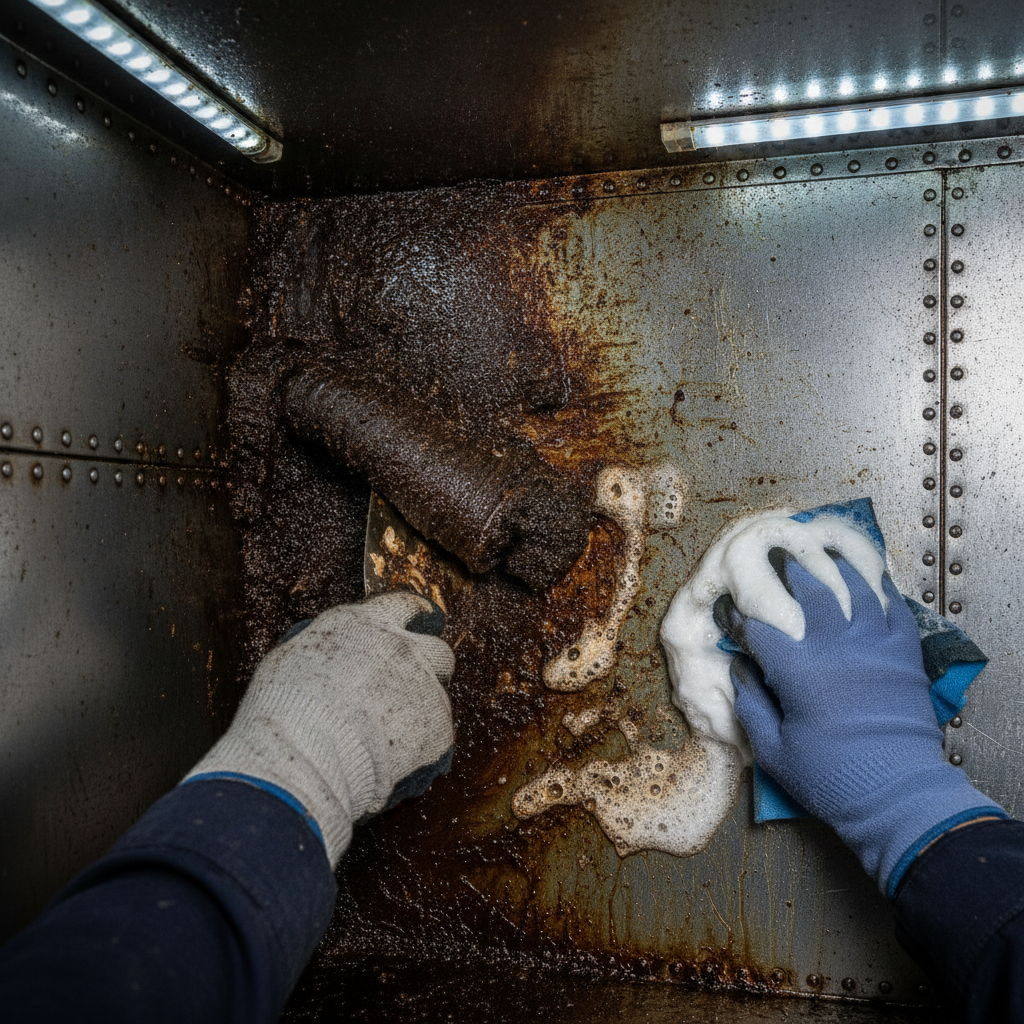
Grease in exhaust systems is combustible; removing it lowers ignition risk, supports code compliance, and improves kitchen air quality. Clean hoods and ducts also stabilize airflow, reduce odors, and protect equipment, which helps operators avoid shutdowns and insurance issues.
Fire hazards rise when grease accumulates in hidden duct runs and fan housings. Routine, professional degreasing interrupts that risk. It also helps satisfy inspections and insurance requirements that expect NFPA 96–aligned maintenance and clear proof of service.
- Safety: Less grease equals lower ignition potential and safer line operations.
- Compliance: Service tags and reports signal that standards are met.
- Air quality: Cleaner exhaust paths maintain capture and containment at the hood.
- Operational uptime: Fewer fan failures and fewer odor complaints mean steadier service.
For additional context on exhaust system maintenance expectations in Ontario, explore our overview of fire code requirements for kitchen exhaust and how documentation supports smoother inspections.
How Professional Exhaust Cleaning Works (Step-by-Step)
Professional crews isolate equipment, protect surfaces, and apply degreaser from the hood to the fan. They scrape, hot-water rinse, and verify airflow paths, then document results with photos and a service tag. Access panels, fan hinges, and rooftop containment protect the roof and improve safety.
While every kitchen is unique, the core method follows a proven sequence that minimizes disruption.
- Site prep: Cover appliances and floors; isolate electrical where required.
- Filter handling: Remove baffle filters for deep cleaning or exchange.
- Hood degreasing: Apply caustic or enzyme degreaser; dwell, scrape, and rinse.
- Duct cleaning: Open access panels; scrape and rinse vertical and horizontal runs.
- Fan service: Secure hinge kit, check belt and bearings, degrease blades and housing.
- Rooftop protection: Deploy containment to prevent runoff and staining.
- Quality check: Verify capture at the hood; check for vibration or noise.
- Reporting: Install service tag; deliver photos and recommendations.
Want a deeper process breakdown? See our commercial kitchen exhaust cleaning services page for visuals and step-by-step examples tailored for Ontario operators.
Types, Methods, and Approaches
Exhaust system cleaning combines mechanical scraping with targeted degreasers and hot-water rinsing. Teams use access panels, hinge kits, and rooftop containment to reach critical surfaces safely. Supplemental services—filter exchange, fan belt replacement, and grease trap cleaning—keep systems balanced.
Different cooking volumes, menus, and ventilation layouts call for the right mix of methods.
- Mechanical scraping: Removes heavy, carbonized grease from ducts and hoods.
- Degreaser chemistry: Caustic or enzyme solutions dissolve residue prior to rinse.
- Hot-water rinse: Pressurized, heated water clears remaining deposits.
- Access optimization: Installing access panels enables full-coverage cleaning.
- Fan hinge kits: Safe fan access; protects wiring and roof during service.
- Rooftop containment: Captures runoff to prevent staining and slip hazards.
- Filter cleaning & exchange: Keep capture efficiency high between deep cleans.
For kitchens struggling with lingering smoke or odors, pairing hood and duct service with exhaust fan maintenance and hood cleaning often restores performance quickly.
Choosing the Right Provider in All Over Ontario
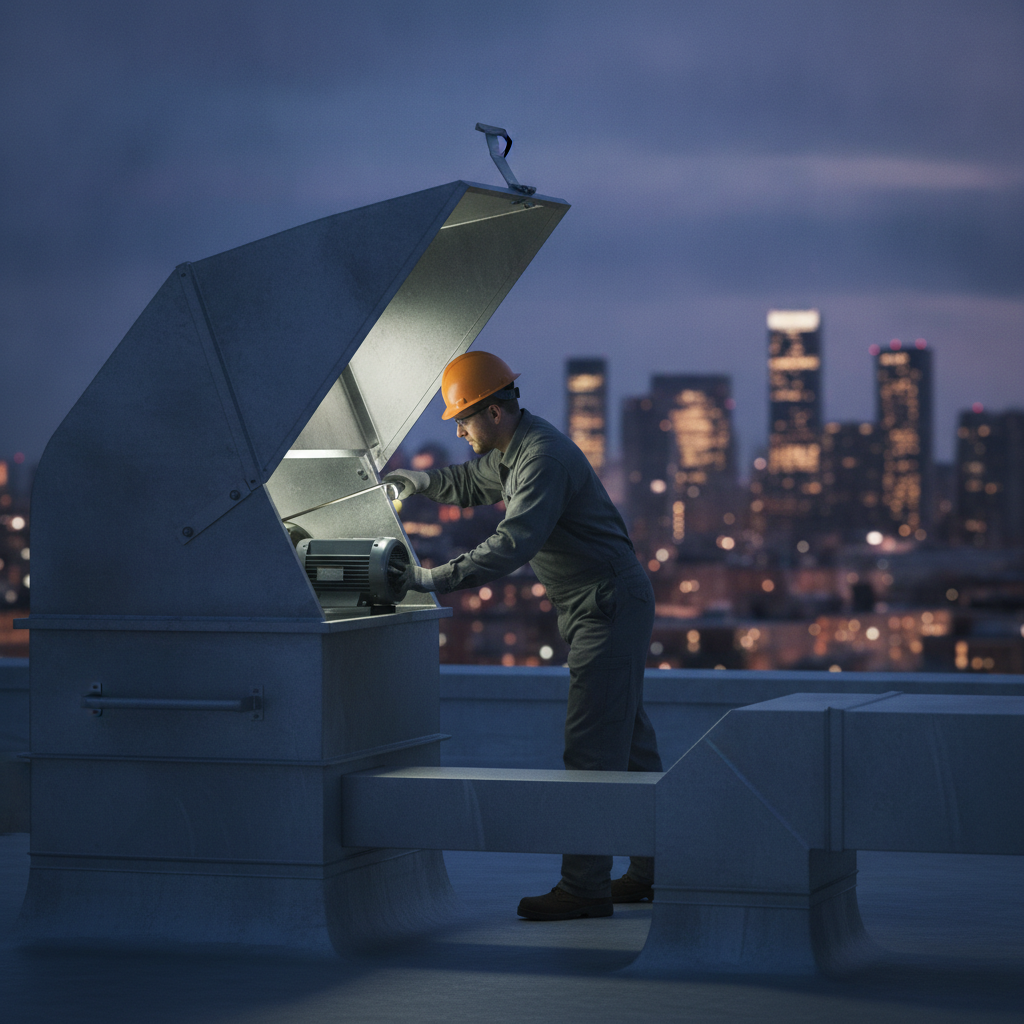
Select a provider with NFPA 96–aligned training, WSIB insurance, and 24/7 availability. Ask for before/after photos, detailed reports, and tags. Verify that they service hoods, ducts, and fans end-to-end and can bundle filter exchange, grease trap cleaning, and fan belt replacement.
Here’s a practical checklist you can use when vetting any kitchen exhaust cleaning company in Ontario.
- Credentials: NFPA 96–aligned training; verifiable insurance (WSIB).
- Scope: Hood, duct, and fan cleaning; rooftop containment; access panel work.
- Documentation: Photo-based reports, digital recommendations, and service tags.
- Scheduling: After-hours, overnight, and 24/7 options to avoid downtime.
- Bundled services: Filter exchange, duct cleaning benefits, and fire hazard reduction.
- References: Experience with restaurants, hotels, food courts, and institutions.
For more on expectations and code alignment, skim our quick guide to kitchen exhaust fire code requirements in Ontario.
Local considerations for All Over Ontario
- Plan deep cleanings after peak seasonal rushes to minimize disruption; overnight slots keep the line open the next day.
- Humidity and winter weather can impact rooftop fan performance—schedule fan belt inspections alongside hood and duct service.
- Multi-site operators benefit from consolidated reporting and tags to streamline inspections across locations.
Services You Can Bundle with Robinhood Cleaners
Robinhood Cleaners offers end-to-end hood, duct, and fan degreasing with filter cleaning and exchange, fan belt replacement, grease trap cleaning, and commercial appliance deep cleaning. One coordinated visit reduces downtime, improves airflow, and keeps Ontario kitchens inspection-ready.
Our team specializes in comprehensive, after-hours service windows that keep your front-of-house running. Bundling services compresses maintenance into fewer visits with better results.
- Kitchen Exhaust Cleaning: Full hood-to-roof degreasing and documentation.
- Filter Cleaning & Exchange: Keep capture efficiency high between deep cleans.
- Fan Belt Replacement: Reduce surprise fan failures and maintain airflow.
- Grease Trap Cleaning: Pumping and maintenance to prevent backups.
- Commercial Appliance Cleaning: Ovens, grills, and refrigeration surfaces.
- Duct Cleaning & Ventilation Maintenance: Airflow optimization and safety checks.
- Power Washing: Surrounding areas returned to a clean, safe state post-service.
See how these services come together on our exhaust cleaning services page and our hood cleaning overview.
Maintenance Schedules and Documentation
Match cleaning frequency to cooking volume. High-volume fryers need more frequent hood and duct service than light-use kitchens. Keep photo reports and tags for inspections, and align filter exchange and fan belt checks with your deep-clean cadence.
Scheduling is about risk management and operational rhythm. The right cadence protects your team, guests, and equipment while keeping inspectors satisfied.
| Kitchen type | Typical volume indicator | Suggested deep-clean cadence | In-between tasks |
|---|---|---|---|
| High-volume fry/grill (QSR, food courts) | Daily heavy grease production | Every 1–3 months | Filter exchange; visual hood checks weekly |
| Full-service restaurants | Mixed menu, steady service | Every 3–6 months | Filter cleaning; wipe hood exteriors nightly |
| Institutions (schools, healthcare) | Predictable schedules; moderate grease | Every 3–6 months | Document tags; coordinate with inspections |
| Low-grease operations | Light sauté, minimal fry | Every 6–12 months | Filter rinse; monitor airflow |
For documentation, keep service tags visible at the hood and file digital reports by site. Consistent records help with insurance and smoother audits. Our quick primer on fire hazard reduction covers what inspectors look for during visits.
Tools, Chemicals, and Safety Resources
Effective exhaust cleaning uses mechanical scrapers, enzyme or caustic degreasers, hot-water rinsing, and proper PPE. Access panels, hinge kits, and rooftop containment ensure coverage and protect assets. Clear reports with photos close the loop for audits and team training.
Here’s a practical toolkit you can reference with your facilities or operations team.
- Degreasers: Select solutions compatible with stainless steel; confirm dwell times.
- Scrapers/brushes: Sized for ducts and hood plenums; non-marring tools for finishes.
- Hot-water systems: Consistent temperature and pressure to clear residue.
- PPE: Eye, hand, and respiratory protection for technicians.
- Access panels & hinges: Safe, repeatable access and easier fan service.
- Rooftop containment: Protect roofing and manage runoff safely.
- Documentation: Before/after photos, recommendations, and service tags.
If you’re coordinating multiple locations, align your vendor’s photo standards and naming conventions so your team can compare results across sites quickly. When in doubt, ask for sample reports before you sign.
Case Studies and Practical Examples
Bundled service, photo documentation, and after-hours scheduling deliver safer kitchens with less downtime. In Ontario, operators see steadier airflow and fewer fan issues when filter exchange and belt checks are aligned with deep-clean visits.
Quick-service location (All Over Ontario): Heavy fry volume led to frequent hood staining and complaints. We paired quarterly hood and duct service with monthly filter exchange. After two cycles, capture improved and odors dropped noticeably.
- Action: Quarterly hood-to-fan degreasing; monthly filter exchange; rooftop containment.
- Result: Steadier airflow, reduced odors, and cleaner line stations.
Hotel kitchen (regional operations): Banquet spikes strained the exhaust fan. We added fan belt inspections to deep-clean visits. A worn belt was replaced proactively, preventing an unexpected outage during a large event.
- Action: Hood, duct, and fan cleaning every 3 months; belt replacement upon wear.
- Result: No event-day fan failures; improved guest experience.
Institutional kitchen (food service): Documentation gaps complicated audits. We standardized reports with date/time stamps and service tags, making compliance checks straightforward for the facilities team.
- Action: Standardized reporting; site-tag management and archival.
- Result: Faster audits and clearer maintenance history.
Explore program design ideas on our exhaust duct cleaning benefits and service overview pages.
Frequently Asked Questions
Operators ask about frequency, what’s included, and how to verify quality. A reliable provider cleans hoods, ducts, and fans, leaves a tag and photos, and recommends filter exchange and belt checks aligned to cooking volume.
How often should a commercial kitchen schedule exhaust cleaning?
Match frequency to cooking volume. High-volume fry operations often need service every 1–3 months. Full-service restaurants and institutions typically plan for 3–6 months. Low-grease kitchens may extend to 6–12 months with regular filter care.
What should be included in a professional kitchen exhaust cleaning?
Expect end-to-end degreasing from the hood plenum to the rooftop fan, including filters, ducts, and fan blades. Access panels are opened for coverage, rooftop containment protects surfaces, and a service tag and photo report verify the work.
How do I verify that the cleaning met safety and code expectations?
Look for a visible service tag at the hood, a timestamped photo report, and explicit notes on ducts and the exhaust fan. Review recommendations on filter exchange and belt checks, and maintain records for inspections and insurance.
Can we schedule service without closing our kitchen?
Yes. After-hours or overnight windows keep your operation running. Many Ontario operators book 24/7 schedules to minimize downtime and align with seasonal peaks and events.
Key Takeaways
Pick a kitchen exhaust cleaning company that cleans hood-to-fan, documents every step, and aligns frequency with volume. Bundle filter exchange, fan belt checks, and grease trap cleaning to stabilize airflow and reduce downtime.
- End-to-end coverage from hood to rooftop fan is non-negotiable.
- Documentation—photos, tags, and recommendations—protects your team and business.
- Schedule by volume; add filter exchange and belt checks to each cycle.
- Consolidate services after-hours to keep the kitchen open the next day.
Conclusion and Next Steps
Fire-safe kitchens start with consistent hood, duct, and fan degreasing plus clear documentation. In Ontario, 24/7, bundled service keeps operations moving. Choose a trained, insured partner and align maintenance with your cooking volume.
Ready to tighten your maintenance plan? Review our exhaust cleaning services, learn about hood cleaning specifics, and map your cadence using our fire code essentials. For multi-site programs in All Over Ontario, ask about consolidated tagging and reporting.