Your busiest service shouldn’t be interrupted by a plumbing backup. Here’s the thing—grease trap pumping benefits go far beyond “checking a box” for inspectors. Done right and on schedule, it protects your drains, keeps odors down, and helps your kitchen run safely and smoothly across Ontario.
At a Glance
- Understand how grease traps work and why timely pumping matters.
- See 12+ practical grease trap pumping benefits for commercial kitchens in Southern Ontario.
- Use step-by-step checklists your team can follow today.
- Align grease control with NFPA 96-driven programs and health inspections.
- Get templates for logs, schedules, and pre-inspection prep (described below).
- What Is Grease Trap Pumping?
- Why It Matters
- How Pumping Works
- Types, Methods, and Schedules
- Grease Trap Pumping Benefits
- Best Practices
- Tools & Resources
- Case Studies & Examples
- Pricing Factors (No Numbers)
- FAQ
- Related Topics & Next Steps
- Conclusion
Quick Answer
For restaurants operating All Over Ontario at All Over Ontario, routine grease trap pumping benefits include fewer backups, better odor control, and smoother inspections. Robinhood Cleaners provides full pumping and cleaning 24/7 across Southern Ontario so your kitchen stays compliant, safe, and productive.
What Is Grease Trap Pumping?
Grease traps (also called interceptors) capture fats, oils, and grease (FOG) before wastewater reaches your plumbing system and the municipal sewer. Pumping removes the accumulated FOG and solids so the device keeps separating effectively.
- Core purpose: Stop FOG from hardening inside pipes and causing clogs or slow drains.
- Common placements: Under-sink units inside the kitchen or large in-ground interceptors outdoors.
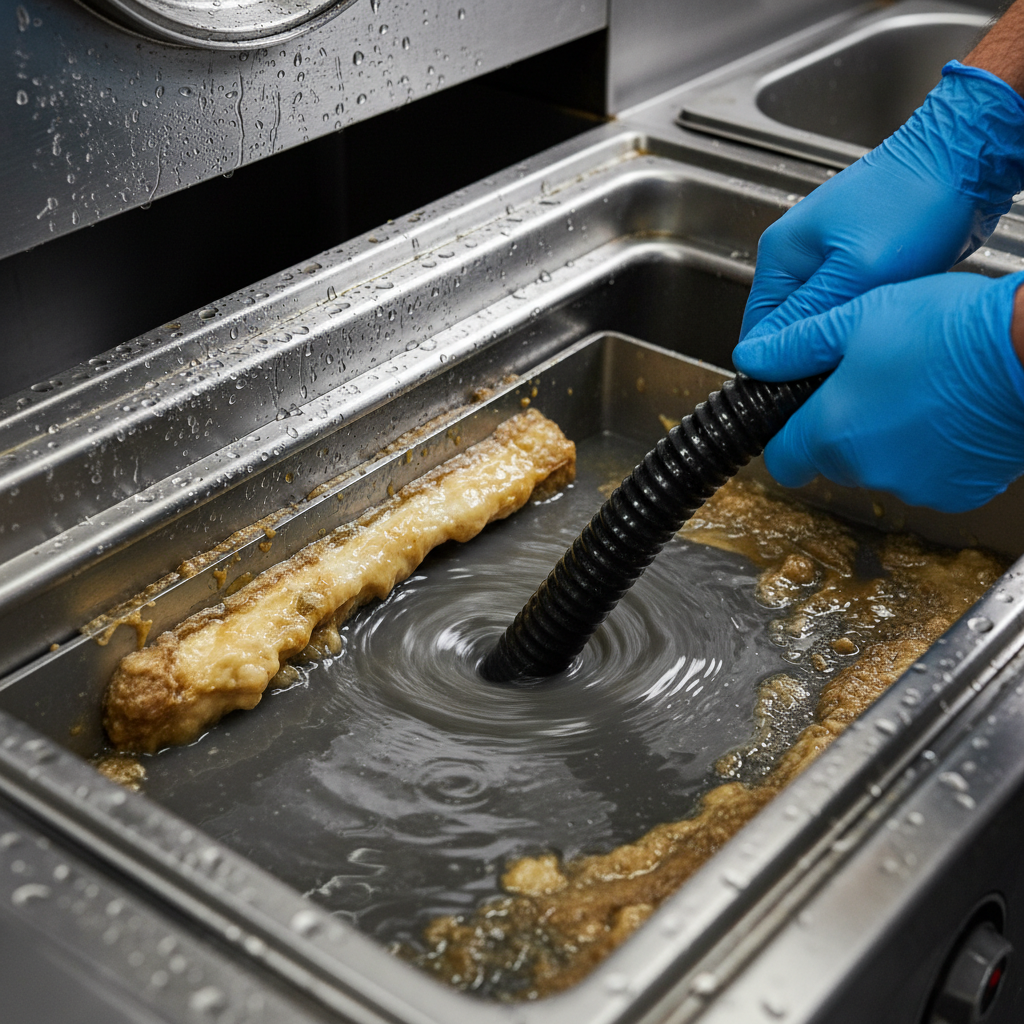
- What “pumping” means: Vacuuming all contents, scraping internal walls and baffles, flushing, and transporting waste to approved disposal facilities.
- Who should do it: Certified professionals with proper equipment, PPE, manifests, and environmental controls.
- Complementary services: Hood, duct, and exhaust cleaning keeps grease out of the air while the trap keeps it out of your drains—two halves of the same safety plan.
If your team is reviewing NFPA 96-driven programs for exhaust systems, it’s smart to align trap service windows with recommended hood cleaning frequency and your documented compliance plan in the Ontario NFPA 96 playbook.
Why Grease Trap Pumping Matters
Ignoring or delaying service creates safety, compliance, and operational risks—many of which show up at the worst possible time.
- Health inspections: Dirty traps lead to violations, corrective orders, and re-inspections.
- Fire prevention alignment: While traps aren’t part of the exhaust, effective FOG control supports kitchen fire safety programs under NFPA 96.
- Employee safety: Overflows create slip hazards and sanitation issues in dish and prep areas.
- Guest experience: Odors migrate—keeping traps clean keeps dining rooms pleasant.
- Plumbing integrity: Chronic FOG deposition shortens pipe life and triggers emergency calls.
- Environmental stewardship: Proper disposal protects local infrastructure and waterways.
How Grease Trap Pumping Works
Here’s a field-tested workflow Robinhood Cleaners uses to deliver consistent results without disrupting service.
- 1) Pre-inspection and prep
- Verify trap size, location, access route, and recent service logs.
- Lay protective mats, route hoses, and set ventilation for odor control.
- Review safe clearances with kitchen leads before work begins.
- 2) Full extraction
- Vacuum floating FOG, greywater, and settled solids from the bottom.
- Use tools to agitate corners so sludge doesn’t get left behind.
- 3) Mechanical cleaning
- Scrape walls, baffles, and inlet/outlet tees to restored metal or plastic surfaces.
- Rinse internal components and verify unobstructed flow.
- 4) Inspection and reassembly
- Check gaskets, lid seals, and tee integrity; note any replacements needed.
- Refill with clean water to establish a proper water seal.
- 5) Documentation and disposal
- Record date, time, volume removed, and observations with photos.
- Transport waste to approved facilities and provide disposal manifests.
- Set the next reminder in your service calendar while on-site.
Types, Methods, and Schedules
Different kitchens, menus, and volumes require different approaches. Use this as a planning framework and refine with real service logs.
Trap Types
- Under-sink traps: Small capacity and easy access; need frequent service in high-FOG kitchens.
- In-ground interceptors: Larger capacity outdoors; require more setup and thorough pumping.
- Automatic recovery units: Skim daily, but still require periodic full pump-outs.
Service Triggers
- 25% rule: Pump when FOG + solids reach one-quarter of trap volume.
- Menu-driven: Fry-heavy or sauce-heavy menus produce higher FOG loads.
- Seasonality: Patio season, holidays, and large events increase demand on traps.
- New locations: Start with conservative frequencies, then adjust using logs.
Method Options
- Full pump-out (best practice): Remove all contents, scrape, rinse, and reset water seal.
- Partial skimming (stopgap): Odor relief only—does not remove sludge; not a substitute for pumping.
- Enzyme/bacteria dosing (supplement): Helps with flow between services but doesn’t replace pump-outs.
Scheduling Framework
- Bundle services: Align pump-outs with hood cleaning frequency and exhaust filter replacement windows to reduce disruption.
- Stagger by location: Multi-site operators should rotate service days to simplify staffing and oversight.
- Document everything: Keep logs accessible for health inspectors and area managers.
Grease Trap Pumping Benefits (12 You’ll Notice Fast)
These are the practical wins teams across Southern Ontario care about.
- 1) Fewer backups: Keep sinks, dish machines, and prep drains flowing during rush.
- 2) Odor control: Reduce sulfur smells that can reach front-of-house.
- 3) Longer pipe life: Less corrosive buildup; fewer emergency calls.
- 4) Easier inspections: Cleaner traps mean faster sign-offs and fewer re-visits.
- 5) Better hygiene: Lower risk of bacteria growth and pest attraction.
- 6) Safer floors: Prevent overflow-related slips and sanitation issues.
- 7) Predictable scheduling: Lock in maintenance to match your service windows.
- 8) Data for decisions: Service logs guide right-size frequency per location.
- 9) Compliance confidence: Aligns with municipal and environmental expectations.
- 10) Less downtime: Avoid surprise closures during revenue hours.
- 11) Employee morale: Cleaner workspace and fewer unpleasant odors.
- 12) Guest experience: No drainage smells drifting into dining areas.
Local Tips
- Tip 1: If your restaurant backs onto a lane off Highway 403, plan pumping before lunch deliveries to keep lanes clear for service trucks.
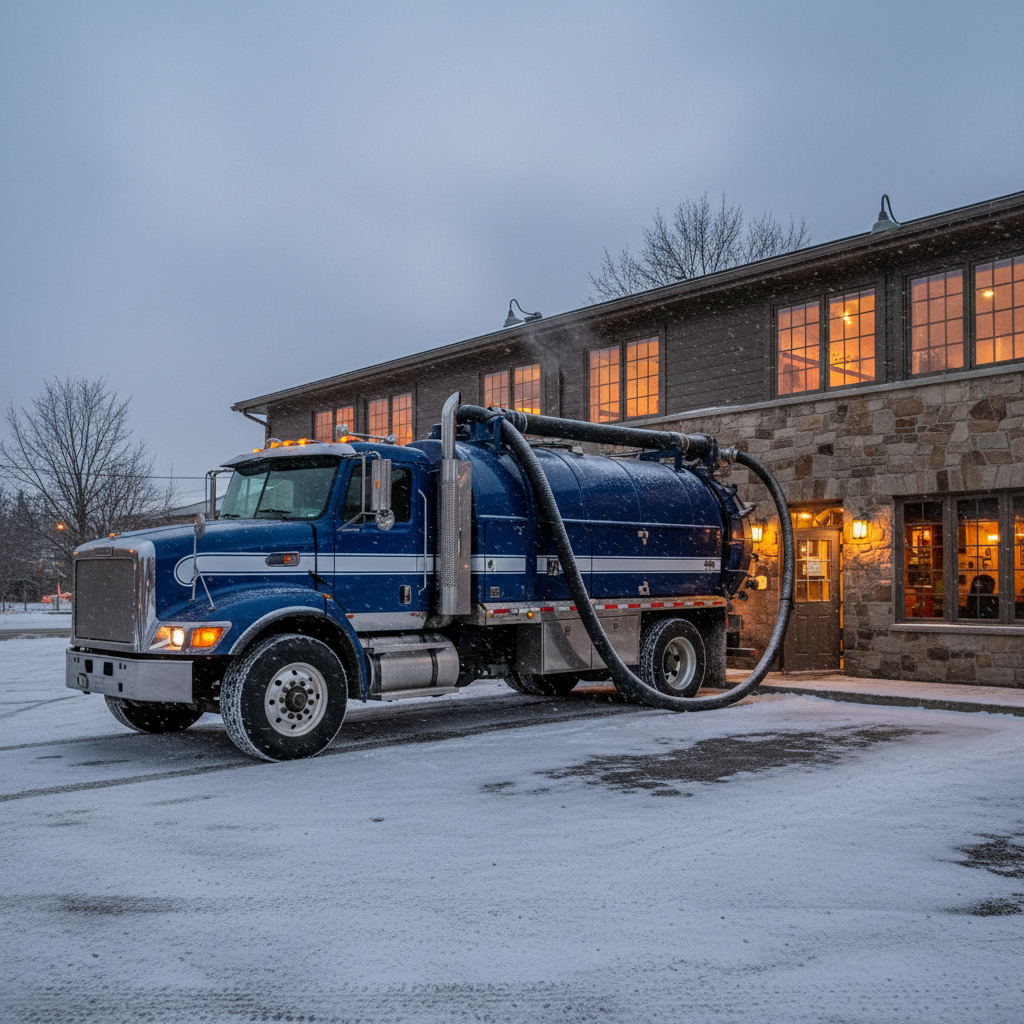
- Tip 2: Winter in Southern Ontario can slow outdoor access to in-ground interceptors—schedule ahead when snow or ice is forecast.
- Tip 3: For 24/7 operations near busy downtown cores, request overnight appointments to avoid noise and access conflicts.
IMPORTANT: Robinhood Cleaners serves All Over Ontario with quick response in Southern Ontario and can accommodate off-hours service windows.
Best Practices (From Certified Pros)
Simple habits prevent big problems and support your NFPA 96-driven safety program.
Daily Team Habits
- Scrape plates and pans: Keep food solids out of sinks—use designated scrap bins.
- Use sink strainers: Empty frequently, especially during peak prep and dish cycles.
- Wipe first, wash second: A quick paper towel wipe reduces FOG going down the drain.
- Check the water seal: A trap should hold water after service; report unusual odors immediately.
Manager Controls
- Post the schedule: Display next pump date where managers can see it and sign off.
- Log every service: Keep digital copies and photos for inspectors and audits.
- Bundle work: Coordinate with kitchen fire safety and hood cleaning visits to minimize downtime.
- Replace worn parts: Inlet/outlet tees and gaskets should be inspected and swapped promptly.
Environmental & Compliance
- Use approved vendors: Demand waste manifests and keep them on file.
- No DIY pump-outs: Improper disposal risks fines and environmental harm.
- Train for inspections: Ensure shift leads can access logs, manifests, and service photos quickly.
| Approach | Pros | Cons | Best For |
|---|---|---|---|
| Professional full pump-out | Complete removal, cleaning, compliant disposal | Requires scheduled access and certified vendor | Most commercial kitchens |
| Partial skimming | Quick odor relief | Leaves sludge; short-lived | Emergency stopgap only |
| Bacteria/enzyme dosing | Helps between services | Doesn’t replace pumping | Supplementary maintenance |
Tools & Resources
You don’t need a lab—just organized checklists and the right partner.
- Templates (make copies for each location):
- Monthly service calendar (color-coded by store).
- Grease trap service log (date, volume removed, tech initials, next due date).
- Dish area SOPs (scraping, strainer checks, end-of-shift drain screens).
- Pre-inspection checklist (logs accessible, manifests filed, photos tidy).
- What your vendor brings: Vacuum truck or portable unit, hoses, scrapers, PPE, containment mats, sanitizer, and photo documentation.
- Documentation to keep: Disposal manifests, before/after photos, inspection notes, corrective actions, and training sign-offs.
- Integrations: Align pump-outs with hood cleaning cadence and deliveries to reduce overlap.
Case Studies & Examples from Ontario
Quick snapshots from kitchens like yours (no PII).
- High-volume fry kitchen (Hamilton): Friday pre-service backups. After a three-week pump-out cadence and dish scraping SOPs, backups dropped to zero over 90 days.
- Hotel banquet operation (Niagara): Odors drifting to lobby. Full pump-out plus in-ground interceptor lid seal replacement ended odor complaints within 48 hours.
- Campus cafeteria (Kitchener-Waterloo): Inconsistent logs. Centralized documentation and a shared calendar helped pass inspection on the first visit next cycle.
- Downtown bistro (Toronto core): Narrow access window. Overnight service with low-noise routing prevented alley congestion and kept prep on track.
- Chain location (Mississauga): Seasonal patio surge. Temporary increase in frequency during summer avoided overflow incidents despite volume spike.
- Resort kitchen (Muskoka): In-ground lid icing. Service rescheduled with de-icing protocol and mats—safer access and clean results.
- Food hall (Ottawa): Multiple operators sharing lines. Coordinated logs and a shared 25% threshold rule kept every stall compliant.
- Catering commissary (London): Heavy prep days midweek. Pump-outs booked post-prep reduced odors and improved dish throughput.
Pricing Factors (No Numbers)
Budgets vary, but you can predict how scope changes the investment and visit length.
- Trap size and type: Under-sink vs. in-ground interceptors affect time on site.
- FOG load and solids: Heavier buildup requires more extraction and scraping.
- Accessibility: Tight kitchens or distant outdoor lids add setup time.
- Frequency: Regular cadences streamline visits and make inspections easier.
- After-hours needs: Overnight or 24/7 access windows may be required for operations.
- Documentation level: Detailed logs and photo reports add administrative time (worth it for inspections).
Soft CTA: Want one partner to manage traps, hoods, ducts, and filters? Robinhood Cleaners is NFPA 96 certified, WSIB insured, and available 24/7 across Southern Ontario.
FAQ
- How often should a commercial grease trap be pumped?
Use the 25% rule as a baseline. High-FOG menus (fried foods, heavy sauces) often need more frequent service. Service logs help refine the exact cadence per location. - What’s the difference between pumping and skimming?
Skimming removes surface grease temporarily. Pumping is a full removal of all contents, followed by scraping and rinsing—far more effective and longer-lasting. - Can we add enzymes to reduce pumping?
Additives can improve flow between services but won’t replace full pump-outs. Traps still need scheduled pumping to prevent solids buildup and odors. - Who handles the waste after pumping?
Your vendor should haul and dispose of FOG at approved facilities and provide manifests for your records and for inspectors. - Can pumping be done overnight?
Yes. 24/7 scheduling is ideal for busy kitchens and downtown locations with tight access windows.
Related Topics & Next Steps
- Build a unified schedule for grease trap service, hood cleaning, and filter exchange.
- Train dish teams on scraping and strainer checks for every shift.
- Standardize documentation and keep manifests ready for inspectors.
Conclusion
- Grease trap pumping benefits include fewer backups, less odor, and smoother inspections.
- Follow the 25% rule, then dial in timing using logs and seasonal patterns.
- Bundle services with exhaust hood and filter programs for full grease control.
- Choose certified, insured partners who can work 24/7 on your schedule across Ontario.
Key Takeaways
- Prioritize full pump-outs over partial skims—cleaner, safer, and longer-lasting.
- Documentation is your best friend during health inspections.
- Local conditions (traffic, weather) matter—plan service windows accordingly.
For a deeper look at service scope, see this overview of grease trap cleaning services in Ontario. If you’re coordinating broader work, review our commercial kitchen hood cleaning service details to align schedules.