Grease builds up fast in busy commercial kitchens. Left alone, it restricts airflow, stinks up the line, and worst of all, fuels fires. This complete guide breaks down practical grease buildup removal techniques you can apply across hoods, ducts, fans, appliances, and grease traps—aligned to NFPA 96 and the realities of all-day service. Robinhood Cleaners serves restaurants and food service operations all over Ontario with quick response in Southern Ontario, so the steps and templates below come straight from the field.
- Who this helps: restaurant owners, kitchen managers, facilities leaders, franchise ops.
- What you’ll get: proven grease removal methods, step-by-step workflows, safety checks, and maintenance templates.
- Outcomes: reduce fire hazards, improve air quality, extend equipment life, and pass inspections consistently.
- Works with: high-volume fryers, charbroilers, woks, pizza ovens, and smoke-heavy menus.
Quick Answer
For Ontario restaurants, the fastest, safest approach to grease buildup removal techniques is a NFPA 96–aligned combo: hot water pressure, alkaline foam, manual scraping, and proper rooftop containment. At All Over Ontario (with quick response across Southern Ontario), Robinhood Cleaners delivers certified kitchen exhaust, hood, duct, fan, and grease trap cleaning 24/7 to keep you compliant and fire-safe.
Summary
- Grease isn’t just dirt—it’s a flammable film that spreads from the cookline to the rooftop fan.
- Match the method to the material: stainless hoods vs. painted ducts vs. baffle filters vs. rubber fan belts.
- Use a stepwise process: prep and containment, degrease, agitation, hot water or steam, neutralize, dry, and document.
- Follow NFPA 96 frequencies based on volume and cooking type; document every cleaning for inspections.
- Build a monthly operator routine and schedule certified deep cleans to remove hidden fire loads.
Table of Contents
- What Is Grease Buildup?
- Why Grease Removal Matters
- How Grease Forms and Moves Through Your System
- Grease Buildup Removal Techniques (By Surface)
- Step-by-Step: NFPA 96–Aligned Cleaning Workflow
- Tools, Chemicals, and Safety Gear
- Method Comparison Table
- Case Snapshots from Ontario Kitchens
- Best Practices and Common Mistakes
- Maintenance Schedules and Inspection Tips
- FAQ
- Conclusion + Key Takeaways
What Is Grease Buildup?
In commercial kitchens, grease refers to fats, oils, and vaporized food particles that condense on cooler metal surfaces. The result is a sticky, combustible film. It hides in seams, behind filters, and along duct walls—often out of sight until a flare-up proves it’s there.
- Primary sources: fryers, charbroilers, woks, griddles, ovens with heavy roasting or pizza operations.
- Primary targets: hoods, baffle filters, plenums, vertical/horizontal ducts, fans, and rooftop discharge areas.
- Related zones: appliances (sides/backs), floors, walls, ceilings near the cookline, and grease traps.
- Risk level: even a thin film can ignite. A burning filter can launch flames into ducts fast.
Why Grease Removal Matters
Here’s the thing—grease is both a hygiene and a fire problem. Neglecting it invites downtime, fines, and serious safety issues.
- Fire hazard reduction: Clean metal doesn’t burn; grease films do. Removal breaks the fire path from range to roof.
- Air quality improvement: Clear ducts move more air. Your team breathes easier and heat stress drops.
- Equipment protection: Fans, belts, and bearings last longer when not gummed up by residue.
- Compliance: NFPA 96 ties cleaning frequency to cooking type and volume. Documented, professional cleaning helps you pass inspections. See our Ontario NFPA 96 playbook for context.
- Customer perception: Less odor and smoke equals better guest experience and reviews.
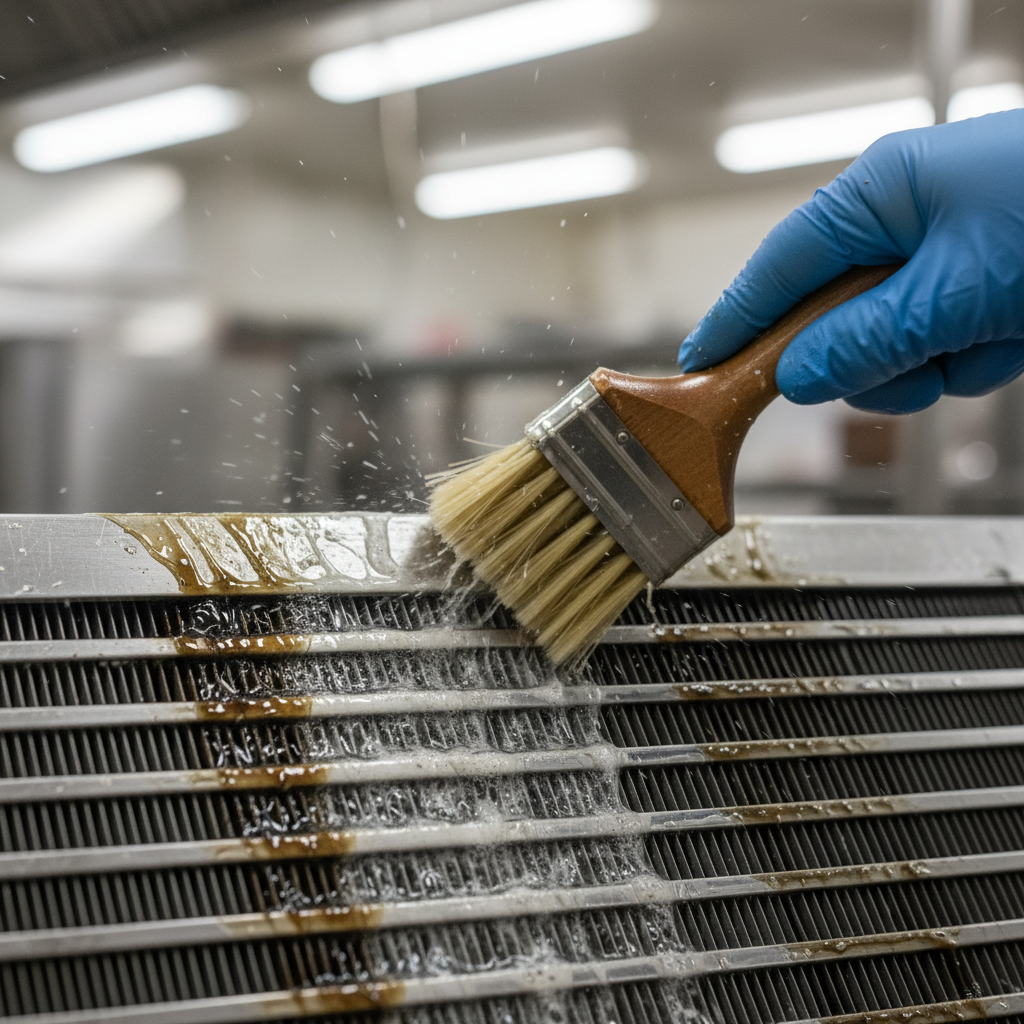
How Grease Forms and Moves Through Your System
Understanding the path helps you target the right technique in the right place.
- Aerosolization: Hot oil and vapor rise from cooking, riding heat currents into the hood.
- Impingement: Baffle filters change airflow direction, trapping larger grease droplets.
- Condensation: Remaining vapor cools on metal surfaces (plenum, duct walls, fan housing) and becomes film.
- Transport: Airflow pushes residue toward the fan and often onto the roof without containment.
- Accumulation: Films thicken, restricting airflow and creating ignition fuel. That’s why regular grease buildup removal techniques matter.
Grease Buildup Removal Techniques (By Surface)
Match the method to the material. That’s how you remove more grease in less time—without damage.
1) Hoods and Plenums (Stainless)
- Manual scraping: Pulls off thick layers fast. Use plastic or stainless scrapers on heavy buildup.
- Alkaline foam degreaser: Foams cling to verticals, breaking down fats and oils before rinse.
- Hot water pressure (150–180°F): Rinse after dwell. Keep electronics wrapped and protected.
- Steam assistance: Loosens cooked-on films in corners, seams, and behind trim.
- Detail pads: Non-scratch pads for final polish; avoid over-buffing that shows swirl marks.
2) Baffle Filters
- Filter swap & soak: Rotate clean spares in immediately; soak dirty ones in a heated alkaline bath.
- High-pressure rinse: Blast from the “exhaust-to-intake” direction to push debris out.
- Inspect welds: Cracked filters trap grease; replace rather than fight them every service.
- Pro tip: Schedule a filter cleaning & exchange route. Robinhood Cleaners runs this across Ontario to keep lines moving.
3) Ducts (Vertical and Horizontal)
- Access panels: Add per NFPA 96 to reach every 12 feet and at changes of direction.
- Scrapers and rotary brushes: Knock loose heavy scale before you think about washing.
- Foam-in, rinse-out: Apply alkaline foam; let dwell; chase with hot water or steam.
- Vac capture: Use wet/dry vac at low points to prevent swamping ceilings or prep areas.
- Document with photos: Before/after inside ducts matters at inspection time.
4) Exhaust Fans (Upblast and Utility Set)
- Lock-out/tag-out (LOTO): De-energize and verify. Protect belts and motor housings.
- Degrease shroud and blades: Hand scrape, then foam and rinse. Balance blades; avoid bending.
- Check bearings and fan belts: Grease weakens belts. Replace if glazing or fraying is visible.
- Rooftop containment: Install pads or systems so runoff doesn’t damage roofing membranes.

5) Appliances (Ovens, Ranges, Griddles, Charbroilers)
- Disassemble safely: Remove racks, shields, burner guards where approved by the OEM.
- Solvent gel for carbonized spots: Gel clings where foam slides; check compatibility first.
- Steam + scrape: Steam softens; scrapers and pads remove residue without gouging.
- Power washing: For removable parts in a contained wash zone—not on the line.
6) Floors, Walls, and Ceilings Near the Cookline
- De-grease, then rinse: Use non-slip safe cleaners; squeegee to trench drains.
- Rinse recovery: Wet vac to keep water out of adjacent areas.
- Skirting and seams: Detail where drips collect; these areas re-seed hood grease quickly.
7) Grease Traps
- Pump and scrape: Remove FOG (fats, oils, grease) and settled solids; flush baffles.
- Enzymatic boosters: Use only as directed and never as a substitute for pumping.
- Record-keeping: Date, volume removed, and condition notes—health inspectors ask.
Step-by-Step: NFPA 96–Aligned Cleaning Workflow
Use this universal framework for hoods, ducts, and fans. Adjust for your layout and equipment.
- Plan and schedule
- Pick low-traffic windows (overnight/early morning). Robinhood Cleaners operates 24/7 to fit your schedule.
- Confirm utilities (hot water, power) and elevator or roof access.
- Protect and contain
- Plastic sheeting, magnetic duct curtains, and floor berms for runoff control.
- Line appliances and prep tables; remove or cover food/utensils.
- Lock-out/tag-out (LOTO)
- De-energize fans and make sure make-up air is off as required.
- Verify controls are locked and tagged before work.
- Dry removal first
- Scrape thick layers in the hood and accessible duct sections.
- Brush fan housings and blades to reduce chemical load.
- Chemical application
- Apply alkaline foam from bottom up for cling and coverage.
- Respect dwell time; agitate stubborn areas with pads or brushes.
- Hot water or steam rinse
- 150–180°F water with controlled pressure; avoid forcing water into ceilings.
- Use steam for tight corners, seams, and painted surfaces prone to lift.
- Neutralize and wipe-down
- Neutralize residues per chemical manufacturer guidance to protect stainless and paint.
- Detail-dry edges, seams, and electrical penetrations.
- Rooftop and site cleanup
- Capture and remove runoff; check containment pads; inspect roofing for damage.
- Restore areas to service-ready condition.
- Inspect and document
- Photograph before/after: hoods, duct interiors, fan blades, and roof.
- Provide a service report aligned to recommended cleaning frequencies.
- Tag and schedule next service
- Apply compliance tag with date and service areas cleaned.
- Set next NFPA 96–driven interval based on cooking type/volume.
Tools, Chemicals, and Safety Gear
Successful grease removal is 50% technique, 50% setup. Here’s a field-tested kit.
Core Tools
- Scrapers (plastic and stainless), putty knives, and rotary duct brushes.
- Foamers and pump sprayers for alkaline degreasers.
- Hot water pressure washer (adjustable temp/PSI) and steam unit.
- Wet/dry vac with fine filters and extension wands.
- Magnetic duct curtains, floor berms, drain covers, and containment bags.
- LED inspection lights, borescopes, and photo documentation tools.
Chemicals
- Alkaline foaming degreaser (kitchen-grade) for fats/oils.
- Solvent gel for carbonized residues on appliance exteriors/interiors.
- Neutralizer/rinse aid to protect stainless and painted surfaces.
- Enzymatic additives for drain maintenance (not a trap pumping substitute).
Safety and Compliance
- PPE: chemical-resistant gloves, goggles/face shield, slip-resistant boots, and coveralls.
- Fall protection for roof work: harness, anchors, and proper training.
- LOTO devices and voltage testers.
- Fire extinguishers available and staff informed of work plan.
- WSIB-insured professionals reduce workplace liability during service.
Need a certified team to implement these methods end-to-end? Robinhood Cleaners is NFPA 96 certified, WSIB insured, and available 24/7 across Ontario with rapid response in Southern Ontario. From kitchen exhaust cleaning and hood & duct degreasing to filter exchange, fan cleaning, power washing, and grease trap service, we’ve got you covered.
Use our NFPA 96–aligned checklist during a walk-through, then book your next deep clean.
Method Comparison Table
| Method | Best For | Pros | Watchouts |
|---|---|---|---|
| Manual scraping | Heavy, crusted layers on hoods/ducts | Fast, low chemical use | Avoid gouging; capture debris |
| Alkaline foam | Vertical stainless, plenums, ducts | Clings to surfaces, efficient | Respect dwell; neutralize |
| Hot water pressure | Final rinse on hoods/filters/fans | Great flushing power | Control overspray and runoff |
| Steam | Corners, seams, stubborn film | Low water, deep penetration | Heat caution near seals/wiring |
| Solvent gel | Carbonized appliance residues | Clings to verticals | Check compatibility first |
| Enzymatic options | Drains and traps (maintenance) | Odor control aid | Not a pumping substitute |
Case Snapshots from Ontario Kitchens
Real scenarios help you decide what to use and when. Names withheld; insights kept.
- Southern Ontario burger chain: Heavy charbroiler smoke coated vertical ducts. We installed additional access panels, scraped scale, foam-soaked, then hot-rinsed to bare metal. Airflow improved and smoke complaints dropped significantly.
- Hotel banquet kitchen: Filters were cleaned inconsistently. We set a filter cleaning & exchange route: daily swaps on peak weeks; heated soak and high-pressure rinse offsite. Hood films fell and fans stopped vibrating from imbalance.
- University food hall: Rooftop showed grease damage around the upblast fan. We added containment, re-leveled the fan, replaced compromised fan belts, and instituted a monthly roof check. Facilities reported fewer odors entering air intakes.
- Independent pizza restaurant: Carbonized oven interiors resisted foam. A targeted solvent gel plus steam softening removed residue without scratching enamel. Bake quality stabilized.
- High-volume wok line: Rapid aerosolization overloaded filters. We moved to shorter NFPA 96 intervals and trained staff on nightly hood wipe-downs. Inspectors praised the documentation and control of fire risk.
Local Tips
- Tip 1: For sites near major Southern Ontario corridors, coordinate rooftop access windows to avoid rush-hour traffic and ensure safe equipment transport.
- Tip 2: Winter service? Plan for ice on roofs and colder rinse water; schedule a steam-assisted clean when temps dip below freezing.
- Tip 3: During summer festival seasons, grease loads spike. Book a mid-season hood and duct touch-up to stay ahead of inspections and odor complaints.
IMPORTANT: Robinhood Cleaners operates across Ontario with rapid Southern Ontario response and true 24/7 availability—ideal for off-hour, rooftop, and mall-access jobs.
Best Practices and Common Mistakes
Best Practices
- Start dry: Scraping first reduces chemical usage and rinse time.
- Work bottom-up with foam: Prevents streaking and increases dwell on verticals.
- Protect the roof: Always use containment and check for soft membranes.
- Document everything: Photo sets and reports help with audits and turnover.
- Train staff on between-service care: Nightly wipe-downs, filter swaps, and drip tray checks keep loads down.
Common Mistakes
- “Shiny equals clean” myth: Polished exteriors hide dirty ducts. Inspect internals.
- Skipping neutralization: Alkaline residues can pit stainless and streak paint.
- Over-pressure rinsing: Forcing water into ceilings, lights, and fire suppression heads.
- No LOTO on fans: A sudden start can injure technicians.
- Ignoring the roof: Runoff can void warranties and trigger violations.
Maintenance Schedules and Inspection Tips
Use NFPA 96 frequency guidance as a baseline, then adjust to your volume and menu.
- Daily (Operator):
- Wipe hood edges and undersides at close.
- Empty and clean grease cups/trays.
- Spot-clean walls/floors near the line.
- Weekly (Operator):
- Swap or soak baffle filters; inspect for dents or cracked welds.
- Check fan noise/vibration during startup; report changes.
- Monthly (Operator + Pro):
- Open access panels; photo-check duct interiors.
- Inspect rooftop containment and the area around the fan.
- Quarterly to Semiannual (Certified Pro):
- Full hood, duct, and fan service with documentation and tag.
- Fan belt inspection/replacement and bearing check.
- As Needed:
- Grease trap service (pump and clean) based on load and local regulations.
- Power washing of removable appliance parts in a safe wash zone.
For deeper compliance context, review our in-house overview of kitchen fire safety and NFPA 96 and the Ontario-focused restaurant fire safety standards.
FAQ
- How often should I schedule professional hood and duct cleaning?
NFPA 96 suggests frequencies based on cooking type and volume—often quarterly for high-volume, and semiannually for moderate operations. Wok lines, solid-fuel cooking, or fryer-heavy menus may need more frequent service. Always combine operator routines (nightly wipe-downs, weekly filter swaps) with certified deep cleans to keep fire loads low.
- What’s the safest way to clean rooftop exhaust fans?
Use lock-out/tag-out, fall protection, and rooftop containment. Start with scraping, apply alkaline foam, then rinse with hot water while capturing runoff. Inspect belts, bearings, and vibration. Our Ontario teams often add or adjust containment to protect roofing membranes and nearby air intakes.
- Do enzymatic cleaners replace grease trap pumping?
No. Enzymatic or bacterial additives can reduce odors and help with line maintenance, but they don’t remove accumulated FOG and solids. Proper grease trap service includes pumping, scraping, flushing baffles, and record-keeping for inspections.
- DIY vs. certified service—what’s the difference?
Operators can and should perform daily/weekly care (wipe-downs, filter swaps). Certified teams bring NFPA 96 expertise, access equipment, industrial foamers/steam, documentation, and WSIB-backed safety practices. Many Ontario clients combine both to stay compliant and inspection-ready.
- How do I prove compliance to inspectors?
Keep dated service reports with before/after photos, tag your hoods with service dates, and maintain a log of daily/weekly operator tasks. Our reports align to NFPA 96 expectations so you can show due diligence on the spot.
Conclusion + Key Takeaways
- Grease travels from the cookline to the roof—treat the whole path to remove the fire load.
- Start dry, then foam, agitate, and rinse hot. Neutralize and document.
- Protect the roof and verify fans, belts, and bearings while you’re there.
- Combine operator routines with NFPA 96–aligned deep cleans for reliable compliance.
- Need help in Ontario? Robinhood Cleaners is NFPA 96 certified, WSIB insured, and truly 24/7.
Next steps
- Run a quick self-inspection using this guide.
- Set your next deep clean based on volume and menu.
- If you want a certified partner, book a compliance-focused assessment with our Ontario team.
Looking for specifics on certification? Review our page on NFPA 96–certified hood cleaning in Ontario to see how our process maps to the standard, start to finish.