Grease buildup prevention restaurant hoods isn’t just about shiny stainless steel—it’s about fire safety, uptime, and compliance. If you run a commercial kitchen anywhere in Ontario, keeping your hood, ducts, filters, and fan in top shape protects your team and your business. In this complete guide, Robinhood Cleaners (NFPA 96 certified, WSIB insured, serving all of Ontario with quick service in Southern Ontario) breaks down what to do, when to do it, and how to make it stick.
Quick Summary
- What you’ll learn: Practical steps to prevent hood grease buildup, meet NFPA 96, and reduce fire risk.
- Why it matters: Cleaner hoods mean safer kitchens, better airflow, and fewer surprise shutdowns.
- Who it’s for: Restaurants, QSRs, food courts, catering, institutional kitchens, and hospitality teams across Ontario.
- What you’ll get: Step-by-step checklists, prerequisites, troubleshooting, and maintenance intervals you can actually follow.
Quick Answer
To prevent grease buildup in restaurant hoods, clean baffle filters regularly, schedule NFPA 96–compliant hood and duct service, and inspect the rooftop fan. In All Over Ontario at All Over Ontario, Robinhood Cleaners provides end-to-end kitchen exhaust cleaning and ventilation maintenance to keep you safe and compliant.
Local Tips
- Tip 1: If your location is near the 401, QEW, or the Gardiner, plan overnight cleanings to avoid traffic delays for rooftop fan access and water supply coordination.
- Tip 2: Ontario winters add ice risk on roofs. Add a pre-service rooftop safety check from December–March and allow extra time for de-icing around the exhaust fan.
- Tip 3: Busy summer patio seasons in Southern Ontario mean higher fry volume. Shorten filter-cleaning intervals during peak months to keep airflow steady and odors down.
IMPORTANT: These tips align with Robinhood Cleaners’ actual services: kitchen exhaust cleaning, filter cleaning and exchange, fan belt replacement, hood and duct cleaning, grease trap service, and ventilation maintenance.
What Is Grease Buildup in Restaurant Hoods?
In commercial kitchens, cooking vapors carry aerosols of grease that collect on hood interiors, baffle filters, duct walls, and exhaust fan blades. Left unchecked, this residue becomes a fuel source and airflow choke point.
- Key components at risk: Hoods, baffle filters, plenum, vertical/horizontal ducts, exhaust fan, rooftop grease containment.
- Typical sources: Fryers, grills, woks, charbroilers, high-heat ovens, and heavy sauté lines.
- Why it accumulates: Insufficient filter maintenance, undersized/overloaded systems, incorrect fan speed, and infrequent professional cleaning.
- Regulatory lens: NFPA 96 sets the fire safety baseline for commercial cooking exhaust systems.
Here’s the thing: a system can look “clean” at the canopy while hidden ducts and the fan wheel tell a different story. That’s why grease buildup prevention restaurant hoods must be a full-system strategy, not a surface wipe.
Why Grease Buildup Prevention Matters
- Fire hazard reduction: Less combustible residue means lower ignition potential above hot lines.
- Steady airflow and capture: Clean filters and ducts pull smoke, heat, and vapors out effectively.
- Health and safety: Reduced smoke and odors support better kitchen air quality and staff comfort.
- Compliance confidence: NFPA 96–aligned service helps you pass inspections and avoid shutdowns.
- Equipment lifespan: Fans and belts last longer when they’re not working against blocked ductwork.
- Fewer emergency calls: Proactive care prevents mid-service failures and downtime.
Ontario teams we support—from QSRs to fine dining—tell us the win is simple: fewer surprises during Friday dinner rush.
How a Restaurant Hood Exhaust System Works
Knowing the flow helps you target prevention at each stage.
- Capture and containment: The hood canopy captures vapors as they rise from the cookline.
- Filtration: Baffle filters trap grease droplets; clean filters keep velocity and capture efficient.
- Conveyance: Ducts channel air to the rooftop/exterior. Grease accumulates most at turns and seams.
- Exhaust: The fan creates negative pressure to draw air out. Balance matters—too little or too much can cause issues.
- Discharge/containment: Rooftop grease containment prevents roof damage and fire spread.
When any single link clogs, the whole chain strains—grease spreads faster, smoke lingers, and your risk climbs.
Prerequisites: What to Have in Place Before You Start
- Documented service schedule: A calendar for filter cleaning, hood and duct cleaning, and fan inspections.
- Access readiness: Keys to roof hatches, ladder access, and clear pathways to the cookline and fan.
- Water and power: Confirm hot water availability and nearby electrical outlets for equipment.
- Lockout/Tagout (LOTO): A simple procedure to safely shut off fans during cleaning.
- Spill and overspray controls: Floor protection, plastic sheeting, and drainage plans to prevent slips.
- Grease disposal plan: Containers and pathways for safe, compliant waste handling.
- Service documentation file: Keep certificates, reports, and photo logs ready for inspectors.
Types and Methods of Grease Control
Daily/Shift Practices (Kitchen Team)
- Wipe-downs: End-of-shift degreasing of hood exteriors and stainless surfaces.
- Filter rotation: Rinse baffle filters daily or per volume; schedule deep cleaning weekly.
- Hot line habits: Scrape pans, reduce open-flame flare-ups, and use lids/splatter guards.
- Oil management: Filter fryer oil and maintain optimal temperatures to reduce vaporized grease.
Professional Service Intervals (Robinhood Cleaners)
- Kitchen exhaust cleaning: Complete hood, plenum, duct, and fan cleaning to bare metal (per NFPA 96).
- Filter cleaning & exchange: Swap in clean sets while soiled filters are deep-cleaned.
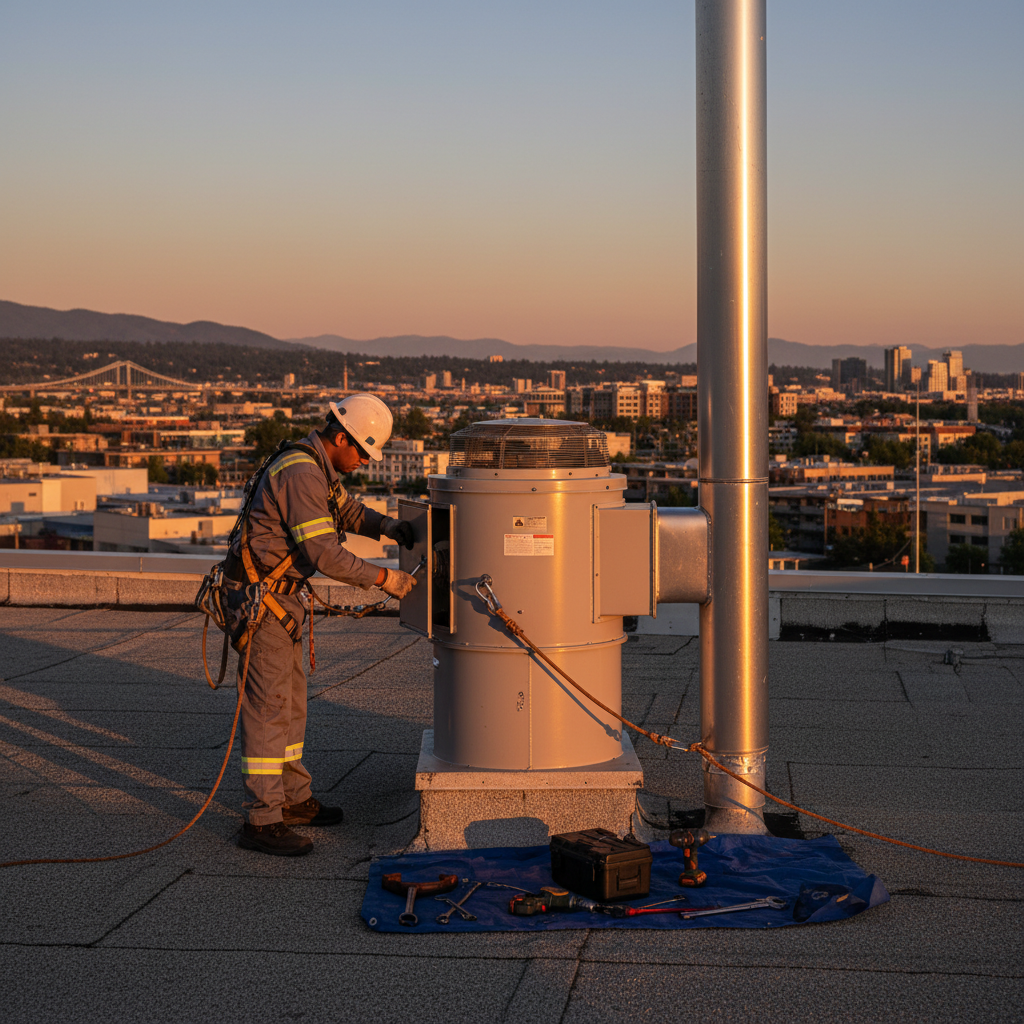
- Exhaust fan cleaning: Degrease fan blades, housing, and shroud; check the fan belt and bearings.
- Duct cleaning and fire hazard reduction: Address high-risk bends, seams, and long horizontal runs.
- Grease trap service coordination: While separate from the hood, synchronized service reduces odors and drain issues.
- Ventilation system maintenance: Balance checks, belt replacement, and airflow optimization.
For deeper context on requirements, review our NFPA 96 compliance guide and our NFPA 96 certified hood cleaning overview.
Step-by-Step: Grease Buildup Prevention Program
Use this practical sequence to set up, run, and document your program.
1) Baseline Assessment
- Walk the system: Inspect the hood, filters, plenum, ductwork (where accessible), rooftop fan, and grease containment.
- Photo log: Capture before images of heavy deposits, especially at duct bends and the fan wheel.
- Airflow check: Note smoke capture at the cookline; look for spillover or down-drafts.
- Service history: Gather last cleaning date, scope, and any inspector notes.
2) Filter Management Loop
- Daily rinse: Hot water rinse and degreasing soap for baffle filters after heavy shifts.
- Weekly deep clean: Soak and scrub, or use a professional exchange program for consistency.
- Spare sets: Maintain one spare set per hood line to avoid downtime.
- Inspect fit: Ensure baffles are installed correctly with no gaps that bypass filtration.

3) Hood and Plenum Cleaning
- Degrease to bare metal: Use food-service–safe degreasers; protect equipment and surfaces.
- Check seams and rivets: Grease hides at fasteners—brush and rinse thoroughly.
- Lighting and lenses: Clean and re-seat hood light covers for safer visibility.
4) Duct and Fan Service
- Duct access panels: Open and clean accessible sections; document inaccessible areas for follow-up.
- Exhaust fan cleaning: Degrease blades and housing; confirm rotation, vibration, and belt tension.
- Roof protection: Verify grease containment pads are in place and not saturated.
- Air balance review: Confirm the make-up air and exhaust are working together.
5) Documentation and Compliance
- Photo evidence: Before/after images for each component cleaned.
- Service certificate: Keep NFPA 96–aligned certificates on file and posted where required.
- Inspector-ready binder: Include dates, scopes, chemicals, and team signatures.
6) Continuous Improvement
- Seasonal adjustments: Increase intervals in peak fry seasons; tighten winter roof safety steps.
- Menu changes: New grill or wok? Reassess smoke and grease load immediately.
- Training refresh: Revisit filter rotation and wipe-down SOPs quarterly.
Best Practices (What Works in Ontario Kitchens)
- Match intervals to volume: Heavy solid-fuel or high-fry lines need shorter cycles than low-volume sauté.
- Standardize filter care: Use a labeled bin and timer to ensure full soak times are met.
- Protect the roof: Grease containment and absorbent pads prevent membrane damage and fire spread.
- Verify fan belts: Replace worn or glazed belts before slip reduces airflow.
- Coordinate services: Align hood cleaning with exhaust grease checks and system inspections.
- Photograph every visit: Visual proof protects you during audits and insurance reviews.
- Keep it accessible: Install additional duct access panels if needed for complete cleaning.
Tools and Resources
Team Toolkit (On the Line)
- Food-safe degreaser, non-scratch pads, microfiber cloths, and spray bottles.
- Heat-resistant gloves, goggles, and non-slip footwear.
- Spare baffle filter sets labeled by hood position.
- Floor protection mats, plastic sheeting, and wet-vac for rinse water.
Professional Equipment (Robinhood Cleaners)
- Heated pressure washers/steam units for bare-metal cleaning.
- Foaming applicators for vertical surfaces and duct interiors.
- High-lumen portable lighting for plenum and duct visibility.
- Fan belt gauges and vibration meters for preventive maintenance.
Printable Checklists
- Daily: Exterior wipe-downs, filter rinse, splash zone cleaning, floor degreasing.
- Weekly: Filter deep clean, canopy polish, light lens cleaning, quick duct visual where accessible.
- Monthly: Fan belt inspection, rooftop grease containment check, duct access review.
- Quarterly/Semiannual: Full hood, duct, and fan service to bare metal per NFPA 96 schedule and load.
Process and Interval Table
| Kitchen Type | Typical Grease Load | Filter Care | Hood & Duct Service | Fan/Belt Check |
|---|---|---|---|---|
| High-volume fry/char | Heavy | Daily rinse, weekly deep clean | Short intervals per NFPA 96 load | Monthly |
| Mixed grill/saute | Moderate | Daily rinse, biweekly deep clean | Regular intervals per usage | Bi-monthly |
| Low-volume/light oil | Light | Every few shifts, monthly deep clean | Longer intervals within code | Quarterly |
Intervals are examples—your exact schedule should reflect equipment, menu, hours, and inspection history.
Troubleshooting: Common Problems and Fixes
Smoke Spilling from the Hood
- Likely causes: Clogged filters, belt slip reducing fan speed, or blocked duct turns.
- Quick checks: Swap in clean filters; inspect belt tension; verify fan rotation.
- Next step: Schedule duct and fan cleaning; confirm make-up air is on and balanced.
Grease Drips from the Canopy
- Likely causes: Oversaturated filters, poor filter seating, or heavy plenum deposits.
- Quick checks: Deep-clean or exchange filters; reseat baffles; wipe plenum seams.
- Next step: Book hood-to-bare-metal service and inspect access panel coverage.
Fan Vibration and Noise
- Likely causes: Grease imbalance on blades, worn bearings, or loose fasteners.
- Quick checks: Clean blades, tighten hardware, and assess bearings.
- Next step: Consider fan belt replacement and a full balance review.
Persistent Odors
- Likely causes: Duct deposits, saturated rooftop containment, or neglected grease trap.
- Quick checks: Replace absorbent pads; inspect duct access points; align with grease trap service.
- Next step: Combine hood cleaning with trap maintenance to eliminate the odor loop.
Case Snapshots (Ontario Kitchens)
- Mississauga QSR: Friday-night smoke spill traced to a slipping belt. After belt replacement and filter exchange, capture stabilized.
- Downtown Toronto bistro: Grease drips reappeared weekly. Root cause: mis-seated baffles. Training fixed seating and the issue vanished.
- Hamilton food court line: Rooftop stains from saturated grease pads. New containment and shorter intervals protected the membrane.
- Niagara hotel kitchen: Odors during brunch traced to heavy duct deposits near a 90° bend. Added access panel enabled full cleaning.
- Brampton takeout: Wok station doubled output for summer—filters clogged faster. Interval tightened for peak season.
- Scarborough cafeteria: Inspector flagged incomplete documentation. Photo logs and signed certificates resolved compliance issues.
- Kitchener grill: Fan vibration from grease on blades. After cleaning and belt check, noise and vibration dropped.
- Etobicoke diner: Staff skipped weekly filter soak. Checklist posted at dish station improved consistency.
- Guelph cafe: Light smoke back-draft on windy days. Balancing the make-up air and verifying fan rotation fixed it.
- London pub: Seasonal rooftop icing blocked access. Winterized schedule added de-icing step to the SOP.
- Oshawa franchise: New charbroiler increased grease load. Post-install assessment revised service frequency proactively.
Pricing Factors (No Numbers, Just What Drives Quotes)
- System complexity: Number of hoods, length of ducts, and roof height/access.
- Grease load and soil level: Heavier deposits require more time and equipment.
- Service window: Overnight and off-peak scheduling logistics.
- Documentation needs: Photo logs, certificates, and inspector-ready reporting.
- Add-ons: Filter exchange, fan belt replacement, grease containment refresh, and power washing.
If you’re comparing options, focus on scope, documentation quality, and NFPA 96 alignment rather than headline numbers.
Compliance and Documentation Essentials
- NFPA 96 alignment: Service to bare metal where accessible, with proper documentation.
- Certificates posted: Keep the latest certificate near the hood or in an accessible binder.
- Photo logs: Before/after images per component and per access panel.
- Inspector communication: Maintain a simple change log noting menu, equipment, or ventilation updates.
For details, see our Ontario NFPA 96 notes and this overview on certified hood cleaning.
DIY vs Professional: What to Handle In-House
| Task | In-House (Daily/Weekly) | Professional (Scheduled) |
|---|---|---|
| Exterior wipe-downs | Yes – end of shift | As needed for polish |
| Baffle filter rinse/deep clean | Yes – daily/weekly | Exchange programs available |
| Hood & plenum to bare metal | No | Yes – per NFPA 96 |
| Duct interior cleaning | No | Yes – with access panels |
| Exhaust fan cleaning & belt checks | Basic visual only | Yes – clean, inspect, replace |
| Rooftop grease containment | Replace pads | Install/refresh and document |
FAQs
- How often should restaurant hood filters be cleaned?
Match the interval to grease load. Many Ontario kitchens rinse baffle filters daily and deep-clean weekly. High-fry or solid-fuel lines often need shorter cycles. Keep a spare set to avoid downtime. - What does NFPA 96 require for hood and duct cleaning?
Service must remove grease to bare metal where accessible, with documentation and certificates. Frequency depends on cooking volume and type. Inspectors look for photo logs and posted certificates. - Why is my hood still smoky after cleaning?
Check for belt slip, mis-seated baffles, or make-up air issues. If ducts or the fan weren’t fully cleaned, residue can still restrict airflow. Ask for photo evidence of each component. - Can we prevent rooftop grease damage?
Yes. Use proper grease containment, replace absorbent pads before saturation, and clean fan housings and discharge areas regularly. It protects the roof membrane and reduces fire risk. - Do we need professional service if we clean filters ourselves?
Yes. Filters are only one link. Ducts, the plenum, and the fan need scheduled, NFPA 96–aligned cleaning and inspection to maintain airflow and compliance.
Related Articles
- Grease Buildup in Kitchen Exhaust: What Inspectors Look For
- Restaurant Exhaust System Grease Buildup: How to Spot the Signs Early
- NFPA 96 Certified Hood Cleaning in Ontario: What’s Included
Key Takeaways
- Grease buildup prevention restaurant hoods is a full-system effort: filters, hood, ducts, and the fan.
- Match service intervals to your actual grease load, season, and menu changes.
- Document everything—photos and certificates make inspections smooth.
- Coordinate hood service with ventilation checks and grease trap maintenance to solve odor loops.
Next Steps
- Set your baseline assessment and photo log this week.
- Lock in filter rotation and a backup set for each hood line.
- Book a rooftop fan inspection and belt check before your next rush period.
Ready for a compliant, low-stress plan? Robinhood Cleaners serves restaurants and commercial kitchens across Ontario with NFPA 96–certified hood and duct cleaning, filter exchange, exhaust fan maintenance, power washing, and ventilation system optimization. Let’s build your schedule around real kitchen volume and hours.
See how this ties to inspections in our Ontario NFPA 96 guide, and compare grease patterns with our system buildup explainer. For broader safety context, review signs of an exhaust system fire hazard and these NFPA 96 compliance requirements.