Restaurant health code cleaning checklist is the day-by-day set of sanitation and fire-safety tasks health inspectors verify. It spans food-contact surfaces, handwashing, floors and drains, plus NFPA 96–aligned hood, duct, exhaust fan, and grease trap maintenance with records. Nail these items and inspections in All Over Ontario finish faster with fewer headaches.
By Robinhood Cleaners • Last updated: July 8, 2026
| Service area | All Over Ontario |
|---|---|
| Availability | 24/7 scheduling around service hours |
| Certification focus | NFPA 96–aligned hood, duct, and exhaust cleaning |
| Insurance | WSIB insured crews |
| Core services | Hood & duct degreasing, exhaust fan maintenance, filter cleaning & exchange, grease trap service, commercial appliance cleaning, ventilation system maintenance, power washing |
Ontario operator tip
Book overnight hood/duct and grease trap service. You reopen with dry ductwork, clean pads, and signed reports already filed — the exact paperwork Ontario inspectors ask for first.
Overview: How to Use This Checklist
Assign tasks by zone, set daily/weekly/periodic cadences, and keep a single binder with logs and contractor reports. This structure matches how inspectors review your restaurant health code cleaning checklist: observe, verify logs, then confirm certified NFPA 96 work with photos and dates.
You’re busy. Use this simple flow: staff document daily wins, and we document the high-risk systems. One binder. No scrambling when the inspector arrives.
What Health Inspectors Actually Check in a Commercial Kitchen
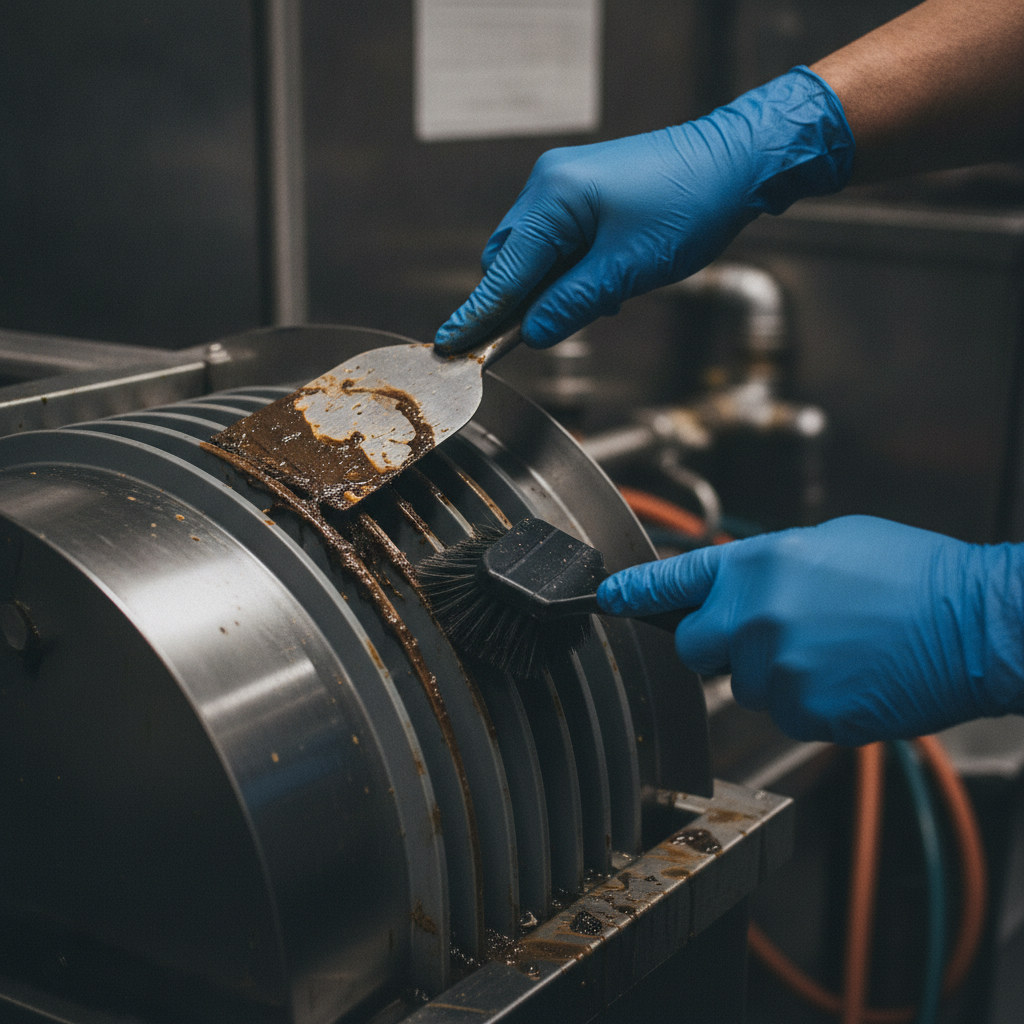
Inspectors verify surface sanitation, stocked handwashing, temperature control, pest prevention, and documented hood/duct/exhaust and grease trap service. They expect approved sanitizers used per label, cleanable floors/drains, and NFPA 96 maintenance records available on-site for quick review.
The Restaurant Health Code Cleaning Checklist (By Zone)
Break the kitchen into zones: line and prep, warewashing, floors/drains, restrooms, and ventilation/grease management. Assign daily work to staff and schedule certified service for hood/duct/fan and grease traps. Keep every task initialed in one binder.
Line & prep
- Sanitize cutting boards, prep tables, knives, and smallwares between tasks; log test-strip checks.
- Degrease cookline exteriors and undershelves; wipe reach-in handles and gaskets.
- Empty and relabel sanitizer buckets through the shift; swap microfiber cloths when soiled.
Field note: Most citations we see here are not dirty tables — they’re blank sanitizer logs. Record the check even on quiet nights.
Warewashing
- Verify dishmachine sanitizer or final-rinse performance per manufacturer directions; record readings.
- Delime sprayers and curtains; clean scrap trays and adjacent floor drains.
- Air-dry utensils; avoid towel-drying that recontaminates.
Floors, drains, and walls
- Scrub, rinse, and squeegee to drains; clean baseboards and corners where grease hides.
- Dry-store mops; keep mop sinks clean; no storing buckets in hand sinks.
Ventilation & fire safety
- Wipe baffles daily; enroll in a filter cleaning & exchange program so filters return with a dated receipt.
- Schedule certified hood, duct, and exhaust fan cleaning with photos for the binder.
- Check exhaust fan belt tension; slack belts reduce draw and leave vapor in the room.
Grease management
- Skim fryer filter pans; wipe wall and floor splash behind fryers and grills.
- Log grease trap pumping and maintenance with dates, time, and initials.
Opinion from the field: Filter exchange beats sink-scrubbing for busy lines. Inspectors trust a dated exchange receipt more than a verbal “we cleaned them yesterday.”
DIY vs. Professional Cleaning — What the Code Actually Requires
Staff own surfaces, floors, and dish areas daily. Certified contractors must service hoods, ducts, exhaust fans, and grease traps to NFPA 96 and local rules, and they must leave photos and reports. Inspectors in Ontario routinely ask for those records first.
Our split that passes inspections fastest across All Over Ontario:
- Staff: Food-contact sanitizing, hot/cold holding cleanup, gaskets and splash zones, floors/drains, restrooms, and dishmachine checks with logs.
- Robinhood Cleaners: hood degreasing, duct and exhaust fan cleaning, filter exchange, fan belt replacement, grease trap service, and power washing back pads and dumpster zones.
Common mistakes we see (and fix)
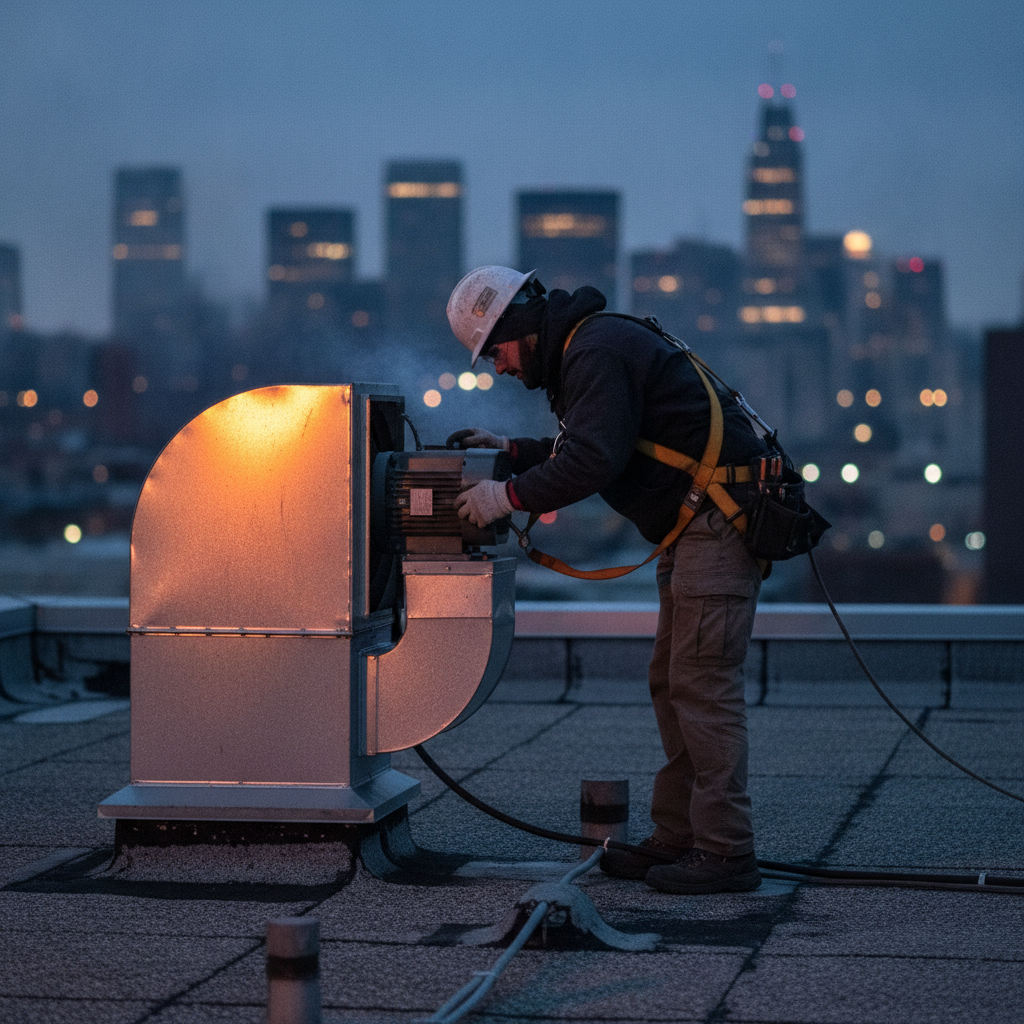
- Rooftop runs skipped: Hoods get cleaned but ducts above the roofline stay greasy. We photograph every section, including roof fans and hinges.
- Slack or cracked belts: Weak draw causes smoke rollback and oily ceilings. Our fan belt replacement service restores airflow and satisfies NFPA 96 hardware checks.
- Grease trap paperwork gaps: The trap is serviced, but logs are unsigned or undated. We leave a manifest and update your binder before we exit.
Our stance: Paperwork fails kitchens more than dirty corners. Build the binder as diligently as you clean the line.
Comparison Table: Which Tasks Need a Licensed Contractor
Tasks tied to fire ventilation or wastewater require certified providers and leave a paper trail. Surface sanitation and dish areas stay in-house with daily logs. Use this table to assign work and prep evidence before an inspection.
| Task | Who Should Do It | Documentation Inspectors Expect |
|---|---|---|
| Sanitize prep tables, cutting boards, utensils | In-house staff | Daily logs with test-strip readings and initials |
| Cookline exterior degreasing and splash zones | In-house staff | Closing checklist signed |
| Filter cleaning & exchange | Certified contractor program | Dated exchange receipt/schedule |
| Hood, duct, and exhaust fan internal degreasing | NFPA 96–aligned contractor | Before/after photos; completion report |
| Exhaust fan belt replacement and hinge service | Qualified contractor | Work order noting parts and checks |
| Grease trap pumping and maintenance | Licensed service provider | Pumping manifest; maintenance log |
| Warewashing verification and deliming | In-house staff (supplier-assisted) | Test-strip or temp logs; deliming notes |
We format our reports so you can drop them straight into your inspection binder.
How Often Each Item Must Be Cleaned (Frequency Guide)
Use layered cadence: sanitize food-contact surfaces during shifts and at close, clean floors/drains daily, detail the line weekly, and schedule certified hood/duct/fan and grease trap service by cooking volume. Save each report so the next-due date is obvious.
- Each shift: Wipe and sanitize food-contact surfaces; keep sanitizer at label strength (record test-strip checks).
- Daily close: Degrease cookline exteriors; clean floors, baseboards, and drains; restock soap and towels.
- Weekly: Detail gaskets, undershelves, fryer filter pans; delime sprayers and machine curtains.
- Monthly–Quarterly (based on grease load): Certified hood, duct, and exhaust fan cleaning with photos; grease trap service per load and municipal rules.
- As needed: power washing back pads and dumpster areas to cut pest harborage and odors.
Local Health Code Notes for All Over Ontario
Ontario inspectors often request NFPA 96 hood/duct/fan reports and grease trap manifests before touring the line. Organize a binder with dated reports, photo sets, and a filter exchange schedule. Overnight service helps reopen clean with zero disruption.
Based on our Ontario fieldwork, three habits keep audits calm and quick.
- Binder first: File the latest hood/duct/fan report, grease trap manifest, and filter schedule behind labeled tabs.
- Night service: Let ducts dry and fans cool before breakfast prep; fewer slips, cleaner air.
- Photo proof: Request before/after photos with timestamps on every certified cleaning.
Local considerations for All Over Ontario
- Use 24/7 scheduling to match your hours and avoid line downtime.
- Increase ventilation service during heavy fryer or grill seasons.
- Coordinate grease trap service ahead of municipal collection days.
Need certified help? We handle hood, duct, exhaust fan, filter exchange, grease trap, and ventilation maintenance — with photo-rich reports your inspector can scan in seconds.
FAQ
Managers ask most about documentation, contractor scope, and cleaning intervals. These answers reflect what Ontario inspectors verify and what our crews document after every visit.
What proof do inspectors want for hood and duct cleaning?
Bring a dated completion report from a qualified provider, before/after photos for each section (hood, verticals, rooftops, fan), and the next-due schedule. We leave all three, formatted for your binder.
Can my staff clean the grease trap to pass inspection?
Staff can keep the area clean, but inspectors expect pumping and internal maintenance by a licensed provider, plus a manifest or service log. We update your log and provide the manifest before leaving.
How often should we schedule hood and duct service?
Match the interval to your grease load and hours. High-volume fryers and solid-fuel grills need more frequent service. We set a cadence and tag your binder with the next-due date and QR to photos.
Why does fan belt replacement matter for inspections?
A slack or cracked belt kills airflow, leaving smoke and grease vapor in the room. Inspectors notice poor draw and residue. We check belt tension during service and replace it if needed, then note it on the report.
Key Takeaways
Keep one binder of daily logs and certified service reports; outsource NFPA 96 systems; and request photo evidence. These habits resolve most inspection risks before they start and keep Ontario audits short and stress-free.
- One binder: daily logs + contractor reports with photos.
- Staff own surfaces and floors; certified pros handle hood/duct/fan and grease trap.
- Filter exchange programs earn instant credibility with inspectors.
- Fan belt checks prevent smoke rollback and citation-worthy residue.
- Night service keeps openings on time and ducts dry.