Restaurant hood cleaning is the professional removal of grease and flammable residue from hoods, filters, ducts, and exhaust fans. NFPA 96 recommends cleaning intervals from monthly to semiannual based on cooking volume. For kitchens in All Over Ontario, consistent cleaning reduces fire risk, improves air quality, and helps you pass inspections without surprises.
By Robinhood Cleaners • Last updated: June 25, 2026
Overview: What this complete guide covers
This guide explains restaurant hood cleaning end to end: definitions, fire-safety benefits, NFPA 96 compliance, step-by-step process, methods and tools, best practices for All Over Ontario, scheduling, and documentation. It also includes a comparison table, local tips, real examples, and an actionable checklist to align operations and inspections.
Use this playbook to align your back-of-house with safety standards and day-to-day realities. You’ll see exactly how Robinhood Cleaners supports restaurants with NFPA 96–aligned service, 24/7 scheduling, and comprehensive documentation your insurer and inspectors can understand.
- What restaurant hood cleaning is and why it matters
- How the process works, start to finish
- Which methods suit different kitchens and soils
- Compliance cadence and scheduling guidance
- Tools, checklists, and documentation you can reuse
Local considerations for All Over Ontario
- Schedule hood and duct service around patio and festival surges; high-volume fryers often warrant monthly to quarterly cleaning.
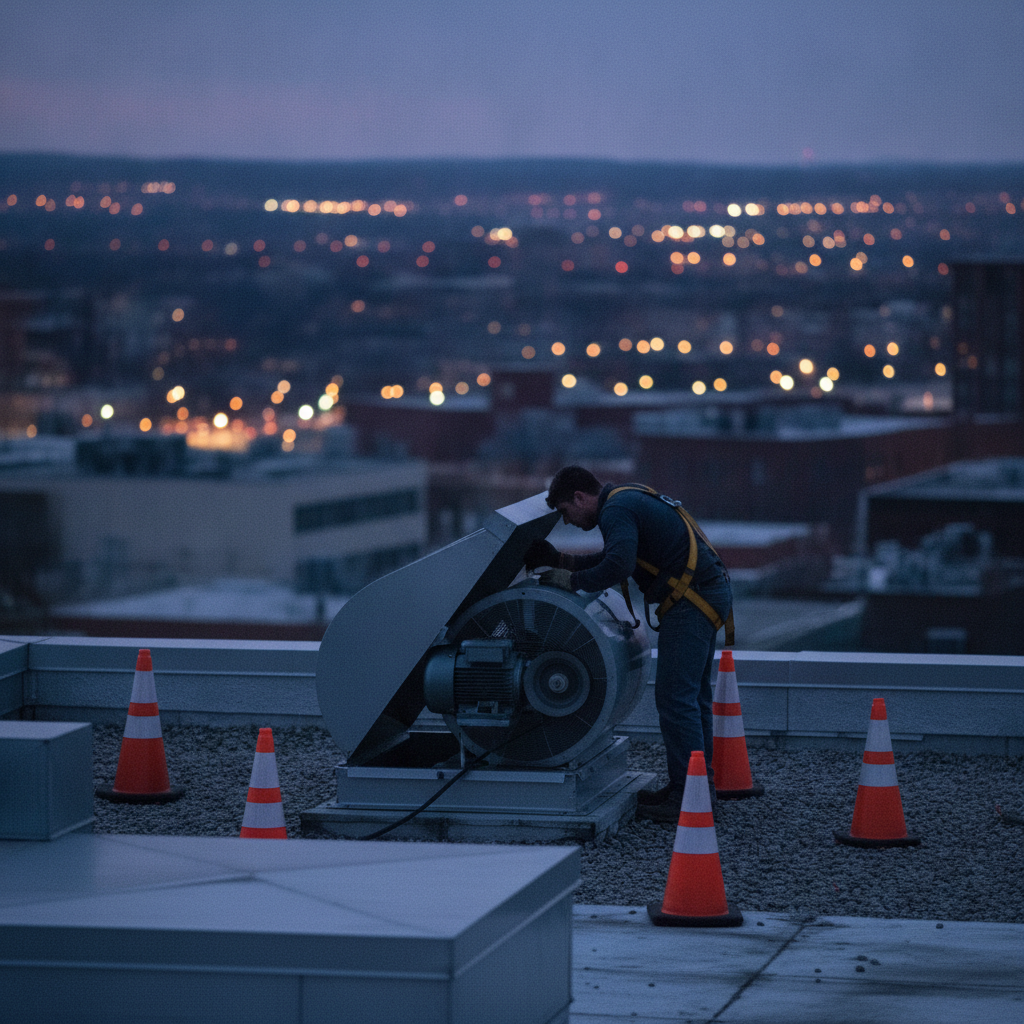
- Plan winter rooftop access for exhaust fan service; icy conditions add setup time for safe harnessing and hinge-kit use.
- Coordinate filter exchange with delivery windows to minimize line downtime and keep makeup air balanced during rushes.
Table of contents
- What is restaurant hood cleaning?
- Why restaurant hood cleaning matters
- How the cleaning process works
- Methods and approaches compared
- Best practices (All Over Ontario)
- Tools, templates, and resources
- Case studies and examples
- Pricing factors and scheduling
- FAQ
- Key takeaways and next steps
What is restaurant hood cleaning?
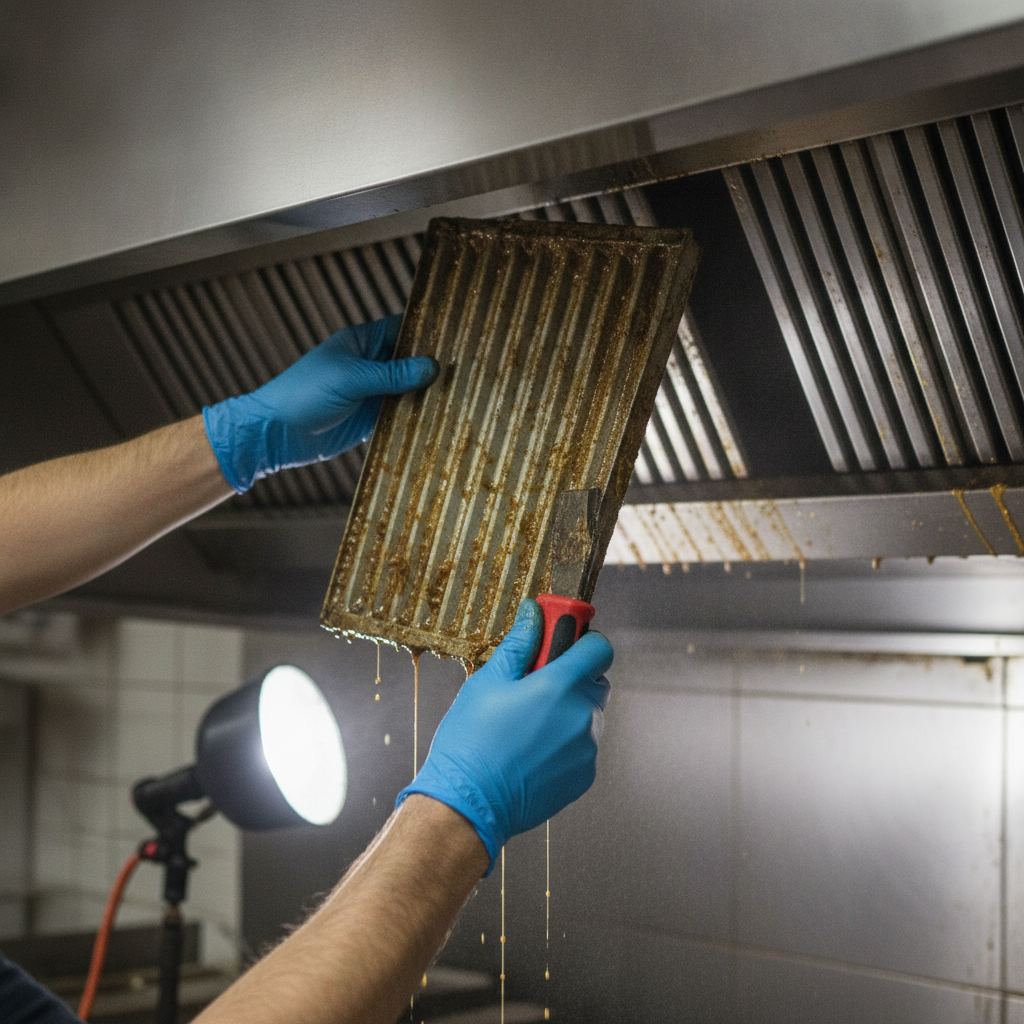
Restaurant hood cleaning is a specialized service that removes grease from hoods, baffle filters, ducts, and exhaust fans to prevent fires and improve ventilation. Certified technicians degrease all accessible surfaces and document compliance to NFPA 96, helping restaurants maintain safer kitchens and pass health and fire inspections.
In practical terms, it’s a top-to-bottom degreasing and verification of the exhaust pathway that sits over your cooking equipment. Clean systems move air better, keep heat down on the line, and reduce the fine aerosolized grease that lands on ceilings, walls, and equipment.
- Scope: Hoods, filters, ductwork, exhaust fans, fan belts, and rooftop discharge areas.
- Standards: NFPA 96 cleaning intervals typically range from monthly to semiannual, depending on volume, fuel type, and menu.
- Outcome: Lower ignition risk, improved air quality, and clear documentation for insurers and inspectors.
For a deeper primer on connected systems, see our complete kitchen exhaust cleaning guide and our step-by-step overview of hood and vent cleaning.
Why restaurant hood cleaning matters
Regular hood cleaning protects against grease fires, aligns with NFPA 96, and supports better air quality and staff comfort. Clean systems also sustain fan performance, reduce odors, and help prevent emergency shutdowns that disrupt service and damage inventory.
Grease accumulation is a primary ignition source in commercial kitchens. Layers inside ducts and fans can ignite from flare-ups or high-heat equipment. Documented cleanings show due diligence, which many insurers and landlords require for risk management.
- Fire safety: Removing flammable residues lowers the chance that a flare-up migrates into ductwork.
- Compliance: NFPA 96 intervals (monthly to semiannual) are a common benchmark during inspections.
- Ventilation & comfort: Clean pathways keep air moving, controlling temperature and smoke on the line.
- Equipment life: Balanced airflow reduces strain on motors and belts, which cuts unplanned downtime.
If your team smells lingering grease or notices smoke hanging in the cookline, the exhaust pathway likely needs attention. Our Ontario-focused NFPA 96 certification overview unpacks how documentation supports smooth inspections.
How the cleaning process works
A professional hood cleaning follows a tight workflow: protect the kitchen, degrease hoods and filters, clean ducts and fans, service belts and hinges, rinse and polish, then document with photos and certificates. This sequence minimizes downtime while producing inspection-ready results.
Step-by-step workflow
- Pre-job protection: Tarp and wrap equipment, isolate electrical, and set containment to keep floors dry.
- Hood and filter service: Remove baffle filters for soaking or exchange; scrub hood plenum and edges.
- Duct cleaning: Apply degreaser, agitate, and hot-water rinse from hood to rooftop discharge.
- Exhaust fan service: Open on hinge kit, clean blades and housing, check bearings and balance.
- Fan belt replacement: Inspect tension, replace worn belts, and log part numbers for your records.
- Final rinse and polish: Neutralize surfaces, restore shine, and remove all containment.
- Documentation: Time-stamped photos and NFPA 96 certificate placed near the hood.
We coordinate with managers to start after last fire-up and hand back a clean line before prep the next morning. For frequent-turnover kitchens, our filter cleaning and exchange program shortens service windows and keeps capture efficiency high between full-system cleanings.
Methods and approaches compared
Hood cleaning uses combinations of caustic or alkaline degreasers, hot-water pressure, steam, and manual agitation. The right mix depends on soil load, surface type, and access. Choosing appropriate methods prevents damage to stainless steel, seals, and fan components while achieving a thorough clean.
Common methods and where they fit
- Alkaline or caustic degreasers: Effective on heavy carbonized grease; requires proper dwell time and neutralization.
- Hot-water pressure: Flushes loosened soils through access panels toward containment; ideal for long duct runs.
- Steam-assisted cleaning: Lower pressure with high heat to protect sensitive gaskets and finishes.
- Manual agitation: Scrapers and pads for corners, seams, and fan blades where spray alone won’t reach.
- Filter exchange program: Swap baffles on a fixed cadence to maintain capture and reduce hood soil between deep cleans.
Method comparison table
| Method | Best for | Notes |
|---|---|---|
| Alkaline degreaser + agitation | Heavy grease in hoods/ducts | Requires neutralization; protect aluminum and seals. |
| Hot-water pressure rinse | Long duct runs, fan housings | Excellent flushing; ensure containment and access panels. |
| Steam-assisted cleaning | Delicate finishes, gaskets | Lower mechanical impact; longer dwell; good for periodic maintenance. |
| Manual scraping/pads | Edges, corners, fan blades | Targets stubborn films and built-up seams. |
| Filter cleaning & exchange | Between deep cleans | Stabilizes airflow and capture efficiency week to week. |
Curious which path fits your line? Our Ontario-focused restaurant cleaning services guide outlines when to combine degreasing, pressure, and steam for mixed menus.
Best practices for All Over Ontario kitchens
Successful programs pair NFPA 96 intervals with real-world volume, keep filters clean between services, and verify fan performance on the roof. Align cleaning windows with your rush patterns and use time-stamped photos to satisfy insurers, landlords, and health and fire inspectors.
Operational habits that pay off
- Match cadence to volume: High-volume fryers or solid-fuel lines often benefit from monthly to quarterly system cleans.
- Keep filters clean: Weekly soaking or exchange reduces hood soil and keeps capture rates high.
- Check makeup air: Balanced airflow reduces smoke rollback and heat on the line.
- Protect the roof: Use hinge kits and grease containment to prevent membrane damage and staining.
- Document everything: Place certificates by the hood and keep digital copies for quick inspector access.
We’ve found the teams that win inspections consistently treat documentation as part of the job, not an afterthought. For clarity on the standard itself, review our Ontario explainer on NFPA rules for kitchen hoods.
Tools, templates, and resources
Standardize your program with a filter maintenance checklist, an NFPA 96 cleaning log, and photo documentation. These lightweight tools keep teams aligned, shorten inspections, and make it easy to schedule service before buildup becomes a safety issue.
Templates you can copy
- Weekly filter log: Date, staff initials, soak time, and condition rating (clean, moderate, heavy).
- Service cadence tracker: Slot in monthly, quarterly, or semiannual cleanings per cookline.
- Rooftop fan checklist: Belt condition, hinge movement, bearing sound, and grease containment level.
- Inspection-ready photos: Hood interior, duct access panels, fan blades, and rooftop discharge after cleaning.
Need a refresher on the compliance rhythm many Ontario operators follow? See this helpful cleaning schedule overview and keep your next quarter planned well in advance.
Case studies and real-world examples
Across All Over Ontario, we tailor hood cleaning to each menu and line layout. Filter exchange stabilizes capture on busy fry lines, while rooftop fan inspections prevent surprise shutdowns. With photo documentation and NFPA 96 certificates, managers glide through inspections and avoid last-minute scrambles.
- Quick-service burger line: Monthly filter exchange plus quarterly system clean kept smoke down and stabilized fan belts, cutting mid-rush slowdowns.
- High-end steakhouse: Solid-fuel grill required tighter cadence and rooftop grease containment to protect membranes during winter months.
- Food court tenant: After-hours cleaning windows avoided shared-duct disruptions; centralized certificates simplified landlord audits.
- Institutional kitchen: Semiannual deep cleans paired with weekly filter maintenance controlled odors and improved staff comfort in long service blocks.
These patterns echo what we describe in our Ontario-focused exhaust system guide, including how to plan access for long duct runs and shared shafts.
Pricing factors and scheduling (no numbers)
Hood cleaning investment depends on volume, access, duct length, fan condition, soil load, and after-hours timing. The most reliable way to plan is a quick site assessment that maps cooklines, access panels, rooftop conditions, and desired cleaning windows.
What drives the investment
- System size & access: Long duct runs and limited panels require more setup and controlled flushing.
- Soil load & fuel: Heavy fryer output or solid-fuel lines need stronger chemistry and tighter cadence.
- Rooftop logistics: Safe access, hinge kits, and membrane protection shape the workflow.
- After-hours windows: Coordinating with closing prep and morning deliveries reduces disruption.
- Add-on services: Grease trap cleaning, power washing, and appliance deep cleans consolidate downtime.
Recommended cleaning cadence
| Kitchen type | Typical interval | Notes |
|---|---|---|
| High-volume fry/griddle | Monthly to quarterly | Consider monthly filter exchange to stabilize capture. |
| Mixed menu, moderate volume | Quarterly to semiannual | Adjust after seasonal surges or menu changes. |
| Institutional/low-grease | Semiannual | Maintain weekly filter maintenance to avoid odors. |
| Solid-fuel equipment | Often monthly | Inspect chimneys and spark arrestors alongside hoods. |
When you’re ready to align on schedule and scope, we’ll map your lines and build a service plan. For more on certification and documentation, skim our short explainer on passing inspections and this quick note on Ontario certification.
Need an NFPA 96 assessment? We offer 24/7 visits across All Over Ontario to evaluate hoods, ducts, fans, filters, and grease traps—then align a cleaning program around your rushes and deliveries.
Frequently Asked Questions
Operators ask about cleaning frequency, what’s included, nighttime scheduling, and documentation. Here are clear answers you can share with managers and inspectors.
How often should restaurant hood cleaning be done?
Most high-volume fry or grill lines need monthly to quarterly system cleanings, with weekly filter maintenance or exchange. Lower-grease operations can often maintain semiannual cycles. Your actual cadence should reflect menu, fuel type, and hours of operation.
What’s included in professional hood cleaning?
A full service covers hoods, baffle filters, ducts, and the rooftop exhaust fan. Technicians degrease, rinse, and document the system, inspect fan belts and hinges, and leave time-stamped photos plus an NFPA 96 certificate posted near the hood.
Can cleaning be done overnight without disrupting service?
Yes. We schedule after-hours to protect prep and service. Crews tarp equipment, manage containment, and hand the line back clean before morning. Coordinating filter exchange on a separate cycle shortens deep-clean windows.
Do I need documentation for inspections and insurance?
Keep your latest certificate posted near the hood and digital copies on file. Photo documentation of hoods, ducts, and fans is helpful for inspectors and insurers, and it confirms compliance to NFPA 96 cleaning intervals.
Key takeaways and next steps
Clean hoods and ducts reduce fire risk, improve air quality, and help you pass inspections. Match cleaning cadence to volume, maintain filters between visits, and verify rooftop fan performance. Pair every service with photos and certificates so audits are swift and stress-free.
Key takeaways
- Restaurant hood cleaning removes flammable grease from hoods, ducts, and fans.
- NFPA 96 intervals range from monthly to semiannual based on volume and fuel.
- Filter exchange stabilizes capture between deep cleans.
- Rooftop inspections catch belt issues before they cause downtime.
- Time-stamped photos and certificates speed inspections.
What to do now
- Walk your line and note smoke, heat, and odor hotspots.
- Check filter condition and rooftop fan belt tension.
- Align a cleaning cadence around your busiest periods.
- Centralize certificates and photos for easy inspector access.
- Explore our Ontario guides on exhaust cleaning and NFPA 96 rules.
Ready to align your kitchen with NFPA 96? Book a flexible visit in All Over Ontario—our certified, WSIB-insured team can evaluate your system and build a plan around your rushes and deliveries.
For quick orientation on certification paths and emergency coverage, review this brief note on hood cleaning certification and our overview of NFPA 96 certified cleaning in Ontario.