Hot grills, fast tickets, and a full dining room can turn the back of house into a haze fast. If you’re managing a busy line, you feel it first—heat, smoke, and lingering odors. That’s the sign your ventilation isn’t keeping up. This complete guide shows how air quality improvement commercial kitchens teams need actually happens in the real world, and how certified cleaning and maintenance keep crews safe, compliant, and productive across Ontario.
- What “good air” means in a commercial kitchen—and how to measure it.
- Why NFPA 96–aligned hood, duct, and fan cleaning reduces fire risk and smoke.
- Step-by-step plan to boost capture, comfort, and compliance in weeks—not months.
- Real Ontario scenarios fixed with exhaust cleaning, filter exchange, fan belt care, and grease trap service.
Quick Answer
For air quality improvement commercial kitchens across All Over Ontario, start with NFPA 96–certified hood, duct, and fan cleaning, swap clogged baffle filters, and verify capture with make-up air checks. Robinhood Cleaners provides 24/7, WSIB‑insured service at your location (All Over Ontario), with fast response in Southern Ontario.
What Is Air Quality Improvement in Commercial Kitchens?
In plain terms, it’s everything that removes heat, smoke, grease aerosols, and odors—then replaces that air with fresh make-up air (MUA) so your team can breathe and your equipment can perform. It’s not just hardware; it’s a maintenance system.
- Core outcomes:
- Lower grease vapor and smoke around the cookline.
- Stable temperatures and fewer hot spots on the line.
- Reduced odor migration to dining areas.
- Less residue on ceilings, lights, and appliances.
- Key levers:
- Exhaust capture at the hood (Type I for grease-laden vapor).
- Airflow through clean ducts and tuned fans.
- Filtration (baffle filters; optional ESPs/UV for smoke/odor control).
- Make-up air (MUA) that balances building pressure.
- Cleaning cadence aligned to NFPA 96 and your menu volume.
- Where Robinhood Cleaners fits:
- NFPA 96–certified kitchen exhaust cleaning and hood duct cleaning.
- Filter cleaning & exchange with on-the-spot swaps.
- Exhaust fan cleaning and belt checks to maintain draw.
- Grease trap service to limit odors and drain issues.
- 24/7 scheduling to work around prep, service, and events.
You might be wondering: is this mostly about compliance or comfort? The answer is both—plus fire prevention. Grease vapor left in hoods, ducts, and fans is a known ignition path.
Why Air Quality Matters for Safety, Health, and Inspections
If your team can’t see the tickets through smoke—or the AC can’t keep up—air quality is costing you. Here’s how it shows up on the floor and in reports.
- Fire hazard reduction:
- Grease films in ducts and fans ignite faster than most realize.
- Certified degreasing of hoods, plenums, and shafts breaks the chain.
- Documented service supports inspections and insurance requirements.
- Health and comfort:
- Less smoke and NOx around the line; fewer headaches and irritated eyes.
- Balanced MUA reduces drafts across fryers and grills.
- Lower staff turnover when the back of house is breathable.
- Compliance confidence:
- NFPA 96 alignment for solid fuel and high‑volume grease cooking.
- Supports health and safety inspections with photo documentation.
- WSIB‑insured teams working to industry best practices.
- Operational reliability:
- Clean fans draw consistently; equipment cooks to spec.
- Grease trap service curbs backups and odor complaints.
- Fewer emergency shutdowns right before a rush.
For a deeper dive on prevention, see our guidance on cleaning frequency to prevent fires and the Ontario NFPA 96 playbook. Both outline what inspectors look for and how to prepare your team.
How Commercial Kitchen Ventilation Actually Works
Great air isn’t luck—it’s physics plus maintenance. Here’s the short version of a complex system.
- Capture and containment (the hood):
- Type I hoods pull grease-laden vapor; edge velocity and overhang matter.
- Properly seated baffle filters remove droplets before the duct.
- Heat plume rises; canopy shape and mounting height guide capture.
- Transport (ducts and fan):
- Clean, sealed ducts keep friction losses low and airflow high.
- Exhaust fans need balanced belts, clean blades, and aligned pulleys.
- Grease reservoirs and rooftop grease containment prevent roof damage.
- Replacement (make‑up air):
- Bring in tempered air so the building doesn’t go negative.
- Undersized MUA causes door suction, drafts, and hood spillover.
- Right balance = steady capture without pulling conditioned air from dining.
- Verification (field checks):
- Observe smoke capture along the front edge—any roll-out is a red flag.
- Listen for fan belt squeal; feel for vibration at housing.
- Use a simple anemometer for directional checks at MUA diffusers.
We tie these checks into each service visit. It’s why photo documentation and before/after captures matter as much as a spotless hood interior.
Methods and Approaches That Move the Needle
Here are the levers kitchens across Ontario pull to improve air quickly and sustainably.
- Kitchen exhaust cleaning (NFPA 96–aligned):
- Degreasing hoods, plenums, vertical/horizontal ducts, and fan housings.
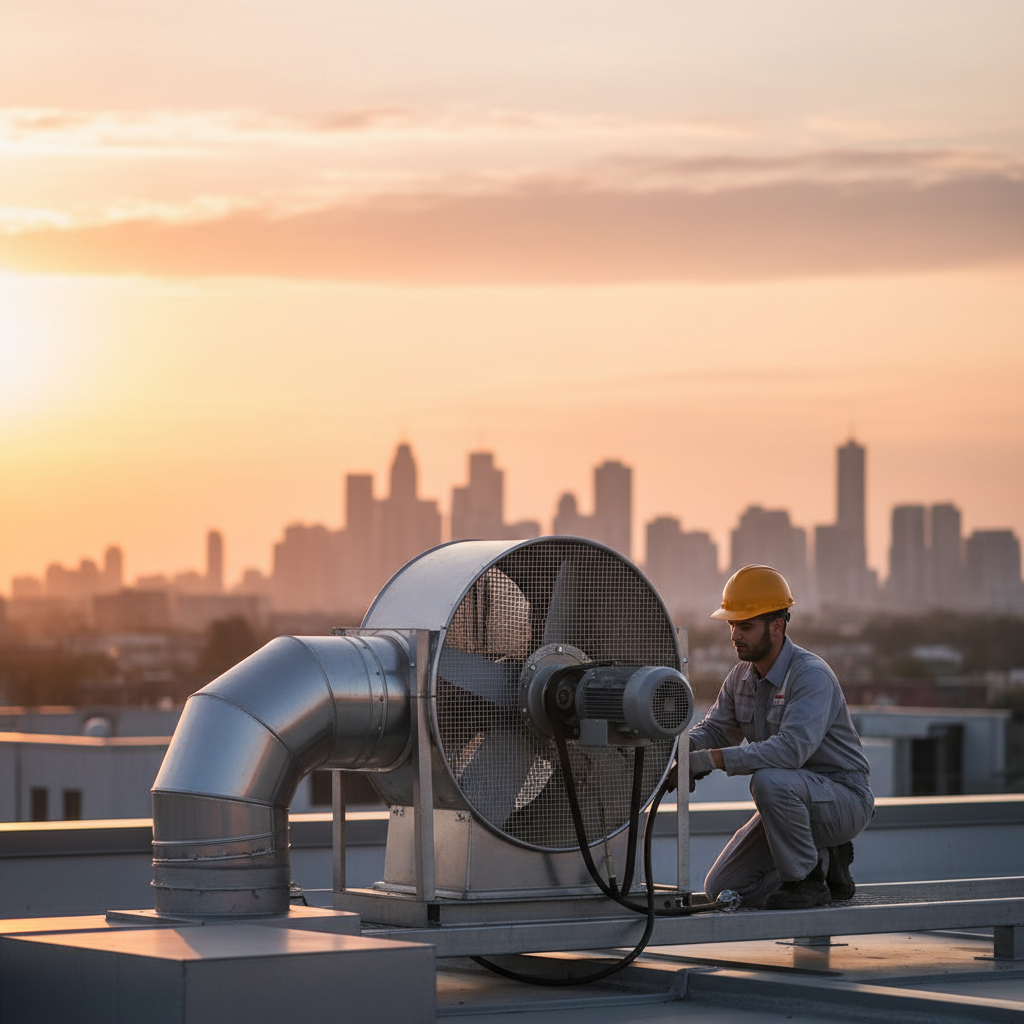
- Rooftop fan cleaning with grease containment clean-out and pad replacement.
- Documentation tags and service reports for your inspection file.
- Filter cleaning & exchange:
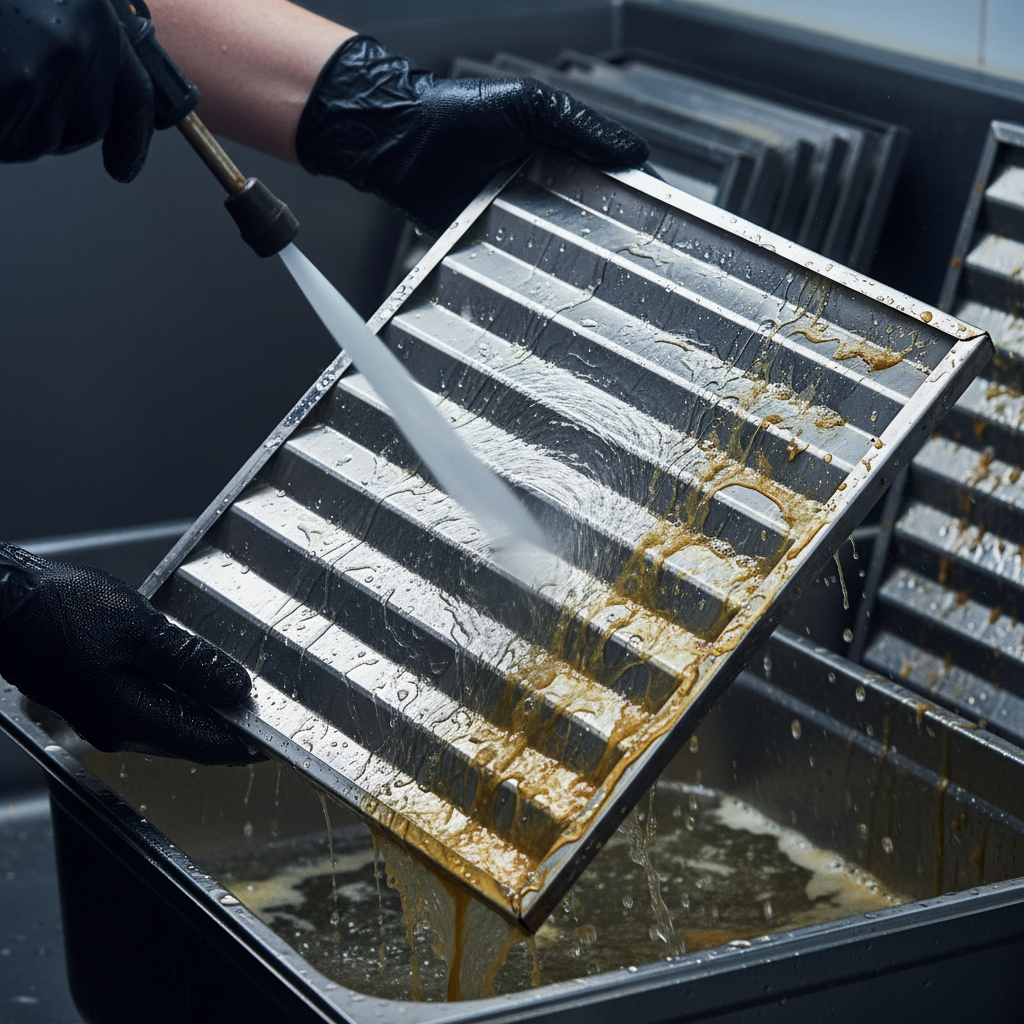
- Hot-pressure wash and degrease baffle filters; swap damaged units on site.
- Set a rotation (e.g., nightly rinse by staff; weekly deep clean; monthly exchange).
- Right fit prevents bypass and recirculation of grease mist.
- Exhaust fan and belt care:
- Clean blades and housings to restore CFM and reduce imbalance.
- Inspect/replace belts; adjust tension to stop slip and heat.
- Verify backdraft dampers and hinges for safe maintenance access.
- Grease trap service:
- Routine pumping and cleaning to control odors and prevent backups.
- Skimming schedules and baffle checks improve trap performance.
- Cleaner drains = less aerosolized odor near the line.
- Power washing and equipment cleaning:
- Degrease exterior surfaces so residue doesn’t re‑aerosolize with heat.
- Deep clean ovens, grills, and refrigeration gaskets to limit VOC sources.
- Safer floors and fewer slip hazards during peak prep.
- Make‑up air and diffuser tune-up:
- Adjust diffusers to avoid cross‑drafts across fryers and charbroilers.
- Balance MUA to match hood draw; reduce negative pressure complaints.
- Simple tests (tissue test at door) reveal building pressure issues.
- Enhanced filtration/abatement (case-by-case):
- Consider ESPs or UV systems where permitted for smoke/odor control.
- Always pair with a rigorous cleaning cadence to protect equipment.
- Pre-approval and maintenance plans are essential to keep performance high.
Want to align improvements to inspection criteria? Our NFPA 96 compliance guide and ventilation optimization framework outline practical checkpoints your managers can verify between services.
- On‑site capture test at the front edge of your hood.
- Filter condition review + exchange recommendation.
- Fan belt tension and vibration check.
We schedule around prep and close. WSIB‑insured, NFPA 96–certified crews.
Step-by-Step Improvement Plan (30/60/90 Days)
Use this simple plan to move from “smoky and hot” to “clear and steady.”
- Day 0–7: Assess and stabilize
- Walk the line at peak; note smoke roll‑out and hot spots.
- Check all baffle filters—replace bent, clogged, or undersized units.
- Book NFPA 96–aligned hood, duct, and fan cleaning with documentation.
- Quick test of MUA: doors hard to open = negative building pressure.
- Day 8–30: Restore capture performance
- Deep clean fans, housings, and rooftop grease containment.
- Set nightly rinse + weekly deep clean rotation for filters.
- Tune diffusers to stop cross‑drafts over fryers/char.
- Implement photo logs of hoods, ducts, fans after each service.
- Day 31–60: Lock in routines
- Adopt a service cadence by menu volume (see table below).
- Train leads to spot belt slip, vibration, and capture roll‑out.
- Schedule grease trap service to curb odors and backups.
- Align checklists with inspection expectations.
- Day 61–90: Optimize and monitor
- Trial a handheld anemometer for quick MUA verification.
- Consider advanced abatement where permitted for heavy smoke menus.
- Quarterly review of service photos with managers.
- Document updates for your insurance and inspection file.
Suggested Cleaning Cadence by Operation Type
| Operation Type | Typical Menu/Volume | Filter Rotation | Hood/Duct/Fan Service |
|---|---|---|---|
| Quick‑service (high fry) | High grease aerosol | Nightly rinse; weekly deep | Every 1–2 months |
| Casual dining (mixed cookline) | Moderate grease/smoke | Nightly rinse; biweekly deep | Every 2–3 months |
| Pizza/ovens (lower grease) | Lower grease; heat plume | Weekly rinse; monthly deep | Every 3–4 months |
| Solid fuel/char‑heavy | Very high smoke/particulate | Nightly rinse; weekly deep | Monthly (or per authority) |
Use this as a starting point; we’ll calibrate cadence to your volume, menu, and inspection history.
Air Quality Improvement Commercial Kitchens Checklist
Print this and stick it near your prep board. It keeps everyone aligned.
Daily
- Verify all baffle filters are seated, oriented correctly, and free of heavy grease.
- Scan the hood front edge during rush; note any smoke roll‑out.
- Wipe hood ledges, lights, and adjacent walls to prevent re‑aerosolization.
- Rinse filters after close (hot water + degreaser), allow to dry fully.
Weekly
- Deep clean filters; retire bent, warped, or undersized units.
- Check fan belt noise and vibration; log issues for service.
- Skim and inspect grease trap baffles and seals.
- Photo-log hood interior condition for trend tracking.
Monthly
- Review photo logs with managers; adjust cadence if residue builds quickly.
- Confirm hood cleaning tag date is current and visible.
- Walk MUA diffusers; adjust for drafts over fryers/charbroilers.
- Schedule a filter exchange if capture drops during peaks.
Quarterly
- NFPA 96–aligned hood, duct, and exhaust fan cleaning (or more often by volume).
- Rooftop grease containment media check and replacement.
- Manager refresher on capture checks and negative pressure signs.
Common Mistakes That Sabotage Clean Air
- Waiting for odor complaints before scheduling grease trap service.
- Using bent filters that create bypass gaps and leak grease mist.
- Ignoring belt squeal; slipping belts reduce capture and overheat pulleys.
- Undersized make‑up air causing door suction and hood spillover.
- Over‑spraying degreasers without proper rinse control, leaving residue.
- Skipping rooftop checks—fan housings and containment pads matter.
- No photo documentation to prove cleaning scope during inspections.
- One‑size‑fits‑all cadences that ignore menu and volume reality.
- Cross‑drafts from MUA diffusers pointed straight at the cookline.
- Cleaning during prep, forcing re‑soiling before service begins.
KPIs, Measurements, and Targets
Keep metrics simple and visual so line leads can verify quickly.
- Capture check: No visible smoke roll‑out at the hood edge during peak.
- Temperature delta: Back of house within a reasonable range of FOH (less hot‑spot drift).
- Filter visibility: Can you see light through filters? If not, deep clean or exchange.
- Fan health: No belt squeal; minimal vibration at the housing.
- Complaint count: Weekly log of staff/diner odor or smoke complaints trending down.
- Inspection readiness: Current tag displayed; last service photos on file.
Seasonal Adjustments for Ontario Kitchens
- Summer humidity: Grease sticks more; increase filter deep cleans and verify MUA tempering.
- Winter stack effect: Cold air infiltration can drag smoke to FOH; retune diffusers and check door seals.
- Shoulder seasons: Re‑check belt tension after temperature swings; rubber can glaze or stretch.
- Event peaks: Festivals and holidays spike volume—add a mid‑cycle filter exchange.
Safety & Compliance Alignment (NFPA 96)
Compliance isn’t paperwork—it’s the by‑product of disciplined maintenance.
- Follow NFPA 96 for Type I hoods, ducts, fans, and rooftop equipment.
- Keep service tags current and photo documentation on file.
- Use WSIB‑insured, NFPA 96–certified providers for legal protection and peace of mind.
- Match cleaning cadence to your menu and volume—inspectors look for evidence of need‑based scheduling.
For specifics, see our articles on NFPA 96 requirements and Ontario restaurant fire safety. They outline exactly what local inspectors expect to see.
5-Minute Line Huddle: Air Quality Micro-Training
- Show: Hold a napkin at the hood edge during sear; any roll‑out = call it out.
- Tell: “Squeal means belt slip.” Don’t ignore—log for service.
- Do: Seat filters correctly; wrong orientation leaks and hurts capture.
- Check: Feel for drafts across fryers; ask to retune diffusers if needed.
- Record: Add a quick note to the photo log after weekly deep cleans.
Symptom-to-Fix Matrix
| Symptom | Likely Cause | Best First Fix |
|---|---|---|
| Smoke curls out of hood | Clogged filters; belt slip; cross‑drafts | Exchange filters; belt check; retune diffusers |
| Grease odor in dining | Overdue trap; hood edge residue | Trap service; hood degrease |
| Doors hard to open | Building negative pressure | Balance MUA; verify airflow |
| Fan rattles or squeals | Loose/glazed belt; dirty blades | Replace belt; clean fan housing |
| Residue on lights/ceiling | Low capture; filter bypass | Re‑seat/replace filters; clean hood |
Tools, Filters, and Resources
Here’s what we bring—and what your team can use between visits.
- Baffle filters:
- Stainless steel, right size, with proper rake direction toward the hood interior.
- Quick visual: if you can’t see light through them, they’re ready for deep cleaning.
- Degreasers and hot‑water pressure systems:
- Professional, food‑service‑safe chemicals for hoods and ducts.
- Careful rinse control to protect ceilings, appliances, and rooftops.
- Fan service kit:
- Belts, alignment tools, hinge kits, and grease containment media.
- Vibration feeler and fasteners for quick rooftop fixes.
- Grease trap tools:
- Skimmers, pumps, and inspection mirrors.
- Seal checks to limit odors and pests.
- Simple monitors:
- Handheld anemometer for airflow spot checks.
- Infrared thermometer for hot‑spot mapping near fryers/ovens.
- Team checklist (copy/paste):
- Before service: verify all filters are seated and clean.
- During rush: scan for smoke roll‑out at hood front edge.
- After close: rinse filters; wipe hood edges, lights, and walls.
- Weekly: deep clean filters; note fan noise or vibration.
- Monthly: review photo log; confirm latest cleaning tag.
Want service details by equipment type? Review our ventilation optimization guide for quick wins line by line.
Local Tips
- Tip 1: If your kitchen backs onto the Highway 401 corridor, schedule rooftop fan service early morning to avoid traffic delays and to minimize disruptions for deliveries.
- Tip 2: Southern Ontario humidity spikes in summer—balance make‑up air then, and re‑check in winter when door stack effect can pull smoke into dining areas.
- Tip 3: During festival and holiday rushes, ask for a filter exchange just before your busiest weekend; Robinhood Cleaners operates 24/7 across All Over Ontario.
IMPORTANT: These tips reflect regional conditions and our certified commercial kitchen cleaning focus.
Ontario Case Studies and Mini-Examples
Fourteen real‑world scenarios we routinely solve across Ontario’s commercial kitchens.
- QSR fry line haze: Heavy fry program overwhelms clogged filters; weekly deep clean + monthly exchange cuts visible smoke by service two.
- Charbroiler plume roll‑out: Hood overhang short; diffuser cross‑draft makes it worse. We re‑angle MUA diffusers and clean fans—smoke capture restored.
- Door suction struggle: Staff feel a vacuum opening back doors. MUA undersized. After balancing and duct cleaning, pressure normalizes.
- Pizza deck heat dome: Lower grease but high heat. Filter rotation monthly + hood cleaning quarterly cools the line by several degrees.
- Solid fuel hotspot: Smoke and particulate overload. Increase cleaning cadence to monthly, add abatement where permitted, and photo‑log every visit.
- Odor migration to FOH: Grease trap overdue and hood edges coated. Trap service + hood degrease solves persistent dining complaints.
- Rooftop grease damage: Missing containment media causes staining. We clean fan, install pads, and set a replacement cycle.
- Belt squeal at lunch: Belt glazed and slipping; fan draw drops. On‑site belt replacement restores capture before dinner rush.
- Inspection anxiety: Past vendor missed fan housings. Our NFPA 96–aligned clean with photos and tags passes follow‑up inspection.
- Late‑night kitchen: 2 a.m. close. We schedule 24/7 service to avoid prep hours, with noise‑controlled washing for adjacent tenants.
- New manager onboarding: We train leads to spot capture roll‑out and keep a filter rotation; complaints drop in two weeks.
- Seasonal swing issues: Summer humidity + winter stack effect. Diffuser tweaks each season keep comfort steady.
- Multi‑unit chain standardization: We harmonize cleaning tags, cadence, and photo logs across locations for consistent compliance.
- Pop‑up volume spike: Temporary menu adds char. We add an extra filter exchange and mid‑cycle hood wipe to get through the week.
Want an end‑to‑end view of compliance? Review our in‑depth article on kitchen fire safety and NFPA 96—it aligns daily habits with inspection outcomes.
FAQ
- How do I know if my hood isn’t capturing enough smoke?
- Watch the hood’s front edge: if smoke curls out toward staff, capture is compromised.
- Other clues: belt squeal, visible residue near lights, and hard‑to‑open doors (negative pressure).
- What’s the fastest way to improve kitchen air this week?
- Swap clogged or bent baffle filters with clean, right‑size replacements.
- Schedule an NFPA 96–aligned hood, duct, and fan cleaning; verify MUA balance.
- How often should we clean the hood, ducts, and fan?
- Cadence depends on menu and volume. High‑fry or char kitchens often need 1–2 month service; lower‑grease operations trend quarterly.
- Use our table above as a baseline and adjust after two cycles.
- Do better filters solve smoke by themselves?
- They help, but filters can’t fix belt slip, undersized MUA, or dirty fans.
- Think system: capture, transport, replacement, and verification.
- What documentation should I keep for inspections?
- Latest hood cleaning tag, service reports, and before/after photos of hoods, ducts, and fans.
- Keep them in a binder or shared drive labeled by date and location.
Key Takeaways + Next Steps
- Air quality improvement commercial kitchens starts with certified cleaning, healthy filters, and balanced make‑up air.
- Fire risk drops sharply when ducts and fans are truly degreased and documented.
- Comfort and retention improve when smoke capture is stable during rush.
- Simple checks (filter swaps, belt listen, diffuser tweaks) keep performance steady between visits.
Action Steps
- Book an NFPA 96–aligned hood, duct, and exhaust cleaning service.
- Request a certified inspection tag with photo documentation.
- Set a filter rotation and grease trap service schedule that matches your menu.
- Plan seasonal diffuser adjustments to reflect Ontario weather shifts.