Grease doesn’t wait for closing time. When a pan flares, a hood drips, or a trap overflows, you need emergency kitchen cleaning protocols you can trust—fast. This complete guide is written for Ontario restaurants and institutional kitchens and shows exactly what to do in the first 15 minutes and the next 24 hours, plus when to call NFPA 96–certified professionals like Robinhood Cleaners for 24/7 help.
- Follow a clear, step-by-step emergency response your team can use tonight.
- Reduce fire risk, downtime, and inspection friction with proven checklists.
- Know when an incident requires certified kitchen exhaust cleaning and documentation.
- Adapt the playbook to single-location and multi-unit operations across Ontario.
Quick Summary
- What this covers: Emergency kitchen cleaning protocols for flare-ups, smoke rollback, filter blowouts, fan failures, and grease trap overflows.
- Who it’s for: Restaurant owners, kitchen managers, franchise operators, hospitality and institutional foodservice leads.
- Core outcome: Restore a safe, compliant line quickly while protecting staff and preparing for any inspection.
Quick Answer
Emergency kitchen cleaning protocols prioritize life safety, isolate fuel and power, contain and remove grease, sanitize work zones, and document every step. In All Over Ontario at All Over Ontario, Robinhood Cleaners provides 24/7 NFPA 96–certified response for hoods, ducts, fans, appliances, and grease traps—so you can return to safe operations fast.
Table of Contents
- What Are Emergency Kitchen Cleaning Protocols?
- Why These Protocols Matter
- How the Protocol Works (Step-by-Step)
- Incident Types & Matching Methods
- Best Practices Under Pressure
- Tools & Resources (Cart + Binder)
- Training, Drills & Readiness
- The First 24 Hours: Recovery Plan
- Compliance, Safety & Documentation
- Common Errors to Avoid
- Mini Case Studies (Ontario)
- FAQ
- Key Takeaways
What Are Emergency Kitchen Cleaning Protocols?
They’re written, rehearsed procedures your team follows after a kitchen incident—grease flare-ups, smoke events, filter blowouts, fan failures, or grease trap overflows—to remove hazards, protect staff, and return to compliant service without guesswork.
- Safety first: shut off fuel/electric to affected equipment; evacuate if fire spreads beyond control.
- Stabilize the scene: contain grease and water; reduce slip hazards; ventilate smoke without feeding flames.
- Targeted cleaning: degrease impacted surfaces, fixtures, and the exhaust path entry points (hood, plenum, throat).
- Verification: confirm hood, ducts, and fan are free of combustible residue to NFPA 96 intent.
- Documentation: log steps, photos, and service calls for inspectors and insurance.
Why These Protocols Matter
- Fire hazard reduction: Grease can ignite at temperatures common on the line; residues in hoods and ducts worsen the risk.
- Staff health & air quality: Smoke and aerosols degrade breathing air and visibility, increasing incident risk.
- Compliance confidence: NFPA 96 and local codes expect maintained, clean exhaust systems.
- Equipment uptime: Clean blades, housings, and filters keep systems cooler and quieter.
- Inspection readiness: Clean, documented systems remove friction with Authorities Having Jurisdiction (AHJs).
How the Protocol Works (Step-by-Step)
Post-incident response must be simple, safe, and repeatable—especially during a rush. Use this field-tested flow.
- Secure the area (0–2 minutes):
- Engage kill switches: gas, electric, and make-up air if advised by policy.
- Use Class K extinguisher for grease fires; never use water on hot oil.
- Post wet-floor signs/cones; assign one person as scene lead.
- Evacuate if fire extends beyond appliance; prioritize life safety.
- Stabilize ventilation (2–5 minutes):
- Open back doors for crossflow; don’t aim fans at flames or hot oil.
- If the exhaust fan is compromised, lock it out until inspected.
- Check for smoke rollback at the hood; note any visible residue.
- Contain and remove grease (5–20 minutes):
- Lay oil-absorbent pads; scoop, then wipe—don’t smear grease into seams.
- Use food-safe alkaline degreaser on hoods, backsplashes, fryers, and floors.
- Swap saturated hood filters for clean spares; bag and label the used set.
- Protect drains; collect residues for proper disposal—don’t flush grease.
- Assess the exhaust path (20–40 minutes):
- Visually inspect hood plenum, duct throat, and fan housing if safe to access.
- If residue or smoke backflow is present, schedule certified hood cleaning frequency guidance–aligned service ASAP.
- Sanitize food-contact zones (parallel task):
- Degrease, rinse, then sanitize with a food-contact safe sanitizer per label.
- Discard exposed food and single-use items within the splash or smoke zone.
- Document and decide (within 60 minutes):
- Log times, actions, and photos; note any injuries and PPE use.
- Call an NFPA 96–certified provider for same-night exhaust cleaning if components were affected.
- Record service ETA; plan reopening steps based on verification outcomes.
| Phase | Objective | Lead Role | Time Target | Go/No-Go to Reopen |
|---|---|---|---|---|
| Secure | Eliminate active hazards | Manager on Duty | 0–2 min | All flames out, power isolated |
| Stabilize | Vent smoke, prevent slips | Line Lead | 2–5 min | Visible smoke reduced |
| Clean | Remove grease & residues | Trained Crew | 5–40 min | Surfaces non-greasy to touch |
| Verify | Check hood/duct/fan condition | Manager + Tech | by 60 min | Exhaust path confirmed safe |
Pro tip: Keep two complete sets of hood filters on-site. During an emergency clean, swap immediately and schedule professional filter cleaning & exchange after hours.
Incident Types & Matching Methods
Not all emergencies are equal. Match your response to the incident class.
Common Incident Types
- Pan flare-up: Localized grease ignition on the line; risk of splatter inside the hood plenum.
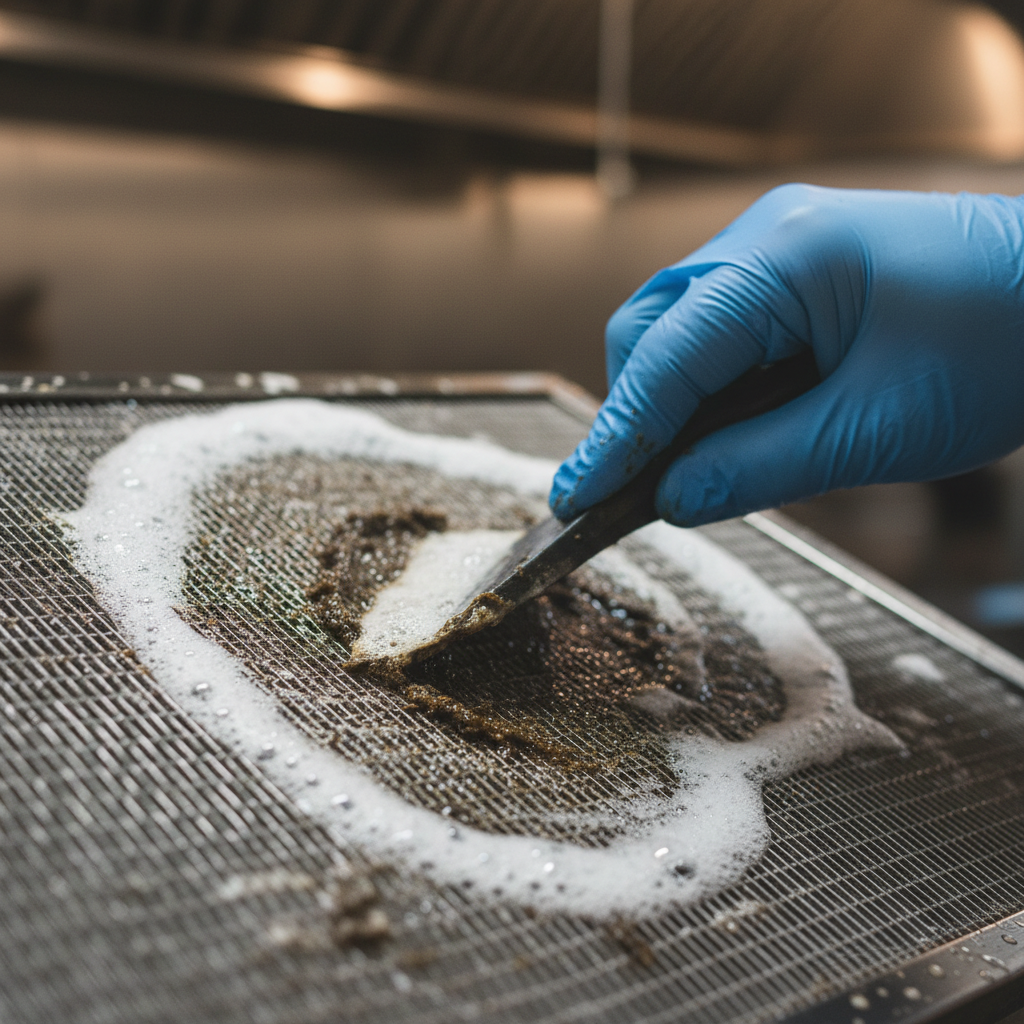
- Filter blowout: Super-saturated baffles drip onto equipment and floors; capture efficiency drops.
- Smoke rollback: Exhaust restriction or fan failure causes smoke to pool under the hood.
- Fan failure: Belt snap or seized bearings disable exhaust; heat and smoke accumulate.
- Grease trap overflow: Fats, oils, and solids back up into prep areas; sanitation risk.
- Sewer backup during rush: Unsanitary conditions halt service; immediate containment required.
Cleaning Methods You’ll Use
- Dry contain → wet clean: Absorbents first, then degrease and rinse. Never push grease into seams.
- Alkaline foam degreasing: Clings to vertical hood and duct throats for dwell-time effectiveness.
- Low-pressure rinse: Reduces overspray in tight kitchens and near electrical components.
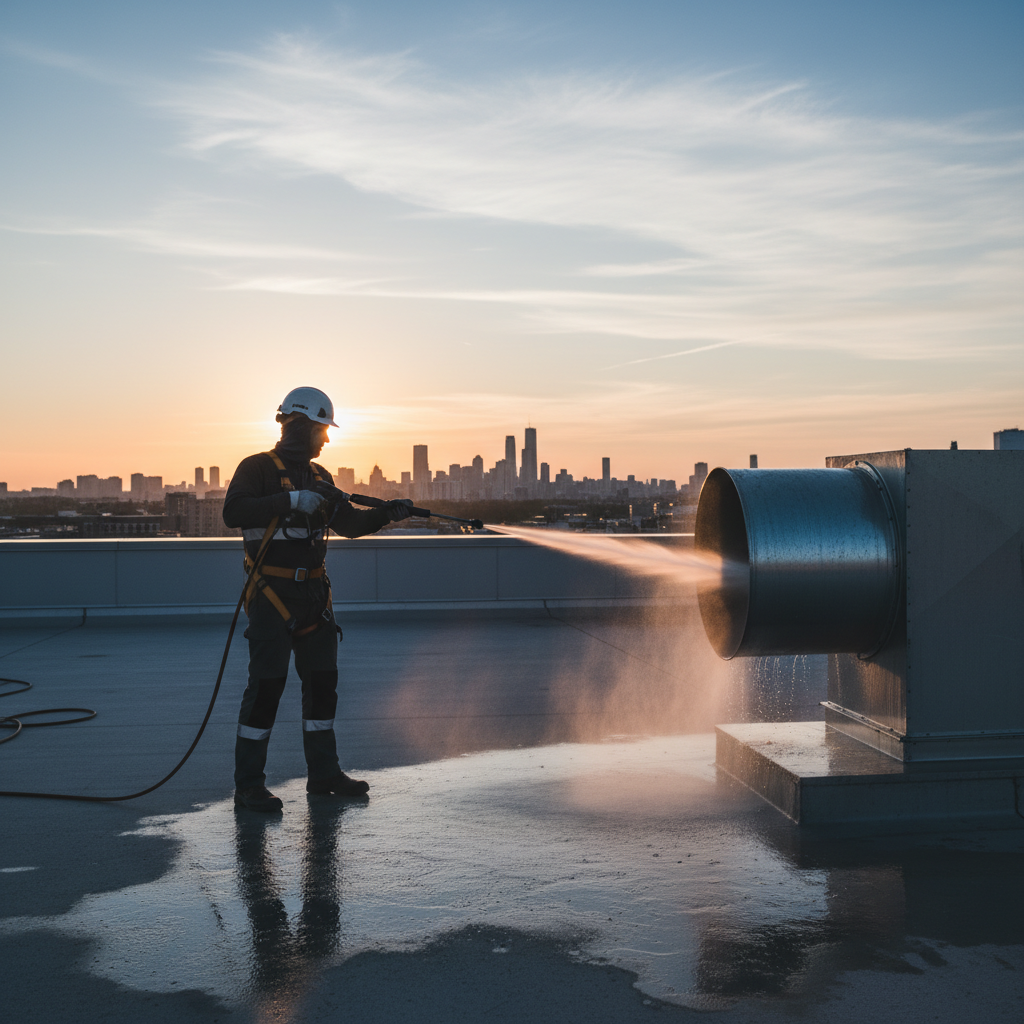
- Hot-water power washing (outdoors): For rooftop fans and housings—protect wiring and curbs.
- Steam detail: Targets gaskets, hinges, and hard-to-reach seams without harsh abrasion.
- Grease trap service: Pump, clean, and reset baffles to restore flow and eliminate odors.
Decision Points: DIY vs Certified
- Any evidence of grease inside the hood plenum or duct throat warrants certified exhaust system cleaning.
- Smoke rollback or residue visible at the fan curb/blades requires fan and duct attention.
- Repeated filter saturation means you need a grease buildup removal strategy and a filter exchange cadence.
- Overflowing or chronically slow grease traps need professional grease trap service.
- Before any AHJ or health inspection, schedule a certified pre-inspection deep clean.
Best Practices Under Pressure
- Pre-assign roles: scene lead, extinguisher, runner, scribe, sanitizer.
- Stage PPE: cut-resistant gloves, splash goggles, aprons, and non-slip footwear.
- Lockout/Tagout: tag compromised fans/appliances until cleared by qualified personnel.
- Use food-safe chemicals: degreasers and sanitizers approved for commercial kitchens.
- Ventilate smart: create crossflow without feeding flames or aerosolizing grease.
- Double-clean high-touch zones: hood handles, switches, fryer surrounds, floor junctions.
- Photo-document: before/after photos build training assets and inspection confidence.
- Close the loop within 24 hours: schedule certified exhaust and commercial equipment deep cleaning to reset baselines.
Tools & Resources (Cart + Binder)
Build an emergency cart and a response binder so even new staff can act without guessing.
Emergency Cart Checklist
- Class K extinguisher (inspected and within reach)
- Absorbent pads and oil dry, heavy-duty trash bags
- Alkaline, food-safe degreaser; foaming sprayer and labeled spray bottles
- Color-coded microfiber, scrapers, scouring pads, squeegee, floor scrub brush
- Spare hood filters set, labeled and ready
- PPE: gloves, goggles, aprons, non-slip overshoes
- Lockout/tagout kit with tags, zip ties, and padlocks
- Wet-floor signs and caution cones
- Headlamps and portable LED work light
Response Binder Tabs
- 1-page incident flow (this guide’s step-by-step)
- Emergency contacts (internal leads and certified vendors)
- Equipment schematics and breaker/fuel shutoff locations
- SDS for chemicals used on-site
- Daily/weekly hood and filter checks
- Grease trap maintenance log and pump-out schedule
- Post-incident report template with photo checklist
Training, Drills & Readiness
- Quarterly drills: Walk through the first 10 minutes—kill switches, extinguisher use, wet-floor controls, filter swap, binder logging.
- New-hire onboarding: Day-one basics: what “smoke rollback” looks like, where the binder/cart lives, and who the call tree starts with.
- Visual cues: Post a 1-page emergency flow at eye level on the line near the hood handle.
- Competency sign-off: Have staff demonstrate extinguisher pass (P.A.S.S.), PPE don/doff, and filter handling.
- Vendor integration: Share your contact and escalation tree with your certified cleaning partner.
- Multi-unit playbook: Standardize forms and photos; create a shared drive for incident logs and service reports.
The First 24 Hours: Recovery Plan
After the initial cleanup, a disciplined recovery prevents repeat issues and inspection surprises.
Within 2 Hours
- Confirm a service window with a certified team for hood, duct, and fan cleaning.
- Set aside the saturated filter set for professional filter cleaning & exchange.
- Stabilize menu to reduce smoke/grease output until verification is complete.
Same Night
- Certified technicians clean the exhaust path end-to-end (hood → ducts → fan).
- Technicians photo-document findings and corrective actions for your binder.
- Fans are rebalanced as needed; verify belts, pulleys, and bearings.
Next Morning
- Conduct a manager walk-through: touch-test surfaces for grease, confirm airflow.
- Review photos and reports; file them under the incident date for audits.
- Adjust your hood cleaning frequency and filter change cadence based on usage patterns.
Within One Week
- Close any preventive maintenance gaps (hinge kits, access panels, splash guards).
- Book commercial appliance cleaning to reset oven, grill, and fryer baselines.
- Hold a 10-minute retrospective: what worked, what to improve, who needs refreshers.
Compliance, Safety & Documentation
- NFPA 96 alignment: Cooking exhaust systems must be inspected and cleaned to minimize fire risk by trained, qualified personnel.
- AHJ coordination: Keep reports accessible and log service dates; some AHJs request visible tags on hoods/fans.
- Food safety: After degreasing, sanitize food-contact surfaces; discard impacted food and single-use items.
- Worker safety: Stage PPE; follow LOTO when a fan or appliance is compromised.
- Environmental care: Don’t flush grease; dispose through approved recycling or waste streams.
For a deeper overview of local expectations, see our guide on restaurant fire safety standards in Ontario and align your nightly walkthrough with those points.
Common Errors to Avoid
- Using water on hot oil: Spreads flames and injuries—use Class K only.
- Restarting a smoky fan: Pushes residue deeper; get it inspected and cleaned first.
- Wiping without absorbing first: Smears grease into seams and floor joints; use absorbents.
- Neglecting filters: Saturated baffles defeat capture and feed flare-ups.
- No documentation: Missing logs frustrate inspectors and insurers; take photos.
- DIY inside ducts: Unsafe and noncompliant—call certified techs.
Mini Case Studies (Ontario)
Condensed scenarios from kitchens across Southern Ontario—use them to pressure-test your plan.
- 1) Friday flare-up under the sauté station: Crew isolated gas, used Class K, swapped filters, and scheduled a same-night hood and duct cleaning to remove splatter in the plenum. Reopened for late seating.
- 2) Fan belt snapped mid-rush: Manager locked out the fan, shifted to a reduced menu, and called for emergency fan cleaning and belt replacement. Smoke rollback resolved after service.
- 3) Persistent grease drip at the fryers: Filters were end-of-life. Team installed spares and arranged a filter cleaning and exchange program to prevent saturation.
- 4) Trap overflow during banquet prep: Absorbents controlled the spread; prep areas were sanitized; a grease trap service cleared fats, oils, and solids. Kitchen documented and resumed cold prep.
- 5) Smoke alarm triggered by residue in duct throat: Visual check found glaze at the hood entry. A certified exhaust system cleaning removed the buildup before the evening rush.
- 6) Rooftop fan grease cake: Technician performed hot-water power washing and degreased the housing and blades; added a fan hinge kit to protect wiring during future maintenance.
- 7) Grill line aerosolized grease on ceiling baffles: Staff degreased and sanitized high-touch zones; scheduled hood cleaning plus make-up air balance check to improve capture.
- 8) New team member used water on hot oil: Supervisor intervened; retraining emphasized Class K use and posted a 1-page emergency flow at eye level.
- 9) Inspection scheduled after minor flare: Management requested a pre-inspection deep clean of hoods, ducts, and appliances and logged documentation in the binder.
- 10) Conveyor oven carbonized residue: Appliances received professional cleaning; belt guard areas steam-detailed; airflow improved and smoke drift stopped.
- 11) Seasonal menu increased fryer load: Grease removal frequency was updated; added interim wipe-down each shift and a quarterly exhaust cleaning cycle.
- 12) Odor complaints in dining room: Exhaust fan cleaned and balanced; grease trap pumped; air quality improved and guest complaints ceased.
- 13) Multi-unit chain alignment: Standardized emergency checklists, shared photos, and booked 24/7 on-call coverage for all Southern Ontario locations.
Local Tips
- Tip 1: If you operate near Highway 401 or QEW corridors, plan overnight service windows to avoid traffic delays for rooftop fan or duct access.
- Tip 2: Winter in Southern Ontario means icy roofs—ensure safe access and schedule rooftop fan cleaning for daylight when possible.
- Tip 3: During summer festival rushes, add a mid-season filter exchange and grease trap check to keep capture and flow stable.
IMPORTANT: Keep emergency contacts posted by the manager’s desk and in the response binder.
FAQ
How fast should we act after a small grease fire?
Immediately. Once flames are out and power is isolated, start containment and degreasing within minutes. Swap saturated filters, ventilate smoke, and document. If any residue reached the hood plenum or ducts, arrange certified exhaust cleaning the same night.
When do we need an NFPA 96–certified team instead of in-house cleanup?
Any time grease has entered the hood plenum, ductwork, or exhaust fan; when smoke backflows into the kitchen; or when fans or belts fail. Certified technicians clean and verify the full exhaust path safely and provide documentation for inspectors and insurers.
What should be in our emergency cart?
Class K extinguisher, absorbents, food-safe degreaser, microfiber, scrapers, spare hood filters, PPE, lockout/tags, wet-floor signs, and a portable LED work light. Keep it labeled and restocked after every incident or drill.
How do we prove we cleaned properly after an incident?
Use a 1-page checklist with timestamps and photos. Note fuel/electric isolation, degreasing and sanitizing steps, filter swaps, and the call time to certified cleaners. File the service report and photos in your response binder.
Can we keep serving during an exhaust outage?
Only if your AHJ and safety policies permit a reduced menu that doesn’t require exhaust capture. Otherwise, lock out affected equipment and arrange emergency service to restore compliant ventilation before resuming normal cooking.
Key Takeaways
- Write and rehearse emergency kitchen cleaning protocols so action is automatic under pressure.
- Prioritize life safety, isolate utilities, contain grease, and verify the exhaust path.
- Document everything—photos and logs turn emergencies into passing inspections.
- Close the loop within 24 hours with certified hood, duct, fan, and grease trap service.
- Standardize across locations to protect teams and uptime during Ontario’s busiest seasons.
Ready to turn this guide into a working playbook? We can help you customize checklists, train teams, and establish 24/7 coverage.
Next step: Book a quick readiness review with Robinhood Cleaners—NFPA 96 certified and WSIB insured—serving all of Ontario with rapid response in Southern Ontario.