A commercial kitchen ventilation system guide is a clear, step-by-step manual for selecting, operating, and maintaining hoods, ducts, fans, baffle filters, and make-up air so your restaurant stays safe, compliant, and comfortable. It defines what to install, how components work together, and the maintenance cadence needed to reduce fire risk and improve air quality.
By Robinhood Cleaners Last updated: 2026-04-10
Above the Fold: Why This Guide Matters + Table of Contents
Use this commercial kitchen ventilation system guide to design, tune, and maintain ventilation that captures grease and smoke at the source, follows NFPA 96 expectations, and balances make-up air for comfort. Jump to definitions, system design, hood types, best practices, tools, Ontario case examples, and a service-focused FAQ.
- What you will learn:
- Core ventilation components: hoods, filters, ducts, fans, and make-up air.
- Design basics: capture, convey, exhaust, and replace air without guesswork.
- Maintenance cadence matched to real kitchen workloads.
- Ontario-focused practices from WSIB-insured, NFPA 96-aligned crews.
- Who it is for:
- Restaurants, quick service, food courts, hotels, and institutional kitchens.
- Owners, chefs, facility managers, and safety or compliance leads.
- Table of contents:
- What Is a Commercial Kitchen Ventilation System?
- Why Ventilation Matters for Safety, Comfort, and Compliance
- How a Kitchen Ventilation System Works
- Types of Hoods, Fans, and Duct Configurations
- Best Practices That Keep You Fire-Safe
- Tools, Standards, and Resources
- Ontario Case Examples
- FAQ: Ontario Kitchens
- Wrap-Up, Key Takeaways, and Next Steps
Quick Answer
A commercial kitchen ventilation system guide shows Ontario restaurants how to size, operate, and maintain hoods, ducts, fans, and make-up air to meet NFPA 96 expectations and cut fire hazards. Robinhood Cleaners serves All Over Ontario with 24/7 NFPA 96-aligned cleaning, filter exchanges, fan belt replacement, and full ventilation system maintenance.
Summary
A strong ventilation program removes heat, smoke, and grease at the hood and replaces air with balanced make-up air. Pair good design with routine hood, duct, and fan cleaning to maintain capture, protect staff, and satisfy inspectors. This guide distills practical steps you can apply immediately.
- Ventilation is a system: capture at the hood, convey through ducts, exhaust with a fan, then replace with make-up air.
- Fire safety depends on clean hoods, ducts, and fans supported by a reliable filter routine.
- Comfort relies on balanced make-up air and correct airflow at the hood face.
- Maintenance frequency follows cooking volume, fuel type, and inspection history.
- Documentation matters: logs, photos, and service reports streamline inspections.
Local Tips
- Tip 1: If your site is near Southern Ontario corridors like Highway 401, QEW, or 403, schedule rooftop fan service after the dinner rush for safer access and fewer delivery conflicts.
- Tip 2: Summer humidity and heat amplify kitchen load. Tune make-up air units before July and again after fall menu changes to keep the line comfortable.
- Tip 3: Snow and ice can jam rooftop fan hinges and strain bearings. Ask for hinge kits and winter checks to protect exhaust performance.
IMPORTANT: These field notes reflect what our crews see across All Over Ontario locations we service around the clock.
What Is a Commercial Kitchen Ventilation System?
A commercial kitchen ventilation system is the integrated set of hoods, baffle filters, ducts, fans, and make-up air that captures grease-laden vapor and heat at the source and exhausts them outdoors. Paired with routine NFPA 96-aligned cleaning, it reduces fire hazards, improves air quality, and maintains comfortable cooking conditions.
Core components you will manage
- Hood (Type I for grease, Type II for steam): Captures heat, smoke, and grease at the appliance line.
- Baffle grease filters: Force airflow to change direction so grease drops into troughs, not ducts.
- Ducts and access panels: Convey exhaust to the fan; access doors enable complete cleaning.
- Exhaust fan (upblast or inline): Moves air outdoors; hinges and grease containment protect the roof.
- Make-up air (MUA): Brings conditioned outdoor air back in to balance pressure and comfort.
Why definitions matter to operators
- Shared language speeds fixes: When chefs, general managers, and service vendors speak precisely, problems get solved faster.
- Inspection-readiness improves: Clear logs for hoods, ducts, and fans help demonstrate due diligence to authorities having jurisdiction.
- Training is simpler: New team members learn what to check, wipe, and report without confusion.
In our experience across Ontario restaurants, kitchens that standardize these definitions cut troubleshooting time and keep airflow consistent across shifts. Many operators see fewer guest complaints once capture is stable during peak service.
Why Ventilation Matters for Safety, Comfort, and Compliance
Ventilation protects people and property. Strong capture prevents flare-ups from igniting grease, maintains breathable air for crews on a hot line, and aligns with what inspectors expect. Balanced with make-up air, the system stops smoke migration to dining rooms and supports a better guest experience.
Safety: reduce fire hazards at the source
- Grease removal limits fuel: Clean filters, ducts, and fans reduce combustible buildup.
- Access doors enable full cleaning: Properly spaced panels let technicians reach every bend.
- Rooftop protection: Hinged fans and grease containment keep roofs clean and reduce ignition risk.
Comfort: keep staff productive and guests happy
- Balanced air stops drafts and hot spots: Make-up air should temper and diffuse evenly across the line.
- Capture at the hood keeps dining rooms clear: Less smoke migration means fewer odor complaints.
- Noise control: Correct fan speeds avoid the jet-engine effect during rush.
Compliance: document what inspectors want to see
- NFPA 96-aligned maintenance logs: Record dates, scope, and photos for hoods, ducts, and fans.
- Filter exchange records: Track changeouts to prove consistent capture efficiency.
- Training attendance sheets: Keep basic hood-care training visible for staff and auditors.
For airflow and comfort ideas you can apply today, see our notes in ventilation system efficiency in commercial kitchens, where small adjustments create big comfort gains.
How a Kitchen Ventilation System Works
The system captures hot, grease-laden air at the hood, separates grease at baffle filters, moves air through ducts to an exhaust fan, and releases it outdoors. Make-up air then replaces the exhausted volume to stabilize pressure and comfort. If any link is weak, capture suffers and smoke migrates.
From appliance to rooftop: the airflow path
- Capture: Hood overhang and face velocity pull the cooking plume into the canopy.
- Filter: Baffle filters separate and drain grease into troughs and cups.
- Convey: Grease-rated ducts carry air upward with code-compliant clearances.
- Exhaust: Upblast or inline fans move air out with maintained belts and bearings.
- Replace: Make-up air supplies conditioned air to prevent negative pressure and door drag.
Common weak points we fix weekly
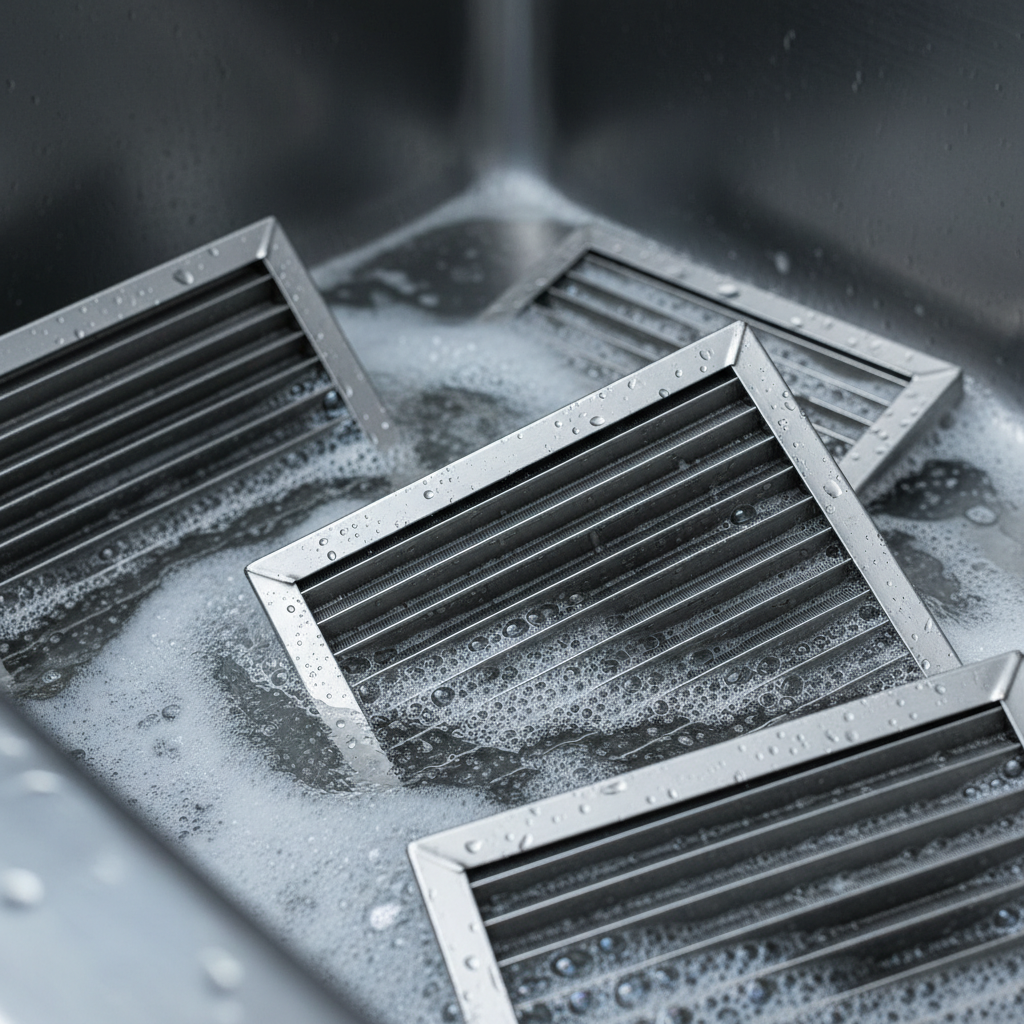
- Clogged baffles: Grease-choked filters reduce capture and strain fans.
- Loose or worn belts: Fans underperform, causing smoke roll-out during rush.
- Hidden duct grease: Unserviced elbows accumulate fuel and increase fire risk.
- Starved make-up air: Backdrafts pull smoke into the dining room and trigger complaints.
Action checklist for operators
- Confirm hood overhang covers all active appliances with room for plume capture.
- Set a weekly filter wash routine; schedule professional filter cleaning and exchange when needed.
- Log fan belt inspections; replace at the first signs of glazing, cracking, or fray.
- Verify make-up air starts whenever the exhaust runs; align with seasonal settings.
- Document everything with dates, photos, and signatures to support inspections.
For step-by-step tuning ideas, review our kitchen ventilation optimization guide and apply the airflow checks during pre-service.
Types of Hoods, Fans, and Duct Configurations
Match hood type to the cooking duty and select fan and duct layouts that preserve service access. Type I hoods with baffles are for grease producers; Type II handle heat and steam. Use hinged upblast fans and grease containment to protect rooftops and simplify cleaning.
Hood categories and ideal use cases
- Type I (grease): Fryers, griddles, charbroilers, wok ranges, and pizza ovens that produce grease.
- Type II (condensate): Steamers, dishwashers, pasta cookers, and low-grease appliances.
- Backshelf and proximity hoods: Compact lines and QSRs with limited overhang clearance.
- Wall-canopy and island-canopy: Full lines, high heat loads, and flexible equipment arrangements.
Exhaust fans and rooftop details
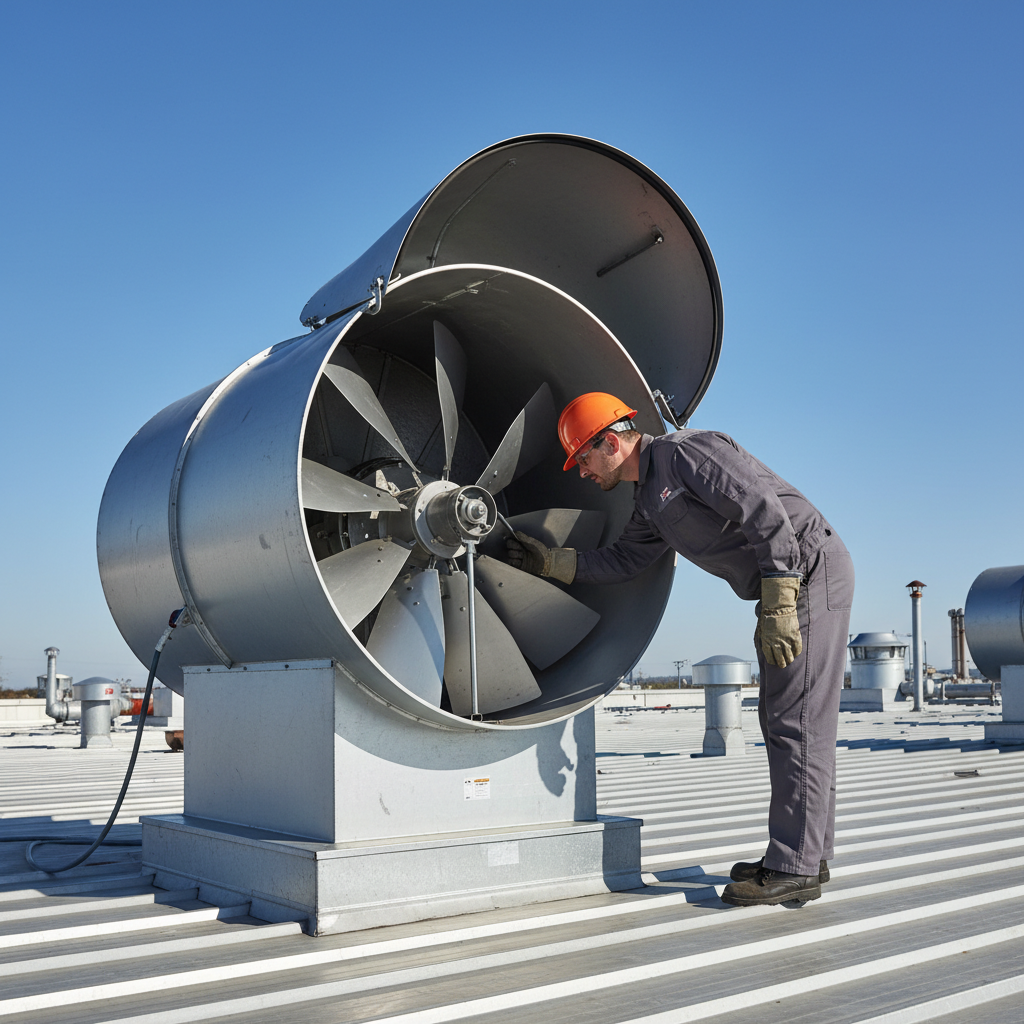
- Upblast fans with hinge kits: Essential for safe cleaning access and belt service.
- Grease containment systems: Keep roofs clean and reduce slip and fire hazards.
- Inline fans: Help where roof access is limited or duct runs are complex.
Duct routing and access
- Straight, vertical runs are best: Fewer elbows mean easier cleaning and less buildup.
- Access panels at intervals and turns: Allow complete degreasing per NFPA 96 intent.
- Fire-rated clearances: Maintain code distances to combustibles along the route.
| Hood Type | Best For | Pros | Watchouts |
|---|---|---|---|
| Type I (Grease) | Fryers, griddles, charbroilers | Grease capture, fire protection features | Requires routine degreasing and access doors |
| Type II (Condensate) | Steamers, warewashing, low-grease | Lower exhaust volumes | Not for grease-producing appliances |
| Backshelf/Proximity | Tight QSR lines | Efficient capture close to source | Sensitive to placement and overhang |
For operational guidance on keeping hoods pristine, explore our commercial kitchen hood cleaning guide, which pairs daily wipes with periodic deep cleans.
Best Practices That Keep You Fire-Safe
Prioritize grease control at the hood, consistent filter exchange, full-duct cleaning with documented access, and proactive fan belt checks. Balance exhaust with make-up air across seasons. Train crews on daily hood care and log all work to streamline inspections and insurance reviews.
Daily and weekly routines for the line
- Wipe hood interiors, rails, and troughs at close with food-safe degreasers.
- Empty grease cups before the rush; keep spare cups ready to swap.
- Wash or swap baffle filters on a set weekly cadence and verify correct orientation.
- Verify the exhaust fan starts cleanly and sounds consistent during open.
Monthly and quarterly professional tasks
- Schedule NFPA 96-aligned hood, duct, and fan cleaning with photo documentation.
- Replace worn belts; check fan hinges, bearings, and grease containment.
- Inspect access doors, duct seams, and roof conditions after every deep clean.
- Rebalance make-up air settings as menu or weather shifts create new heat loads.
Documentation that saves time
- Keep service tags and digital reports accessible in a shared folder.
- Store before and after photos tied to dates and areas cleaned.
- Log filter exchange dates and employee training sessions for quick audits.
- Confirm hood overhang and capture during a live saute test.
- Ensure baffle filters are oriented correctly (arrows toward airflow).
- Open each duct access door during professional cleaning.
- Test fan belts for tension and listen for bearing noise.
- Verify MUA heat or cool settings match the season.
Tools, Standards, and Resources
Successful programs blend the right tools with recognized standards and reliable partners. Use food-safe degreasers, scrapers, heated low-pressure rinsers, hinge kits, and grease containment. Follow NFPA 96 expectations. Partner with WSIB-insured, 24/7 crews who document every service with photos and tags.
Field-proven tools we rely on
- Stainless baffle filters and spare sets: Maintain capture while one set is being cleaned.
- Hinge kits and grease containment: Safer rooftop access and cleaner surfaces.
- Food-safe degreasers, scrapers, and pads: Effective removal without damaging finishes.
- Low-pressure heated rinsers: Flush residue without forcing water past seams.
Standards and named references
- NFPA 96: Widely referenced for ventilation control and fire protection in commercial cooking. For a practical overview tailored to operators, see these compliance notes: NFPA 96 compliance requirements for restaurants and the Ontario-focused NFPA 96 playbook.
- Local code expectations: Ontario inspectors commonly reference NFPA 96 during walk-throughs and reviews.
- Manufacturer manuals: Hood, filter, and fan instructions contain critical maintenance and safety notes.
Choosing the right partner in Ontario
- NFPA 96-aligned cleaning and documentation: Ask for service reports with photos and clear tagging.
- WSIB insured and 24/7 availability: Confirms protection and flexible scheduling for busy kitchens.
- Full-service scope: Hood, duct, fan, filter exchange, grease trap, and power washing under one roof.
To improve the breathing zone for cooks, visit our practical kitchen air quality improvement tips and align those with your HVAC and make-up air settings.
Ontario Case Examples
Real kitchens prove the point: disciplined filter care, full-duct cleaning, and seasonal make-up air checks cut smoke roll-out and grease hazards. These Ontario examples mirror common challenges and show how small adjustments deliver outsized safety and comfort gains.
QSR line with heavy fry load (Southern Ontario)
- Problem: Rush-hour smoke roll-out and an oily film near the pass.
- Findings: Grease-choked baffles and a slipping fan belt reducing airflow.
- Fix: Filter cleaning and exchange program plus belt replacement and a hinged fan kit for safer rooftop access.
- Result: Noticeable capture improvement and fewer dining room odor complaints within the first week.
Food court wok station (mall location)
- Problem: Negative pressure pulling smoke into common areas during lunch peaks.
- Findings: Make-up air not starting with exhaust; diffuser partially clogged.
- Fix: Interlock check, diffuser cleaning, and a modest make-up air reset.
- Result: Stable capture and better comfort for crew and guests throughout the day.
Institutional kitchen (campus setting)
- Problem: Persistent grease streaks at a vertical duct elbow near the roof.
- Findings: No access panel at the turn; cleaning repeatedly missed the hotspot.
- Fix: Installed a code-appropriate access door, then deep cleaned the duct and fan housing.
- Result: Hazard removed and photos documented for the safety team and insurer.
| Kitchen Type | Typical Activity | Suggested Professional Cleaning Cadence | Operator Tasks Between Visits |
|---|---|---|---|
| High-volume QSR | Fryers, griddles all day | Frequent cadence aligned to authority expectations | Weekly filter wash; daily wipe-downs; log belt checks |
| Full-service restaurant | Mixed duty, lunch and dinner | Regular cadence matched to volume and menu | Weekly filter wash; grease cup management; photo logs |
| Institutional kitchen | Batch cooking on set schedules | Routine cadence for predictable loads | Filter rotation; make-up air function checks; training refreshers |
Mid-Article CTA: Get Your Ventilation Assessed
Need a second set of eyes on capture, belts, or make-up air balance? Our WSIB-insured, NFPA 96-aligned team services kitchens All Over Ontario, 24/7. We will document findings with photos and practical next steps.
Frequently Asked Questions
Operators ask about hood types, cleaning frequency, make-up air balance, and documentation. Focus on capture at the hood, regular filter care, full-duct cleaning with access doors, and logs with photos. These habits satisfy most inspection checklists and keep crews comfortable.
How often should a commercial kitchen ventilation system be cleaned?
Frequency depends on cooking volume, fuel type, and authority expectations. High-volume, grease-heavy lines often require more frequent professional cleaning, while lower-grease operations may align with longer intervals. Keep weekly filter washes and daily wipe-downs between professional services, and document all work with dates and photos.
What is the difference between Type I and Type II hoods?
Type I hoods serve grease-producing appliances and use baffle filters; they require periodic degreasing of hoods, ducts, and fans. Type II hoods capture heat and steam from low-grease equipment like steamers or warewashing. Using the correct hood type preserves capture performance and reduces fire hazards.
Why is make-up air so important?
Make-up air replaces the air you exhaust, stabilizing kitchen pressure and comfort. Without it, smoke can backdraft into dining rooms, doors become hard to open, and hoods struggle to capture. Interlocking make-up air with the exhaust fan and checking seasonal settings keep the system balanced.
What documentation should I keep for inspections?
Maintain service tags, digital reports, and photos for each hood, duct, and fan service. Keep filter exchange logs, fan belt check notes, and basic staff training records. Organized documentation speeds inspections and supports insurance requirements.
How do I know if my fan belt needs replacement?
Watch for belt glazing, cracking, or squeal, and note any drop in airflow or unusual vibration. Replace at the first signs of wear to protect bearings and maintain capture. We often bundle belt checks with hood and duct cleaning to reduce downtime.
Wrap-Up, Key Takeaways, and Next Steps
Strong capture at the hood, reliable fan performance, clean ducts, and balanced make-up air create safe, comfortable kitchens. Pair routine operator tasks with NFPA 96-aligned professional cleanings and keep tight documentation. That combination satisfies inspectors and protects teams and assets.
- Key Takeaways
- Ventilation is a connected system: hood, filters, ducts, fan, and make-up air.
- Grease control plus documentation equals smoother inspections and safer kitchens.
- Seasonal make-up air tuning keeps crews comfortable and capture steady.
- Access panels and hinge kits make thorough cleaning practical and safe.
- Action Steps
- Set a weekly filter wash and a professional cleaning cadence aligned to volume.
- Bundle fan belt checks with hood and duct service and photograph everything.
- Test capture during a live saute and adjust make-up air as seasons change.
- Bookmark internal how-to references like our ventilation optimization guide for line checks.
Book a Ventilation Assessment in Ontario
Operating All Over Ontario with 24/7 availability, Robinhood Cleaners provides NFPA 96-aligned hood, duct, and exhaust fan cleaning, filter cleaning and exchange, fan belt replacement, grease trap cleaning, and full ventilation system maintenance. Let us schedule a convenient visit.