Hot line running smoky? Smells drifting into the dining room? Here’s the thing: most issues aren’t fixed by cranking up the fan. They’re solved by restaurant kitchen ventilation system optimization—tuning hoods, ducts, exhaust fans, and make-up air so they work as one, safely and efficiently across Ontario’s seasons.
- Understand what restaurant kitchen ventilation system optimization really means.
- See why it matters for fire safety, comfort, and NFPA 96 compliance.
- Learn how hoods, ducts, fans, and make-up air interact under real cooking loads.
- Follow a practical, step-by-step playbook you can start this week.
- Adopt proven best practices for filters, belts, hoods, ducts, and fans.
- Review Ontario-specific tips and quick case snapshots from kitchens like yours.
Quick Summary
- Goal: Capture and remove heat, smoke, grease-laden vapors, and odors while keeping balanced, tempered make-up air.
- Why now: Ontario’s winters and humid summers stress ventilation balance; seasonal tuning prevents drafts, odors, and hot lines.
- Who it’s for: Restaurants, QSRs, hotels, food courts, and institutional kitchens across All Over Ontario.
- How we help: Robinhood Cleaners provides NFPA 96–compliant hood and duct cleaning, filter cleaning & exchange, exhaust fan belt replacement, grease trap service, and ongoing ventilation system maintenance.
Quick Answer
Restaurant kitchen ventilation system optimization aligns hoods, ducts, exhaust fans, and make-up air so smoke, heat, and grease are captured at the source. In All Over Ontario (with quick service in Southern Ontario), Robinhood Cleaners supports this with NFPA 96–aligned hood and duct cleaning, filter exchange, fan belt replacement, and ventilation maintenance—keeping your BOH safer and more comfortable.
Table of Contents
- What Is Restaurant Kitchen Ventilation System Optimization?
- Why Optimization Matters
- How a Commercial Kitchen Ventilation System Works
- Optimization Methods & Approaches
- Best Practices (Ontario-Proven)
- Step-by-Step Optimization Playbook
- Tools & Resources
- Case Snapshots Across Ontario
- Local Tips
- FAQ
- Key Takeaways & Next Steps
What Is Restaurant Kitchen Ventilation System Optimization?
Optimization is the discipline of tuning the entire air chain—capture, convey, condition, and comply—so your kitchen performs as designed under real-world loads.
- Capture: Hoods with proper overhang and baffle filters pulling smoke and grease before they escape.
- Convey: Clean ducts and right-sized fans moving air without bottlenecks or turbulence.
- Condition: Tempered make-up air (MUA) delivered without blasting the cookline or starving the hood.
- Comply: NFPA 96–aligned cleaning, documentation, and inspection readiness.
Why Optimization Matters
- Fire hazard reduction: Less grease in hoods, ducts, and fans lowers ignition risk.
- Air quality & comfort: Cooler lines, fewer odors, and steadier flames improve staff morale and guest experience.
- Equipment longevity: Healthy belts, bearings, and motors when airflow and static pressure are in range.
- Energy & noise: Balanced systems avoid over-venting, run quieter, and reduce wasted conditioning.
- Compliance confidence: NFPA 96–ready with service reports, photos, and tags when inspectors arrive.
Want to align cleaning cadence with your actual load? See practical guidance in our hood cleaning frequency guide to match volume and appliance types to service intervals.
How a Commercial Kitchen Ventilation System Works
Think of two rivers of air: exhaust leaves; make-up air arrives. Performance depends on balance, cleanliness, and control.
- Hoods (Type I/II): Baffle filters and canopy geometry create capture velocity to trap smoke and grease.
- Exhaust ducts: Smooth interiors and code-required access doors enable thorough degreasing.
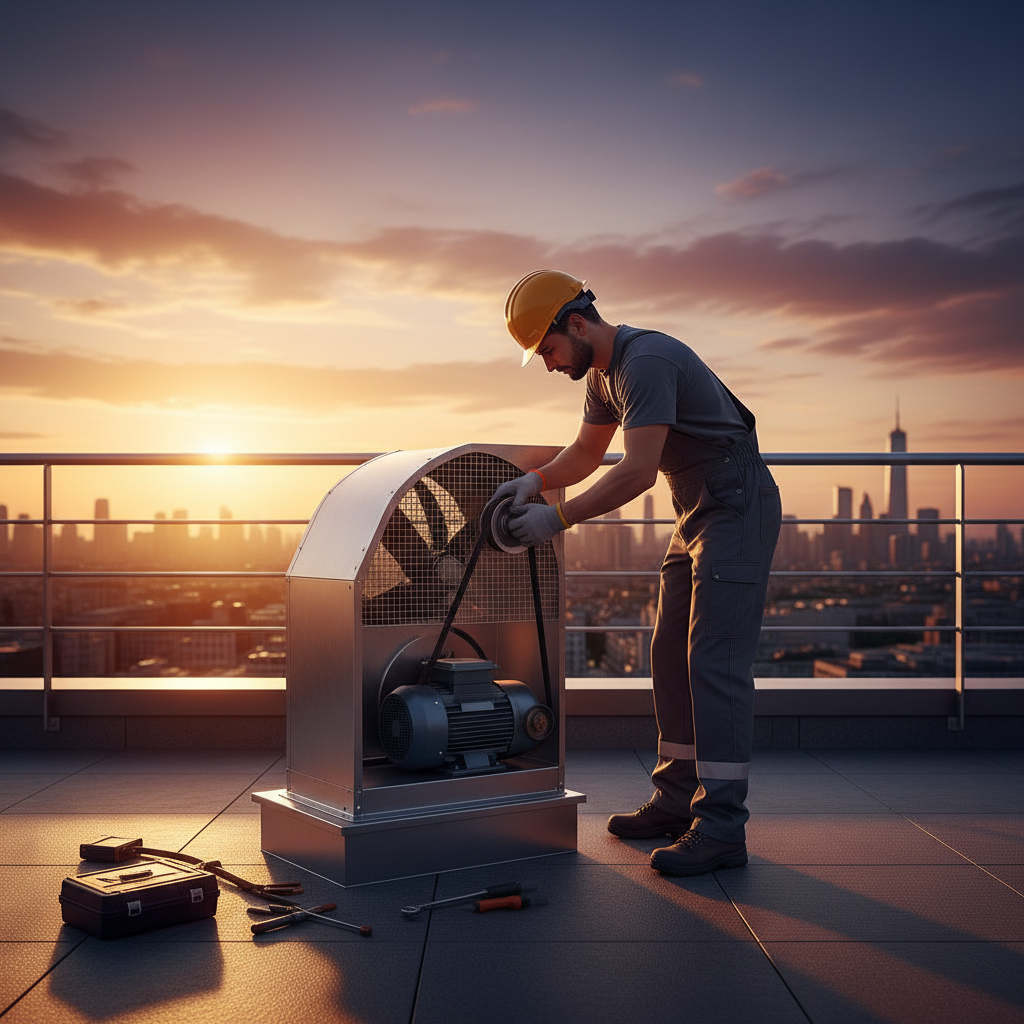
- Exhaust fans (often upblast rooftop): Fan speed, belt condition, and static pressure drive delivered CFM.
- Make-up air (MUA): Tempered supply replaces exhausted air; diffuser placement prevents cross-drafts.
- Controls: From simple on/off to variable frequency drives (VFD) and demand-controlled ventilation (DCV).
Critical Design Concepts
- Capture velocity: Enough face velocity so smoke doesn’t roll out from under the hood.
- Static pressure: Grease buildup or undersized ducts increase resistance and cut CFM.
- Balance: If exhaust outpaces MUA, doors whistle and pilots struggle; if MUA overwhelms exhaust, smoke escapes.
Common Failure Modes
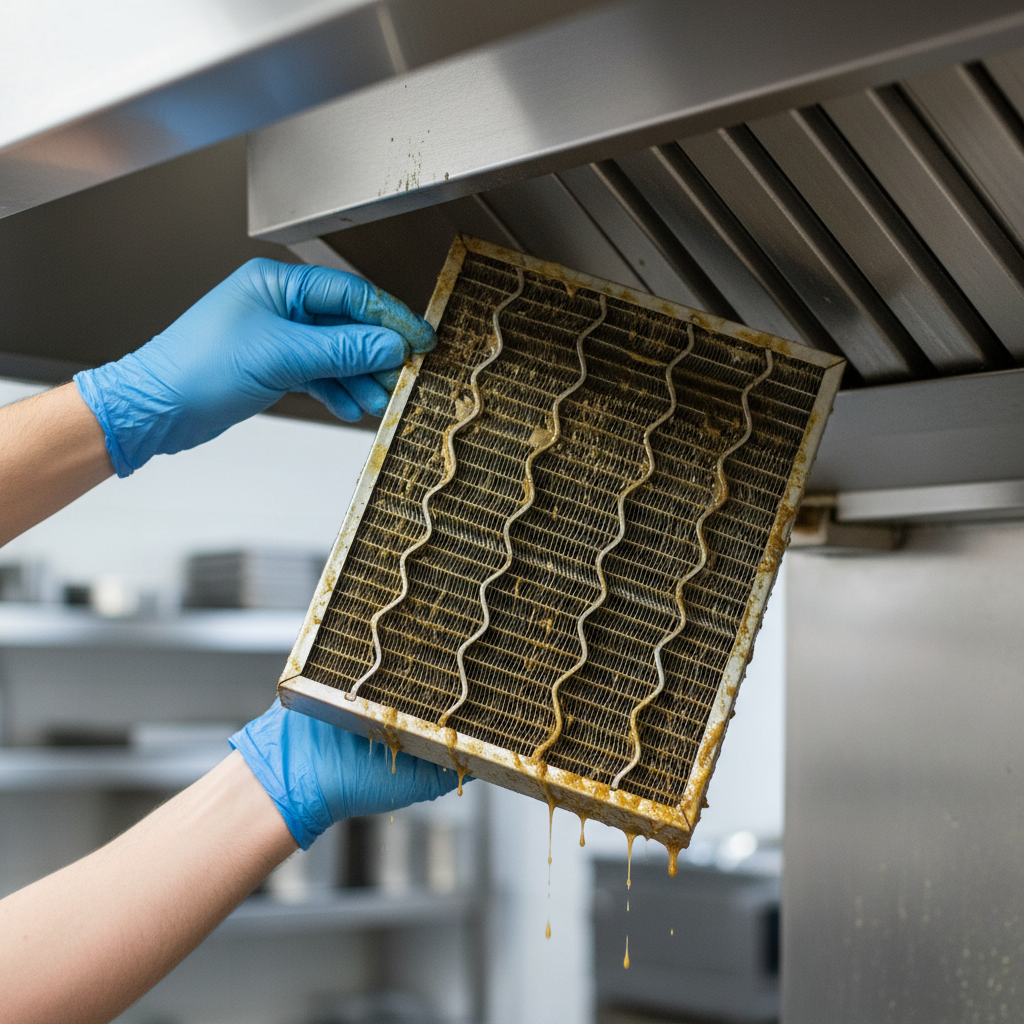
- Grease-clogged baffle filters: Pressure drop spikes; capture collapses quickly at peak.
- Worn or loose fan belts: RPM sags, starving hoods of airflow.
- Poor diffuser placement: Supply blasts the cookline, pushing smoke into the room.
- Missing access doors: Duct sections never cleaned; fire load rises unseen.
Optimization Methods & Approaches
There’s no single fix. Combine tactics based on cooking load, hours, and building constraints.
- Filter Cleaning & Exchange Programs: Keep pressure drop low and capture high. Heavy fry/grill lines often need weekly or twice-weekly exchanges. See our filter replacement guide for field-tested tips.
- Exhaust Fan Tuning: Inspect and replace belts, verify pulley alignment, and log fan RPM monthly.
- Hood & Duct Cleaning (NFPA 96): Set frequency by cooking type and volume; clean back to near bare metal.
- Make-Up Air Balancing: Adjust dampers, diffuser angles, and temperature setpoints to maintain neutral pressure.
- Controls Upgrades: Add VFD/DCV to modulate speed with heat load—especially valuable for variable menus and off-peak hours.
- Advanced Filtration: Electrostatic precipitators or UV-C where odor mitigation or higher grease removal is required.
- Access & Serviceability: Install code-compliant access doors to allow complete duct cleaning and inspection.
When to Prioritize Each Approach
- Immediate smoke spillover: Start with filter exchange and a fan belt inspection.
- Lingering dining room odors: Review duct cleanliness and consider advanced filtration if constraints or neighbors demand it.
- Drafts and door issues: Rebalance make-up air; verify diffuser aim and supply temperature.
- Winter cold spots: Confirm MUA tempering; consider slight setpoint increases in deep winter.
Best Practices (Ontario-Proven)
- Follow NFPA 96 frequencies: High-volume fryers and griddles frequently require monthly hood and duct cleaning; moderate use may be quarterly. Validate by measuring grease levels and documenting.
- Run a filter exchange calendar: Heavy use: 1–2 times weekly; moderate: weekly; light: biweekly. Rinse at close to prevent overnight congealing.
- Log fan RPM and belt checks: Record monthly; replace at first signs of glazing, fraying, or slippage.
- Seal the roof curb: Keep water out of fan housings to protect bearings and electrical components.
- Train closing procedures: Rinse baffles, wipe undersides, empty grease cups, and shut fans/MUA down in the correct order.
- Document everything: Photos, service tags, and reports simplify inspections and insurance requests. For FOH comfort, see our Ontario-focused air quality improvement guide.
Quick Process Table
| Task | Cadence | What Good Looks Like |
|---|---|---|
| Filter cleaning/exchange | 1–2x weekly (heavy) | Filters free of grease films; water flows through baffles |
| Fan belt inspection | Monthly | No cracks, glazing, or slippage; correct tension |
| Hood & duct cleaning | Monthly–quarterly | Metal surfaces at or near bare-metal standard |
| Make-up air balance | Quarterly | Even supply; no drafts across cookline |
| Photo documentation | Each service | Before/after images stored with dates and locations |
Step-by-Step Optimization Playbook
Use this field-tested checklist to bring a drifting system back into balance.
- Walkthrough & Interviews
- Talk with chefs and managers about smoke, heat, and odor trouble spots by station.
- Note equipment lineup, hours, and seasonal menu swings that change heat load.
- Visual Inspection
- Check hood overhangs, baffle condition, and presence of access doors.
- Inspect rooftop fan housing, belt tension, grease containment, and curb sealing.
- Baseline Measurements
- Measure hood face velocity, fan RPM, and supply air temperature.
- Perform a smoke test at typical and peak cooking loads to verify capture.
- Deep Cleaning Sequence
- Clean hood, plenum, filters, ductwork, and fan to near bare metal per NFPA 96.
- Replace worn belts; confirm pulley alignment and record RPM after changes.
- Balance & Tune
- Adjust dampers and diffuser angles; target neutral pressure at doors.
- Re-test capture at griddle, fryer, and charbroiler stations; tweak as needed.
- Controls Review
- Verify staged fans and any VFD/DCV settings track actual cooking demand.
- Ensure make-up air tempering supports both winter and summer setpoints.
- Train & Document
- Share closing routines and filter exchange schedules with BOH leads.
- File photos, readings, and service reports for easy inspection access.
- Monitor
- Recheck fan RPM monthly and smoke-test capture quarterly—or after menu changes.
- Adjust frequencies for Ontario’s weather swings and patio rush periods.
Tools & Resources
- Instruments: Anemometer, tachometer, manometer, and smoke pencils for capture verification.
- Service aids: Access door kits, belt tension gauges, diffuser keys, grease containment.
- Chemistry: Commercial degreasers safe for stainless; grease trap maintenance aids as directed.
- Documentation: Service logs, photo records, and NFPA 96 checklists with before/after imagery.
For broader context on risk mitigation, see this Ontario-focused overview of stopping grease and fire risk, and practical ideas for air quality improvement in busy commercial kitchens.
Case Snapshots Across Ontario
- QSR near Highway 401: Lunch rush pushed smoke past the hood. We moved to twice-weekly filter exchange, replaced a slack fan belt, and redirected a supply diffuser. Result: clear capture and a cooler line during peak.
- Downtown hotel kitchen: Weekend odors reached the lobby. Ducts were cleaned to near bare metal, a missing access door was added, and make-up air was rebalanced. Result: odor complaints dropped, lobby stayed fresh.
- Institutional kitchen (campus): Winter downdrafts caused door pressure issues. MUA tempering was raised slightly and quarterly balance checks added. Result: stable doors and consistent flame behavior.
- Food court line-up: Variable loads from multiple operators led to over-venting. A VFD was implemented with scheduled cleaning and monthly RPM logs. Result: steadier capture with less noise during off-peak.
Local Tips
- Tip 1: Along the Highway 401 and QEW corridors, rooftop work can be windy—use proper grease containment and confirm roof curb sealing to protect fans and maintain safe footing.
- Tip 2: In deep winter across Ontario, grease congeals faster. Tighten your filter exchange schedule and verify make-up air tempering for a more comfortable line.
- Tip 3: Weekend patio surges change heat load. If you use DCV or staged fans, review setpoints so capture keeps up with brunch and dinner peaks.
IMPORTANT: These tips reflect common ventilation issues we solve for restaurants across All Over Ontario.
FAQ
How do I know my hood isn’t capturing properly?
Watch for smoke rolling out from under the hood, lingering odors, or a hot, hazy line. A quick smoke test during normal cooking can confirm. If capture fails, start with clean baffles, verify fan belt tension, and check diffuser aim. If issues persist, schedule NFPA 96–level hood and duct cleaning, then rebalance make-up air.
What cleaning frequency should I follow under NFPA 96?
Match cadence to cooking type and volume. High-volume fry and grill lines often require monthly hood and duct cleaning, while moderate use can be quarterly. Solid-fuel cooking typically demands even more frequent service. Validate by inspecting grease thickness and documenting results.
Will a variable frequency drive (VFD) save energy in my kitchen?
Often, yes—especially when loads vary. VFDs can reduce fan speed during off-peak while maintaining capture, then ramp up during rush. Pair controls with clean ducts, healthy belts, and tuned diffusers or you’ll underperform regardless of automation.
What’s the fastest fix if smoke is spilling today?
Swap or deep-clean baffle filters and inspect the exhaust fan belt. Those two steps alone restore a surprising amount of airflow. If smoke persists, schedule an NFPA 96–level hood and duct cleaning, then verify make-up air balance.
Do I need advanced filtration like electrostatic or UV-C?
Only if you face strict odor rules or unusually high emissions that basic baffles can’t handle. Many Ontario kitchens succeed with diligent filter exchange, thorough duct cleaning, proper fan maintenance, and make-up air balancing.
Key Takeaways & Next Steps
- Optimization is holistic: Hoods, ducts, fans, and make-up air must work together.
- Maintenance drives performance: Filter exchange, belt checks, and NFPA 96 cleaning are non-negotiable.
- Balance for seasons: Ontario winters and summers require setpoint and diffuser adjustments.
- Document everything: Photos and logs streamline inspections and track performance over time.
Ready to align your ventilation with real cooking loads and Ontario’s climate? Our NFPA 96–certified, WSIB-insured team covers All Over Ontario with quick service in Southern Ontario. Let’s plan an on-site assessment and a maintenance schedule that keeps your kitchen cooler, safer, and inspection-ready.