Grease builds up faster than most teams expect. Airflow drops, heat lingers, and a small spark can turn into a big problem. If you searched for commercial kitchen exhaust filter replacement Brampton, you’re in the right place. This complete, American English guide distills NFPA 96 alignment into clear, on-the-line actions we use at Robinhood Cleaners across Ontario—with rapid response in Southern Ontario—to help you protect people, pass inspections, and keep tickets moving.
- Understand what exhaust filters do, how they fail, and when to replace them
- Follow a step-by-step swap process any trained team can handle safely
- Compare filter types (stainless, aluminum, mesh, disposable, spark arrestor)
- Adopt best practices that cut fire risk and stabilize capture velocity
- Use realistic maintenance intervals for busy Brampton operations
- See troubleshooting checks, regional tips, and real case snapshots
- Learn how our NFPA 96–certified, WSIB-insured crews support you 24/7
- What Is Exhaust Filter Replacement?
- Why It Matters (Safety, Compliance, Uptime)
- How the System Works
- Filter Types & Selection
- Commercial Kitchen Exhaust Filter Replacement Brampton: Step-by-Step
- Best Practices That Keep Kitchens Safer
- Tools & Supplies Checklist
- Maintenance Intervals + Process Table
- Performance Checks & Troubleshooting
- Local Operations: Brampton & Southern Ontario
- Case Snapshots from the Region
- Training & SOPs for Your Team
- Grease Waste & Environmental Handling
- How Robinhood Cleaners Supports You
- FAQs
- Key Takeaways
- Next Steps for Brampton Operators
Quick Answer
For commercial kitchen exhaust filter replacement Brampton, swap clogged or damaged baffle filters promptly and pair exchanges with NFPA 96–aligned hood, duct, and rooftop fan cleaning. Robinhood Cleaners serves All Over Ontario at All Over Ontario with certified, WSIB-insured crews—24/7 to match your hours.
What Is Commercial Kitchen Exhaust Filter Replacement?
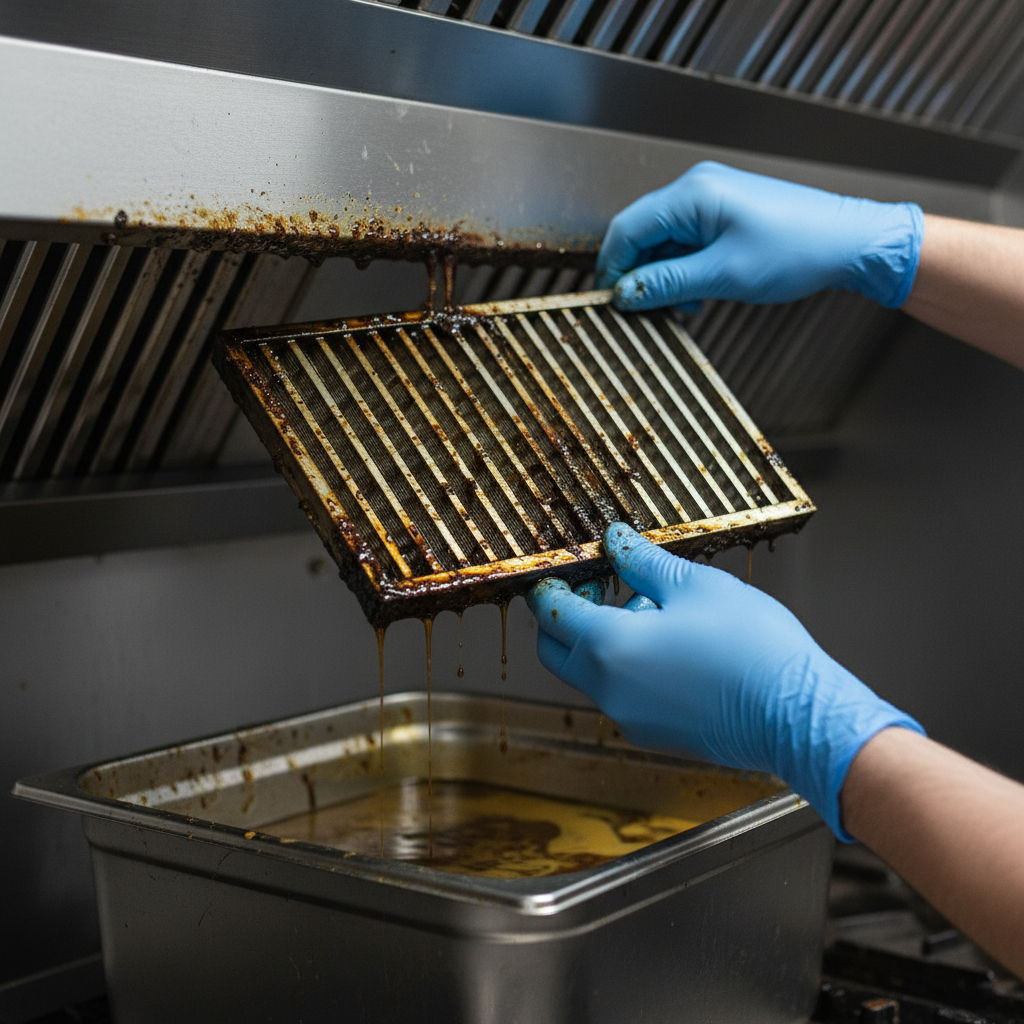
Exhaust filters sit in the hood and capture grease-laden vapors before they enter the plenum and ducts. Replacing (or exchanging) these filters maintains grease separation and stable capture velocity at the hood face.
- Core job: Intercept grease and particulates at the source.
- Main result: Fire hazard reduction and cleaner, safer air for staff.
- Trigger points: Visible saturation, persistent smoke, dents/warping, or weak draw even after washing.
- Who handles what: Staff can do interim exchanges; NFPA 96–certified pros like Robinhood Cleaners deliver compliant hood, duct, and fan cleaning with inspection documentation.
Why Filter Replacement Matters (Safety, Compliance, Uptime)
Small panels, big impact. Here’s why timing and technique matter.
- Fire prevention: Clean, intact baffles slow flame spread and prevent grease migration into ducts and fans.
- Compliance readiness: Supports NFPA 96 intent and what local health and fire inspectors expect.
- Air quality and comfort: Stable capture improves line-of-sight, reduces odors, and lowers heat at the pass.
- Equipment protection: Less load on fans and belts; better uptime and fewer emergency calls.
- Housekeeping gains: Less residue on ceilings, walls, and appliances; easier nightly clean-downs.
How the Exhaust System Works (Where Filters Fit)
Understanding the path of air and grease clarifies why filters are non-negotiable.
- Capture zone: Hood canopy collects heat and vapor from cooklines.
- Grease filtration: Baffle geometry forces airflow turns, shedding grease into channels and the drip trough.
- Duct run: Grease-rated ducts move air upward—cleanliness here removes fuel from the path.
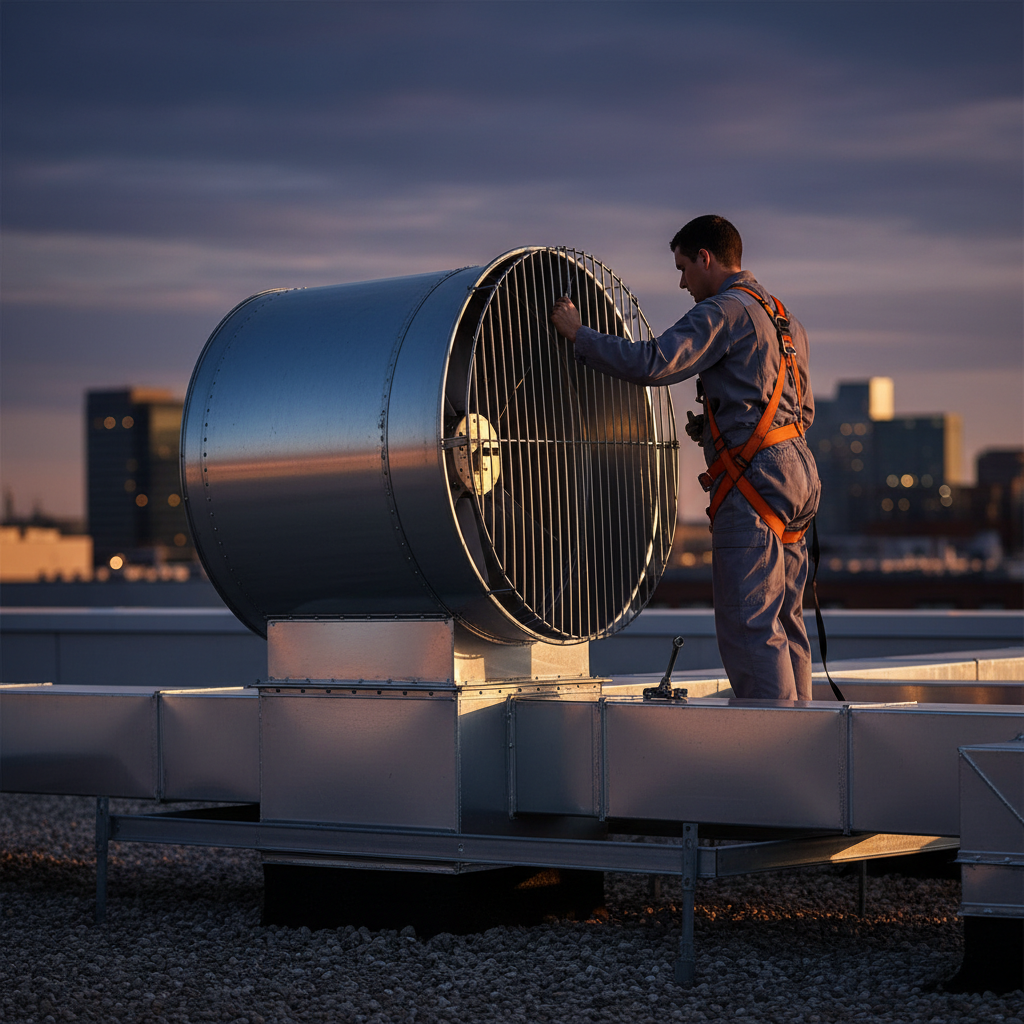
- Rooftop exhaust fan: Upblast fan discharges air outside; performance depends on clear filters and ducts.
- Make-up air: Balanced intake stabilizes pressure and comfort; clogged filters throw this off.
Filter Types & Selection
Pick filters that fit your hood model, menu, and volume. The wrong panel costs you airflow and safety.
- Stainless baffle (most common):
- Pros: Durable, NFPA 96–compliant when properly sized and installed, cleans well in commercial sinks.
- Cons: Dents and poor-quality welds create bypass gaps.
- Best use: High-heat, heavy-grease lines (grills, fryers, charbroilers, ranges).
- Aluminum baffle:
- Pros: Lightweight and easy to handle.
- Cons: Softer metal; corrodes with harsh degreasers; shorter lifespan.
- Best use: Light- to medium-duty cooking when gentle cleaners are used.
- Mesh panels:
- Pros: Fine particulate capture for niche applications.
- Cons: Saturate quickly under grease load; not ideal for fry-heavy menus.
- Best use: Only where specified by the hood manufacturer.
- Disposable pads/panels:
- Pros: Fast swaps; zero wash downtime.
- Cons: Ongoing waste stream; must be properly rated for commercial exhaust.
- Best use: Interim or supplemental capture in unique set-ups.
- High-efficiency spark arrestors:
- Pros: Improved spark control and grease separation.
- Cons: Higher resistance when neglected; require disciplined cleaning.
- Best use: Solid-fuel or high-flame operations when specified.
Right Size, Right Fit
- Confirm exact dimensions (height × width × thickness) for each hood opening.
- Count the number of panels per bank and keep labeled spares.
- Install with vertical baffles, handles facing out, and no visible gaps.
- Replace panels that don’t seat flush—bypass paths feed grease into the plenum and ducts.
Commercial Kitchen Exhaust Filter Replacement Brampton: Step-by-Step
Use this proven sequence between professional cleanings. It’s fast, safe, and inspector-friendly.
- Prep the line:
- Shut down hot appliances and let surfaces cool to safe-to-touch.
- Cover ranges and fryers with absorbent pads to catch drips.
- Wear cut-resistant gloves and eye protection—every time.
- Remove used panels:
- Lift slightly, tilt the bottom out, and slide down from the track.
- Contain in a bus tub to avoid spreading grease across the floor.
- Tag panels with dents, warps, or broken welds for retirement.
- Wash or exchange:
- Soak washable filters in a designated sink with a food-safe degreaser; rinse thoroughly.
- Air-dry completely before reinstalling to prevent drips onto hot equipment.
- For exchange programs, stage clean, dry panels and remove damaged stock.
- Clean rails and trough:
- Degrease the hood rails, plenum lip, and drip trough.
- Empty, clean, and reseat the drip tray.
- Reinstall correctly:
- Insert with baffles vertical and handles toward you.
- Seat snugly; scan for light through seams and eliminate gaps.
- Verify airflow:
- Start the exhaust and check steady draw across the hood face.
- Listen for fan belt squeal or vibration—signs of extra resistance.
- Document the change:
- Log date/time, staff initials, condition notes, and any replacements.
- Snap a quick photo of the clean install for inspection records.
Best Practices That Keep Kitchens Safer
These habits separate top-performing operations from the rest.
- Match cadence to menu: Heavy fry, char, or wok lines often need weekly exchanges.
- Train for orientation: Upside-down or horizontal filters defeat grease separation.
- Eliminate gaps: Even small bypass paths carry grease into the plenum and ducts.
- Pair with full-system cleaning: Filters don’t replace hood, duct, and fan service.
- Keep labeled spares: A rack by each hood bank prevents mismatches and delays.
- Document religiously: Organized logs satisfy inspectors and reduce liability.
Want more depth? See patterns and planning guidance in our Ontario replacement guide and review local service notes in our Brampton write-up.
Tools & Supplies Checklist
- Cut-resistant gloves and safety glasses (PPE)
- Food-safe degreaser and non-abrasive brushes
- Bus tubs, absorbent pads, microfiber cloths
- Replacement filters sized to hood openings
- Log sheets or a digital CMMS entry
Maintenance Intervals (Practical Cadence for Busy Brampton Kitchens)
- Daily: Wipe hood face and rails; empty drip trays; quick visual check.
- Weekly: Exchange/wash filters on high-grease lines; confirm orientation and fit.
- Monthly: Inspect for dents, warps, loose welds; review airflow and make-up air balance.
- Quarterly: Book NFPA 96–aligned hood, duct, and fan cleaning; check belts and bearings.
- Semiannual: Reassess filter type/count vs. production; scale before patio or holiday surges.
| Interval | Tasks | Who | Notes |
|---|---|---|---|
| Daily | Wipe hood face/rails; empty drip tray | Kitchen staff | Prevents sludge carryover |
| Weekly | Exchange/wash filters; verify orientation | Kitchen staff | Increase frequency for heavy fry/char |
| Quarterly | Hood, duct, fan cleaning; belt check | Certified cleaners | Align with NFPA 96 |
| Semiannual | Reassess filter type/count vs. volume | Ops + cleaners | Tune before peak season |
Performance Checks & Troubleshooting
Quick checks reveal a lot before issues escalate.
- Paper test: Hold a small sheet near the hood face; a steady pull suggests good capture. Flutter or drop means airflow concerns.
- Smoke observation: Briefly observe cook-off; smoke escaping the canopy signals restriction or make-up air imbalance.
- Sound cues: Belt squeal, rattling, or thrumming at the fan points to load or wear.
- Visuals: Condensation on hood edges or grease beads on rails usually follow saturation or poor fit.
| Symptom | Likely Cause | Action |
|---|---|---|
| Weak capture at hood face | Clogged filters; gaps; make-up air imbalance | Exchange filters; reseat panels; check intake settings |
| Smoke or heat spilling into line | Saturated filters; fan load; duct restriction | Replace filters; schedule hood/duct/fan service |
| Belt squeal or vibration | Fan belt wear or excess resistance | Inspect/replace belts; reduce restriction |
| Grease beads on rails | Orientation error; gaps; saturated panels | Reinstall correctly; exchange panels |
Local Operations: Brampton & Southern Ontario
- Traffic timing: In Brampton’s logistics corridors, stage swaps between lunch and dinner rush to beat congestion near Highway 410 and Queen Street.
- Seasonal shifts: Winter door-open heat loss alters balance—recheck make-up air after exchanges on cold days.
- Patio season prep: Grill volume spikes in late spring; elevate exchange cadence and schedule a pre-season fan/belt inspection.
- Multi-site alignment: Standardize part numbers and logs across locations; our crews support Brampton, Milton, and beyond—compare notes in our Milton guidance for consistency.
Case Snapshots from the Region
- High-volume fryer line: Weekly exchanges held until smoke began slipping at the pass. Two dented baffles created gaps; swapping those restored capture and cleared the haze.
- Char-heavy grill house: Biweekly washing wasn’t enough. We moved to weekly exchanges plus quarterly hood/duct/fan cleaning. Staff retraining on orientation sealed bypass gaps—inspection passed immediately.
- Food hall with mixed menus: Different concepts needed different panel sets. We labeled storage racks by hood, standardized part numbers, and shared a digital log—mismatches dropped to zero and swap time fell sharply.
- Institutional kitchen: Long duct runs amplified fan load. Aligning exchanges with belt checks stabilized capture and reduced emergency calls.
Need hands-on support to reset your schedule or validate airflow? Our NFPA 96–certified crew can coordinate a filter exchange plus hood/duct/fan cleaning in one visit. Explore our broader approach in our hood cleaning service overview and how we align with standards in this NFPA 96–focused explainer.
Training & SOPs for Your Team
- Visual orientation card: Post a one-pager by the dish area showing correct panel position.
- PPE standard: Treat exchanges like light maintenance—gloves and eyewear every time.
- Two-person rule: One lifts, one steadies; fewer drops and dents.
- Label racks: Organize spares by hood bank; color-code if helpful.
- Log discipline: Initials, date, notes, and a quick photo—inspectors love it.
Grease Waste & Environmental Handling
- Use a designated sink for filter washing with grease traps in good working order.
- Dispose of absorbents per your municipality’s guidelines; never down the drain.
- Keep degreaser SDS on hand and train staff on dilution and handling.
- Wring and air-dry panels fully before reinstalling to prevent drips and steam bursts.
How Robinhood Cleaners Supports You
We’re NFPA 96–certified and WSIB-insured, focused on commercial kitchen safety and hygiene. We serve restaurants, hotels, caterers, and institutional kitchens across Ontario—with quick response in Southern Ontario.
- Filter Cleaning & Exchange: Rotations with documentation and spares planning.
- Kitchen Exhaust Cleaning: Hood, plenum, duct, and fan cleaning aligned with standards.
- Fan and Belt Checks: We monitor wear, tension, and vibration while on-site.
- Grease Trap Service: Reduce backups and odors that impact inspections.
- 24/7 Scheduling: Night, early morning, or mid-shift windows to minimize disruption.
For local filter service specifics, see our Brampton filter service and this Ontario replacement guide we reference with managers. For another GTA view, compare operational notes in our keep-staff-safe checklist.
FAQs
- How often should we replace or exchange exhaust filters?
It depends on your menu and volume. High-fry or char-heavy lines often need weekly exchanges; low-grease concepts may go longer. Pair exchanges with quarterly NFPA 96–aligned hood, duct, and fan cleaning to keep the whole system safe and balanced. - What are signs our filters need replacing, not just washing?
Dents, warping, broken welds, or panels that won’t sit flush. If airflow remains weak after a thorough wash and drying, or if gaps appear between panels, replacement is due. Panels that re-clog too quickly may be the wrong type for your operation. - Do filters eliminate the need for duct cleaning?
No. Filters are the first line of defense, not the only one. Grease still accumulates in ducts and at the fan over time. Maintain a professional cleaning cadence based on production and inspection guidance. - Can we swap filters during service hours?
When safe, yes—cool surfaces first, protect equipment with pads, and wear PPE. Many Brampton kitchens opt for early morning or late night. Our crews run 24/7 to match your operating rhythm. - How do we know we picked the right filter type?
Start with your hood manufacturer’s spec and your menu profile. Stainless baffles fit most high-heat lines. If panels dent, corrode, or saturate too quickly, reassess type and cleaning chemistry with a certified cleaner.
Local Tips
- Tip 1: Stage exchanges between rushes to beat Brampton traffic and keep lines hot.
- Tip 2: After winter swaps, recheck capture and comfort—cold air shifts your balance.
- Tip 3: Before summer patio season, add a fan/belt inspection—grill-heavy menus drive grease loads.
IMPORTANT: Robinhood Cleaners serves All Over Ontario with quick service in Southern Ontario and true 24/7 scheduling.
Key Takeaways
- Filters stop grease from becoming fuel in your ducts and fan—keep them clean and correctly installed.
- Match exchange frequency to your menu; document every change for inspection confidence.
- Pair exchanges with NFPA 96–aligned hood, duct, and fan service for real risk reduction.
- Train staff on orientation and gaps; dents and warps mean it’s time to replace.
- Robinhood Cleaners supports Brampton and all of Ontario with certified 24/7 service.
Next Steps for Brampton Operators
- Audit your filter inventory; retire dented or warped panels.
- Post a weekly exchange schedule and assign accountability.
- Book a full-system assessment to benchmark duct and fan cleanliness.
- Standardize part numbers and storage racks by hood bank.
- Review local guidance in Brampton filter service and keep-staff-safe checklists.
Ready when you are. Book a discovery session in All Over Ontario—our NFPA 96–certified, WSIB-insured team will align exchanges, hood/duct/fan cleaning, and documentation so you pass inspections without surprises.