Hood cleaning services are the professional removal of grease from commercial kitchen hoods, ducts, and exhaust fans to reduce fire risk and meet inspection standards. Service intervals typically range from one to six months based on cooking volume. For restaurants across All Over Ontario, consistent cleanings help maintain airflow, protect staff, and satisfy insurer and health department requirements.
By Robinhood Cleaners • Last updated: 2026-06-26
Your 2026 Hood Cleaning Playbook
Use this guide to plan, schedule, and verify hood cleanings that pass inspections the first time. We cover what hood cleaning includes, why it matters, step-by-step workflow, best practices, tools, and documentation your team needs to stay safe and compliant across All Over Ontario.
Here’s what you’ll learn and get value from right away:
- Clear definition of professional hood cleaning and where it fits in the entire exhaust system.
- Scheduling rules of thumb for high-, medium-, and low-volume kitchens.
- A practical 10-step cleaning workflow you can post in the back of house.
- Inspection, tagging, and documentation practices that reduce re-inspection risk.
- How Robinhood Cleaners integrates filter exchange, exhaust fan maintenance, and grease trap cleaning for safer operations.
Summary
Professional hood cleaning removes flammable grease from hoods, ducts, and fans, restoring airflow and reducing fire risk. Pair quarterly-to-semiannual cleanings with filter exchange and fan maintenance for consistent performance, fewer odors, and better inspector outcomes in All Over Ontario.
- Scope: Hood, plenum, vertical ducts, horizontal ducts, fan housing, grease containment.
- Frequency: 1–3 months for high volume; 3–6 months for moderate; 6–12 months for light duty.
- Outcomes: Lower fire risk, better capture of smoke/vapors, quieter fans, improved morale and safety.
- Integration: Combine with filter cleaning & exchange and exhaust fan maintenance.
What Are Hood Cleaning Services?
Hood cleaning services are the professional degreasing of commercial kitchen hoods, ductwork, and exhaust fans. The goal is to remove combustible residue to reduce fire risk, restore airflow, and support regulatory compliance for restaurants and institutional kitchens.
In practice, “hood cleaning” spans more than the visible canopy. A complete service includes the plenum, accessible ductwork all the way to the rooftop fan, and grease containment controls so runoff never reaches walkways or roofs.
- System components addressed: Canopy, filters, plenum, ducts, fan blades/housing, and grease containment.
- Critical add-ons: Kitchen exhaust cleaning to clear the full path from cookline to fan discharge.
- Service pairing: Duct cleaning and restaurant hood cleaning for end-to-end safety.
Self-contained explanation: A complete hood service removes grease from all accessible surfaces between the cooking line and exhaust discharge. This requires specialized degreasers, heated rinses, and mechanical agitation to break baked-on layers. Filters are cleaned or swapped, and a service tag and report confirm what was cleaned and when, so managers can prove diligence during inspections.
Why Hood Cleaning Matters for Safety and Operations
Grease accumulates quickly on hot, rough metal and can ignite from flare-ups. Routine hood cleaning lowers fire risk, keeps fans balanced, reduces odors and smoke, and helps teams pass inspections without last-minute scrambles or downtime.
Fire risk isn’t theoretical. Any kitchen with grills, fryers, or woks generates aerosolized grease that deposits in the hood and ducts every shift. Over weeks, this becomes a flammable layer. Routine maintenance protects people, property, and business continuity.
- Risk reduction: Clean hoods and ducts interrupt the fuel pathway a fire needs to spread.
- Air quality: Unrestricted airflow improves capture of smoke and steam, easing back-of-house fatigue.
- Equipment life: Balanced, clean fans reduce strain on motors and belts, limiting unplanned outages.
- Compliance signals: Tagged, photo-documented cleanings build trust with inspectors and insurers.
Self-contained explanation: Hood cleaning is a core fire-prevention control. By removing grease from the entire exhaust pathway, you shrink the combustible load and restore designed airflow rates. Managers gain cleaner air, steadier temperatures, and fewer odor complaints, while the business earns smoother inspections and better uptime.
How Hood Cleaning Works: Step-by-Step
A proven hood cleaning process isolates the area, protects surfaces, applies professional degreasers, agitates, hot-rinses, and documents results. It ends with reassembly, filter service, fan checks, tagging, and a photo report you can show inspectors.
Below is a practical workflow our technicians follow across All Over Ontario. You can post this in your prep area to align kitchen teams before overnight service.
| Step | What We Do |
|---|---|
| 1. Prep & Protect | Cover equipment, set splash guards, shut down gas/electric as needed, verify fire system status. |
| 2. System Access | Remove filters; open access panels for ducts and fan housing. |
| 3. Degreaser Apply | Apply commercial degreasers to hoods, plenums, ducts, and fans. |
| 4. Agitation | Scrape and brush heavy deposits; use rotary nozzles where appropriate. |
| 5. Hot Rinse | Rinse with heated water to flush residue; capture runoff safely. |
| 6. Filters | Deep-clean or exchange baffle filters; inspect for damage or warping. |
| 7. Rooftop Fan | Clean blades/housing; check hinge kit and grease containment. |
| 8. Reassembly | Reinstall filters and panels; wipe exterior surfaces to a shine. |
| 9. Functional Checks | Verify fan spin, belt condition, vibration, and airflow draw. |
| 10. Tag & Report | Place service tag; deliver photo report and recommendations. |
Self-contained explanation: The best results come from full-path cleaning and verification. By opening access points, degreasing end-to-end, and finishing with filter service and fan checks, you ensure grease removal, better draw at the cookline, and documented proof of service your team can rely on at inspections.
Types and Methods: What Pros Use (and When)
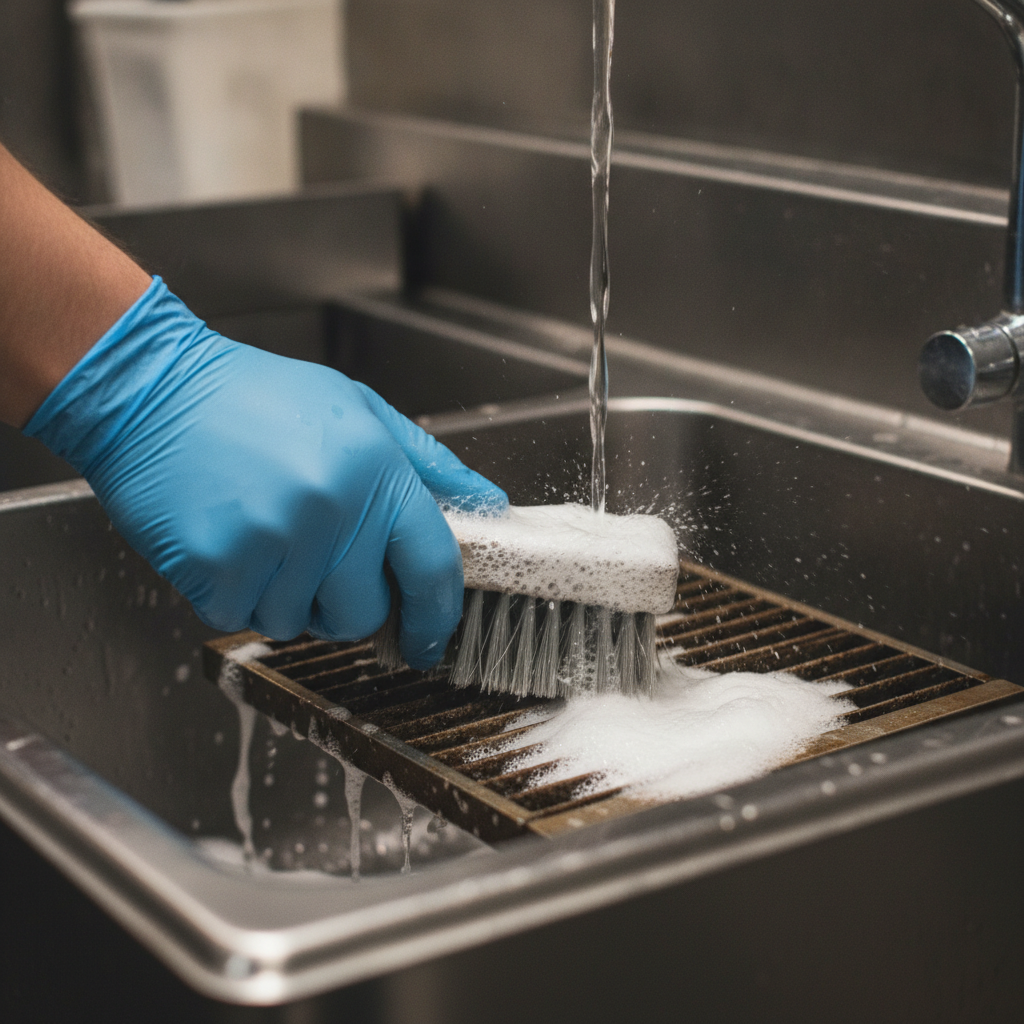
Professionals combine chemical degreasers, mechanical scraping, and hot-water rinsing. The mix depends on grease thickness, duct design, and roof access. Filters may be cleaned, exchanged, or replaced to keep airflow strong between full-system services.
Core methods
- Caustic degreasing: Effective on heavy, baked-on layers. Requires proper PPE and thorough rinsing.
- Hot-water pressure rinsing: Accelerates removal and flushes long duct runs, especially horizontals.
- Mechanical scraping/brushes: Breaks thick accumulations before final rinse for cleaner results.
Filter strategies
- Deep-cleaning cycles: Nightly quick-rinse by staff; periodic deep-clean by pros.
- Filter exchange: Swap to pre-cleaned sets for zero downtime—see our filter cleaning & exchange guide.
Fan and duct specifics
- Vertical vs. horizontal ducts: Horizontals accumulate faster; schedule checks accordingly.
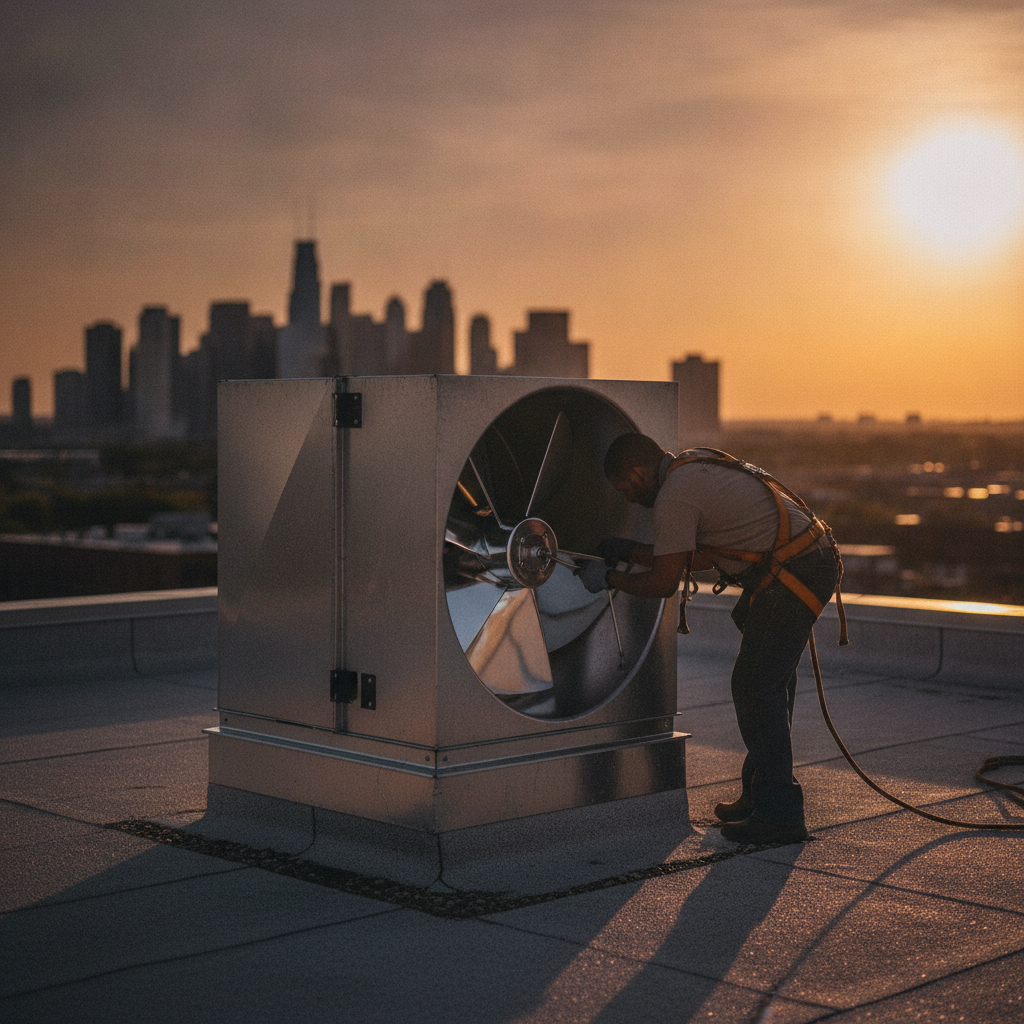
- Rooftop fans: Hinge kits enable safe servicing; grease containment protects the roof membrane.
Self-contained explanation: A smart method mix matches chemistry, heat, and mechanical action to the soil load and system geometry. Pair that with reliable filter exchange and rooftop fan access, and you’ll see steadier draw, fewer smells, and shorter clean time on future visits.
Scheduling: How Often Should You Book Service?
Match cleaning frequency to cooking intensity. High-volume fryers and grills often need monthly or quarterly service. Moderate operations typically book every 3–6 months. Light-duty or low-hour kitchens may extend to semiannual or annual schedules with diligent filter care.
| Kitchen Type | Typical Service Interval |
|---|---|
| High-volume (fried foods, charbroilers, woks) | Every 1–3 months |
| Moderate volume (mixed menus) | Every 3–6 months |
| Light duty (baking, low-grease) | Every 6–12 months |
Self-contained explanation: Frequency is a risk control. The more grease you generate, the faster deposits form, especially in filters and horizontal ducts. Matching intervals to your menu and hours keeps residue below ignition thresholds while stabilizing airflow and inspection outcomes.
Best Practices We Recommend (Backed by Field Experience)
Standardize a cleaning playbook: pre-service prep, end-to-end access, full-path degreasing, hot rinse, filter program, fan checks, and documented reports. This consistency lowers rework, speeds inspections, and keeps staff safer.
- Pre-service checklist: Label breakers/gas, protect appliances, and brief the closing team.
- Open the path: Use access panels to reach key bends and horizontal sections.
- Tag and photo report: Keep dated tags and before/after images by the cookline.
- Integrate services: Pair with full exhaust cleaning, fan belt checks, and grease containment reviews.
- Train staff: Daily filter rinses and quick wipe-downs reduce buildup between visits.
Self-contained explanation: Turn best practices into routines. When managers and techs follow the same structured process every time, cleanings finish faster, inspections go smoother, and your team gets predictable, safe airflow at the cookline—all without scrambling before visits.
Free back-of-house safety check (soft CTA): Want a quick read on your hood, filters, and fan? Book a short assessment with Robinhood Cleaners. We serve restaurants and institutional kitchens All Over Ontario with 24/7 scheduling.
Tools and Resources Pros Bring
Effective hood cleaning relies on commercial degreasers, hot-water pressure units, scraping/brush tools, access hardware, hinge kits, and safe runoff containment. Equally important are detailed reports with photos and tags your team can present to inspectors.
- Chemistry: Alkaline degreasers for heavy soils; surfactants to lift residues; food-service-safe rinses.
- Equipment: Heated pressure washers, rotary heads, extension wands, and steam options.
- Access & safety: Hinge kits, fall protection, splash guards, and containment tarps.
- Documentation: Service tags, photo logs, and recommendations for the next interval.
Self-contained explanation: The right tools speed removal and protect your facility. When pros combine chemistry, heat, mechanical action, and safe access equipment, you get cleaner metal, steadier airflow, and cleaner roofs and work areas—plus the paperwork you need for audits.
Local considerations for All Over Ontario
- Plan overnight or early-morning work to avoid peak service windows common across All Over Ontario dining districts.
- Expect seasonal humidity spikes that can slow drying; schedule extra time for wipe downs and reassembly.
- Winter rooftop access can be slick; confirm hinge kits and grease containment so fans open safely for service.
Beyond the Hood: Integrated Services That Strengthen Safety
Pair hood cleanings with filter exchange, fan belt replacement, grease trap cleaning, and appliance deep cleans. An integrated program cuts downtime, reduces odors, and maintains stronger draw at the cookline between full-system visits.
- Filter Cleaning & Exchange: Keeps capture efficiency high between services; no waiting for filters to dry.
- Fan Belt Replacement: Proactive belt checks limit surprise outages and noise.
- Grease Trap Cleaning: Prevents backups and odors that creep into the dining room.
- Commercial Appliance Cleaning: Deep-cleans ovens, grills, and refrigeration gaskets for hygiene.
- Power Washing: Degreases surrounding floors and exterior pads to reduce slip hazards.
Self-contained explanation: Your hood can only capture what the fan can pull and the filters let through. Integrated services keep the entire air path and nearby surfaces clean, so draw stays strong and kitchens stay safer—without piecemeal scheduling headaches.
Documentation, Tags, and Compliance Signals
After every service, insist on a dated tag, a photo-rich report, and clear recommendations. This documentation proves due diligence to inspectors and insurers and helps managers plan the next interval with confidence.
- Service tag: Date, provider, and areas serviced—kept by the cookline for easy checks.
- Report with photos: Before/after images of hoods, ducts, and fans; accessible areas listed.
- Recommendations: Filters to replace, belts to monitor, access panels to add, or hinge kits to install.
- Schedule guidance: Interval suggestion based on grease load, menu, and hours of operation.
Self-contained explanation: Inspectors look for visible cleanliness and proof it’s maintained. A tag plus a structured report with photos tells a complete story—what was cleaned, how, and when—so your team can pass checks without last-minute scrambles.
Case Studies and Real-World Examples from Ontario Kitchens
Integrated hood programs reduce fire risk and stabilize airflow. The quick scenarios below show how pairing hoods with filters, fans, and traps improves results in busy and seasonal operations across All Over Ontario.
- High-volume quick-serve grill: Monthly hood service plus weekly filter exchange cut smoke complaints and reduced fan vibration, keeping weekend volume steady.
- Food court line: Tight hours required overnight service; adding a hinge kit lowered rooftop time and improved safety during winter access.
- Institutional kitchen: Semiannual hood and duct cleaning with quarterly fan belt checks stabilized airflow during peak lunch rush.
- Fine dining sauté station: Quarterly hoods and monthly filter deep-cleans eliminated lingering odors in the dining room.
- Catering commissary: Pre-event filter swaps kept capture strong during surge production days.
- Fryer-heavy concept: Horizontal duct hotspots received access panels; degreasing time per visit dropped on subsequent services.
- Multi-site operator: Staggered scheduling created a consistent inspection window across locations and simplified documentation.
- New opening: Baseline photo report established standards; first follow-up at 90 days prevented early heavy buildup.
- Campus dining: Summer deep-clean paired with appliance detailing set the stage for a cleaner fall term.
- Bakery-café: Light-duty schedule extended to semiannual, supported by disciplined daily filter rinses.
- Seasonal venue: Pre-season hood and fan tune-up avoided mid-season odors and callouts.
Self-contained explanation: Whether you run a fryer line or a light-duty bakery hood, aligning intervals, access, and documentation turns cleaning into a predictable operations lever. The result is steadier air capture, lower risk, and fewer inspector surprises.
How to Choose a Hood Cleaning Provider
Evaluate certifications, insurance, scheduling flexibility, documentation quality, and integrated services. A strong partner is NFPA-minded, WSIB insured, available 24/7, and delivers photo reports—so you pass inspections and minimize downtime.
- Compliance focus: Providers who emphasize standards and tagging reduce inspection friction.
- Insurance & safety: WSIB coverage and strong safety practices protect your team and site.
- 24/7 availability: Overnight or off-peak windows protect service revenue.
- Integrated scope: Filter exchange, fan belts, ducts, grease traps, and appliance cleaning.
- Proof of work: Photo-rich reports and clear recommendations every visit.
Self-contained explanation: The right provider pairs technical ability with accountability. When you see WSIB coverage, 24/7 scheduling, and thorough documentation, you can trust cleanings to align with safety goals and operations realities.
Ontario Standards and Helpful References
Build your program around recognized standards and practical guidance. Use scheduling frameworks, service tags, and reports to show due diligence, and consult expert resources for inspection prep and interval planning.
For deeper context on safety-driven hood work and scheduling frameworks, see these resources:
- Guidance on certified cleaning approaches: certified hood cleaning.
- Checklist-style interval planning: cleaning schedule considerations.
- Overview of service scope in Ontario: commercial hood cleaning service.
Self-contained explanation: Consistent tags, photos, and interval planning form the backbone of a defendable safety program. With clear references and reports, managers can communicate expectations to staff and satisfy inspection checkpoints with confidence.
Key Takeaways
Hood cleaning services are a safety system, not a cosmetic task. Combine full-path degreasing with filter, fan, and documentation routines to lower fire risk, stabilize airflow, and pass inspections without last-minute fixes.
- Book intervals to match grease load and hours.
- Open access points to reach bends and horizontals.
- Pair hood work with filters, fans, and traps.
- Keep tags and photo reports near the cookline.
- Train staff on quick, daily filter care.
Frequently Asked Questions
These quick answers address the most common questions managers ask when planning hood service intervals, scope, and prep steps for inspections in All Over Ontario.
What do hood cleaning services include?
They include degreasing the hood canopy, plenum, accessible ductwork, and the exhaust fan. Pros also deep-clean or exchange filters, check fan belts, and provide a dated tag and photo report so you can demonstrate due diligence during inspections.
How often should my restaurant schedule cleanings?
Match frequency to grease load and hours. Fryer- and grill-heavy menus often need monthly or quarterly service. Mixed menus fit 3–6 months. Light-duty or low-hour kitchens can extend to semiannual with disciplined filter care between visits.
Will cleaning disrupt service hours?
Work is usually booked overnight or early morning to avoid peak times. Crews protect equipment, capture runoff, and leave the line clean and ready. With 24/7 scheduling, you can align work to your slowest window.
What documents should I keep for inspections?
Save the dated service tag, the full photo report, and any recommendations or interval guidance. Keep them near the cookline or in your safety binder so inspectors can verify service history at a glance.
Conclusion: Make Hood Cleaning a Repeatable System
Standardize intervals, method mix, and documentation. When teams follow a repeatable system—filters, fans, ducts, tags, reports—cleanings finish faster, risk drops, and inspections become routine rather than stressful.
- Create a one-page playbook: prep, access, degrease, rinse, reassemble, document.
- Pair hood work with filter exchange and fan belt checks.
- Track dates, photos, and recommendations for each visit.
- Schedule the next service before you file the report.
If you manage a restaurant, food court stall, or institutional kitchen All Over Ontario, our team can help you implement this system on a predictable schedule—without disrupting service. Book a discovery call to get started.
Related Topics in Cleaning
Explore adjacent safety and maintenance topics that complement hood programs: filters, fans, ducts, grease traps, and appliance deep-cleans. An integrated plan strengthens airflow, hygiene, and inspector confidence.
- Filter cleaning & exchange routines for steady capture efficiency.
- Exhaust fan inspections, belt care, and rooftop grease containment.
- Grease trap pumping practices to prevent odors and backups.
- Appliance detailing: ovens, grills, refrigeration gaskets, and more.