Vent hood cleaning services are the professional degreasing of kitchen hoods, ducts, and exhaust fans to remove flammable grease and meet inspection standards. For restaurants across All Over Ontario, Robinhood Cleaners delivers this service to keep commercial kitchens safe, efficient, and compliant with NFPA 96 and insurer documentation requirements.
By Robinhood Cleaners • Last updated: 2026-05-18
Overview and Table of Contents
This complete guide explains what vent hood cleaning includes, why it matters for fire safety, how certified technicians clean hoods, ducts, and fans, and how to schedule service with minimal downtime. You’ll also see methods, best practices, tools, local tips for All Over Ontario, and real kitchen examples.
It only takes one busy dinner service to push a marginally clean system over the edge. Here’s the fast path to clarity and control so you pass inspections on the first attempt.
- What vent hood cleaning covers end to end
- How often different kitchen types should clean
- Step-by-step cleaning workflow and documentation
- Filter programs, fan belt replacement, and rooftop care
- Best practices that cut risk and downtime
- Tools pros use and what you can safely do in-house
- Local considerations for All Over Ontario operations
What Is Vent Hood Cleaning?
Vent hood cleaning is the professional removal of grease from commercial kitchen hoods, filters, ducts, and exhaust fans. The aim is fire prevention, airflow performance, and inspection-ready compliance. Certified teams document before/after results and tag systems to meet insurer, landlord, and authority requirements.
In our experience, “clean hoods” only count when the full exhaust path is degreased—plenum, baffles, vertical and horizontal ductwork, rooftop fan housing, and the fan blades themselves. Anything less leaves hidden fuel behind.
- Scope: Hood canopy, baffle filters, grease troughs, duct interiors, fan housings, blades, and grease containment.
- Deliverables: Photo documentation, service report, system tag/sticker with service date and next due.
- Alignment: Matches Robinhood Cleaners’ core services—Kitchen Exhaust Cleaning, Hood Cleaning, Duct Cleaning, Exhaust Fan Cleaning, and Ventilation System Maintenance.
For restaurants, food courts, and institutional kitchens, this service reduces fuel loading and helps maintain stable airflow, which supports better temperature control and a healthier back-of-house environment.
Why Vent Hood Cleaning Matters
Grease is a fuel. When it accumulates in hoods and ducts, ignition can spread fire rapidly through the exhaust path. Routine vent hood cleaning lowers fire risk, stabilizes airflow and make-up air balance, reduces odors, and keeps inspection paperwork current for insurers and authorities.
Here’s the thing: a single flare-up can push flame into a greasy plenum in under a second. We see airflow and safety improve predictably when kitchens maintain system-wide cleaning at risk-based intervals tied to their menu and volume.
- Fire risk reduction: Removing grease from the entire exhaust path limits ignition spread.
- Airflow and comfort: Clean ducts and fans restore draw, which helps kitchen temperatures stay manageable during rushes.
- Compliance confidence: Documented service with photos, tags, and reports supports inspections and insurance renewals.
- Equipment longevity: Less load on motors, belts, and bearings translates into fewer surprise breakdowns.
If you operate a quick service line in Southern Ontario, you already know peak hours drive heavy vaporized grease. Pairing scheduled vent hood cleaning services with filter exchange prevents build-up between deep cleans.
How Vent Hood Cleaning Works (Step-by-Step)
Certified technicians isolate power and gas, protect equipment, and then degrease from hood to roof: canopies, filters, plenums, ducts, and fans. They remove and soak baffles, apply heated degreasers, pressure-rinse, inspect belts and hinges, and leave photo-documented reports with a next-service tag.
We follow a consistent field-tested workflow that’s designed to minimize downtime while producing inspection-ready results.
- Site prep and protection: Wrap appliances, floors, and splash zones; set containment; verify fire suppression status.
- Power lock-out/tag-out: Isolate fans and relevant panels; confirm safety before work begins.
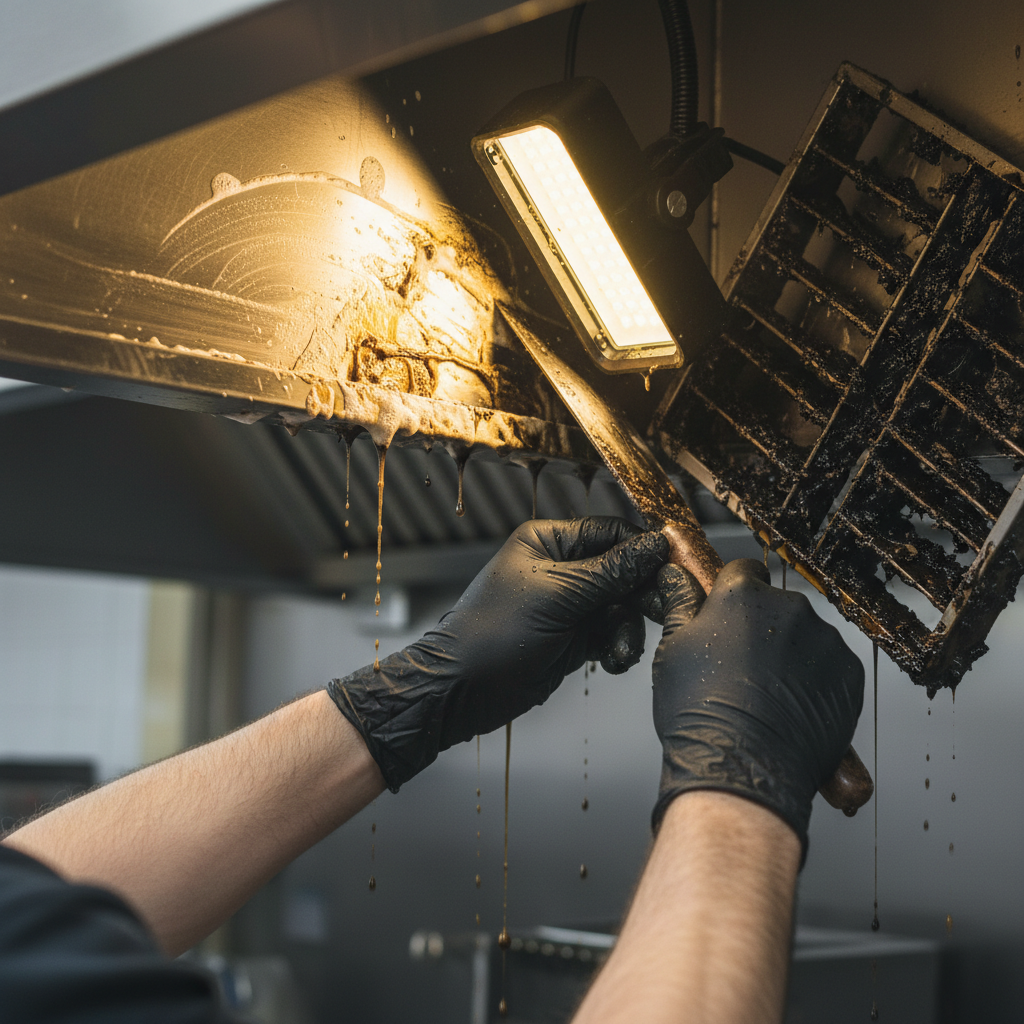
- Filter removal: Pull baffle filters for soak-tank degreasing; check for dents and replace if needed.
- Hood and plenum degrease: Apply heated, food-service-safe degreaser; hand-scrape heavy build-up.
- Duct interior cleaning: Access panels opened; mechanical agitation and rinse from hood to roof.
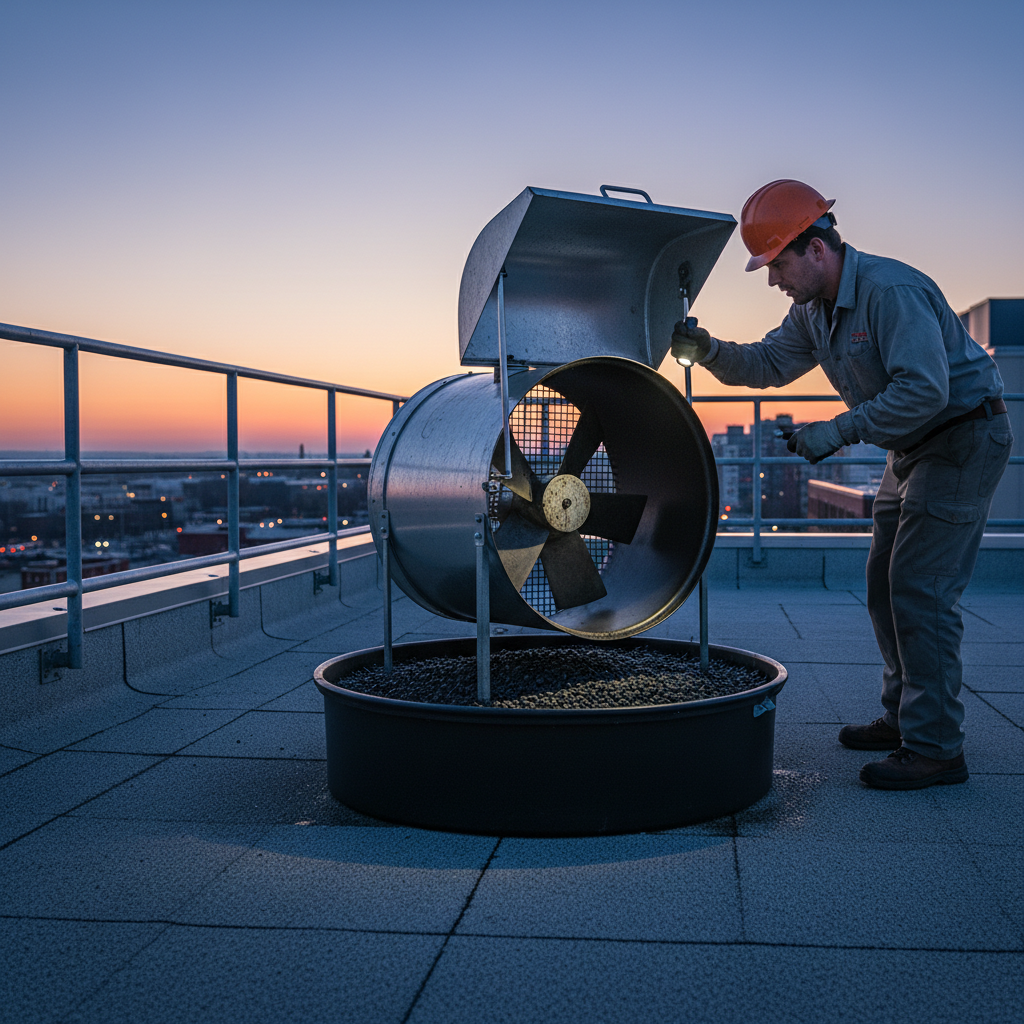
- Rooftop fan service: Open hinge kit; clean blades and housing; empty/refresh grease containment.
- Fan belt check: Inspect alignment and tension; recommend Fan Belt Replacement if wear is present.
- Rinse, neutralize, polish: Final rinse and stainless finishing on visible surfaces.
- Reassembly and test: Reinstall filters; restore power; confirm airflow and vibration limits.
- Documentation: Capture before/after photos; leave a signed report and a compliance tag.
To see how this dovetails with full system care, review our commercial kitchen exhaust cleaning services overview for end-to-end scope.
Types, Methods, and Scheduling Approaches
Most kitchens combine system-wide degreasing (hood, duct, fan) with interim filter programs. Scheduling is volume-based: high-heat, grease-heavy menus clean more often, while lower-volume or baking-heavy ops can extend intervals with strong filter maintenance and spot checks.
Service types we deliver
- System-wide degreasing: Hood, duct, fan, rooftop containment—standard for inspection readiness.
- Filter Cleaning & Exchange: Routine swaps that keep draw steady between deep cleans.
- Exhaust fan cleaning and maintenance: Hinge kits, blade cleaning, and grease containment refresh.
- Duct cleaning and fire hazard reduction: Mechanical agitation and heated rinse through access panels.
- Ventilation System Maintenance: Belt checks, vibration notes, and airflow observations for follow-up.
Cleaning frequency guide
| Kitchen profile | Typical interval | Notes |
|---|---|---|
| High-volume frying/grilling | Every 1–3 months | Heavy aerosolized grease; pair with filter exchange |
| Moderate, mixed menu | Every 3–6 months | Monitor with quarterly inspections |
| Light-duty or baking-centric | Every 6–12 months | Spot-clean hood plenum and filters monthly |
Need a deeper breakdown? Our hood cleaning frequency guide explains how menu, hours, and equipment drive the “right” interval.
Best Practices to Stay Clean, Compliant, and Efficient
Pair deep cleaning with a disciplined filter routine, rooftop grease containment, and simple in-house wipe-downs. Keep records and photo evidence together, and schedule service when your line is dark to avoid downtime. Small, repeatable habits are your best defense against fire risk and failed inspections.
Daily and weekly in-house habits
- Daily: Wipe hood lips, ledges, and light lenses; empty troughs; check filter seating.
- Weekly: Inspect baffles for residue; clean splash areas; confirm grease cans are not near heat.
- Monthly: Replace damaged baffles; note airflow changes; report fan noise or vibration.
Programmatic controls that work
- Filter Cleaning & Exchange: Set a recurring swap schedule to flatten grease curves between deep cleans.
- Rooftop containment: Use absorbent pads and maintained boxes to stop overflow staining and roof damage.
- Inspection binder: Store reports, photos, and tags; add a calendar of next-due dates.
- Fan Belt Replacement: Replace belts proactively to prevent airflow dips on busy nights.
For a practical walkthrough of surface techniques, visit our restaurant hood degreasing process article.
Tools and Resources Professionals Use
Professional crews use heated, food-service-safe degreasers, adjustable-pressure washers, mechanical agitators, access tools, hinge kits, and containment systems. They also rely on lock-out/tag-out devices, PPE, and photo apps to document pre/post conditions for insurers and authorities having jurisdiction.
- Degreasing chemistry: Alkaline, food-service-safe concentrates that cut polymerized oils.
- Mechanical action: Scrapers, rotary brushes, and adjustable-pressure rinsing for ducts.
- Access and safety: Hood and duct access panels, roof-safe ladders, harness points where required.
- Rooftop hardware: Hinge kits for fan lids, grease boxes with absorbent media.
- PPE and controls: Eye/hand protection, ventilation, and lock-out/tag-out where needed.
- Documentation tech: Time-stamped photos and templated reports for easy retrieval.
If you’re building an internal checklist, our ventilation system guide shows how exhaust, make-up air, and filtration work together.
Planning, Scheduling, and Documentation (No Pricing)
Plan service around your slowest window and combine hood, duct, and fan work in one visit. Lock in a filter exchange cadence, maintain rooftop containment, and keep all photos and reports in one binder. This coordination shortens downtime and makes inspections straightforward.
Process table: your scheduling blueprint
| Task | Owner | Cadence | Proof kept |
|---|---|---|---|
| System-wide hood/duct/fan clean | Robinhood Cleaners | Risk-based (1–6 months) | Photo report + tag |
| Filter cleaning & exchange | Robinhood Cleaners | 2–4 weeks typical | Swap log + photos |
| Rooftop containment refresh | Robinhood Cleaners | With each deep clean | Service report |
| Daily wipe-downs and checks | Kitchen staff | Daily | Checklist initials |
| Fan belt inspection | Robinhood Cleaners | Each visit | Notes + photo |
For certification context and expectations in Ontario, see our overview of restaurant hood cleaning certification and our page on NFPA 96 certified hood cleaning. Both outline documentation standards you should keep in your inspection binder.
Case Studies and Real-World Examples
Across All Over Ontario, we adapt vent hood cleaning services to each operation’s risk profile. From quick service frying lines to institutional kitchens, the right mix of deep cleaning and filter exchange stabilizes airflow, reduces fire load, and keeps inspections routine rather than stressful.
- Quick service burger line: Heavy fryer use drove 90-day deep cleans and biweekly filter exchange. Result: steadier airflow during dinner rush and cleaner rooftop containment between visits.
- Fine dining with wood-fire grill: Combustion byproducts required quarterly duct access checks and full fan cleaning. Belt replacement avoided a weekend failure before a high-profile event.
- Institutional kitchen: Extended operating hours but moderate grease load. Semiannual system cleans paired with monthly internal filter care kept audits smooth.
- Food court concept group: Multiple tenants shared risers. Coordinated overnight cleaning and documentation tags simplified the landlord’s inspection calendar.
Each scenario leveraged our core services—Kitchen Exhaust Cleaning, Filter Cleaning & Exchange, Exhaust Fan Cleaning, Fan Belt Replacement, and Ventilation System Maintenance—so managers could focus on service, not surprise maintenance.
Local considerations for All Over Ontario
- Peak seasons and holidays increase heat load; book system-wide cleaning ahead of summer patios and winter comfort-food rushes to keep airflow steady.
- Snow and freeze-thaw cycles can stress rooftop hinges and containment. Ask us to inspect hinge pins and pads during winter service windows.
- Late-night windows minimize downtime. Our 24/7 availability means we schedule around your line so you’re ready for the next service.
Tools You Can Safely Use In-House (and When to Call Us)
Front-of-house wipe-downs and basic filter care are safe for your team. Anything inside ducts or on rooftops—especially fan cleaning, hinge handling, and grease containment—belongs with trained, insured professionals who can document results and manage risk properly.
- Safe in-house tasks: Stainless wipe-downs, light lens cleaning, emptying troughs, reseating baffles correctly.
- Call professionals for: Duct interiors, rooftop fan cleaning, hinge kit work, belt replacement, and pressure washing near electrical.
- Why it matters: Professional work generates the photo evidence and tags inspectors want to see.
Explore the full scope we offer across Ontario on our commercial kitchen hood cleaning guide and our exhaust cleaning services overview.
How to Choose a Vent Hood Cleaning Provider
Look for certified technicians, WSIB insurance, photo-documented reports, hinge-kit rooftop access, and filter exchange programs. Ask about 24/7 scheduling, service tags, and fan belt checks. Strong providers coordinate around your slowest window and leave inspection-ready documentation every visit.
- Credentials: NFPA 96–aligned training; WSIB insured; safety-first methods.
- Proof: Before/after photos, tags, signed reports, and clear next-due dates.
- Service breadth: Hood, duct, fan, filters, rooftop containment, and belt replacement.
- Responsiveness: 24/7 availability for overnight or off-day work.
- Reputation: Ontario-wide track record with restaurants, QSRs, and institutional kitchens.
Curious how we structure visits across Ontario kitchens? See our system-wide service overview for a practical breakdown.
Frequencies, Standards, and Inspections
Most kitchens adopt a 1–6 month deep-clean cadence, adjusted by menu and volume. Inspections go smoothly when reports, tags, and photos align with your risk profile. Coordinating filter exchange between deep cleans keeps airflow stable and compliance predictable.
- Intervals that work: High grease load every 1–3 months; mixed menus 3–6 months; light-duty 6–12 months.
- Documentation: Keep all service reports and photos in one binder, on-site.
- Inspection flow: A current tag and organized binder speed up visits from authorities and insurers.
For Ontario operators seeking a service-ready summary, review our Ontario hood cleaning service overview which outlines what inspectors commonly ask to see.
Need an Inspection-Ready Plan?
If your tag is due—or your airflow feels weak—we can align a deep clean, filter exchange, and rooftop containment refresh in one coordinated visit. Tell us your slowest window, and we’ll do the rest while documenting everything you need for inspections.
Get a quick assessment: Share your menu profile and hours. We’ll recommend a cleaning cadence, filter program, and rooftop plan tailored to your operation in All Over Ontario.
Request an assessment and we’ll align service around your schedule.
Frequently Asked Questions
These quick answers address the most common vent hood cleaning questions from Ontario restaurants, QSRs, and institutional kitchens. Each response is direct and built from what our field teams do every week.
How often should a commercial kitchen schedule vent hood cleaning services?
Most high-grease kitchens clean every 1–3 months. Mixed-menu operations often run 3–6 months, and lighter-duty kitchens can go 6–12 months. Pair deep cleans with a filter exchange program to keep airflow stable between visits.
What exactly gets cleaned during a professional hood service?
Technicians degrease the hood canopy, plenum, baffle filters, duct interiors, and rooftop exhaust fan housing and blades. They also refresh rooftop grease containment, reassemble the system, test airflow, and leave photo-documented reports with a service tag.
Can our staff clean inside the ducts or rooftop fan?
Those tasks belong to trained, insured professionals. Your team can handle daily wipe-downs and basic filter care, but duct interiors, hinge-kit handling, and fan cleaning require proper access, safety controls, and documentation.
What paperwork should we keep for inspections?
Keep the latest service report, before/after photos, and the current tag or sticker. Store them together on-site. Add your filter exchange logs and any fan belt replacements to show a consistent maintenance program.
Do you work overnight to avoid downtime?
Yes. We’re available 24/7 across Ontario and commonly schedule after close or on dark days. Tell us your quietest window and we’ll align service so you’re ready for the next shift.
Key Takeaways
Fire prevention, steady airflow, and inspection-ready documentation all hinge on routine, system-wide cleaning plus filter exchange. Align your cadence to menu and volume, keep a clean binder of reports and photos, and schedule at your slowest window to cut disruption.
- Grease is fuel; remove it from hood, ducts, and fan—end to end.
- Choose intervals based on risk: 1–3, 3–6, or 6–12 months.
- Filter exchange stabilizes airflow between deep cleans.
- Photo-documented reports and tags make inspections quick.
- Rooftop containment protects your roof and keeps inspectors happy.
Related Guides and Next Steps
Use these guides to plan your program: frequency, degreasing workflow, and compliance. Each article expands on a key decision—when to clean, how to document, and how your ventilation system fits together.
For deeper planning, see our Commercial Kitchen Hood Cleaning Guide, our NFPA 96 compliance requirements overview, and this Ontario exhaust duct cleaning primer. If you’re outlining service scope, skim our exhaust cleaning services page next.
Ready to schedule? Book a coordination call for All Over Ontario and we’ll align a system-wide clean, filter exchange, and rooftop containment refresh in one visit. We’re WSIB insured, 24/7 available, and aligned with NFPA 96 practices across Ontario.