How to Get Restaurant Hood Cleaning Certification in Ontario
Running a busy kitchen is hard enough. Navigating restaurant hood cleaning certification shouldn’t slow you down. This complete, practical guide explains the credentials, standards (NFPA 96), and step-by-step process that Ontario restaurants use to certify safe, compliant hood and exhaust cleaning—backed by the real-world expertise of Robinhood Cleaners, an NFPA 96 certified and WSIB insured provider serving restaurants all over Ontario with quick service in Southern Ontario.
Overview
- Understand what restaurant hood cleaning certification means in practice (and what it doesn’t).
- See how NFPA 96, Ontario Fire Code, and AHJ requirements align for restaurants.
- Follow a clear, step-by-step path to compliant, documented hood and exhaust cleaning.
- Learn best practices certified pros use: baffle filter care, fan belt checks, hinge kits, rooftop grease containment, and photo documentation.
- Use checklists, forms, and evidence that inspectors actually want to see.
- Apply tips specific to Ontario restaurants—especially for fast-moving operations in Southern Ontario.
Quick Answer
For restaurant hood cleaning certification in Ontario, partner with an NFPA 96 certified, WSIB insured contractor that documents work to your AHJ’s standards. Robinhood Cleaners serves restaurants All Over Ontario at All Over Ontario, with quick response in Southern Ontario, delivering compliant, photo-documented service that aligns with restaurant hood cleaning certification requirements.
Local Tips
- Tip 1: If your locations run along the 401 corridor or in the GTA, schedule cleanings after last call to avoid peak traffic delays and keep your kitchen turning tables without interruption.
- Tip 2: Ontario winters bring freezing rooftops and snow loads—plan hinge kit installs and rooftop grease containment checks ahead of storms so fans remain accessible and safe.
- Tip 3: For multi-unit operations across Southern Ontario, standardize your hood tags, photo folders, and service intervals so any inspector can verify compliance fast—Robinhood Cleaners supports consistent documentation across sites.
IMPORTANT: These tips reflect Ontario conditions and the needs of restaurants and commercial kitchens Robinhood Cleaners serves daily.
What Is Restaurant Hood Cleaning Certification?
Here’s the thing: there is no single, government-issued “restaurant hood cleaning certification card” that magically covers every situation. Instead, certification usually means your contractor can prove they clean to NFPA 96 standards and follow your local Authority Having Jurisdiction (AHJ) requirements, such as documentation, tagging, and evidence photographs. That’s the practical reality most inspectors look for.
- NFPA 96 baseline: The widely adopted standard for ventilation and fire protection of commercial cooking operations.
- AHJ expectations: Fire departments, insurers, and health inspectors may ask for tags, service reports, and before/after photos.
- Competency proof: Evidence your provider is trained, experienced, and insured to service hoods, ducts, and rooftop fans safely.
- Restaurant hood cleaning certification in practice: A combination of NFPA 96 adherence, WSIB insurance coverage, trained technicians, and verifiable documentation.
Robinhood Cleaners operates with NFPA 96 certification and WSIB insurance, specializing in kitchen exhaust cleaning, filter cleaning and exchange, fan belt replacement, equipment cleaning, grease trap service, power washing, and commercial appliance cleaning across Ontario.
Why Certification Matters (Safety + Compliance)
If you’ve ever seen grease flash in a hood, you know why this matters. Certification-level work protects your team, your guests, and your operation from fire risk and code violations.
- Fire hazard reduction: Thorough degreasing of hoods, ducts, and fans removes fuel.
- Better air quality: Clean systems exhaust heat and particulates more effectively.
- Fewer breakdowns: Fan belt checks, hinge kits, and balanced airflow reduce wear.
- Inspection-ready: Tags, service logs, and time-stamped photos show due diligence.
- Continuity of operations: 24/7 scheduling keeps kitchens running with minimal downtime.
- Insurance alignment: WSIB insured contractors help manage liability and worker safety.
For Ontario restaurants, aligning with NFPA 96 and your AHJ’s expectations is the surest way to pass inspections and maintain a safe, efficient kitchen.
How Certification Works in Ontario
Restaurant hood cleaning certification hinges on standards, documentation, and repeatable processes. Here’s how it comes together for Ontario operations.
- Standards and Codes:
- NFPA 96: Sets cleaning frequency, methods, access, and tagging expectations.
- AHJ alignment: Local fire officials may specify intervals and evidence format.
- Health inspections: Grease control and hygiene in line with public health expectations.
- Provider Credentials:
- NFPA 96 certified cleaning: Technicians trained on safe, thorough exhaust cleaning.
- WSIB insured: Coverage for workplace safety and legal protection.
- Specialization: Focus on commercial kitchen exhaust, not generic janitorial work.
- Evidence and Documentation:
- Hood tag: Date, technician ID, and next service due.
- Before/after photos: Clear, time-stamped images of hoods, ducts, fans, and rooftop grease containment.
- Service report: Areas cleaned, chemicals used, deficiencies found, and recommendations.
- Scope of Work (What’s actually cleaned):
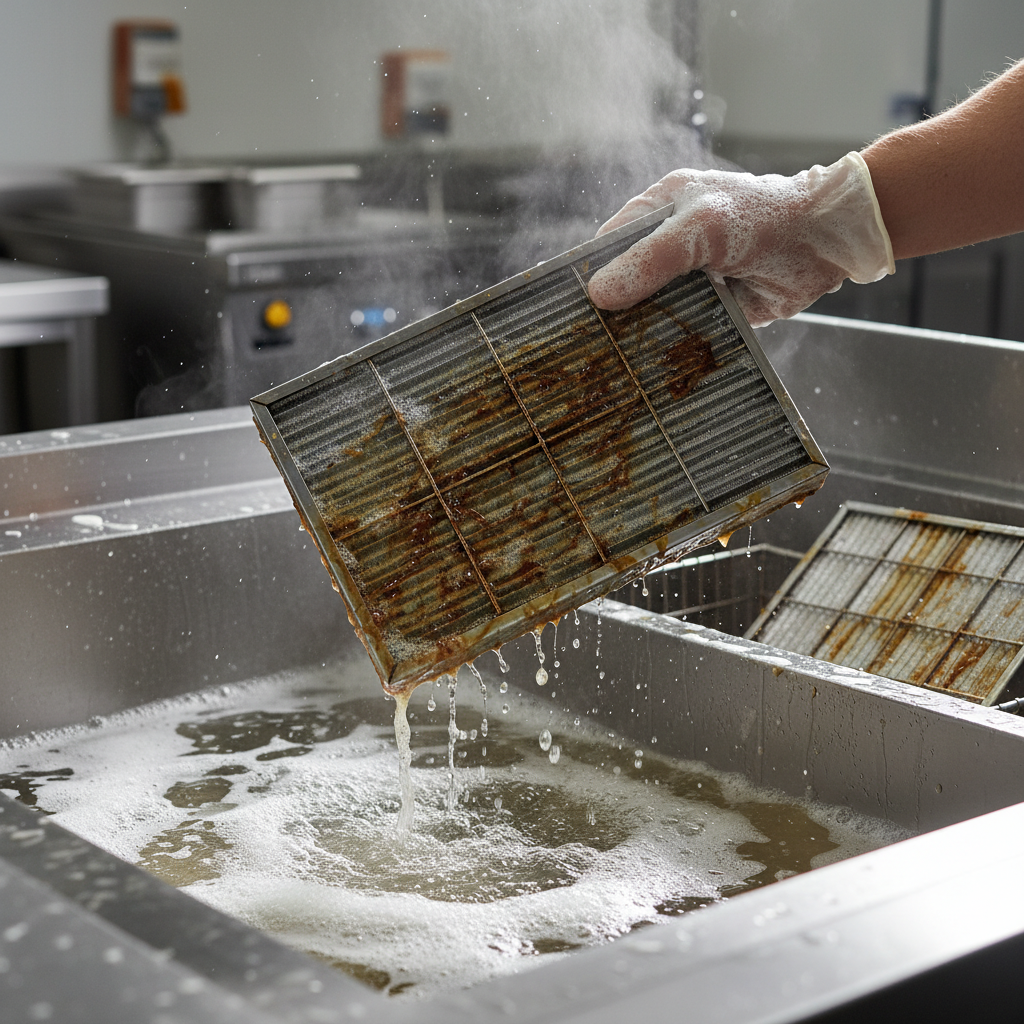
- Hood interiors/exteriors and baffle filters.
- Ductwork from hood to roof—accessible sections and access panels.
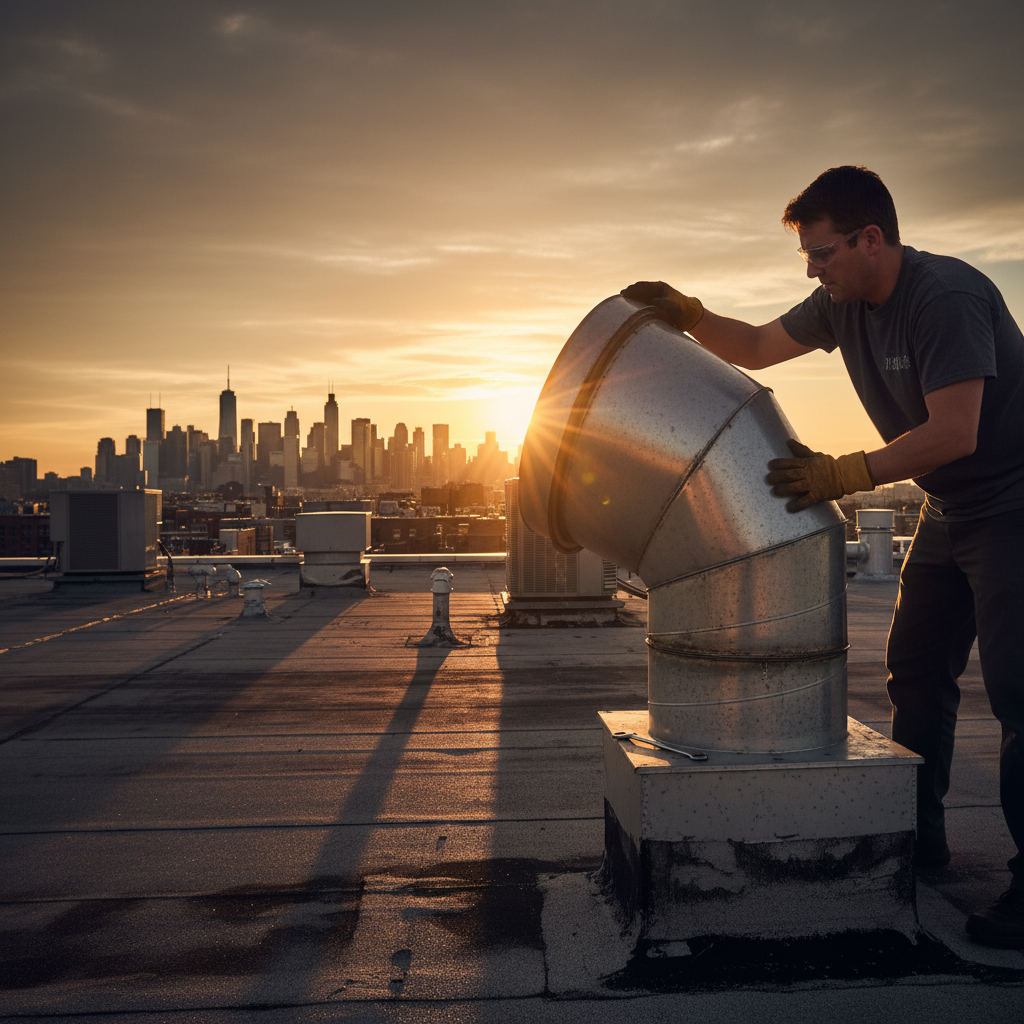
- Exhaust fan housing, blades, and fan belt checks.
- Rooftop grease containment and surrounding surfaces.
- Service Frequency:
- High-volume fryers and grills: more frequent intervals.
- Low-volume or light-duty cooking: longer intervals, still documented.
- Multi-site operations: standardized cadence across locations.
Robinhood Cleaners supports all of the above with 24/7 scheduling, standardized reports, and quick dispatch across Southern Ontario, helping teams stay inspection-ready without disrupting service.
Types of Credentials, Methods, and Evidence
You might be wondering, “Do I need a specific card?” The reality is, inspectors want proof of competent work and clear documentation. Here’s how that’s built.
Credentials and Proof of Competency
- NFPA 96 certified cleaning provider: Demonstrates training on standards and safe techniques.
- WSIB insured contractor: Shows a commitment to worker safety and owner protection.
- Specialized focus: A provider dedicated to commercial kitchens (like Robinhood Cleaners) brings niche expertise.
Cleaning Methods Recognized by Inspectors
- Hot water degreasing: Emulsifies grease on hoods, baffles, and ducts.
- Approved degreasers: Applied properly to avoid residue and protect metals.
- Mechanical agitation: Scrapers/brushes on duct interiors and fan blades.
- Access panels and hinge kits: Safe access to fans and vertical duct sections.
- Rooftop grease containment: Prevents roof damage and secondary hazards.
Evidence Inspectors Expect to See
- Hood tag placement: Clear, legible, and current.
- Time-stamped photos: Before/after sets for hoods, ducts, and fans.
- Service report: Scope, methods, chemicals, deficiencies, and recommendations.
- Deficiency tracking: Follow-up proof for items like fan belt replacement or access panel repairs.
Curious how a certified team executes the full scope? See the process we use on Ontario sites in our commercial kitchen hood cleaning service overview.
Best Practices Used by Certified Pros
Certified teams lean on repeatable, verifiable best practices that reduce risk and make inspections painless.
- System-wide cleaning: Hood → ducts → fan → rooftop. No cherry-picking.
- Baffle filter program: Rotate clean sets, inspect fit, and replace damaged units.
- Fan belt checks: Inspect tension, wear, and alignment; replace when needed.
- Hinge kits: Install on upblast fans for safe, code-aligned access.
- Rooftop containment: Maintain pads or boxes to stop grease runoff and roof damage.
- Photo documentation: Shoot consistent angles so progress is obvious.
- Signed reports and tags: Keep PDFs and physical tags synced for any inspector.
- 24/7 scheduling: Align service with kitchen downtime, not the other way around.
For a deeper dive into NFPA 96 expectations and how they show up in day-to-day service, read our NFPA 96 certified hood cleaning guide.
Tools, Resources, and Documentation
Tools don’t certify you—processes do. That said, the right gear and templates make compliance easier and faster.
Tools and Materials
- Hot water pressure units with proper temperature and flow control.
- Approved degreasers compatible with stainless surfaces and duct interiors.
- Scrapers, nylon/steel brushes, and rinse tools for interior duct edges.
- Access panel tools and safe-use PPE (gloves, eye/face protection).
- Hinge kits for upblast fans; replacement fan belts on hand.
- Rooftop grease containment pads, absorbents, and drip guards.
- Drop cloths, plastic sheeting, and floor protection for kitchens.
- High-lumen lighting and camera/phone for photo documentation.
Documentation Templates (What to Keep on File)
- Service report PDF: Date, time, scope, technicians, chemicals, and findings.
- Before/after gallery: Labeled folders by site and date.
- Hood tag record: Spreadsheet log that matches the physical tag.
- Deficiency tracker: Items like missing access panels, damaged filters, or belt wear.
- Frequency plan: Agreed intervals by site based on cooking volume.
Want to see how this rolls up in a real service program? Our restaurant exhaust cleaning GTA page shows how we standardize documentation across high-volume locations.
Step-by-Step: Your Certification Path
Use this process to align your operation with restaurant hood cleaning certification expectations and pass inspections with confidence.
| Step | What You Do | Evidence Inspectors Expect |
|---|---|---|
| 1. Choose a qualified provider | Select an NFPA 96 certified, WSIB insured specialist with commercial kitchen focus. | Copy of insurance/certifications; service agreement. |
| 2. Baseline assessment | Walkthrough hoods, ducts, fans, rooftop containment, and access panels. | Initial report noting deficiencies and recommended intervals. |
| 3. Full-system cleaning | Hood → baffles → ducts → fan → rooftop surfaces. | Before/after photos; waste handling notes. |
| 4. Safety upgrades | Install hinge kits, replace worn fan belts, fix access panels. | Work order details; photo proof of upgrades. |
| 5. Tagging + report | Apply hood tag; issue signed PDF report and photo set. | Visible, current tag; organized digital folder. |
| 6. Frequency plan | Set service intervals by cooking volume and risk. | Calendar invites; documented interval rationale. |
| 7. Continuous compliance | Repeat cleanings; keep logs and photo evidence current. | Up-to-date tags, reports, and deficiency closure notes. |
If you want a quick view of scope and deliverables, our oven and vent cleaning page shows how we keep documentation simple and consistent for Ontario inspections.
Case Studies and Real Ontario Examples
Take these brief scenarios from our work across Ontario. They show how certification-level cleaning looks on the ground.
1) High-Volume QSR Along the 401
- Pain point: Fryers and flat-tops running all day; heavy grease load and long lines.
- Action: Increased service frequency, standardized photo angles, added rooftop containment pads.
- Extras: Fan belt replacement and hinge kit install during off-hours.
- Outcome: Smoother draws, cleaner roof, faster inspections thanks to consistent documentation.
2) Downtown Bistro With Late Service
- Pain point: Late-night turns; minimal windows for cleaning.
- Action: 24/7 scheduling after last seating; coordinated access with building management.
- Extras: Filter exchange program and labeled photo folders for each visit.
- Outcome: On-time service, clean audit trail, and reduced smoke complaints.
3) University Cafeteria With Multiple Lines
- Pain point: Several hoods across different stations; mixed cooking volumes.
- Action: Site-by-site interval plan; master tracker for tags and reports.
- Extras: Training kitchen staff on baffle filter rotation.
- Outcome: Predictable scheduling, fewer surprise deficiencies, quicker sign-offs.
4) Seasonal Venue Near the Waterfront
- Pain point: Moisture and wind exposure impacting rooftop fans.
- Action: Pre-season check, weatherproofing around fans, and grease containment refresh.
- Outcome: Fewer nuisance shutdowns during peak season; satisfied AHJ review.
FAQ
How do I prove restaurant hood cleaning certification during an inspection?
Keep a current hood tag, a signed service report, and a dated before/after photo gallery for the hood, ducts, fan, and rooftop containment. Make sure your provider is NFPA 96 trained and WSIB insured, and that the documentation clearly shows scope and frequency.
What’s the difference between a “cleaning” and a full certification-level service?
A cursory wipe doesn’t satisfy inspection standards. Certification-level work covers the full pathway—hood, baffles, ducts, fan, and roof—plus tagging, a signed report, and photo evidence. Safety upgrades like hinge kits and fan belt checks are included when needed.
How often should we schedule hood and duct cleaning?
Intervals depend on your cooking volume and risk. High-volume frying and grilling require more frequent service. Your provider should document a rationale for the schedule and keep tags, reports, and photos current so inspectors can verify compliance instantly.
Are baffle filter cleaning and exchange part of certification?
Yes. Baffle filters play a major role in grease capture and airflow. A proper program includes cleaning, rotation, and replacement when damaged, plus photo documentation and notes in the service report.
Can we schedule cleaning without disrupting service?
Yes. Robinhood Cleaners offers true 24/7 scheduling across Ontario with quick response in Southern Ontario. Most restaurants book after close or before prep, so dining service isn’t interrupted.
Conclusion
- Certification isn’t a card: It’s NFPA 96-aligned work proven with tags, reports, and photos.
- Think system-wide: Hood, baffles, ducts, fan, and rooftop containment—documented every time.
- Make it repeatable: Standardize photo angles, file names, and tag logs across locations.
- Work with specialists: NFPA 96 certified, WSIB insured providers that focus on commercial kitchens.
- Plan the calendar: Set intervals matched to volume; use 24/7 windows to avoid downtime.
- Restaurant hood cleaning certification means NFPA 96-aligned service with verifiable evidence.
- Inspectors want tags, signed reports, and clear before/after photos.
- Certified pros use hinge kits, belt checks, and rooftop containment to reduce risk.
- Standardized documentation across sites speeds inspections and renewals.
- 24/7 scheduling keeps kitchens running while staying compliant.
Robinhood Cleaners is NFPA 96 certified and WSIB insured, serving restaurants all over Ontario with quick response in Southern Ontario. Explore our NFPA 96 certified hood cleaning and complete hood service to keep your operation inspection-ready.