Commercial kitchen hood cleaning frequency is determined by risk: monthly for solid-fuel cooking, quarterly for high-volume fryers, woks, and charbroilers, semiannually for moderate use, and annually for low-volume or seasonal kitchens. Align your schedule to NFPA 96, document every visit, and adjust during Ontario’s peak seasons to stay safe and compliant.
By Robinhood Cleaners • Last updated: 2026-04-08
Summary
Set frequency by risk tier: monthly (solid fuel), quarterly (high volume), semiannual (moderate), annual (low/seasonal). Confirm with NFPA 96, your local authority having jurisdiction (AHJ), and your insurer. Keep hood stickers, photo reports, and certificates on site for 12 months to document compliance.
- What you’ll learn: how to set your schedule, what inspectors check, and how to adapt for seasonal spikes.
- Why it matters: lower fire risk, intact insurance coverage, better airflow and staff comfort.
- Who this helps: restaurants, QSRs, hotels, food courts, and institutional kitchens across Ontario.
Quick Answer
In All Over Ontario, commercial kitchen hood cleaning frequency follows NFPA 96: monthly for solid fuel, quarterly for high-volume lines, semiannual for moderate use, and annual for low-volume. Robinhood Cleaners provides NFPA 96–certified service, photo reports, and hood stickers across Southern Ontario for clear, auditable compliance.
Table of Contents
Use this table to jump to the section you need. Each H2 opens with a concise, voice-ready summary followed by detailed, scannable bullets and examples specific to Ontario food service operations.
- What Is Commercial Kitchen Hood Cleaning Frequency?
- Why Frequency Matters
- How to Set Your Schedule
- Types, Methods, and Approaches
- Best Practices That Pass Inspection
- Tools, Records, and Resources
- Ontario Case Studies and Scenarios
- FAQ
- Conclusion, Key Takeaways, and Next Steps
- Related Articles
What Is Commercial Kitchen Hood Cleaning Frequency?
Commercial kitchen hood cleaning frequency is the required interval for professionally degreasing the entire exhaust system—hood, plenum, baffle filters, ducts, and rooftop fan—to bare metal. NFPA 96 sets baseline intervals by risk. Documented service satisfies insurers and local authorities and significantly reduces grease-fire exposure.
- Definition: The cadence at which the full exhaust path is cleaned to remove flammable grease deposits.
- System components: Hood canopy, plenum, filters, horizontal/vertical ducts, exhaust fan housing and blades, and rooftop grease containment.
- NFPA 96 baselines:
- Monthly for solid-fuel cooking (wood/charcoal).
- Quarterly for high-volume equipment (fryers, woks, charbroilers).
- Semiannually for moderate-use operations (mixed sauté/ovens).
- Annually for low-volume/seasonal kitchens.
- Risk adjusters: Menu mix, hours/day, oil type, equipment heat output, duct configuration, filter performance, and staffing habits.
- Proof of compliance: Dated hood sticker, service certificate, and a photo report stored on site and in the cloud for quick verification.
- Ontario nuance: Patio season and holiday rushes can increase grease load; plan temporary 8–10 week cycles for busy quarters.
In our experience across Southern Ontario, the most accurate schedules come from pairing NFPA 96 baselines with photo-documented residue checks at access panels and fan blades.
Self-contained answer: Hood cleaning frequency is a risk-based schedule defined by NFPA 96 and enforced by insurers and local fire authorities. Use monthly (solid fuel), quarterly (high volume), semiannual (moderate), and annual (low/seasonal) as your starting points. Keep stickers, certificates, and photo reports ready to prove compliance anytime.
Why Frequency Matters for Safety, Insurance, and Operations
Right-sized intervals prevent grease fires, protect insurance eligibility, and stabilize airflow. Inspectors check for a dated hood sticker, accessible duct panels, and clear photo documentation. Kitchens on the correct schedule report fewer odor complaints and steadier make-up air during rush periods.
- Fire risk reduction: Grease-laden vapors collect in ducts and fans; consistent degreasing removes a ready fuel source near open flames.
- Insurance compliance: Policies commonly require NFPA 96–aligned cleaning with documented proof; missing records can jeopardize claims.
- Regulatory readiness: AHJs expect visible service dates and safe access hardware (hinge kits, disconnects) for rooftop fans.
- Air quality and comfort: Clean exhaust paths move heat and smoke efficiently, improving staff comfort and reducing cooking odors.
- Operational uptime: Planned service helps avoid emergency downtime from seized fans or malfunctioning belts during peak hours.
According to NFPA 96 guidance and common insurer requirements, documented, bare-metal results and a current hood sticker are foundational evidence of compliance. For background on fire-safety expectations, see this overview of kitchen fire safety requirements.
Self-contained answer: Frequency matters because grease is fuel. Following NFPA 96 intervals and documenting each visit reduces ignition risk, supports insurance coverage, and improves kitchen airflow. Inspectors verify dates, access, and photos. Ontario operators who adjust cadence during busy seasons experience fewer incidents and smoother inspections.
How to Set Your Commercial Kitchen Hood Cleaning Frequency
Start with NFPA 96 tiers, then tailor the cadence to your menu, hours, and seasonality. Validate with an on-site inspection, set automated reminders, and keep 12 months of photo reports. Reassess quarterly—especially before patio season and major holidays.
- Identify your tier: Solid fuel (monthly), high volume (quarterly), moderate (semiannual), low/seasonal (annual).
- Profile your operation: Hours/day, days/week, holiday spikes, delivery volume, and equipment lineup (woks, fryers, charbroilers).
- Inspect residue points: Behind baffle filters, at duct access panels, and on fan blades and housings.
- Account for Ontario peaks: Many kitchens benefit from 8–10 week cycles during patio and holiday surges, then return to quarterly.
- Confirm with stakeholders: Align your schedule with insurer language and AHJ expectations to keep coverage intact.
- Automate reminders: Calendar invites and SMS/email alerts keyed to the hood sticker date prevent lapses.
For deeper context on inspection criteria and compliance expectations, review our internal primer on NFPA 96 compliance requirements.
| Operation Type | Typical Menu | Recommended Interval | Notes |
|---|---|---|---|
| Solid-fuel cooking | Wood/charcoal grills | Monthly | High spark/soot load; rooftop containment is critical |
| High-volume | Fryers, woks, charbroilers | Quarterly | Plan 8–10 weeks during Ontario’s busiest seasons |
| Moderate-use | Mixed sauté, ovens | Semiannual | Move to quarterly if hours or grease load increase |
| Low-volume/seasonal | Light prep, limited hours | Annual | Schedule before opening rush to reset baseline |
Self-contained answer: Use a tiered plan—monthly (solid fuel), quarterly (high volume), semiannual (moderate), annual (low/seasonal). Validate with a professional inspection and grease residue photos. Ontario operators often tighten to 8–10 weeks during peak traffic, then return to quarterly for the remainder of the year.
Types, Methods, and Approaches to Staying on Schedule
Blend certified hood-and-duct service with weekly in-house tasks, filter exchange, fan maintenance, and thorough documentation. Photo trends help right-size cadence before residue becomes hazardous. This layered approach balances risk, uptime, and operational flow.
Professional Hood & Duct Cleaning (NFPA 96–Aligned)
- Scope: Hood canopy, plenum, filters, ducts, exhaust fan, and rooftop grease containment cleaned to bare metal.
- Outcome: Reduced ignition potential, better airflow, and clear documentation for inspections.
- Action: Partner with trained, WSIB-insured technicians who follow NFPA 96 and provide after-service photos.
See our step-by-step overview in the commercial hood cleaning guide for what a complete visit includes.
Filter Cleaning & Exchange
- Weekly rotation: Maintain two to three full sets of baffle filters; exchange weekly for consistent airflow.
- Deep cleaning: Soak and degrease off-line sets; inspect for warping or damaged frames.
- Result: Slower duct loading between professional visits, which can support steady quarterly cycles.
Exhaust Fan Maintenance
- Belt checks: Inspect tension and wear each visit; replace proactively to avoid service interruptions.
- Hinge kits & disconnects: Ensure safe fan access and code-compliant servicing on rooftops.
- Containment: Maintain rooftop grease containment to protect membranes and avoid environmental issues.
Grease Trap Coordination
- Paired schedules: Coordinate trap pumping with hood service to minimize disruptions.
- Odor control: Regular pumping and line checks reduce odors and overflow risk during rush periods.
Weekly Staff Tasks
- Wipe canopy edges and lights: Prevent surface drips from reaching cook lines.
- Keep access clear: Ensure duct doors and fan areas aren’t blocked by stored items.
- Log observations: Note smoke backflow, unusual noise, or odors to flag emerging issues early.
Self-contained answer: To stay on schedule, combine professional NFPA 96–aligned cleaning with weekly filter exchanges, simple staff wipe-downs, and routine fan maintenance. Use photo reports to spot rising grease trends. Coordinating grease trap service and exhaust work reduces downtime and keeps operations smooth.
Best Practices That Pass Inspection (and Reduce Risk)
Winning inspections comes down to scope, preparation, results, and records. Clean the entire exhaust path to bare metal, protect the workspace, verify access hardware, and document with photos. Place a clear hood sticker and keep certificates organized for quick review.
- Confirm full scope: Hood/plenum, filters, ducts, exhaust fan, and rooftop containment—no skipped sections.
- Protect the kitchen: Cover appliances, control water, and check drains to prevent slips and overspray.
- Verify bare-metal results: Use bright lighting and access panels to confirm interior duct cleanliness.
- Hardware readiness: Hinge kits, fan disconnects, and sturdy ladders support safe rooftop access.
- Photo documentation: Before/after images at consistent locations show trends and justify cadence.
- Sticker placement: Visible service date and provider info aid inspectors and managers.
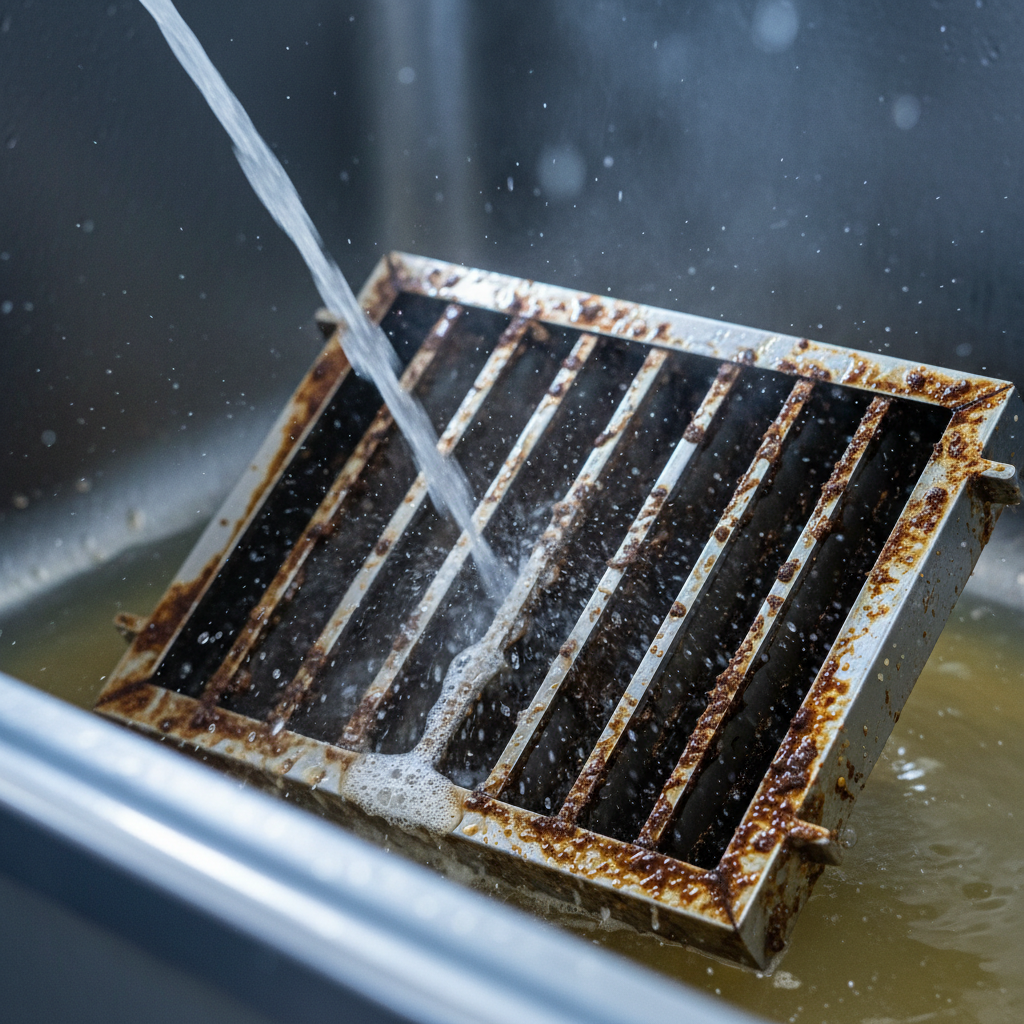
Self-contained answer: Inspections focus on complete, bare-metal results, safe access hardware, and proof of service. Protect the workspace, confirm interior duct cleanliness, add a dated hood sticker, and store photo reports and certificates. Kitchens that standardize this routine face fewer violations and faster sign-offs.
Tools, Records, and Resources to Manage Frequency
Build a simple system: filter rotation plan, digital reminders, access hardware, and a dual-location record set (on-site binder + cloud folder). Reference NFPA 96 and insurer terms. Use photo logs to defend schedule choices and guide adjustments.
- Checklists: Pre-service prep, shutdown steps, post-service verification, and weekly staff tasks.
- Filter sets: Keep 2–3 complete sets to enable consistent weekly exchanges without downtime.
- Access & safety: Fan hinge kit, service disconnect, OSHA-grade ladders, and clear roof pathways.
- Recordkeeping: Maintain a 12-month binder and a mirrored cloud folder with stickers, certificates, and all photos.
- Inspection readiness: Make the last four service reports easy to retrieve for AHJ/insurers.
- Partner selection: Choose NFPA 96–trained, WSIB-insured teams with 24/7 availability and Ontario-wide coverage.
For maintenance coordination, review our exhaust fan maintenance schedule; to align interval language with standards, see the NFPA 96 cleaning schedule guide.
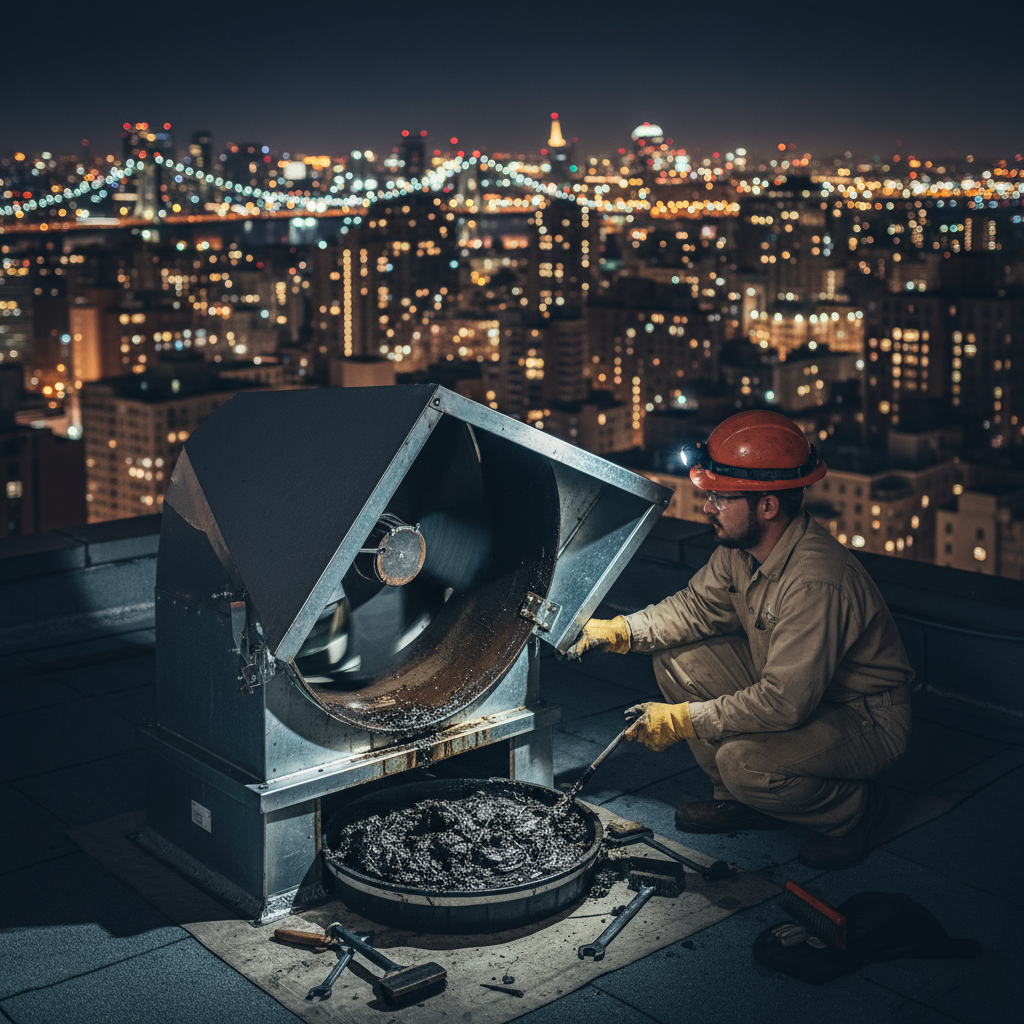
Self-contained answer: Manage frequency with checklists, two to three filter sets, safe access hardware, and mirrored records (binder + cloud). Keep the last 12 months of reports on hand. Select an NFPA 96–trained, WSIB-insured partner who can service multiple Ontario sites on a predictable cadence.
Need a compliance check? Request a quick on-site assessment to confirm your interval and receive a photo-documented plan aligned to NFPA 96 and your insurer’s requirements.
Local Tips
- Tip 1: Evening traffic on the QEW and Highway 401 can affect rooftop access timing—schedule fan service windows outside shift changes.
- Tip 2: Add a pre-season cleaning before patio weather and a mid-December visit; both periods see elevated grease loads in Ontario.
- Tip 3: Keep a spare set of baffle filters per location; our filter exchange program helps multi-site operators maintain airflow between quarterly cleanings.
IMPORTANT: These tips reflect Southern Ontario logistics and Robinhood Cleaners’ service approach for restaurants and institutional kitchens.
Ontario Case Studies and Scenarios
Real kitchens refine the cadence: high-volume QSRs trend to 8–10 weeks during peaks, fine dining often holds quarterly, and institutions benefit from semester-based cycles. Photo reports guide adjustments before grease reaches risky levels.
QSR on the 401 Corridor
- Challenge: Extended hours and a heavy fry line caused rapid duct loading between quarterly visits.
- Action: Tightened interval to every 9 weeks during peak months and added weekly filter exchanges.
- Result: Cleaner ducts, fewer odor complaints after midnight, and steadier make-up air balance.
Fine Dining in the Downtown Core
- Challenge: Mixed sauté and grill stations created moderate, localized buildup.
- Action: Maintained quarterly service; added proactive fan belt checks and rooftop containment maintenance.
- Result: Stable airflow, consistent hood performance, and zero inspection delays.
Institutional Kitchen Near Campus
- Challenge: Volume surged with semesters and sports schedules, then dropped during breaks.
- Action: Switched to a semester-based cadence: pre-term reset and mid-term touchpoint.
- Result: Grease remained within safe ranges; staff reported improved comfort during lunch peaks.
To understand how duct condition shapes scheduling, our primer on exhaust duct cleaning in Ontario explains access panels, interior verification, and common buildup patterns.
Self-contained answer: Ontario scenarios show that a quarterly baseline works for many, but peaks require flexibility. QSRs often tighten to 8–10 weeks, fine dining sustains quarterly with added fan checks, and institutions map service to academic calendars. Photo evidence drives confident, defensible adjustments.
FAQ
Frequency is risk-based: monthly (solid fuel), quarterly (high volume), semiannual (moderate), and annual (low/seasonal). Keep stickers and photo reports. Adjust for Ontario’s patio and holiday seasons to prevent grease accumulation from outpacing your baseline.
- How do I know if quarterly is enough?
Audit photo reports. If grease returns quickly behind filters or on fan blades, move to 8–10 weeks during peak months, then review again. - What counts as a compliant cleaning?
Degreasing to bare metal from canopy to rooftop fan, accessible ductwork verified, with before/after photos and a dated hood sticker. - Do filters need cleaning between services?
Yes. Weekly cleaning or exchange maintains airflow and slows duct loading, supporting predictable intervals. - Who enforces the schedule?
Your AHJ, insurer, and corporate safety policies reference NFPA 96. They’ll expect documented intervals and retrievable proof. - Can I combine services?
Yes—pair hood and duct cleaning with filter exchange, fan belt checks, and grease trap maintenance to reduce disruptions.
Conclusion, Key Takeaways, and Next Steps
Follow NFPA 96 baselines—monthly (solid fuel), quarterly (high volume), semiannual (moderate), annual (low). Document every visit with stickers and photo reports, and tighten cadence during Ontario’s busiest seasons. This routine lowers fire risk, preserves insurance eligibility, and stabilizes airflow.
- Key Takeaways
- Use risk tiers as a starting point and adjust with real photo evidence.
- Keep 12 months of records in an on-site binder and cloud folder.
- Filter exchange and fan maintenance keep airflow steady between visits.
- Ontario’s patio and holiday seasons often justify 8–10 week cleanings.
- Action Steps
- Book a compliance assessment and photo inspection with our NFPA 96–trained team.
- Set quarterly reminders and pre-peak season checkpoints.
- Standardize checklists and filter rotations across locations.
For a broader look at expectations and inspection prep, explore our general hood cleaning guide and this brief on NFPA 96 fire-safety requirements.
Related Articles
- How Filter Exchange Extends Hood and Fan Lifespan
- Fan Belt Failures: Early Warning Signs in Busy Kitchens
- Grease Trap Maintenance: Prevent Odors and Overflows