Commercial kitchen exhaust cleaning frequency is defined by widely adopted fire-safety standards: monthly for solid-fuel cooking, quarterly for high-volume, semiannual for moderate, and annual for low-volume operations. In All Over Ontario, most restaurants fit quarterly, while heavy fry lines or wood-fired equipment trend monthly to stay compliant and reduce fire risk.
By Robinhood Cleaners • Last updated: 2026-07-07
Quick Summary
Most commercial kitchens should clean the entire hood and exhaust system every 1–6 months depending on cooking volume and fuel type. Solid-fuel equipment needs monthly service; high‑volume fryer/griddle lines need quarterly; moderate-use kitchens can be semiannual; low-volume or seasonal operations may be annual if inspections confirm minimal grease.
If you only remember one thing, it’s this: frequency follows grease. Track how fast baffles and risers load up, then adjust your schedule. Use a managed filter routine, photo documentation, and a visible hood tag so every manager and inspector sees your program at a glance.
What determines how often to clean a commercial kitchen exhaust?
Cleaning frequency depends on fuel type, cooking volume, menu, equipment condition, and code expectations. Solid-fuel and high-volume frying produce heavy grease, requiring monthly or quarterly cleanings. Lower-volume, oven‑heavy menus can extend to semiannual or annual if inspections show minimal residue and capture velocity remains strong.
How often to clean commercial kitchen exhaust isn’t one-size-fits-all. It’s a risk calculation guided by what, how, and how much you cook—plus how your system is built. We evaluate fuel types, hours, and duct geometry, then test capture at the hood to set a safe starting interval.
- Fuel and heat source: Wood or charcoal lines emit embers and soot and should default to monthly. Gas/electric fryers atomize oil and typically require quarterly cleanings.
- Menu and oil load: Frying and sauté-heavy menus load filters and vertical risers far faster than baking, steaming, or sous-vide.
- Hours and throughput: 16‑hour or 24/7 sites accumulate residues faster than 8‑hour cafeterias.
- System design: Long horizontal runs and tight elbows trap grease; poor balancing lowers capture velocity.
- Filter care: Dirty baffles raise static pressure and push more aerosolized grease into ducts.
- Compliance drivers: Fire code, landlord rules, and insurers expect clear tags and reports at 30/90/180/365‑day intervals.
In our All Over Ontario rounds, QSRs with twin fry banks and a 12‑foot flat‑top almost always fit quarterly. Wood‑fired concepts default to monthly. Seasonal venues can stay semiannual or annual with documented inspections and strong filter discipline.
Recommended schedule by kitchen type (NFPA 96 guided)
Use recognized intervals as your baseline: monthly for solid‑fuel, quarterly for high‑volume, semiannual for moderate, and annual for low‑volume. Then adjust after each service using residue thickness, fan performance, and filter condition. If risers show tacky buildup at 60 days, tighten to monthly or quarterly without delay.
Start with the table below. It condenses years of field checks into a simple matrix you can post in the office. Pair this with a weekly filter routine and you’ll stabilize capture velocity, lower duct loading, and keep audit conversations short.
| Operation Type | Typical Menu/Setup | Baseline Interval | Why |
|---|---|---|---|
| Solid‑fuel lines | Wood/charcoal ovens, grills | Monthly (30 days) | Embers + soot + grease elevate ignition risk |
| High‑volume frying/griddle | QSR, diners, food courts | Quarterly (90 days) | Atomized oils saturate baffles and risers quickly |
| Moderate use | Mixed menu, lunch/dinner only | Semiannual (180 days) | Grease accumulates steadily but more slowly |
| Low‑volume/seasonal | Light sauté, limited hours | Annual (12 months) | Minimal aerosolized grease; confirm via inspection |
Filters still need weekly attention even when ducts are on a 90‑ or 180‑day cycle. A managed exchange every 7–14 days often pays off in steadier airflow and fewer emergency calls. For a deeper playbook, see our kitchen exhaust cleaning checklist and the broader hood cleaning guide.
Before you start: prerequisites for a compliant program
Confirm your system layout, access points, and safety controls before scheduling service. Gather hood model data, duct routes, fan access, and rooftop safety requirements. Align on after‑hours timing, water access, and waste capture. Set a filter cleaning or exchange routine to keep airflow stable between full‑system services.
Preparation saves time and prevents rework. We map each hood, riser, horizontal run, and fan, then plan water and power access and rooftop safety. That planning trims service windows and protects sensitive gear on your line.
- Map the system: Hoods, risers, horizontals, clean‑outs, exhaust fan, discharge.
- Access and safety: Rooftop hinges, tie‑offs, guards; gas/electrical shutoffs; water source; floor drains.
- Kitchen coordination: After‑hours window, cool‑down timing, covering/foiling, electronics protection.
- Waste management: Rooftop grease containment, vac recovery for wash water, proper disposal.
- Documentation: Prior reports, photos, deficiencies, and insurer/landlord expectations.
- Filter plan: Weekly cleaning or an exchange program to limit static pressure and duct loading; see our filter replacement schedule.
Teams that brief these details up front avoid last‑minute surprises and shorten service windows. That keeps the crew efficient and your reopening time predictable.
Step-by-step process: set, run, and prove your exhaust cleaning schedule
Build a repeatable cycle: assess, schedule, prep, service, verify, and refine. Start with a recognized baseline, inspect residues at each visit, and adjust the interval. Document everything (tags, photos, reports) to satisfy inspectors and insurers and to keep your team aligned across shifts and seasons.
1) Assess volume and risks
Walk the line and inventory heat and grease sources. Count fryers, griddles, charbroilers, ovens; note fuel types and hours. Check duct geometry, clean‑outs, and fan condition. Review last tags and reports for residue notes or access issues.
- Document menu items that spike oil aerosols (e.g., double‑fry, sauté‑heavy stations).
- Photograph clean‑outs, elbows, and rooftop gear for future reference.
- Log current intervals on a one‑page schedule visible at the hood.
Example: a QSR with twin fry banks and a 12‑foot flat‑top typically lands on quarterly, paired with a weekly filter exchange to stabilize airflow between services.
2) Set your initial interval
Apply monthly/quarterly/semiannual/annual from the table. If you’re unsure, start conservative at quarterly. You can extend to semiannual only after clean inspections show low residue and stable capture.
- Write the rationale and next inspection date on the hood tag.
- Block an after‑hours window to protect food safety and minimize downtime.
- Share the schedule with opening and closing managers so no shift is surprised.
3) Prep the kitchen and crew
Cover or remove food‑contact items and foil sensitive equipment. Confirm water, power, and safe rooftop access; stage degreasers and tools; brief opening managers on re‑light/startup procedures and verification.
- Foil pilot assemblies and electronics to avoid splash damage.
- Stage containment under duct seams to catch drips during rinse.
- Verify fan hinge integrity before tilting the unit.
4) Perform full-system cleaning
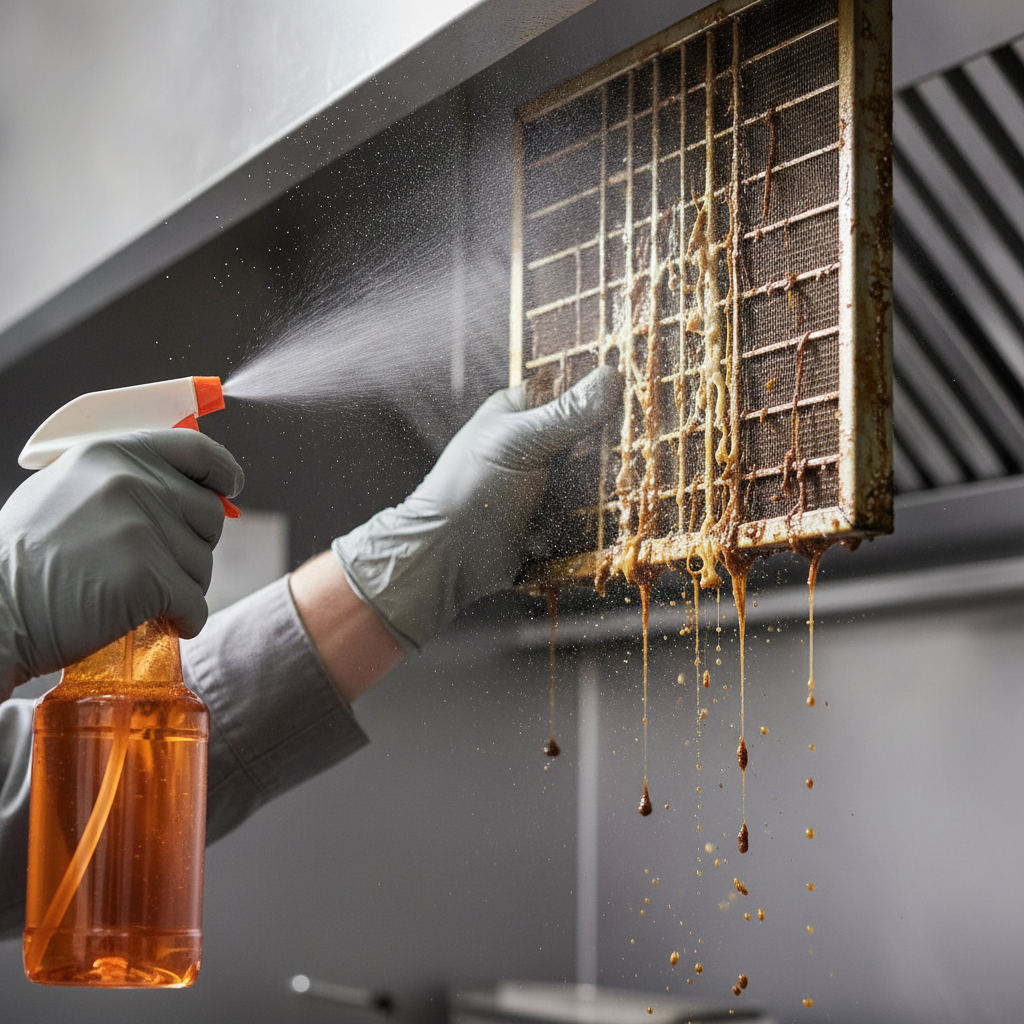
De‑grease hood canopies, baffles, plenums, ducts, and the exhaust fan. Scrape heavy accumulations, then apply hot‑water and approved degreasers. Service hinges, belts, grease containment, and fan bearings as needed.
- Scrape first, then wash—this saves time and water and improves results.
- Clean from the top down so runoff doesn’t re‑soil finished areas.
- Inspect fan belts for glazing or fray and replace proactively.
Ask for before/after photos of the hood, risers, and fan. Photos and a signed report are your proof during inspections and insurance renewals. For broader context on grease risks, see this explainer on exhaust system grease buildup.
5) Verify, tag, and document
Place a dated tag at each hood; store the digital report and photos. Note any access or repair needs so the next visit runs smoothly. Update the master schedule and notify the team of the next interval.
- Keep a printed report in a safety binder near the kitchen office.
- Archive photos in a shared drive labeled by date and line.
- Use consistent file names so managers can retrieve proof in seconds.
6) Refine frequency after each visit
Inspect residue thickness at 60–90 days on quarterly programs. Move to monthly if tacky buildup returns early, especially on solid‑fuel or heavy‑fry lines. Where residue remains light, consider extending to semiannual with manager sign‑off.
- Track belt changes and filter swaps on the same log to spot patterns.
- If smoke lingers at peak volume, tighten the interval immediately.
- Re‑balance the system if capture velocity lags even after a clean.
Need a quick frequency check? Our team conducts on‑site hood and duct assessments across All Over Ontario and sets a right‑sized schedule with photo proof and a compliance plan. Explore our kitchen exhaust cleaning services.
Troubleshooting: signs you need cleaning sooner
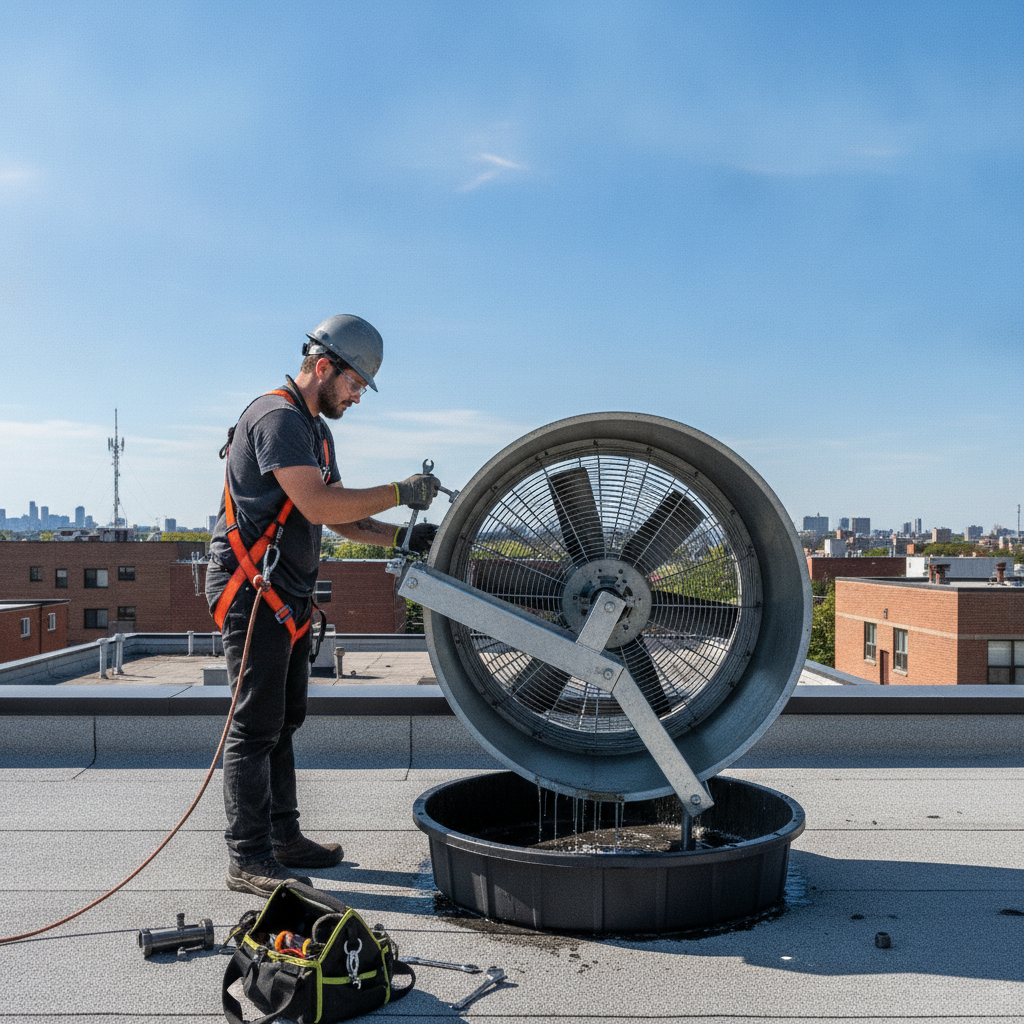
Move your next cleaning up if you smell burnt oil, see tacky residue on baffles, hear a straining fan, or notice smoke lingering on the line. Any drip marks at seams or rooftop grease pooling means the system is saturated and the fire risk is rising—don’t wait for the scheduled date.
Frequency is dynamic. Kitchens change menus, extend hours, or add fryers. The system tells you when the interval is slipping. Watch for the cues below and take action the same week, not the next quarter.
- Airflow symptoms: Lingering smoke, heat on the cook’s face, or a louder‑than‑normal fan.
- Visual cues: Brown streaks at seams, sticky baffles, rooftop stains near the fan curb.
- Filter warnings: Filters that look clean but feel tacky are loading the risers.
- Operational triggers: Seasonal rushes, new fry menu items, or extended hours.
- Inspection flags: Missing hood tags, old dates, or no photo documentation.
If you’re seeing any of the above, get an interim filter exchange on the calendar and request a spot inspection. Our hood and duct cleaning guide explains the warning signs line by line.
Advanced tips: keep frequency optimized without overpaying
Stabilize airflow with a filter exchange program, add a rooftop grease containment kit, and install a hinge on every fan. Track cleanings, belt changes, and photos in one log. These small upgrades reduce emergency calls, protect roofs, and let you extend intervals safely when inspections stay clean.
Here’s how operators in All Over Ontario keep programs tight and audits short.
- Managed filter program: Swap baffles every 7–14 days; it’s the fastest airflow stabilizer between 90‑ or 180‑day duct cleanings.
- Hinge kits + containment: Protect fans and roofs; easier access improves cleaning quality and photo proof.
- Fan belt program: Replace belts proactively; slipping belts slash capture velocity and load ducts faster.
- Clean‑out doors: Add where long horizontals or elbows hide grease. Better access equals better outcomes.
- One logbook: Keep tags, reports, and photos together for audits and staff turnover.
If you need a certification trail, this overview of hood cleaning certification shows the documentation inspectors and insurers expect to see.
Local considerations for All Over Ontario
- Winter access: plan rooftop service around ice and wind; hinges and grease containment prevent spills in freezing temps.
- Summer volume: patios and tourism spikes can shift quarterly lines toward 60‑day filter checks.
- Building rules: many Ontario sites require WSIB‑insured vendors and after‑hours work—line up paperwork and keys ahead.
Compliance, documentation, and insurance expectations
Keep recognized intervals, maintain hood tags, and retain signed reports with photo proof. Insurers and landlords often ask for cleaning dates, scope, and technician credentials. A consistent log, visible tags, and accessible photos make inspections fast and demonstrate that your fire prevention program is active and verifiable.
Compliance is easier when proof is standardized. Store a dated tag at every hood and a mirrored digital record. During renewals, you’ll be asked for dates, scope, and credentials. Having a tidy binder plus a shared drive shortens visits and reduces follow‑ups.
- What to retain: Service reports, photo sets, hood tags, technician certifications.
- Where to store: Safety binder on‑site and a secure digital folder for quick retrieval.
- When to show: Routine fire inspections, insurance renewals, and post‑incident reviews.
- Why it matters: Demonstrates due diligence, reduces fire risk, and supports coverage requirements.
For operator‑level guidance across Ontario properties, our frequency guide pairs the interval matrix with real photo examples you can share with staff.
Frequently Asked Questions
Here are concise answers to the most common frequency questions restaurants ask about commercial kitchen exhaust cleaning. Use these to set your baseline, plan scheduling, and adjust confidently after each inspection and service.
How often should we clean our commercial kitchen exhaust?
Most restaurants need quarterly hood, duct, and fan cleaning. Solid‑fuel equipment requires monthly service. Moderate‑use kitchens can be semiannual, and low‑volume or seasonal operations may be annual if inspections confirm minimal grease and strong capture velocity.
Do filters change the cleaning frequency?
Yes. Keeping baffle filters clean or on a managed exchange slows duct loading and can help maintain quarterly or semiannual intervals. Dirty filters increase static pressure and push more aerosolized grease into risers and ducts, shortening the safe interval.
What documentation proves compliance?
Keep a dated hood tag, a signed service report, and before/after photos for each visit. Store copies in an on‑site safety binder and a digital folder. Inspectors and insurers commonly ask for this documentation during routine checks and renewals.
Can we extend from quarterly to semiannual?
Yes, but only after clean inspections and stable airflow readings. If residues remain light at 90 days and filters stay clean via weekly care or exchange, you can trial a semiannual schedule with manager sign‑off and photo verification.
Additional Resources
Use these references and internal guides to calibrate your exhaust cleaning frequency, prepare your kitchen for service, and keep airtight documentation. Bookmark them so managers can quickly answer inspector questions and keep schedules on track through staff changes.
- Review our Commercial Kitchen Hood Cleaning Guide for a line‑by‑line walkthrough.
- Print the Exhaust Cleaning Checklist for shift huddles.
- Share the service overview when onboarding new managers.
- Study common grease buildup patterns and how to cut them down.
Conclusion and next steps
Set your baseline from recognized intervals: monthly for solid‑fuel, quarterly for high‑volume, semiannual for moderate, and annual for low‑volume. Track residues, photos, and airflow. Adjust without delay if grease returns early. That’s how you prevent fires, pass inspections, and keep service uninterrupted across All Over Ontario.
- Adopt a managed filter routine to stabilize airflow.
- Install fan hinges and containment to protect access and roofs.
- Keep a single logbook with tags, photos, and reports.
- Reassess after each service and tighten intervals when needed.
Key takeaways
- Quarterly fits most restaurants; monthly for solid‑fuel; semiannual/annual only with clean inspections.
- Filters, hours, and menu drive the true interval—treat frequency as dynamic.
- Proof wins audits: tags, photos, and a clear report history.
- Local operations in All Over Ontario benefit from after‑hours scheduling and WSIB‑insured teams.