Ventilation system optimization commercial kitchen refers to tuning hoods, ducts, fans, filters, and make-up air so they capture grease and smoke efficiently while minimizing energy use and meeting NFPA 96 standards. When done right, it improves air quality, reduces fire risk, stabilizes temperatures, and keeps staff comfortable—without overworking equipment.
By Robinhood Cleaners
Last updated: 2026-04-20 • Serving restaurants and commercial kitchens across All Over Ontario
At a Glance
Optimize a commercial kitchen’s ventilation by aligning capture hoods, baffle filters, duct cleanliness, exhaust and make-up air balance, and fan controls. The goal is strong capture at the lowest practical airflow. Use data (airflow, static pressure, temperature) to adjust settings, verify with smoke tests, and sustain gains with scheduled cleaning.
- What you’ll learn: How kitchen ventilation works, what to measure, and a step-by-step optimization plan.
- Why it matters: Better capture, fewer odors, lower fire risk, calmer kitchens, and less energy waste.
- Who this helps: Restaurants, QSRs, hotels, food courts, institutions, and catering kitchens across Ontario.
- Where we fit: Robinhood Cleaners provides NFPA 96–aligned hood, duct, and exhaust cleaning, filter exchange, fan belt replacement, and ventilation system maintenance to keep performance high.
Quick Answer
Commercial kitchen ventilation system optimization is aligning hoods, filters, ducts, fans, and make-up air to maximize grease and smoke capture with minimum energy. In All Over Ontario, Robinhood Cleaners supports this through NFPA 96 cleaning, filter exchange, duct and fan maintenance, and make-up air balancing.
Local Tips
- Tip 1: If your site sits along Highway 401 or the QEW with frequent deliveries, plan service windows before lunch or after close to avoid traffic delays and reduce downtime.
- Tip 2: Ontario winters increase stack-effect; kitchens may feel drafty. Balance make-up air to be slightly warm and well-diffused to prevent cold air dumping on the line.
- Tip 3: During summer humidity spikes, verify filter cleanliness and fan belt tension weekly. Moist air and heat load can erode capture if components are dirty or slipping.
IMPORTANT: These tips reflect our work supporting restaurants across Southern Ontario with ventilation maintenance and NFPA 96–aligned cleaning.
What Is Ventilation System Optimization in a Commercial Kitchen?
Ventilation optimization is the intentional tuning of hoods, filters, ducts, fans, and make-up air so a kitchen captures grease and heat with the fewest cubic feet per minute (CFM) necessary. It blends cleaning, mechanical adjustments, and controls to meet NFPA 96 capture and containment expectations without wasting energy.
- Scope: Hoods (Type I), baffle filters, hood plenums, exhaust ducts, rooftop upblast fans, grease containment, and make-up air units with diffusers.
- Targets: High capture efficiency, stable airflow, appropriate face velocity, acceptable static pressure, and comfortable line temperatures.
- Inputs: Menu and appliances (broilers, fryers, woks), duty cycle, operating hours, and seasonal weather loads common across Ontario.
- Outputs: Consistent smoke capture, fewer odors, fewer nuisance alarms, and smoother FOH/BOH environments.
- How Robinhood Cleaners helps: Hood and duct cleaning, exhaust fan cleaning, filter cleaning & exchange, fan belt replacement, and ventilation system maintenance.
Self-contained explainer: A commercial kitchen’s ventilation must capture heat and effluent at the source and move it safely outdoors. Optimization sets the right airflow for each hood, ensures filters and ducts are clean enough to minimize resistance, and matches the make-up air to the exhaust so your building pressure stays neutral or slightly negative. The result is strong capture without over-ventilating.
Why Ventilation Optimization Matters
Optimized ventilation improves air quality, reduces fire risk, and lowers fan and heating/cooling energy. Clean, balanced systems capture grease at the source, protect ducts, and stabilize kitchen temperatures, which supports food safety and line productivity. It also helps you stay aligned with NFPA 96 and insurance expectations.
- Safety first: Cleaner ducts and fans reduce combustible grease accumulation, a leading cause of commercial kitchen fires per industry guidance.
- Health comfort: Better smoke and heat removal improves staff comfort and helps maintain food quality at the pass.
- Energy and wear: Right-sizing airflow and maintaining fan belts reduce over-ventilation and mechanical strain.
- Compliance: Documented hood and duct cleaning supports NFPA 96 alignment and insurer requirements in Ontario jurisdictions.
- Proof in practice: Kitchens that pair routine ventilation efficiency checks with scheduled cleaning sustain steadier capture and fewer odor complaints.
In our experience across Southern Ontario, teams get immediate wins by restoring filter cleanliness and verifying fan belt tension—two low-lift steps that restore airflow and reduce noise on the line.
How a Commercial Kitchen Ventilation System Works
Hoods capture heat and effluent. Baffle filters separate grease. Ducts convey effluent to an upblast fan that throws it safely away from the roof. A make-up air unit supplies tempered replacement air so room pressure stays stable. When all parts are clean and balanced, capture is strong at lower CFM.
- Capture and containment: The hood’s geometry, overhang, and face velocity pull the plume into the filters.
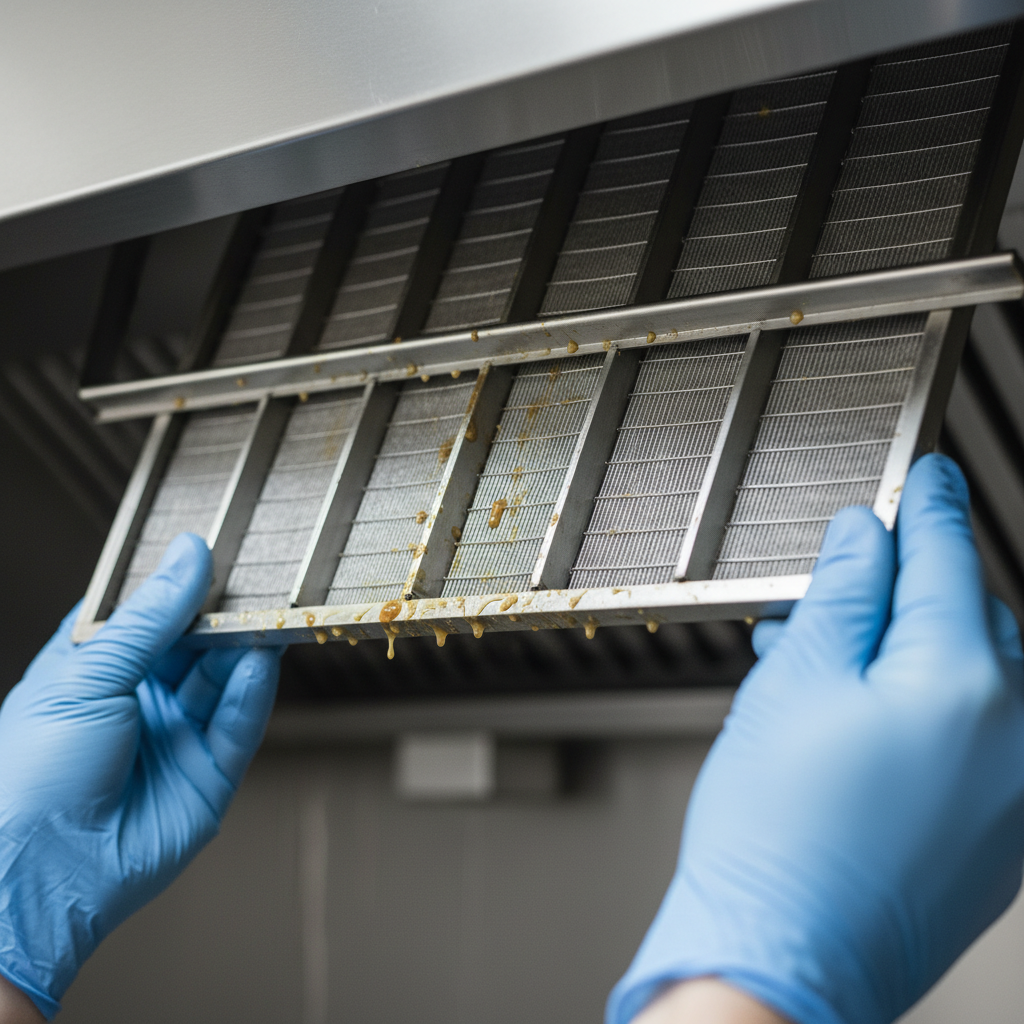
- Grease removal: Baffle filters slow and redirect air to shed grease into troughs; clean surfaces keep pressure drop lower.
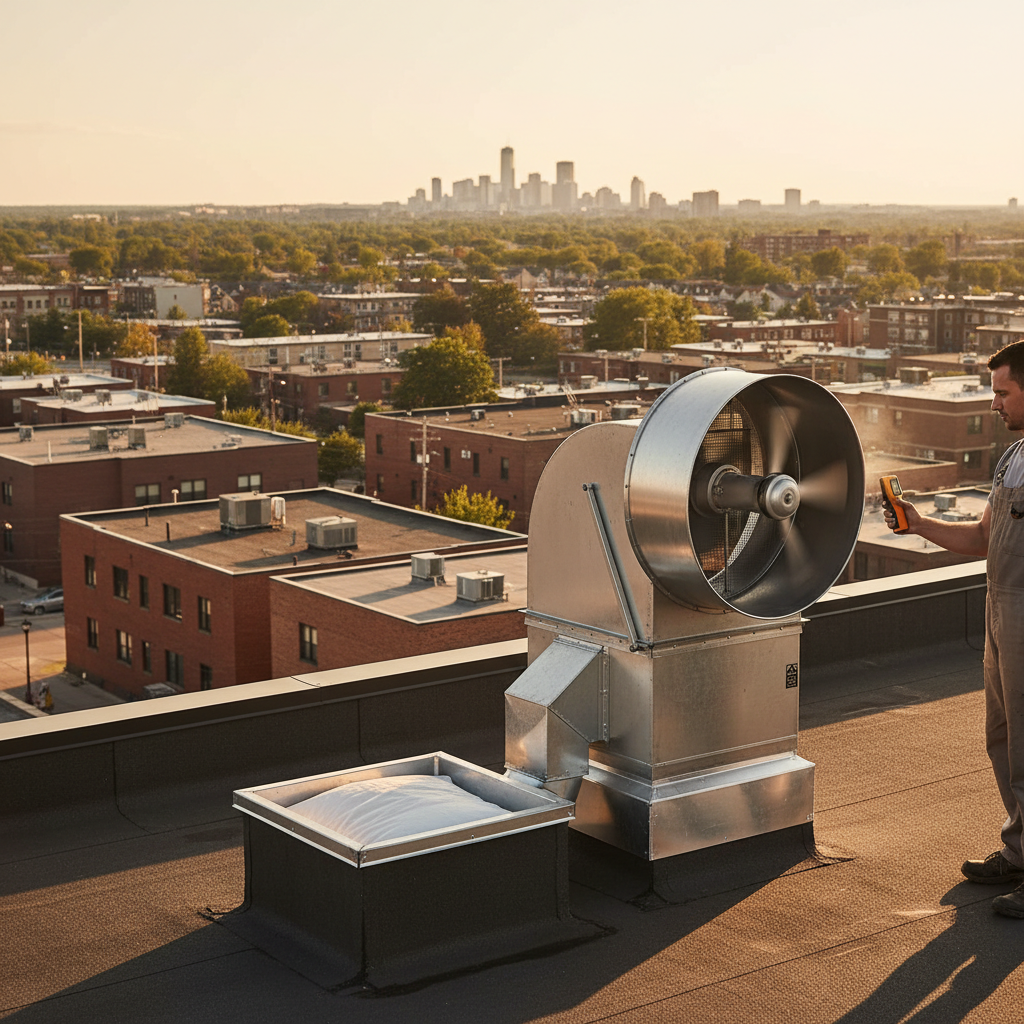
- Air transport: Grease-rated ducts lead to a rooftop upblast fan with hinges and grease containment.
- Make-up air: Diffusers supply replacement air, ideally slightly warm in winter and well-distributed.
- Controls: Fan switches, interlocks with appliances, and optional speed control to match load.
For a deeper primer, our commercial hood cleaning guide walks through components we service to sustain airflow and reduce fire risk.
Types, Methods, and Approaches to Optimization
Use a combined approach: restore cleanliness, measure actual airflow and pressure, balance exhaust and make-up air, and, if applicable, add variable speed or demand-control ventilation. The best results come from sequencing cleaning and measurements so data reflects true system capability.
- Cleaning foundation: NFPA 96–aligned hood, duct, and fan cleaning; filter cleaning or exchange; rooftop grease containment service.
- Mechanical tune-up: Fan belt inspection/replacement, pulley alignment, motor checks, and hinge functionality.
- Air measurement: Traverse ducts for CFM, record static pressure, verify face velocity, and perform smoke capture tests.
- Balancing: Adjust make-up air volume and diffuser direction to prevent cross-drafts and cold air dumping.
- Controls: Consider demand-control ventilation to reduce airflow during light-load hours while maintaining capture.
Robinhood Cleaners’ service mix—hood & duct cleaning, filter exchange, exhaust fan cleaning, and fan belt replacement—creates the low-resistance baseline you need before dialing in controls.
Step-by-Step: Optimize and Balance Your Kitchen Ventilation
Follow a simple sequence: clean, inspect, measure, adjust, verify, and document. Start with NFPA 96 cleaning and a filter refresh. Then measure airflow and pressure, balance make-up air, confirm with smoke testing, and document settings. Repeat seasonally to account for Ontario’s weather swings.
- Clean and reset: Complete hood, duct, and fan cleaning; exchange or deep-clean baffle filters; clear rooftop grease containment.
- Inspect mechanics: Check fan belts, sheaves, motor mounts, vibration, and hinge safety.
- Measure airflow: Traverse a straight duct run, record CFM and static pressure; note hood face velocity at multiple points.
- Balance make-up air: Set supply volume to match exhaust; orient diffusers to avoid cross-drafts over appliances.
- Verify capture: Use visible smoke to confirm containment at the hood edge and during door openings.
- Fine-tune controls: If equipped, set fan speeds or demand-control thresholds to match typical cooking intensity.
- Document settings: Record readings, diffuser positions, belt sizes, and filter types for repeatability.
- Schedule upkeep: Establish cleaning and inspection intervals based on menu and duty cycle.
| Step | Primary Action | Who Owns It | What to Record |
|---|---|---|---|
| 1 | NFPA 96 cleaning + filter reset | Robinhood Cleaners | Date, surfaces cleaned, filter type/condition |
| 2 | Fan belt and mechanical check | Maintenance | Belt size, tension, sheave alignment |
| 3 | Airflow & static readings | Maintenance/Technician | CFM, in. w.g., face velocity |
| 4 | Make-up air balance | HVAC/Technician | Supply CFM, diffuser positions |
| 5 | Smoke capture verification | Supervisor | Pass/fail notes, door-open behavior |
Need help implementing this plan? Our team covers All Over Ontario with 24/7 scheduling. Ask for a ventilation performance assessment and we’ll pair cleaning, filter exchange, and a basic airflow check to get you stable fast.
Best Practices for Lasting Results
Keep resistance low, airflow balanced, and controls matched to load. That means clean filters and ducts, healthy fan belts, tempered make-up air, and documented settings. Re-verify every season and after menu or equipment changes to maintain capture and kitchen comfort.
- Protect the baseline: Clean hoods, ducts, and fans on the right cadence; exchange filters before they load up.
- Watch belts: Replace glazing, frayed, or noisy belts early to avoid airflow dips during service.
- Balance in the real world: Test with doors opening, peak rush, and seasonal conditions to avoid surprises.
- Document and label: Record diffuser positions and belt sizes; post them for quick reference.
- Train the team: Simple habits—like seating filters properly—preserve capture.
- Go deeper on comfort: See our kitchen air quality tips for diffuser strategies and heat relief on the line.
Tools and Resources We Actually Use
A simple kit—anemometer, manometer, smoke tubes, and IR thermometer—lets you measure what matters. Pair tools with a cleaning schedule, filter exchange program, and belt inventory so fixes are fast. Data plus maintenance delivers lasting ventilation performance.
- Measurement: Hot-wire anemometer, Pitot tube kit, handheld manometer, static tips, smoke tubes, IR thermometer.
- Maintenance: Belt tension gauge, hinge kits, grease containment pads, NSF degreasers, food-safe descalers.
- Records: Simple log for CFM, static, filter swaps, belt sizes, and diffuser notes.
- Service pairings: Filter Cleaning & Exchange keeps pressure drop predictable; Fan Belt Replacement keeps CFM steady.
- Where to start: If you lack tools, book a baseline cleaning and airflow check with Robinhood Cleaners to set reference readings.
Ontario Case Studies and Real-World Examples
Across Southern Ontario, quick wins usually come from cleanliness and balance. Restored filters, fresh belts, and diffuser tweaks routinely stabilize capture. Below are anonymized examples showing how paired cleaning and basic measurements solved comfort and odor pain points quickly.
- QSR on Highway 401 corridor: Filters were installed backwards; re-seating plus exchange restored capture and cut smoke spillage during lunch rush.
- Downtown hotel kitchen: Loaded ducts raised static pressure; NFPA 96 cleaning brought hood face velocity back into a reliable range.
- Food court grill line: Cross-draft from a nearby door disrupted plumes; diffuser re-aiming and slight make-up air increase solved it.
- Casual dining by the QEW: Slipping fan belt caused noisy, weak exhaust; new belt and sheave alignment stabilized CFM and noise.
- Institutional kitchen: Uneven diffuser throws chilled the prep table; balancing and warmer supply air improved staff comfort.
- High-heat wok station: Added side panels and verified overhang; capture improved without raising total exhaust air.
- Bakery café: Odor complaints tied to full grease cup; rooftop containment service eliminated roof staining and odors.
- Arena concession: Stovetop flames triggered nuisance alarms; cleaning and smoke test showed restored containment at the hood edge.
- Mall tenant turnover: New menu increased effluent; re-verified capture and scheduled more frequent filter exchange.
- Fine dining upgrade: New charbroiler demanded higher local capture; balancing and diffuser repositioning protected nearby sauté station.
- Catering commissary: Make-up air unit offline; temporary adjustments and service restored neutral pressure and door behavior.
- University residence kitchen: Documented settings and labeled diffusers reduced post-maintenance drift and repeat calls.
- Suburban franchise: Staff training on proper filter seating stopped recurring smoke roll-out at the fryer bay.
Maintenance, Cleaning, and Compliance (NFPA 96)
Routine NFPA 96–aligned cleaning plus mechanical checks keeps pressure drop low and capture reliable. Document each service, hinges and containment included. Insurers and AHJs look for proof that hoods, ducts, and fans are maintained to standard.
- Hood & duct cleaning: Degrease to bare metal where possible; include fan blades, shrouds, and housings.
- Filter program: Exchange or deep-clean baffle filters on a cadence that matches your menu and hours.
- Rooftop safety: Use NFPA 96–compliant hinged fans and proper grease containment to protect the roof.
- Fan belts: Inspect tension and condition; replace early to avoid surprise airflow losses.
- Records: Keep service photos and reports handy for inspections and insurance reviews.
Robinhood Cleaners brings WSIB-insured, certified teams and 24/7 availability across Ontario, so you can schedule around service windows without disrupting revenue hours.
Common Mistakes That Hurt Ventilation
The biggest ventilation killers are loaded filters, dirty ducts, slipping fan belts, and poor make-up air balance. Correct those first. Then look for cross-drafts, missing side panels, and hood overhang issues that weaken capture during peak rush.
- Filter neglect: Clogged baffles spike resistance and force fans to work harder.
- Dirty ducts/fans: Grease buildup raises static pressure and fire risk.
- Belt wear: Slipping or glazed belts reduce CFM and add noise.
- Make-up air mismatch: Too little supply causes door suck; too much creates drafts.
- Geometry issues: Short overhangs or missing side panels reduce plume capture.
- Unverified changes: New equipment or menu without re-balancing leads to capture gaps.
Pricing Factors and ROI (No Dollar Figures)
Value depends on kitchen size, menu intensity, hours, and existing conditions. Fast wins often come from cleaning and filter exchange, followed by belt and balance checks. The return shows up as steadier capture, fewer comfort complaints, and less strain on HVAC and fans.
- Key drivers: Hood count and size, duct length, roof access, grease level, filter condition, and fan state.
- Scope mix: Cleaning frequency, filter program cadence, belt replacements, and any balancing visits.
- Outcome focus: Fewer odor issues, better temperatures, and quieter operations during peak service.
- Next step: Start with a baseline cleaning and airflow check to see how close you already are to stable capture.
FAQ
The most common questions focus on cleaning frequency, signs of poor capture, and what to measure. Below are crisp answers operators use to make fast decisions and plan maintenance with confidence.
How often should a commercial kitchen ventilation system be cleaned?
Most high-use kitchens align with quarterly hood and duct cleaning, while moderate-use sites can be semi-annual. Very light-use kitchens may go annual. Filter exchange is typically weekly to monthly depending on load. Always adjust by menu, hours, and inspection feedback.
What are the clearest signs ventilation needs attention?
Smoke spilling from the hood edge, lingering odors, hotter-than-usual line temperatures, rattling or squealing at the rooftop fan, and doors that are hard to open or that slam shut. These usually point to filter loading, belt wear, or make-up air imbalance.
Do I need demand-control ventilation?
It helps sites with wide swings in cooking intensity. If you run steady, simple belts and good balancing often deliver most of the benefit. If you see big peaks and valleys in production, variable speed can maintain capture while reducing airflow at lighter loads.
What measurements matter during optimization?
Record hood face velocity, duct CFM from a traverse, and static pressure. Pair those with smoke tests for visual capture proof. Keep notes on diffuser positions, filter type, and belt sizes so settings are repeatable after maintenance.
When should we rebalance after changes?
Anytime you add or move appliances, change menus significantly, notice odor/smoke complaints, or after seasonal shifts. Quick rechecks keep you from chasing comfort issues during the dinner rush.
Related Articles
If you’re building a maintenance plan or chasing comfort issues, the following resources expand on airflow, odor control, and seasonal balancing without leaving gaps in compliance or documentation.
- How to sustain airflow between cleanings is covered in our guide on restaurant ventilation optimization.
- For odor complaints and guest experience, see reduce kitchen exhaust odors for quick tactics that pair with balancing.
- Before summer heat sets in, review air quality improvement for commercial kitchens to protect staff comfort.
Key Takeaways
- Start with cleanliness—filters, hoods, ducts, and fans set the baseline for airflow.
- Measure and balance—verify CFM, static pressure, and diffuser performance, then smoke-test.
- Protect the gains—log settings, replace belts early, and revisit seasonally.
- Use services that reinforce performance—filter exchange, fan belt replacement, and NFPA 96 cleaning.
Ready to stabilize capture and comfort? Book a ventilation performance assessment with Robinhood Cleaners. We serve All Over Ontario with 24/7 scheduling and WSIB-insured, certified teams.