Surprise inspections aren’t the problem—being unprepared is. If you operate a restaurant or commercial kitchen in All Over Ontario, getting NFPA 96 compliance requirements for restaurants right is how you protect people, prevent fires, and keep service on schedule. This complete, practical guide translates the standard into a step-by-step, inspection-ready plan you can run with your team and with Robinhood Cleaners as your NFPA96-certified partner.
- What NFPA 96 covers—and how it applies to hoods, ducts, exhaust fans, filters, and rooftop discharge.
- Exactly what inspectors look for and how to document every visit so you pass the first time.
- Cleaning frequencies that match cooking volume, plus a simple calendar you can adopt today.
- Ontario-focused tips for safe rooftop access, seasonal scheduling, and after-hours service.
Quick Answer
For restaurants in All Over Ontario, NFPA 96 compliance requirements for restaurants mean your entire exhaust system—hood, ducts, filters, and exhaust fan—must be cleaned to bare metal where accessible and documented at code-aligned intervals. Robinhood Cleaners provides NFPA96 certified cleaning, photo documentation, and 24/7 scheduling so you stay inspection-ready without disrupting service.
What Is NFPA 96?
NFPA 96 is the nationally recognized standard that governs ventilation control and fire protection for commercial cooking operations. In plain terms, it tells you how to install, access, clean, and maintain your kitchen hood and exhaust system so grease doesn’t become fuel for a fire.
- Who it applies to: Restaurants, quick service, food courts, institutional kitchens, catering operations—anyone producing grease-laden vapors.
- Systems covered: Hoods, grease removal devices (baffle filters), plenum, horizontal and vertical ducts, fans, rooftop discharge, access panels, clearances.
- What compliance means: Grease is removed to bare metal where accessible; access is provided; cleaning is performed at proper intervals; and records prove it happened.
Why NFPA 96 Compliance Matters
Grease builds up quietly and becomes dangerous fast. A small flare-up can race through ductwork in seconds if deposits are present. Compliance is about prevention and proof.
- Fire prevention: Systematic removal of grease deposits from hood to rooftop fan.
- Regulatory readiness: Health, fire, and insurance stakeholders expect NFPA-aligned cleaning and documentation.
- Operational uptime: Planned service avoids surprise closures and protects equipment performance.
- Insurance alignment: Many policies require proof of code-aligned intervals and certificates.
- Employee safety: Cleaner air, better ventilation, and fewer slip hazards from atomized grease.
NFPA 96 Compliance Requirements for Restaurants: The Essentials
Here’s how to translate the standard into daily action. Use these bullets as your inspection-ready checklist.
- Provide access: Install and maintain access panels at required intervals so internal duct surfaces can be cleaned and inspected.
- Clean to bare metal: Remove grease to bare metal where accessible—no cosmetic wipe-downs. Verify with photos.
- Protect the roof: Use UL-compatible grease containment on upblast fans and replace saturated media promptly.
- Use hinge kits: Fit upblast fans with hinge kits to prevent wiring and roof damage during service.
- Maintain airflow: Inspect belts and bearings; poor airflow accelerates condensation and grease accumulation.
- Document every visit: Before/after photos, service certificate (date, time, areas cleaned, tech name), and a hood sticker with the next due date.
- Match frequency to volume: Solid fuel monthly; high-volume quarterly; moderate semiannually; low-volume annually (or as the AHJ requires).
- Train your line: Daily filter checks and hood wipe-downs prevent buildup between deep cleans.
- Coordinate suppression: Ensure hood cleaning and fire suppression inspections complement each other and that fusible links and nozzles are protected during service.
How Compliance Works Day-to-Day
Compliance is a rhythm that blends quick staff routines with certified, scheduled service. Here’s a simple cadence many Ontario kitchens use.
Daily to Weekly (Frontline Tasks)
- Filters: Remove, degrease, and dry baffle filters per manufacturer guidance; reinstall correctly oriented.
- Hood surfaces: Wipe interior and exterior stainless after close. Spot-check light lenses and seams.
- Airflow sanity check: At line start, confirm airflow feels consistent and the fan sounds normal.
- Spill control: Mop and degrease floors near the cookline to reduce slip hazards from aerosolized grease.
Monthly to Quarterly (Certified Partner)
- Kitchen exhaust cleaning (end-to-end): Hood, plenum, accessible duct runs, and exhaust fan to bare metal.
- Filter cleaning & exchange: Rotate or replace clogged filters to restore capture efficiency.
- Exhaust fan cleaning: Blades, housing, and hinge-area cleanup; verify balance and vibration.
- Fan belt inspection/replacement: Replace worn belts to protect airflow and motor life.
- Rooftop containment: Inspect and refresh grease containment media before saturation.
Want a ready-made cadence? See our compliance cleaning schedule and align it to your menu and hours.
Documentation & Proof
- Photo trail: Time-stamped before, during, and after photos, labeled by zone (hood, duct, fan).
- Certificate: Date/time, areas cleaned, methods used, technician signature, and next due date.
- Hood sticker: Placed where visible; matches the certificate and your internal log.
- Binder or drive: Keep certificates, photos, SDS sheets, and vendor contacts in one place.
For step-by-step scope and documentation details, review our NFPA 96 certified hood cleaning process and what’s included in every visit.
Cleaning Types, Methods, and Approaches
NFPA 96 doesn’t force one method. The requirement is effective, verifiable removal of grease to bare metal without damaging equipment.
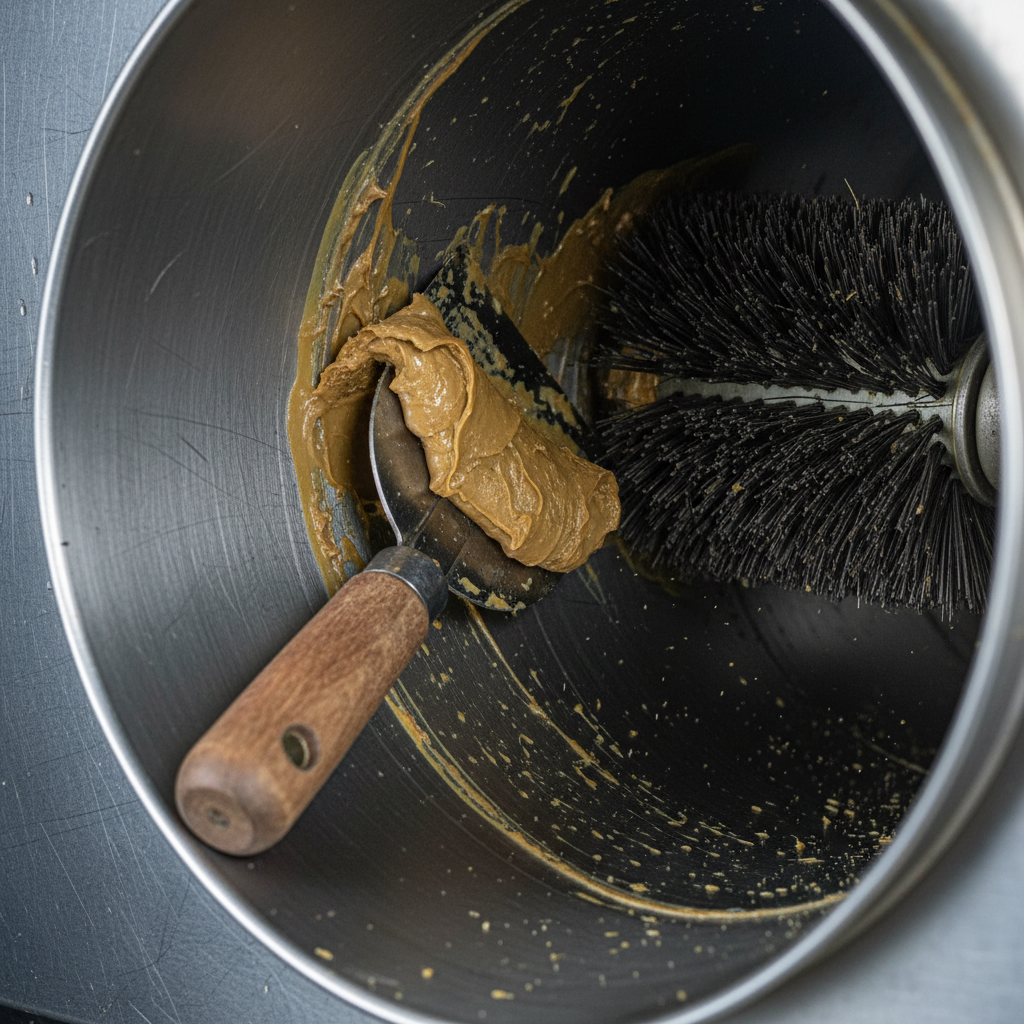
- Hot-water pressure washing: Flushes ducts and hoods using grease-cutting detergents.
- Hand scraping: Reaches tight or sensitive areas and protects delicate components.
- Chemical degreasers: Formulated for stainless and aluminum; used with care around gaskets and finishes.
- Access panel utilization: Clean internal runs at code-required panel intervals for complete coverage.
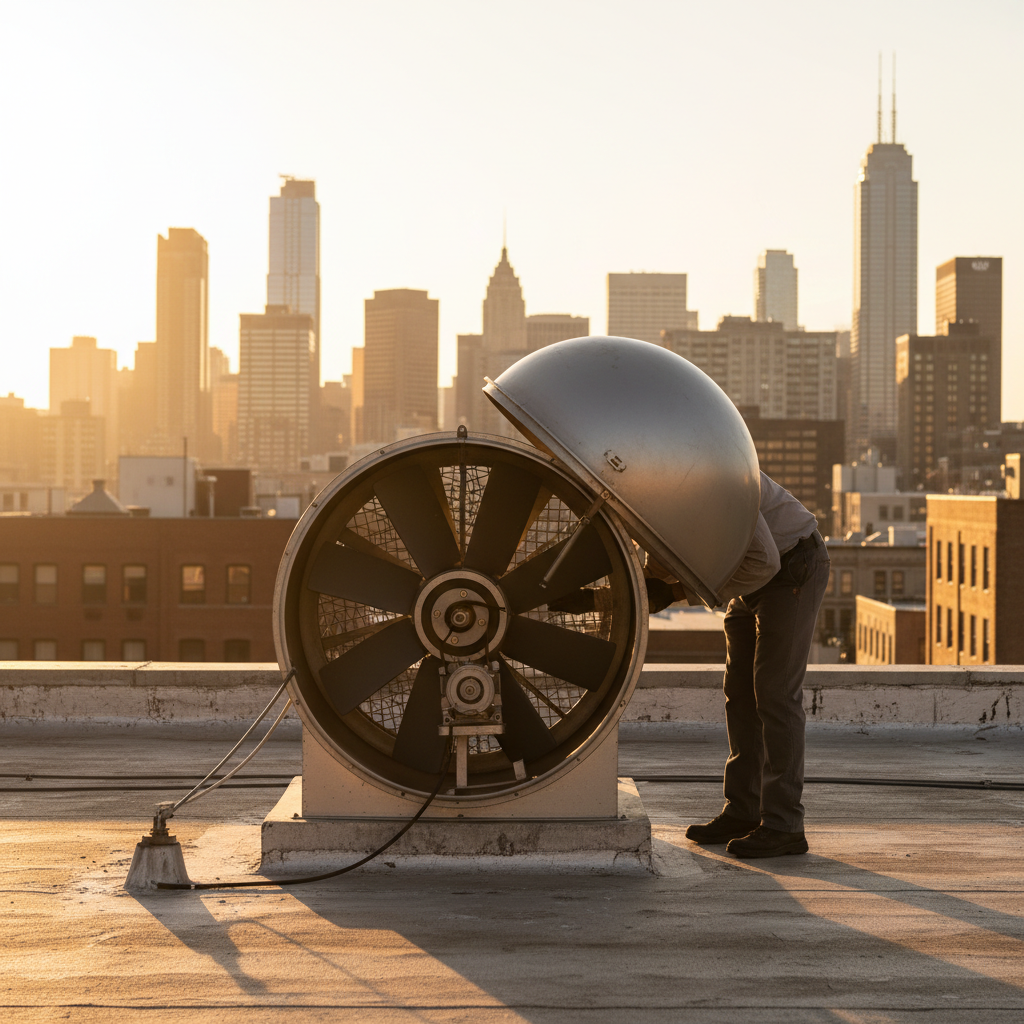
- Rooftop fan service: Open on hinge kits, protect wiring and roof, verify containment, and reassemble safely.
Best Practices That Pass Inspections
These are the patterns we follow as NFPA96-certified professionals serving All Over Ontario.
1) Frequency by Cooking Volume (Plan to Your Menu)
| Operation Type | Typical Volume | Suggested Minimum Frequency |
|---|---|---|
| Solid fuel (wood/charcoal) | High | Monthly |
| High-volume fry/grill (QSR, fried chicken, burgers) | High | Quarterly |
| Moderate-volume (casual dining) | Moderate | Semiannually |
| Low-volume or seasonal | Low | Annually |
Your authority having jurisdiction (AHJ) may require tighter intervals. We tailor schedules to your menu, hours, and inspection history. Our hood cleaning frequency guide explains how to choose the right cadence.
2) Full-System Cleaning to Bare Metal
- Don’t stop at the hood. Inspectors look for continuity: hood, plenum, horizontal runs, vertical shafts, fan housing, and discharge.
- Remove baffle filters and clean both sides; verify correct seating on reinstall to maintain capture efficiency.
- Use access panels at code intervals so internal ductwork is verifiably clean.
3) Safe Fan Access and Roof Protection
- Use hinge kits on upblast fans to prevent conduit and roof damage.
- Contain rooftop grease with compatible systems and replace saturated media promptly.
- Check belts and bearings; poor airflow allows grease to condense inside ducts.
4) Containment, Cleanup, and Waste Handling
- Bag and remove scrapings; never allow emulsified grease to enter drains.
- Use floor protection, splash guards, and post-clean power washing when needed.
- Leave the cookline clean, dry, and ready for service before handoff.
5) Photo Evidence and Certificates
- Capture time-stamped photos before, during, and after service.
- Label photos by zone (hood, duct, fan) so inspectors can follow the story in seconds.
- Issue NFPA-aligned certificates and place a service sticker at the hood with the next due date.
Local Tips
- Plan around patio season: In Southern Ontario, volume often spikes in spring and summer. Pre-book quarterly hood service so warm-weather menus don’t push you past due dates.
- Rooftop access timing: Wind and ice make winter fan work tricky. Schedule major rooftop maintenance during milder windows for safer access.
- After-hours clean: Robinhood Cleaners offers 24/7 scheduling across Ontario to minimize disruption. Overnight cleans mean you reopen with a clean, dry line.
IMPORTANT: These tips reflect local realities and our actual service model: NFPA96-certified, WSIB insured, and available when your kitchen is dark.
Tools, Templates, and Resources
Turn compliance into muscle memory with these ready-to-run assets. Customize them to your operation and keep them in a single binder or shared drive.
- 3-Minute Line-Check: Pre-shift pass to verify filters, airflow sound, and visible grease streaks.
- Inspection Binder Structure: Tabs for certificates, photos, SDS sheets, and vendor contacts.
- Service Interval Calendar: Color-coded months for monthly, quarterly, semiannual, annual tasks.
- Rooftop Fan Kit: Hinge, containment media, pads, and PPE staged at roof access.
- Vendor SOP: Photos, hood sticker, certificate, findings, and repair recommendations captured every visit.
- Want a pass-the-first-time plan? Ask us for an NFPA 96 walkthrough and photo audit.
- Prefer zero-downtime service? Book an overnight clean—documentation included.
- Multi-site operator? We’ll standardize intervals and binders across locations.
Explore our Ontario-focused program for NFPA96-certified hood cleaning and rolling documentation.
Ontario Restaurant Examples
These anonymized snapshots come from actual service across All Over Ontario. They map common pain points to fixes that satisfy inspections.
- Busy QSR chain (fried menu): Grease streaks reappeared within two weeks. We shifted to quarterly full-system service plus monthly filter exchange and fan belt checks. Result: stronger capture, quieter fans, and a cleaner duct on inspection.
- Upscale bistro (open flame): Long vertical run hid blended soot/grease layers. We added access panels and combined hand scraping with hot-water flushing. Photos labeled by zone helped the manager explain the improvement to the AHJ. Result: pass on re-inspection.
- Food court tenant (limited overnight access): Tight windows conflicted with cleaning. We staged equipment offsite, pre-fabricated splash guards, and ran an overnight crew. Result: documented bare-metal surfaces without impacting mall hours.
- Institutional kitchen (seasonal volume): Annual service had drifted to 16 months. We provided a calendar template and email alerts, then reset the cadence. Result: renewed compliance and better AHJ relationship.
- Rooftop oil damage (multi-tenant roof): Saturated containment media was staining the roof. We replaced media, installed better splash protection, and set a monthly rooftop check. Result: clean roof, happier landlord, easier inspection sign-off.
For broader safety context, see this concise kitchen fire safety guide and how it intersects with NFPA 96 routines, and review hood cleaning frequency tips to align your schedule with risk.
FAQ
-
How often should my hood and ducts be cleaned to meet NFPA 96?
It depends on cooking volume and fuel. Solid-fuel systems commonly run monthly. High-volume fry or grill operations often need quarterly. Moderate kitchens trend semiannual, and low-volume or seasonal operations can be annual. Your AHJ can set stricter intervals—build your schedule accordingly and document every visit.
-
What documents do inspectors want to see?
Before/after photos, a dated service certificate with technician details, a hood sticker showing the next due date, and proof of any repairs (e.g., hinge kit installation). Keep these in a binder or shared folder so managers can produce them on demand in under a minute.
-
Does NFPA 96 require a specific cleaning method?
No single method is mandated. The requirement is effective removal of grease to bare metal where accessible, without damaging components. We typically combine hand scraping and hot-water washing, using access panels to reach internal ducts.
-
Who is responsible for NFPA 96 compliance?
Ownership is shared: operators handle daily care and scheduling; certified vendors perform code-aligned cleaning and documentation; and the AHJ verifies. Make it a routine, not a scramble, and empower shift leads to check filters and stickers.
-
Are grease traps part of NFPA 96?
Grease traps are plumbing devices and usually fall under local plumbing and environmental rules. While they aren’t inside the hood/duct standard, keeping traps maintained supports overall hygiene and better inspection outcomes across the board.
Key Takeaways & Next Steps
- NFPA 96 compliance requirements for restaurants center on removing grease, assuring access, and proving it with photos and certificates.
- Match intervals to your risk profile: monthly (solid fuel), quarterly (high-volume), semiannual (moderate), annual (low-volume)—or tighter if your AHJ requires.
- Protect your roof and wiring with hinge kits and compatible grease containment systems.
- Document everything; labeled photos and a clean certificate trail make inspections fast and friendly.
- Lean on NFPA96-certified partners like Robinhood Cleaners—WSIB insured, available 24/7, serving all of Ontario.
Ready to turn compliance into a smooth routine? Let’s map your calendar, document your first bare-metal clean, and keep you inspection-ready all year. Book an Ontario-wide walkthrough and overnight clean—we’ll work around your line hours.