Grease ignites fast. In a busy line, seconds matter. Fire hazard reduction in commercial cooking is about stopping small flare-ups from becoming disasters—protecting your people, your guests, and your business. This complete guide is tailored for Ontario restaurants, hotels, caterers, and institutional kitchens and reflects NFPA 96 practices that Robinhood Cleaners follows across the province, 24/7.
- Primary goal: reduce fuel (grease), control heat, eliminate ignition, and contain incidents.
- Built for Ontario operators: aligns with NFPA 96 and health inspection expectations.
- Action-first format: checklists, step-by-step workflows, and documentation templates.
Quick Answer
Fire hazard reduction in commercial cooking means routine removal of grease, verified NFPA 96–aligned exhaust cleaning, working suppression, trained staff, and documented inspections. In All Over Ontario at All Over Ontario, Robinhood Cleaners delivers NFPA 96–certified kitchen exhaust cleaning, filter exchange, fan cleaning, and grease trap service to minimize risk 24/7.
Read this first: Hook + Table of Contents
You’re busy. Use this map to jump to what you need.
- What is fire hazard reduction?
- Why it matters (Ontario context)
- How it works (step-by-step)
- Types, methods, and approaches
- Best practices and checklists
- Tools and resources
- Case studies and examples
- FAQ
- Conclusion + next steps
- Related articles (topics to continue your plan)
What Is Fire Hazard Reduction in Commercial Cooking?
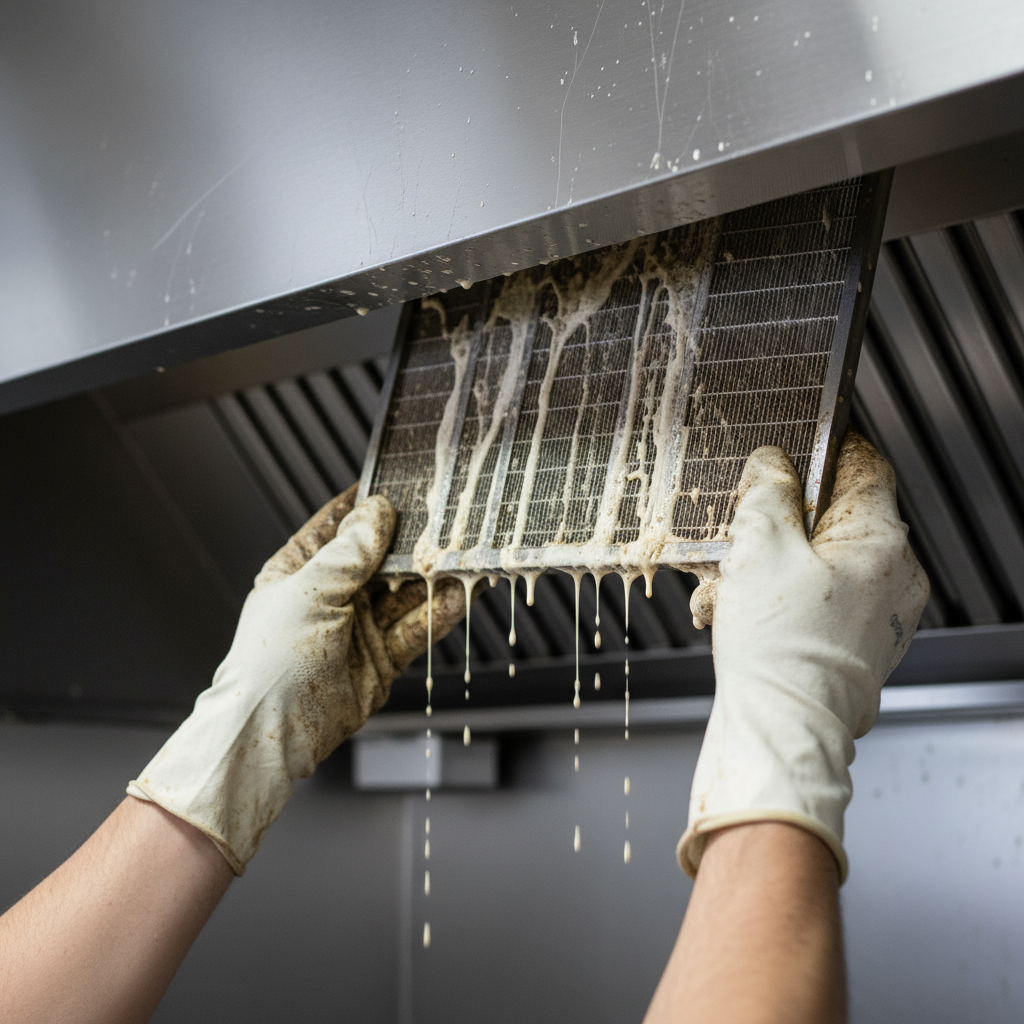
In kitchen operations, fire risk comes from a simple triangle: fuel, heat, and oxygen. Your job is to control the first two—fuel and heat. “Fuel” in commercial kitchens is almost always accumulated grease in hoods, ducts, fans, filters, appliances, and grease traps.
- Definition: A systematic program to remove grease, verify ventilation, maintain suppression, train staff, and document compliance to NFPA 96.
- Scope:
- Hood, duct, and fan cleaning (exhaust system cleaning)
- Filter cleaning and exchange
- Appliance and equipment degreasing
- Grease trap pumping and cleaning
- Airflow optimization to keep heat moving out
- Readiness of Class K extinguishers and fixed suppression
- Who owns it: The operator—supported by certified vendors. Robinhood Cleaners provides NFPA 96–certified service province-wide with quick response in Southern Ontario.
Why Fire Hazard Reduction Matters (Ontario Context)
Beyond safety, this is about continuity, compliance, and confidence.
- People first: Lower burn risk for cooks, dish teams, and servers.
- Business continuity: Avoid shutdowns that derail service and reputation.
- Regulatory alignment: NFPA 96 and local inspectors expect visible, documented cleaning.
- Insurance readiness: Carriers ask for proof of compliant cleaning and suppression maintenance.
- Air quality improvement: Clean exhaust moves heat and smoke out, easing shifts.
- Plumbing protection: Grease trap service prevents clogs and backflow incidents.
- Ontario operations: Seasonal humidity and winter ventilation loads demand consistent schedules.
For an overview of provincial expectations, see how we frame them in our Ontario fire safety standards guide and our NFPA 96 Ontario playbook. These pieces outline what inspectors look for and how to show compliance on the spot.
How Fire Hazard Reduction Works: A Practical Framework
Use this repeatable cycle to keep risk low—even on your busiest nights.
1) Identify: Find the grease and the heat
- Map risk zones: Hoods, baffle filters, plenum, horizontal ducts, vertical stacks, fan housings, rooftops, appliances, grease traps.
- Note fuel sources: Fryers, charbroilers, woks, grills, ovens, smokers—anything that vaporizes fats and oils.
- Check airflow: Listen for rattles, feel for weak pull, look for smoke linger. Poor draw = higher risk.
2) Reduce fuel: Remove grease on a schedule
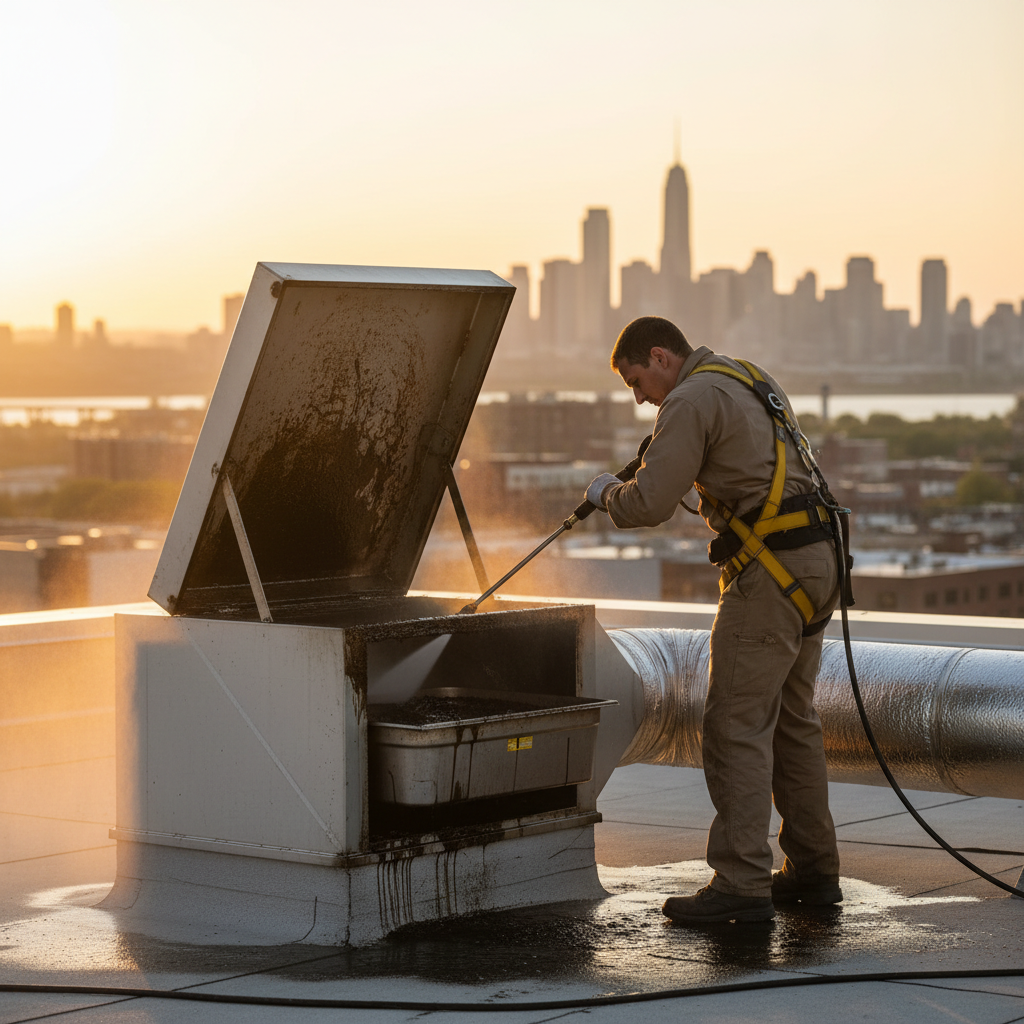
- Kitchen exhaust cleaning: Degrease hood-to-rooftop, including fans and ducts.
- Filter cleaning & exchange: Keep spare baffles; rotate daily. Replace damaged or warped filters.
- Equipment cleaning: Wipe and degrease appliances at close; deep clean on schedule.
- Grease trap service: Pump, clean, and inspect baffles and lids. Log dates.
3) Control heat: Ventilation, makeup air, and balance
- Ventilation balance: Too little makeup air = poor capture. Too much = drafts that spread flames.
- Fan belt checks: Inspect tension and wear; replace proactively to avoid stalls.
- Duct integrity: Ensure access panels are sealed after cleaning to maintain draw.
4) Eliminate ignition: Keep sparks and flames in check
- Appliance gaps: Maintain clearances around fryers and open flame equipment.
- Electrical hygiene: No frayed cords, no taped connections near grease.
- Sharps and tools: Keep metal scrapers and skewers away from live burners.
5) Contain and respond: When a flare happens
- Class K extinguisher training: Staff practice on a cold line. Aim, sweep, and back away.
- Suppression readiness: Confirm tags and test intervals; ensure nozzles are aimed at hot zones.
- Emergency cleaning: After an incident, schedule a rapid degreasing of hoods, ducts, and fans before restarting. Our emergency cleaning protocols explain the sequence.
6) Verify and document: Prove compliance
- Stickers and tags: Current service stickers on hoods and suppression systems.
- Photo reports: Before/after images from the plenum to the fan housing.
- Inspector-ready binders: Keep certificates, logs, and reports behind the host stand or manager’s office.
Types, Methods, and Approaches
Match the method to your menu, volume, and equipment mix. Here’s a practical menu of options Robinhood Cleaners delivers across Ontario.
Exhaust System Cleaning (Hood to Rooftop)
- Degreasing and scraping: Removes heavy buildup in plenum and ducts.
- Hot water rinse and power washing: Flushes loosened fats and oils.
- Fan cleaning: Disassembles housings, degreases blades, and resets hinges.
- Access panel service: Opens, cleans, and reseals for NFPA 96 visibility.
Filter Cleaning & Exchange
- Daily rotation: Soak or run through washer; swap in dry, intact baffles.
- Exchange program: Keep a clean inventory; Robinhood Cleaners can rotate and replace on schedule.
- Inspection cues: Warped, dented, or clogged baffles reduce capture and boost risk.
Equipment and Appliance Cleaning
- Commercial oven deep cleaning: Remove carbonized grease that can flash.
- Grill and charbroiler cleaning: Scrape daily; scheduled deep degrease for trays and undersides.
- Refrigeration exteriors and coils: Degrease to improve heat transfer and efficiency.
Grease Trap Service
- Pumping and cleaning: Prevents backups that create slip and ignition risks.
- Plumbing maintenance coordination: Keep downstream clear; avoid drain line heat hazards.
Fan Belt Replacement and Ventilation Optimization
- Belt changes: Proactively replace to prevent surprise downtime.
- Balance checks: Confirm speeds and airflow match cooking load.
- Makeup air review: Stop cross-drafts that pull flame or smoke into the room.
Best Practices and Checklists
Use these field-tested habits to lower fire risk quickly.
Daily Line-Check (1 minute per station)
- Filters seated and dry (no gaps or upside-down installs).
- Hood lights operational (visibility prevents accidental ignition).
- Clear splash zones around fryers and open flames.
- Nothing stored on top of appliances or under hoods.
- Class K extinguisher in reach, tag current.
Close-Down Routine (10–15 minutes)
- Degrease splash areas on and around equipment.
- Soak or wash baffle filters; rack to dry for the morning shift.
- Empty and wipe grease catch trays and surfaces.
- Log issues (slow draw, belt squeal, smoke linger).
Weekly Manager Walkthrough
- Lift hood screens and inspect the plenum for fresh buildup.
- Listen for fans ramping slowly or squealing—flag belt wear.
- Check suppression nozzles for obstructions or knocked-off aim.
- Confirm filter condition and order replacements if bent or warped.
Inspector-Ready Documentation
- Service stickers: Dates visible and legible on each hood.
- Photo reports on file: Before/after images for hoods, ducts, and fans.
- Training records: Last Class K drill and suppression vendor tag dates.
- Emergency call plan: Contact list for overnight service and shutdown steps.
Scheduling Benchmarks (By Menu & Volume)
| Operation Type | Typical Cooking Load | Exhaust Cleaning Cadence | Filter Rotation |
|---|---|---|---|
| High-volume fry/char (wings, burgers, woks) | Heavy, open flame | Every 1–2 months | Daily clean, keep spares |
| Mixed menu (casual dining) | Moderate | Every 2–3 months | Daily/Every other day |
| Hotel banquet/Institutional | Variable, event-driven | Every 3–4 months | After-heavy-use rotation |
| Light sauté/Pan-based | Light | Every 4–6 months | Weekly |
Note: Actual frequency depends on volume, menu, equipment condition, and inspection history. We size schedules after a quick site review.
Need an NFPA 96–aligned maintenance plan? Our certified team at Robinhood Cleaners handles kitchen exhaust cleaning, filter exchange, fan cleaning, equipment degreasing, and grease trap service across Ontario—fast response in Southern Ontario. Let’s build your calendar and documentation so you’re always inspector-ready.
Tools and Resources (Operator + Vendor)
Stock these basics in-house and lean on certified vendors for the rest.
Operator Essentials
- Personal protective equipment (PPE): Heat-resistant gloves, eye protection, non-slip footwear.
- Degreasers and scrapers: Food-safe formulas and sharp blades for daily close-down.
- Spare baffle filters: Keep at least one full spare set per hood.
- Class K extinguishers: Wall-mounted, staff trained and drilled.
- Logbook and binder: Stickers, reports, and training sign-offs together.
Certified Vendor Capabilities (What to Expect)
- Full hood-to-rooftop cleaning: With photo documentation and visible stickers.
- Filter cleaning & exchange programs: Set-and-forget rotations.
- Fan cleaning and belt replacement: Airflow restored, belts swapped before failure.
- Grease trap pumping and cleaning: Coordinated to prevent plumbing issues.
- 24/7 availability: Service when your kitchen is closed to avoid downtime.
If you’re evaluating vendors, review this overview of NFPA 96–certified hood cleaning and scan our compliance checklist to see how documentation supports inspections.
Local Tips
- Tip 1: If you operate along the 401 corridor, coordinate exhaust cleaning after last seating to avoid traffic delays and next-day odors during prep.
- Tip 2: In Southern Ontario summers, humidity thickens airborne grease. Shorten filter rotation and consider an extra degrease before long weekends.
- Tip 3: Rooftop fans ice up in deep winter. Ask for hinged fans and proper grease containment so technicians can service safely during freezing snaps.
IMPORTANT: These tips align with Robinhood Cleaners’ 24/7 service model across Ontario and our quick response in Southern Ontario.
Case Studies and Real-World Examples
Here are field-tested scenarios we commonly handle for Ontario operators. Details are representative (no client PII).
1) High-Volume Wing and Burger Chain (GTA)
- Problem: Heavy fry and char generated frequent flare-ups; inspectors flagged duct residue.
- Actions: Moved exhaust cleaning to every 6 weeks; set daily filter wash and kept two spare sets.
- Result: Noticeably stronger draw, cleaner shifts, and a smooth inspection with photo-proof binder.
2) Hotel Banquet Kitchen (Niagara Region)
- Problem: Event spikes created variable grease loads; suppression nozzles were mis-aimed.
- Actions: Quarterly hood-to-rooftop cleaning, makeup air check, and nozzle alignment verification every visit.
- Result: Fewer smoky starts under grill loads and clean inspector sign-off ahead of peak season.
3) Institutional Cafeteria (Waterloo)
- Problem: Light sauté menu led to underestimating filter maintenance; airflow suffered.
- Actions: Switched to weekly filter wash with monthly quick-degrease of splash zones.
- Result: Better capture at the hood, no more smoke linger at lunch rush, and happier staff.
4) Food Truck Commissary (Hamilton)
- Problem: Shared hoods and mixed menus created unpredictable grease patterns.
- Actions: Bi-monthly exhaust cleaning plus strict filter exchange rules for each tenant.
- Result: No cross-tenant issues, improved air quality, and a reliable inspection record.
FAQ
- How often should we schedule exhaust system cleaning?
Frequency depends on volume and menu. High fry/char kitchens often book every 1–2 months; mixed menus 2–3 months; lighter sauté 4–6 months. We adjust after a brief site review and your inspection history. - What proof do inspectors want to see?
Visible service stickers on hoods, current suppression tags, and a file with photo reports, checklists, and certificates. Our NFPA 96 compliance guide shows how to organize them. - Can we reduce downtime during cleaning?
Yes. We schedule overnight or off-hours. Teams arrive with containment, clean from hood to rooftop, and leave stations dry with fresh filters so you can open normally. - What’s the fastest way to lower risk this week?
Rotate clean, dry baffle filters daily; degrease splash zones at close; check fan belts for squeal; confirm Class K extinguisher training; and schedule an NFPA 96–aligned exhaust cleaning. - Do you offer emergency service after a flare-up?
Yes. Robinhood Cleaners provides 24/7 emergency cleaning across Ontario. See our emergency protocols for what we do before you relight equipment.
Conclusion: Turn Best Practices into Routine
- Remove fuel: Keep grease out of hoods, ducts, fans, appliances, and traps.
- Control heat: Balance airflow and swap belts before they fail.
- Be ready: Train with Class K, verify suppression, and keep documentation ready to show.
- Schedule smart: Align frequency with menu and volume; adjust seasonally in Ontario.
- Use certified help: NFPA 96–certified cleaning from Robinhood Cleaners keeps you inspection-ready 24/7.
Key Takeaways
- Fire hazard reduction in commercial cooking starts with clean exhaust and dry, intact filters.
- Inspector-ready documentation (stickers + photos) speeds visits and proves NFPA 96 alignment.
- Balance ventilation, replace belts, and keep Class K training active.
- Use a vendor that offers hood-to-rooftop cleaning, filter exchange, fan service, and grease trap cleaning.
Next step: Book an NFPA 96–aligned assessment with Robinhood Cleaners. We serve all of Ontario with quick response in Southern Ontario—overnight or early-morning slots to avoid downtime.
Related Articles (Helpful Next Reads)
- Creating a filter rotation calendar for mixed menus
- How to stage the line for faster close-down degreasing
- What your inspection binder should contain this season
- Rooftop fan basics: hinges, containment, and safe access