Grease builds fast. On the line. Behind equipment. Up the walls. If you manage a busy restaurant or institutional kitchen in Ontario, you’ve seen how quickly fatty overspray and aerosolized oils turn into a slippery, combustible mess. Power washing degreasing commercial kitchens is the fastest, safest way to strip fats, oils, and grease (FOG) from floors, walls, and exteriors—while supporting NFPA 96 compliance and keeping shifts running on time.
- What you’ll learn: what power washing + degreasing is, why it matters, how it works step-by-step, and how Robinhood Cleaners integrates it with hood, duct, and filter service.
- Who this is for: Ontario restaurant owners, franchise leaders, hotels, and institutional kitchen managers who need certified, WSIB-insured pros—available 24/7.
- Outcomes: lower fire risk, fewer slips, cleaner air, longer equipment life, and smoother inspections.
- Local context: Robinhood Cleaners serves kitchens all over Ontario with quick response in Southern Ontario.
Quick Answer
For kitchens across All Over Ontario (address: All Over Ontario), power washing degreasing commercial kitchens removes built-up FOG fast, reducing fire hazards and slips. Robinhood Cleaners integrates hot-water pressure, food-safe degreasers, and NFPA 96–aligned protocols 24/7 to keep your kitchen safe, compliant, and inspection-ready.
Table of Contents
- What Is Power Washing + Degreasing?
- Why It Matters (Safety, Compliance, Operations)
- How It Works (Step-by-Step)
- Methods, When to Use Them, and Trade-offs
- Best Practices That Cut Risk and Downtime
- Tools & Resources Checklist
- Ontario Case Snapshots (QSR, Hotels, Rooftops)
- FAQ
- Key Takeaways and Next Steps
What Is Power Washing + Degreasing?
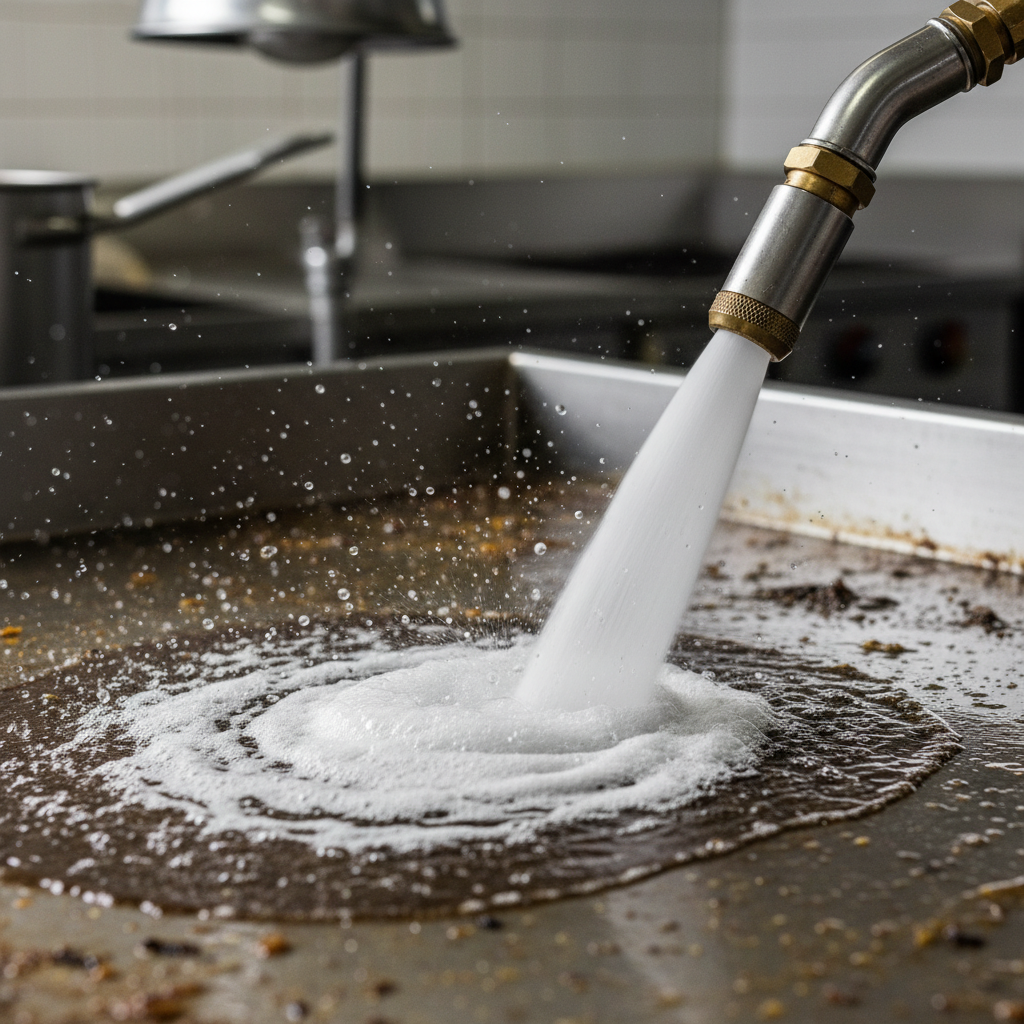
In simple terms, we apply a food-safe degreaser, let it dwell, then use controlled hot-water pressure to break down and remove FOG from floors, walls, and stainless exteriors. It’s fast, repeatable, and ideal between full deep cleans.
- Scope (typical):
- Floors, coved base, grout lines, and drains near cooklines
- Walls, backsplashes, and stainless exteriors around fryers and grills
- Hood exteriors, filter housings, and nearby surfaces that collect overspray
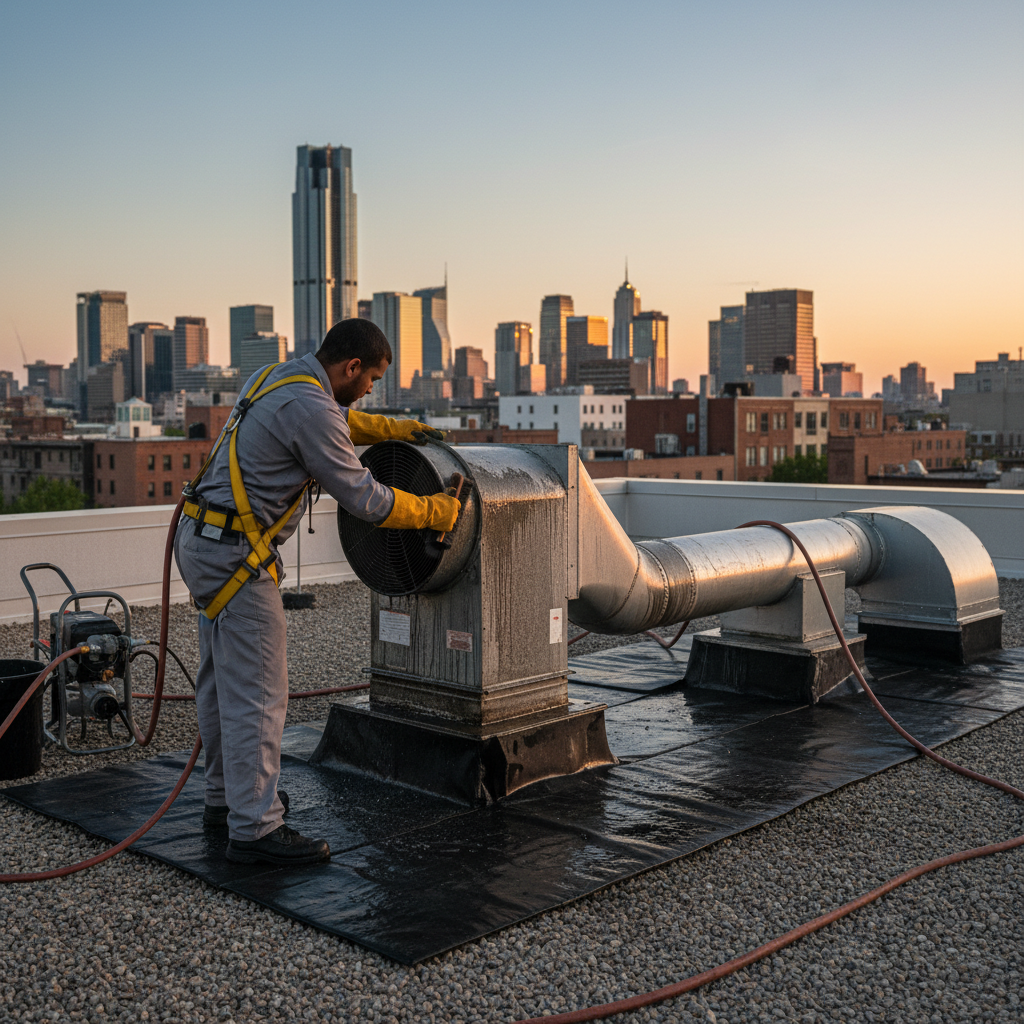
- Rooftop fan housing exteriors (with rooftop containment and safety gear)
- Outside scope (specialized/certified methods):
- Inside hoods, ductwork, and exhaust fan internals (done under NFPA 96 by certified teams)
- Grease trap pumping (handled by licensed providers; we coordinate cleaning around it)
- Expected results:
- Lower combustible load on surfaces
- Reduced slip-and-fall risk
- Cleaner intakes and vents for better airflow
- Better first impressions for health inspectors and customers
Why It Matters (Safety, Compliance, Operations)
Here’s the thing: grease is fuel. The more it accumulates, the more it threatens your people, property, and brand.
- Fire hazard reduction: FOG ignites. Removing it from floors and walls makes flare-ups less likely to spread to hoods and ducts.
- Compliance support: While power washing alone doesn’t satisfy hood/duct standards, it complements Ontario NFPA 96 requirements by reducing surface loads that re-soil exhaust systems faster.
- Workplace safety: Fewer slips, clearer sightlines, and better air quality help protect staff and morale.
- Equipment performance: Clean condenser coils and intakes breathe easier. That means steadier temps and fewer failures.
- Reputation: Open-kitchen concepts and delivery apps expose your back-of-house. Cleanliness is a competitive advantage.
Want a deeper framework? Our team outlines inspection-readiness and hood intervals in this kitchen fire safety guide tailored to Ontario operations.
How It Works (Step-by-Step)
Robinhood Cleaners uses a predictable, low-disruption workflow so you can plan around service windows.
1) Pre-Inspection & Planning
- Walk the cookline to map heavy-build areas: fryer banks, grill splash zones, dish pits, and service corridors.
- Confirm utilities: hot water, drain conditions, and access for recovery equipment.
- Coordinate timing: true overnight or pre-dawn windows so lines reopen on time.
- Protection plan: plastic sheeting over electronics, bag control panels, tape off outlets.
2) Setup & Containment
- Post wet-floor cones; isolate zones to keep staff safe.
- Install drain covers or FOG socks where required by local discharge rules.
- Stage reclaim mats, berms (for rooftops), and wet/dry vacs for recovery.
3) Chemical Application
- Select a food-contact safe degreaser compatible with stainless, tile, and grout.
- Foam verticals bottom-to-top for even dwell; spray floors evenly for coverage.
- Respect SDS: dwell time, ventilation, and PPE.
4) Mechanical Action
- Hot water in the 160–180°F range with controlled PSI breaks FOG bonds.
- Use surface cleaners on large floor areas to keep spray contained and even.
- Detail edges, equipment feet, and floor sinks by hand where needed.
5) Recovery & Rinse
- Vacuum pooled water; squeegee to low points; wipe baseboards.
- Final hot-water rinse to neutral pH when appropriate; spot dry for safety.
6) Verification & Documentation
- White-glove wipe tests on sample surfaces; spot lights and mirrors to verify sheen.
- Before/after photos and signed checklists.
- Service sticker updates and next-visit cadence aligned to cooking volume.
Methods, When to Use Them, and Trade-offs
Different surfaces and service windows call for different approaches. Use this quick matrix to choose well.
| Method | Best For | Pros | Watch-outs |
|---|---|---|---|
| Hot-water power washing | Floors, tile walls, stainless exteriors | Fast, thorough, scalable; great on heavy FOG | Needs containment; excessive PSI can affect grout |
| Steam-assisted cleaning | Near electrical panels, tight corners | Lower PSI risk; high-heat efficacy | Slower on large areas; requires trained techs |
| Foam degreasing | Vertical stainless, backsplashes | Longer dwell; visual coverage | Must rinse well; follow SDS |
| Enzyme/bio degreasers | Maintenance, odor control | Gentle; eco-forward | Slower action; not for heavy builds |
| Manual detailing | Edges, equipment feet, grout lines | Precision cleaning | Labor intensive; plan time |
Best Practices That Cut Risk and Downtime
Small adjustments prevent big headaches. Here’s our Ontario-tested checklist.
- Schedule smart: True overnight windows mean your line is dry and safe before prep. We’re a 24/7 team—use that flexibility.
- Control PSI and heat: More isn’t always better. Trained techs match pressure to tile, grout, and stainless.
- Protect equipment: Bag controls, elevate small appliances, and cover electronics.
- Floor safety first: Rubber boots, cones, and immediate water recovery reduce slip risk.
- Manage wastewater: Never route degreaser-heavy water to storm drains. Use reclaim and dispose per local rules. Keep your grease trap serviced.
- Pair with NFPA 96 services: Align floor/wall degreasing with certified hood, duct, and filter exchange. That slows re-soiling and supports inspections. See our grease buildup removal guide for tactics.
- Document everything: Photo logs, wipe tests, and signed checklists prove the work and simplify audits.
For a deeper surface-by-surface approach, bookmark our equipment deep cleaning checklist and share it with shift leaders.
Tools & Resources Checklist
Staying organized frees your crew to focus on prep and service.
- Pressure washer: Controlled PSI with 160–180°F outlet.
- Foam cannon or foamer sprayer: Consistent coverage and proper dilution.
- Food-safe degreasers: Alkaline and enzyme options; SDS available on-site.
- Surface cleaner attachments: Keep spray contained on big floor areas.
- Recovery gear: Wet/dry vacs, squeegees, absorbent pads, drain covers, FOG socks.
- PPE: Gloves, goggles, aprons, rubber boots, hearing protection as needed.
- Containment: Plastic sheeting, zip poles, tape; rooftop berms and mats.
- Documentation kit: Checklists, service stickers, access panel tags, and photo capture.
Cleaner air is a performance multiplier. See how degreasing aligns with ventilation goals in our air quality improvement overview.
Robinhood Cleaners is NFPA 96 certified and WSIB insured, serving all of Ontario with rapid response in Southern Ontario. We coordinate power washing + degreasing with hood, duct, filter exchange, and equipment cleaning so you pass inspections without downtime. Explore our NFPA 96–certified hood cleaning and full restaurant cleaning services.
Local Tips
- Tip 1: If your kitchen is near Highway 401, the QEW, or busy downtown corridors, plan cleaning windows after late-night traffic to give floors time to dry before the morning rush.
- Tip 2: Ontario winters track in salt and slush. Pair degreasing with a focused entryway rinse to keep grit out of grout and reduce slip risk on prep mornings.
- Tip 3: Schedule rooftop exhaust work on calmer evenings; lake-effect winds can complicate containment. Our crews bring rooftop berms and mats to protect membranes.
IMPORTANT: Robinhood Cleaners serves kitchens all over Ontario with quick service in Southern Ontario and true 24/7 availability.
Ontario Case Snapshots (Real-World Scenarios)
These quick examples show how we adapt methods to kitchens across the province.
- QSR chain, Southern Ontario:
- Challenge: Fryer line overspray created nightly slip hazards; weekly mop-downs weren’t enough.
- Approach: Foam degreasing + hot-water power wash every 2 weeks, synchronized with filter exchange.
- Outcome: Noticeable traction improvement; inspector remarks improved; fewer re-soils between hood cleans.
- Hotel banquet kitchen, GTA:
- Challenge: Heavy event schedule left little downtime; sensitive electrical panels near prep sinks.
- Approach: Steam-assisted cleaning around panels with low PSI; surface cleaner on main corridors.
- Outcome: No service interruptions; spotless walkthroughs ahead of weddings and conferences.
- Rooftop exhaust fan, London–Windsor corridor:
- Challenge: Grease pooling under fan caused odors and attracted pests.
- Approach: External housing degreasing with containment mats; coordinated NFPA 96 hood/duct service.
- Outcome: Eliminated pooling and odors; roof membrane protected; better airflow readings.
How Often Should You Degrease?
Cadence depends on menu, volume, and ventilation health. Use these signals:
- Weekly to biweekly: High-volume fryers, griddles, and charbroilers; visible sheen on floors after service.
- Monthly: Moderate volume or mixed menus with solid hood/duct intervals and diligent wipe-downs.
- Event-driven: Before health inspections, new hire training, or brand audits.
- Seasonal: Winter salt/grit or summer heat waves that strain refrigeration and increase aerosolized oils.
What Most Teams Get Wrong (And How to Fix It)
- Using max PSI everywhere: This can drive water into panels and damage grout. Fix: adjust pressure and use surface cleaners.
- Skipping dwell time: Degreasers need minutes, not seconds. Fix: foam verticals; let chemistry work.
- Ignoring recovery: Standing water equals slip risk. Fix: wet/dry vacs, squeegee plans, and quick dry zones.
- Not pairing with NFPA 96 services: Floors may shine, but ducts still load up. Fix: align with certified hood and duct cleaning.
- No documentation: If it isn’t logged, it didn’t happen. Fix: photo logs and signed checklists every visit.
Integrating With Robinhood Cleaners’ Full Service
We’re a specialized commercial kitchen partner, not a generic janitorial crew. That matters on inspection day.
- NFPA 96 certified + WSIB insured: Meet safety and legal requirements with confidence.
- 24/7 availability: True overnight windows anywhere in Ontario; fast turn in Southern Ontario.
- All-in-one scope: Hood + duct cleaning, filter cleaning & exchange, equipment deep cleaning, grease trap area cleanup, and coordinated power washing.
- Proof in hand: Service stickers, photos, and access panel tags align with inspector expectations.
If you’re building a quarterly plan, our team can align degreasing intervals with exhaust schedules and your brand standards so sites stay consistent province-wide.
FAQ
How is power washing different from mopping?
Mopping moves light soil but struggles with bonded FOG. Professional degreasing uses chemistry (dwell time) plus heat and controlled pressure to break molecular bonds and flush grease from tile, grout, and stainless textures—then recovers wastewater for safety and compliance.
Can you power wash near electrical equipment?
Yes—with the right protection plan. We bag controls, cover panels, lower PSI, and often switch to steam-assisted cleaning in sensitive zones. Safety is non-negotiable, and our crews are trained to protect equipment and staff.
Does this replace hood and duct cleaning?
No. It complements NFPA 96 exhaust cleaning. Surface degreasing slows re-soiling of filters and ducts but doesn’t replace certified internal hood/duct service. We coordinate both so you stay compliant and inspection-ready.
What about wastewater and grease traps?
We use containment, reclaim where required, and follow local discharge rules. Keeping your grease trap serviced prevents backups and odors. We time cleaning around trap maintenance to keep lines open and kitchens safe.
When is the best time to schedule?
Overnight or pre-dawn is ideal so floors dry before prep. We’re a 24/7 team and can work around rushes, events, and deliveries to minimize disruption across Ontario sites.
Key Takeaways and Next Steps
- Power washing degreasing commercial kitchens tackles FOG fast and safely.
- Pair surface degreasing with NFPA 96 hood, duct, and filter service for full protection.
- Control PSI/heat, protect electronics, and recover water to cut risk.
- Document every visit so inspections are predictable—and passable.
- Leverage a certified, WSIB-insured, 24/7 partner serving all of Ontario.
Ready to align your floor and wall degreasing with exhaust cleaning and filter exchange? Book a quick walkthrough anywhere in Ontario—our team responds fast in Southern Ontario.