Restaurant Failed Health Inspection Grease: Complete Ontario Recovery Guide (2026)
If your restaurant failed health inspection grease is on the report, you need an organized response now—not tomorrow. This complete, field-tested guide from Robinhood Cleaners (NFPA 96 certified, WSIB insured) walks Ontario operators through a 72-hour plan to fix violations, pass re‑inspection, and lock in long-term compliance across single or multi‑unit operations.
- What inspectors mean by grease violations in hoods, ducts, fans, equipment, floors, and traps
- Why grease issues lead to closures, fire risk, and insurance headaches
- How to execute a practical 0–72 hour recovery plan that stands up at re‑inspection
- Checklists, SOPs, and scheduling tactics adapted for Ontario’s seasons and rooftops
- How Robinhood Cleaners supports 24/7, NFPA 96 compliant cleaning with fast response in Southern Ontario
Quick Answer
If your restaurant failed a health inspection for grease, act within 24–72 hours. In All Over Ontario at All Over Ontario, Robinhood Cleaners (NFPA 96 certified, WSIB insured) provides 24/7 kitchen exhaust and grease trap cleaning to clear violations, reduce fire risk, and document compliance for re‑inspection.
Table of Contents
- What Is a Grease‑Related Inspection Failure?
- Why Grease Violations Matter
- How Inspections Work—and Where Kitchens Slip
- Types of Grease Problems & Fixes
- 72‑Hour Recovery Plan (Step‑by‑Step)
- Best Practices & Checklists
- Tools, Templates & Resources
- Visual Examples
- 14 Ontario Case Examples
- FAQ
- Key Takeaways
- Conclusion
- Related Topics
What Is a Grease‑Related Inspection Failure?
Inspectors flag excess fats, oils, and grease (FOG) wherever they create contamination, slip/fall, ventilation, or fire hazards. Failures commonly show up in these zones:
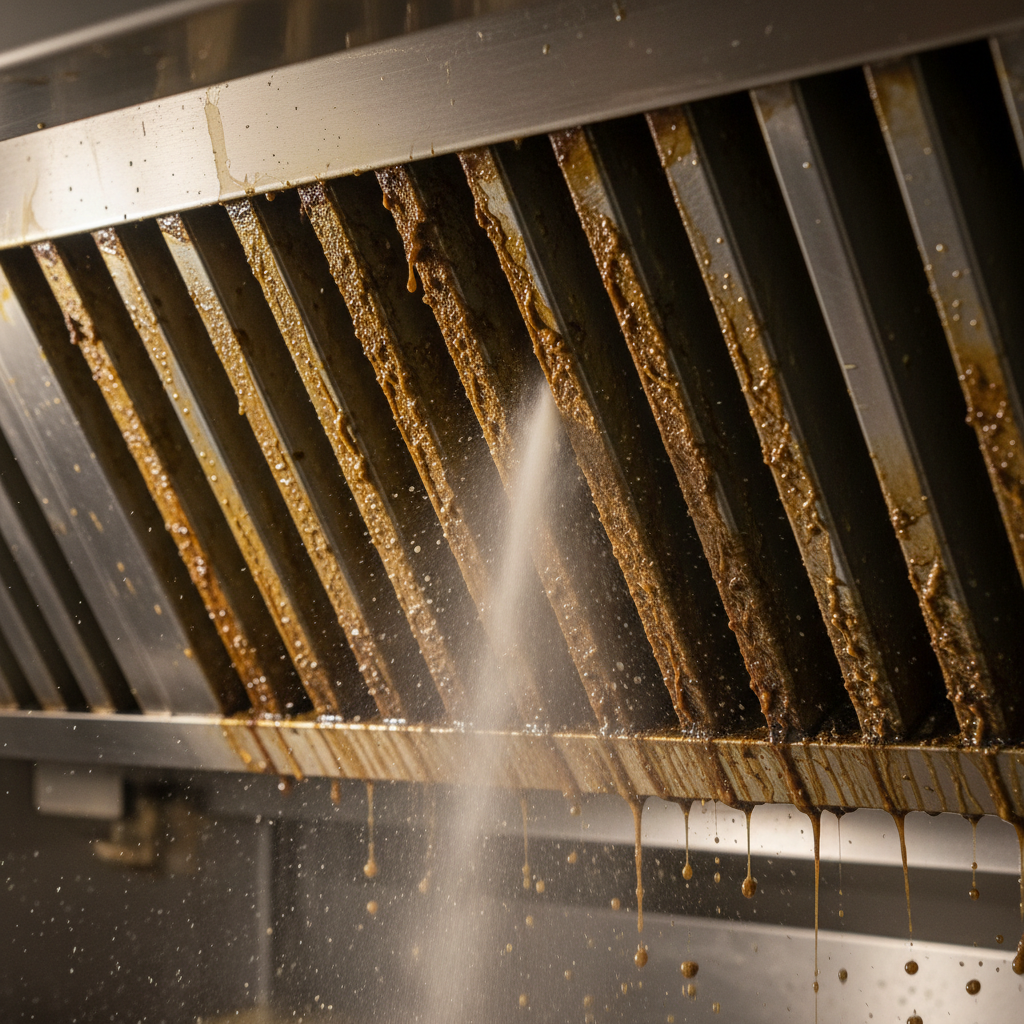
- Exhaust hoods: Visible film, drip lines, heavy residue near open flame or heat sources.
- Ductwork (horizontal and vertical): Thick deposits at access panels, sludge in low spots.
- Exhaust fans and housings: Grease‑weighted blades, vibration, or weak airflow indicating restricted draw.
- Rooftops: Pooling grease, stained membranes, and missing or saturated containment pads.
- Baffle filters: Saturated, missing, warped, or improperly seated with active drips.
- Grease traps: Overfilled, strong odors, solids carryover, or backups during service.
- Floors, walls, and equipment: Slick traffic lanes, sticky equipment sides, splatter behind appliances.
Across Ontario, public health and fire authorities expect routine maintenance aligned to NFPA 96 for ventilation systems. Certified cleaning and clear documentation give you the strongest footing at re‑inspection. For certified help, review our NFPA 96 certified hood cleaning.
Why Grease Violations Matter
- Immediate closures: Significant grease buildup can prompt partial or full shutdowns until corrected.
- Fire risk: Grease‑loaded ducts can ignite and spread fire rapidly through the building.
- Air quality: Poor capture/containment increases smoke and heat, leading to staff fatigue and safety incidents.
- Plumbing impacts: Overfilled traps back up lines and contaminate prep or dish areas.
- Insurance & liability: Noncompliance can complicate claims and increase legal exposure.
- Public reputation: Inspection results affect reviews, guest confidence, and partnerships.
The reality is simple: sustained compliance lowers fire risk, stabilizes operations, and protects your brand. Ontario operators who standardize maintenance and documentation across sites see far fewer surprises during unannounced visits.
How Inspections Work—and Where Kitchens Slip
Inspectors rely on visual checks, wipe tests, and equipment performance to evaluate risk. Common trip‑ups include inconsistent SOPs, missing access panels, and thin documentation.
- Hood and duct checks: Edges, seams, and interior surfaces are inspected for film thickness and residue trails.
- Fan performance: Belt wear and grease‑weighted blades reduce draw and capture, prompting smoke‑line observations.
- Rooftop containment: Discharge without containment stains membranes and can trigger environmental concerns.
- Grease trap capacity: High FOG levels, odors, and backups indicate insufficient service frequency.
- Floors and equipment: Persistent films and splatter suggest daily cleaning gaps and training issues.
Re‑inspection success hinges on speed, scope, and proof. Combine certified exhaust and trap cleaning with photos, service reports, and updated SOPs. Our teams coordinate multi‑service visits—see our commercial kitchen hood cleaning service overview.
Types of Grease Problems & Fixes
Map symptoms to root causes, then apply the right mix of certified services and staff routines.
1) Exhaust System Problems
- Symptoms: Sticky hoods, smoky line, weak draw, rooftop stains, fan noise/vibration.
- Root causes: Irregular kitchen exhaust cleaning, limited access panels, worn or misaligned fan belts.
- Fixes: Full hood, duct, and fan cleaning; filter cleaning and exchange; fan belt replacement; rooftop grease containment installation. For certified support, see restaurant exhaust cleaning (GTA).
2) Filter Failures
- Symptoms: Sizzling drips, grease tracks, filters hot to the touch, visible warping.
- Root causes: Overextended cleaning intervals, improper seating, using non‑compatible filters.
- Fixes: Rotate filter cleaning and exchange sets; verify seating; replace damaged baffles; train staff on daily inspection.
3) Rooftop Discharge
- Symptoms: Grease pooling around the fan, stained membranes, odors drifting to patios.
- Root causes: Missing or saturated containment, duct leaks, poor fan housekeeping.
- Fixes: Install/refresh containment pads; deep‑clean fan housings; reseal joints; schedule quarterly rooftop checks.
4) Grease Trap Overload
- Symptoms: Odors, slow drains, visible solids, backups during service.
- Root causes: Extended pump‑out intervals; staff disposing of FOG down sinks.
- Fixes: Book grease trap service for pump‑out, scrape, and rinse; flush lines as needed; retrain for proper FOG handling. Explore grease trap cleaning services.
5) Equipment and Floors
- Symptoms: Slick traffic lanes, sticky equipment sides and backs, splatter behind cooklines.
- Root causes: Gaps in equipment cleaning, insufficient degreasing dwell time, missed detail behind/under units.
- Fixes: Commercial appliance cleaning, hot water power washing, detail work behind/under equipment, and refreshed daily SOPs.
72‑Hour Recovery Plan (Step‑by‑Step)
When “restaurant failed health inspection grease” is on the notice, move fast and document everything.
| Time Window | Priority Actions | Proof for Re‑Inspection |
|---|---|---|
| 0–24 hours |
|
|
| 24–48 hours |
|
|
| 48–72 hours |
|
|
Best Practices & Checklists
Systematize the work so it survives menu changes and staff turnover.
Daily Line‑Check Habits
- Inspect hood edges and ledges at open and close; wipe any visible residue.
- Confirm filters are seated tightly; replace if dripping or misshapen.
- Scrape pans into FOG bins before washing; never pour FOG into sinks.
- Spot mop with degreaser in traffic lanes; post wet floor signs.
- Record quick notes in the logbook (date, time, initials, issues).
Weekly Routine
- Rotate filter cleaning and exchange sets to maintain airflow.
- Degrease backsplashes, undersides of hoods, equipment sides, and casters.
- Empty and clean floor drains and screens; check trap room cleanliness.
- Check fan belts for wear and alignment; listen for vibration.
- Skim and inspect the grease trap for early warning signs.
Monthly/Quarterly Tasks
- Book restaurant exhaust cleaning per NFPA 96 frequency aligned to menu/volume.
- Audit rooftop containment and weather‑exposed seals.
- Refresh staff training; re‑post SOPs in back‑of‑house zones.
- Review photos and trends from the logbook to adjust schedules.
Supervisor Inspection Checklist (Snapshot)
- Hood interior and edges clean; no active drips or residue.
- Duct access panels secure; no visible sludge at seams.
- Fan blades and housing clean; belts intact and tensioned.
- Rooftop free of grease stains; containment pad in place and not saturated.
- Grease trap within capacity; no odors or backups.
- Floors non‑slip; spill kits and signage available.
- Logs up to date; last certified service report on file.
Before re‑inspection, our certified team can review your logs, photos, and SOPs and suggest a fast‑path remediation plan—often during the same visit as your exhaust cleaning or grease trap service. Explore our commercial kitchen hood cleaning service for details.
Tools, Templates & Resources
- NFPA 96 framework: Baseline for access panels, frequency, and documentation discipline. Review our NFPA 96 certified hood cleaning approach.
- Degreasers: Alkaline products for heavy carbon/grease; always follow label directions and ensure proper dwell and rinse.
- Hot water/steam: Enhances degreaser action on hoods, backsplashes, and equipment exteriors.
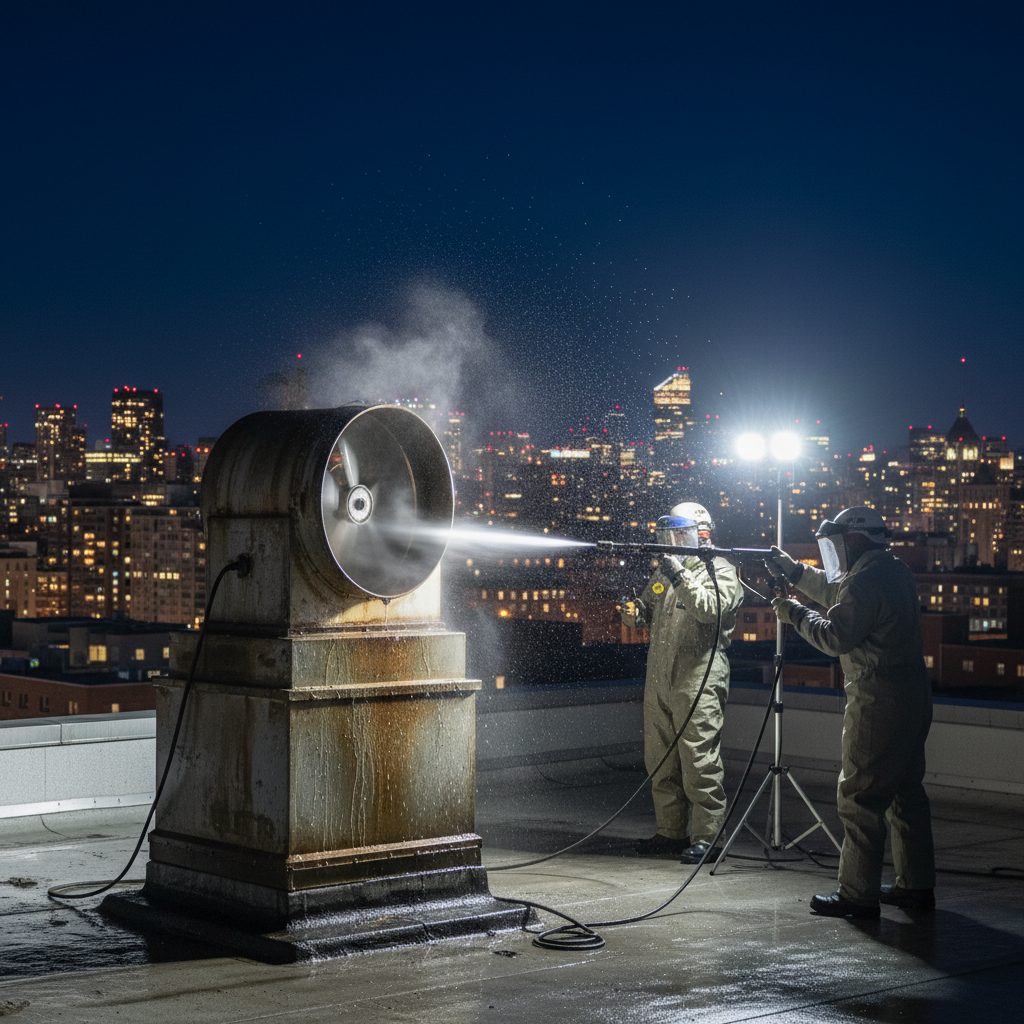
- Pressure washing: For rooftop fans, housings, and exterior surfaces—control overspray and safeguard electrical.
- PPE: Heat‑resistant gloves, goggles, non‑slip footwear, and respirators as needed.
- Maintenance logbooks: Dated entries for cleaning, inspections, and training; keep accessible for inspectors and insurers.
- Access safety: Harness points, stable ladders, and weather planning for rooftop work.
- Professional services: NFPA 96 certified teams for exhaust system cleaning and grease trap service.
Visual Examples
These images illustrate key elements of compliant remediation work in Ontario kitchens.
14 Ontario Case Examples
- Busy QSR off Highway 401 (GTA): Failed for hood residue and roof stains.
- Overnight kitchen hood cleaning, filter exchange, rooftop containment install.
- Documented airflow tests; passed re‑inspection in 48 hours.
- Institutional cafeteria in Hamilton: Trap overflow and slippery floors.
- Grease trap cleaning, hot‑water power washing, staff retraining on FOG handling.
- No repeat violations in the following two inspection cycles.
- Downtown Niagara bistro: Belt wear reduced exhaust draw.
- Fan belt replacement, duct deep clean, quarterly service cadence.
- Improved inspection score at next visit; smoke complaints disappeared.
- Multi‑unit operator in Peel Region: Inconsistent standards across sites.
- Standardized SOPs and synchronized exhaust system cleaning across locations.
- Shared logbook templates with supervisor sign‑offs; fewer corrective notices.
- University food court (Waterloo): Horizontal duct sludge flagged.
- Added access panels; instituted monthly inspections of problem runs.
- Grease thickness trend reversed within one quarter.
- Resort kitchen near Niagara‑on‑the‑Lake: Rooftop stains visible to guests.
- Installed proper containment; added quarterly rooftop detail cleans.
- Guest complaints stopped; rooftop membrane preserved.
- Hospital kitchen in London: Persistent odors from trap room.
- Accelerated grease trap service and staff FOG training.
- Backups eliminated; odor complaints dropped to zero.
- Brewpub in Kitchener: Fryer vapor produced sticky floors.
- Introduced daily degreaser with dwell time; targeted spot mopping.
- Slip incident reports decreased month over month.
- High‑volume burger concept (Durham): Filters saturated mid‑shift.
- Implemented two‑set filter cleaning and exchange rotation.
- Improved draw and eliminated mid‑service drips.
- Fine‑dining kitchen in Oakville: Incomplete logs hurt score.
- Launched logbook templates and supervisor sign‑offs.
- Clear audit trail for inspectors on subsequent visits.
- Mall food kiosk (Mississauga): Undersized trap led to carryover.
- Coordinated more frequent service and staff skimming protocol.
- Odor complaints ended; dish area stabilized.
- Camp kitchen in Muskoka: Seasonal surge overwhelmed routines.
- Pre‑season deep clean; mid‑season check; end‑of‑season reset.
- Duct measurements stayed within acceptable range.
- Catering commissary in Vaughan: Night shift skipped SOPs.
- Added visual checklists and QR sign‑ins.
- Compliance improved across shift changes.
- Hotel rooftop kitchen (Downtown Toronto): Wind spread discharge.
- Upgraded containment and added wind baffles; resealed joints.
- Roof surfaces stayed clean between quarterly services.
Local Tips
- Tip 1: If you operate near the QEW or Highway 401 corridors, schedule overnight services to avoid traffic delays and ensure cold equipment for safer access.
- Tip 2: Winter in Southern Ontario brings icy rooftops—plan daytime rooftop fan and duct cleaning or ensure safe access gear for overnight windows.
- Tip 3: During patio season, odors travel—tighten your grease trap service cadence and hood cleaning to protect guest experience.
IMPORTANT: These tips align with Robinhood Cleaners’ 24/7 availability and quick response across Southern Ontario.
Frequently Asked Questions
How fast can we schedule certified cleaning after a failure?
In most cases, within 24–72 hours. Our 24/7 team prioritizes re‑inspection deadlines, coordinating kitchen exhaust cleaning, grease trap cleaning, and equipment cleaning in one streamlined visit where possible.
Will your documentation cover what inspectors need?
Yes. We provide before/after photos, reports aligned to NFPA 96, and maintenance recommendations. Keep logs and reports accessible for inspectors and insurers.
Do we have to shut down operations during cleaning?
Not always. Many services are scheduled overnight or between dayparts. We coordinate around your operating hours to minimize disruption and ensure safe cooling times.
What if we manage multiple locations?
We build standardized SOPs and calendars across sites. Consistency reduces failures and simplifies training, especially with high turnover roles.
How often should we clean to prevent grease violations?
Frequency depends on volume and menu. Many high‑volume fry/grill kitchens book monthly or quarterly exhaust system cleaning plus routine grease trap service. We tailor schedules to your risk profile.
Key Takeaways
- Grease violations are preventable with disciplined exhaust and trap maintenance.
- Document everything—photos, logs, and NFPA 96‑aligned reports matter.
- Train staff on daily/weekly SOPs; small habits stop big problems.
- Certified, 24/7 support helps you recover fast and stay compliant.
Conclusion
- If a restaurant failed health inspection grease appears on your notice, act in hours, not days.
- Bundle exhaust, trap, equipment, and floor work for a cleaner, faster re‑inspection.
- Lock in a maintenance cadence aligned to your menu and volume, backed by NFPA 96 documentation.
Robinhood Cleaners serves commercial kitchens across Ontario with NFPA 96 certified, WSIB insured services—available 24/7 with quick response in Southern Ontario.
Related Topics
- Inspection‑Ready Grease Trap Programs: Roles, Logs, and Intervals
- Kitchen Exhaust Cleaning Frequency by Menu and Volume
- Training Line Cooks on Daily Degreasing SOPs