Grease trap maintenance best practices aren’t just a checklist—they’re your frontline defense against backups, odors, and surprise shutdowns. For restaurants and commercial kitchens across Southern Ontario, a smart program keeps sewers clear, inspectors happy, and service running. In this guide, we translate best practices into daily habits your team can actually follow and show where a certified partner like Robinhood Cleaners fits in.
Quick Summary
- Follow grease trap maintenance best practices to prevent clogs, overflows, and fines.
- Build a two-part program: daily staff routines + scheduled professional service.
- Document everything—pump-outs, inspections, and repairs—to prove compliance fast.
- Align trap care with hood, duct, and ventilation cleaning to cut overall FOG at the source.
Quick Answer
In All Over Ontario at All Over Ontario, the fastest way to apply grease trap maintenance best practices is to combine daily scraping and no‑FOG drain habits with recurring pump‑outs and full interior scraping by a certified team. Robinhood Cleaners services restaurants across Southern Ontario and pairs grease trap cleaning with hood, duct, and exhaust work to keep you compliant and running.
Grease Trap Maintenance Best Practices (The Essentials)
Start here to build a reliable, inspection-ready routine your whole team can follow.
- Set a service cadence: Time pump-outs before capacity is reached; use a logbook to track FOG depth and solids.
- Require dry-wipe and pre-scrape: Wipe pans/griddles before washing to slash fats entering your trap.
- Ban FOG down drains: Train staff to use labeled scrap and waste-oil bins every shift.
- Use strainers/screens: Capture food particles at sinks and floor drains to prevent line clogs.
- Inspect hardware: Check baffles, gaskets, and lids weekly; replace worn parts quickly.
- Verify flow control and venting: Prevent surges, gurgling, and odors.
- Document with proof: Keep manifests, photos, and service notes ready for inspectors.
- Coordinate with hood/duct cleaning: Less airborne grease means less FOG reaching your sinks.
- Stage the site for crews: Clear access, water, and safe hose paths to speed service.
- Plan for winter: De-ice outdoor lids; check heat-tracing and seals during freeze–thaw cycles.
Quick Comparison Table
Use this table to align responsibilities, frequency cues, and outcomes. Adapt specifics to your menu volume and interceptor size.
| Practice | Why it matters | Owner | Frequency cue | Notes |
|---|---|---|---|---|
| Scheduled pump-out + full scrape | Prevents clogs/overflows; resets capacity | Service partner | Log shows rising FOG or slow drains | Capture manifest; photo verification |
| Train staff: no FOG down drains | Reduces load on interceptor | Kitchen team | Every shift | Use labeled scrap bins and strainers |
| Pre-scrape & pre-skim | Limits FOG entering trap | Dish/prep | Every dish cycle | Mandatory during peak hours |
| Inspect baffles, gaskets, seals | Maintains separation efficiency | Lead/manager | Weekly walk-through | Replace worn parts promptly |
| Logbook & manifests | Proves compliance to inspectors | Manager | Each service + weekly checks | Keep 12–24 months on-site |
| Flow control & vent checks | Prevents surging/odors | Maintenance | Monthly | Clear obstructions; confirm venting |
| Winterize outdoor interceptors | Avoid freeze/ice-related blockages | Service + manager | Pre-winter & post-thaw | De-ice lids; check heat-trace |
Our Top Pick: The One Habit That Prevents Most Emergencies
- Routine pump-outs with full interior scraping stop float-cap breakaways and sudden overflows.
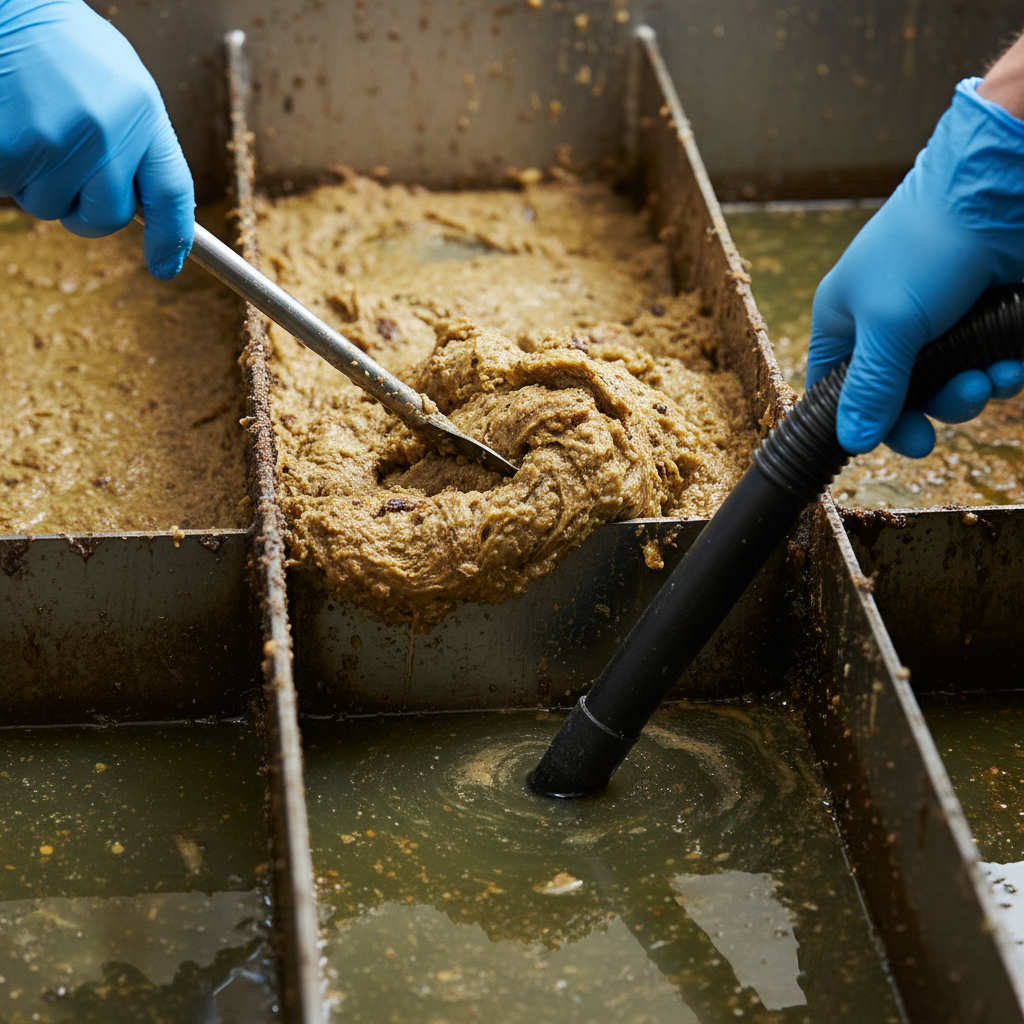
- What it includes: Open safely, measure FOG, evacuate liquids/solids, scrape walls/baffles/floor, rinse, reassemble, document with photos and manifest.
- Why it wins: It resets capacity, controls odors, and gives you documented proof for inspections.
- Pro tip for Ontario sites: Align service windows to off-peak traffic on the 401/QEW corridors and avoid lunch/dinner rushes downtown.
Best Practices #2–#13 (Field-Tested in Ontario Kitchens)
#2 Train Staff on “No FOG Down Drains”
- Post shift reminders near sinks: scrape plates, pour fryer oil into designated bins, never into sinks.
- Use sink strainers to catch solids before they reach the interceptor.
- Include a 2-minute FOG talk in onboarding; refresh monthly.
#3 Pre-Scrape, Pre-Skim, and Dry Wipe
- Dry-wipe pans and trays before washing; this small step slashes FOG load.
- Pre-skim soup and sauce kettles to remove surface fats before dumping to disposal bins.
- Set clear bins for organics and waste oil; label and stage within arm’s reach.
#4 Keep a Grease Trap Logbook and Manifests
- Maintain dates of pump-outs, photos before/after, and the hauler’s manifest number.
- Record quick inspections: lid condition, gasket status, baffle placement.
- Store logs where managers and inspectors can access fast.
#5 Inspect Baffles, Gaskets, and Seals
- Worn gaskets let FOG bypass compartments—reducing separation efficiency.
- Loose or missing baffles create turbulence that forces grease downstream.
- Replace compromised parts immediately; note the change in your log.
#6 Don’t Rely on Enzymes or Hot Water to “Melt” Grease
- High heat and additives can liquefy fats temporarily, which then re-solidify in lines.
- Mechanical removal (pump + scrape) remains the reliable method for compliance.
- Always confirm allowed treatments under your local sewer-use rules before dosing.
#7 Verify Flow Control and Proper Venting
- Flow restrictors protect the trap from sudden surges that push FOG downstream.
- Poor venting can cause gurgling, odors, and siphoning malfunction.
- Have maintenance confirm clear vents and correctly sized orifices.
#8 Pair Trap Care with Hood, Duct, and Fan Cleaning
- Less airborne grease settling on prep areas = less FOG rinsed into sinks.
- Coordinate hood and duct cleaning with trap service to reduce downtime.
- Ask for a combined service window to simplify scheduling and documentation.
To cut grease at the source, align with your exhaust program. Our take on grease in restaurant exhaust systems explains how airborne FOG migrates to surfaces and drains.
#9 Stage the Site for Service
- Clear access to the interceptor (indoor or outdoor) before the crew arrives.
- Ensure a nearby water source and power outlet for equipment if needed.
- Mark the safest hose path from service alley to trap; use cones if public-facing.
#10 Winterize Outdoor Interceptors
- De-ice lids and surrounds; consider heat-tracing where allowed.
- Inspect after freeze–thaw cycles for cracks and infiltration.
- Plan earlier service windows during cold snaps to reduce lid/fitting delays.
#11 Control Odors the Right Way
- Restore the water cap layer after service to block vapor.
- Check that P-traps and floor drains maintain water seals.
- Address the cause (accumulated FOG), not just the smell.
#12 Separate Solids Before They Reach the Trap
- Capture food solids with sink baskets and floor drain screens.
- Frequent emptying prevents decay and odor formation in lines.
- Solids reduction extends the time between major cleanings.
#13 Build an Overflow Response Plan
- Post a simple SOP: isolate area, stop flow, call service, document, sanitize.
- Train leads on emergency contacts and after-hours access protocols.
- Keep spill kits handy: absorbents, PPE, and wet/dry vac access.

Operational Signals to Watch (So You Don’t Get Caught Off-Guard)
- Slow drains: Often the first sign your interceptor is approaching capacity.
- Gurgling or sewer smells: Check venting, water seals, and FOG levels.
- Grease sheens in mop sinks/floor drains: Indicates bypass or turbulence.
- Recurring line clogs: Usually a solids capture or pre-scrape breakdown.
- Overflow events: Trigger an emergency service, deep sanitation, and incident log.
Documentation Checklist (Inspector-Friendly)
- Service dates, time windows, before/after photos, and hauler manifest numbers.
- FOG depth and solids notes; any observed damage, gasket wear, or baffle issues.
- Staff training sign-offs for “no FOG down drains” and dry-wipe routines.
- Incident reports for clogs/overflows with root-cause notes and corrective actions.
- Retention policy: keep logs on-site for at least one annual inspection cycle.
If you’ve struggled after a failed inspection, this concise Ontario recovery guide walks through practical next steps and corrective actions.
Team Roles & Training (Who Owns What)
- Dish/Prep: Dry wipe, pre-skim, use strainers, and keep solids bins clear.
- Line Cooks: Keep griddle scrapings out of sinks; stage waste-oil bins properly.
- Shift Lead: Logbook checks, lid/gasket glance weekly, confirm water seals.
- Manager: Book recurring service, store manifests/photos, handle inspector requests.
- Service Partner: Pump, scrape, rinse, reassemble, photo-verify, and advise on parts.
How to Choose a Grease Trap Service Partner in Ontario
- Certification and compliance: Favor NFPA 96–aware teams who understand full-kitchen fire and safety workflows.
- Insurance and safety: WSIB coverage and formal safety procedures protect your operation.
- Documentation: Expect photo verification, manifests, and a digital log you can access during inspections.
- Scheduling flexibility: 24/7 availability to work before open, after close, or between dayparts.
- Full-kitchen capability: Combine traps with hood, duct, exhaust fan, and filter exchange to minimize downtime.
- Local experience: Familiarity with Southern Ontario sites, alleys, and winter conditions speeds service.
Want fewer surprises between services? Pair trap care with a ventilation tune-up—our breakdown of grease buildup removal techniques shows how exhaust improvements reduce sink-bound FOG.
Buying Guide (Optional): Traps, Interceptors, and Add-ons
- Indoor traps vs. outdoor interceptors: Outdoor models handle higher volumes but need winterization and alley access.
- Flow control devices: Ensure sizing matches fixture loads; verify venting to prevent siphon effects.
- Solids strainers and screens: Low-effort add-ons that reduce line clogs and FOG carryover.
- Monitoring tools: Dipsticks and scheduled checks help you time service accurately.
- Additives: Use only as approved; never as a substitute for mechanical removal.
Scheduling and Pricing Considerations (No Numbers)
- Capacity and menu: Heavier fry/grill menus and bakery fats increase FOG load.
- Interceptor size and access: Larger or hard-to-reach units require more time and coordination.
- FOG condition: Severe buildup, solids, and hardened caps increase scope.
- Documentation requirements: Photo sets, manifests, and detailed logs add admin time (but help during audits).
- Hauling logistics: Travel, alley access, and after-hours windows influence scheduling.
- Bundled services: Pairing trap care with hood/duct/filter work can be more efficient overall.
7-Minute Daily FOG Routine (Printable)
- 00:00–01:30 — Dry-wipe pans, griddles, and sheet trays before they hit the sink.
- 01:30–03:00 — Pre-skim sauces and soups; send fats to the waste-oil or organics bin.
- 03:00–04:00 — Insert and check sink strainers; empty into solids bins.
- 04:00–05:00 — Quick floor drain screen check; remove visible debris.
- 05:00–06:00 — Visual on trap lid area: clear obstructions; confirm it’s accessible.
- 06:00–07:00 — Logbook tick mark + note any odors or slow drains for manager review.
Safety & Sanitation Notes
- PPE: Gloves, eye protection, and slip-resistant footwear for anyone opening or working near interceptors.
- Confined spaces: Treat large outdoor interceptors with caution; never enter vaults without proper training and permits.
- Sanitize after service: Clean floors and contact areas to remove residue and prevent cross-contamination.
Case Insight: A Busy QSR Near the QEW
- Challenge: Recurring slow drains and odors during weekend rushes.
- Findings: High fry volume, minimal pre-scrape, worn trap gaskets, poor venting.
- Fix: Implemented the 7-minute routine, replaced gaskets, verified flow control, and aligned trap service with hood and duct cleaning.
- Result: Faster drains, no weekend backups, smoother inspections thanks to photo-verified manifests.
For more context on managing airborne grease migration, see our short primer on grease buildup in kitchen exhaust and how it impacts downstream traps.
Methodology: Why These Practices Work
- Field data: Patterns observed across Ontario restaurants, QSRs, hotels, and institutional kitchens.
- Standards alignment: Practices that fit within recognized kitchen safety and ventilation norms across North America.
- Inspector feedback: Logbooks, manifests, and verifiable documentation reduce repeat visits and citations.
- Seasonal reality: Freeze–thaw, road access, and urban alleys affect real-world service success.
Local Tips
- Tip 1: If your site is near the 401, QEW, or Gardiner, schedule trap service outside rush hour so vacuum trucks can stage safely.
- Tip 2: For exterior interceptors, plan checks after deep-freeze weekends to make sure lids and fittings aren’t iced over.
- Tip 3: Downtown sites with tight alleys should pre-clear hose paths from service lanes to kitchens to speed up pump-outs.
IMPORTANT: These tips reflect Southern Ontario traffic and weather realities; align them with your team’s opening and closing routines.
FAQs
How often should a commercial kitchen service its grease trap?
Service intervals depend on menu, volume, and trap size. Track FOG levels in a logbook and schedule pump-outs before capacity is reached. Many kitchens pair monthly checks with recurring service to stay ahead of surges and inspections.
What’s the difference between pumping and full cleaning?
Pumping removes liquids and floating grease. Full cleaning adds interior scraping of walls, baffles, and floors to eliminate hardened layers. That scraping step restores capacity and controls odors more effectively.
Can enzymes or hot water replace mechanical cleaning?
No. They can liquefy grease temporarily, which often re-solidifies downstream. Mechanical removal with proper hauling is the reliable, inspector-friendly method.
How do I know the trap is working properly?
Watch for slow drains, odors, or gurgling—these suggest issues with FOG levels, flow control, or venting. A visual check of baffles and seals, plus documented service results with photos, confirms performance.
What should we prep before the service crew arrives?
Clear access to the trap, confirm water/power sources if needed, and plan a safe hose path from alleys or loading areas. Have a manager ready with the logbook to capture photos and the service manifest.
Key Takeaways
- Make grease trap maintenance best practices a daily habit, not a once-in-a-while event.
- Combine staff routines with certified pump-and-scrape service for reliable compliance.
- Document everything—logs, photos, manifests—to breeze through inspections.
- Sync trap care with hood, duct, and fan cleaning to cut overall FOG at the source.
Conclusion
- Grease control is a system: people, processes, and partners working together.
- With the right habits and a dependable Ontario service provider, you’ll minimize clogs, odors, and downtime.
- Ready to shore up your program? Book a grease trap inspection and align your hood, duct, and exhaust fan schedule in one visit.