Commercial kitchen cleaning mistakes to avoid include ignoring ducts and fans, delaying grease trap service, using the wrong degreasers on filters, skipping NFPA 96 documentation, and overlooking fan belts. In All Over Ontario, these missteps drive fires, odors, backups, and failed inspections. A certified provider cleans end-to-end, sets the right frequency, and leaves records ready for inspectors.
By Robinhood Cleaners • Last updated: 2026-07-12
Overview
Avoid surface-only hood cleaning, overdue grease trap service, improper chemicals on filters, neglected fan belts, missing NFPA 96 records, and generic schedules. These mistakes lead to fires, odors, downtime, and citations. Certified cleaning with photo logs and tailored cadences keeps exhaust, ducts, fans, filters, and traps in spec.
We work in live kitchens, often after midnight. If you’ve ever smelled burned grease when the grill flares or watched a line slow to a crawl from smoke and heat, you’ve seen what shortcuts cause. This guide explains the specific errors we fix most and the measurable cues your team can track.
Why These Mistakes Cost Kitchens More Than a Failed Inspection
Cleaning errors compound: grease-laden ducts raise ignition risk, full traps trigger backups and odors, wrong chemicals ruin filters and finishes, and missing records invite re-inspections. System-level cleaning with documentation protects uptime, staff comfort, and guest experience.
The real pain shows up during rush: tickets stack, smoke hangs, and a drain gurgles under the dish table. Fixing root causes is faster and cheaper than scrambling mid-service. For a broader risk plan tailored to Ontario operations, see our commercial kitchen fire guide.
| Mistake | Primary risk | What to do instead |
|---|---|---|
| Hood-only wipe-down | Duct/fan grease ignition | Clean hood, plenum, ducts, and fan to bare metal with photo proof |
| Skipping grease trap | Backups, odors, closures | Follow the 25% rule and set a 4–12 week pumping interval by volume |
| Wrong chemicals | Ruined filters/finishes | Match pH to metal; rinse with 140–160°F water; verify airflow |
| Ignoring fan belt | Poor capture, heat, smoke | Inspect wear/tension each service; replace 6–12 months or as needed |
| No NFPA 96 records | Failed checks, insurance friction | Keep dated certificates and photos for each hood/duct/fan |
Mistake 1 — Cleaning the Hood Face But Ignoring the Duct and Exhaust Fan
Grease hides in ducts and fan housings, not just the hood face. If the system isn’t cleaned to bare metal throughout, residue can ignite and airflow drops. Open the fan, use containment, and document end-to-end cleaning with photos at each access point.
Here’s what we see on real jobs: a mirror-bright hood, then a horizontal duct elbow with tacky black slush, and a rooftop fan bowl holding a finger-deep puddle. That trapped grease reheats and drips back into the airstream. Our crews install and use hinge kits, lift the fan safely, and clean the bowl, blades, and curb.
- Measure performance: After cleaning, do a quick tissue or smoke test—capture should visibly improve at the grill and fry bank.
- Contain runoff: Roof protection and filtered containment prevent staining and fines.
- Photo logs: Time-stamped before/after photos at the hood, plenum, duct openings, and fan prove bare-metal results.
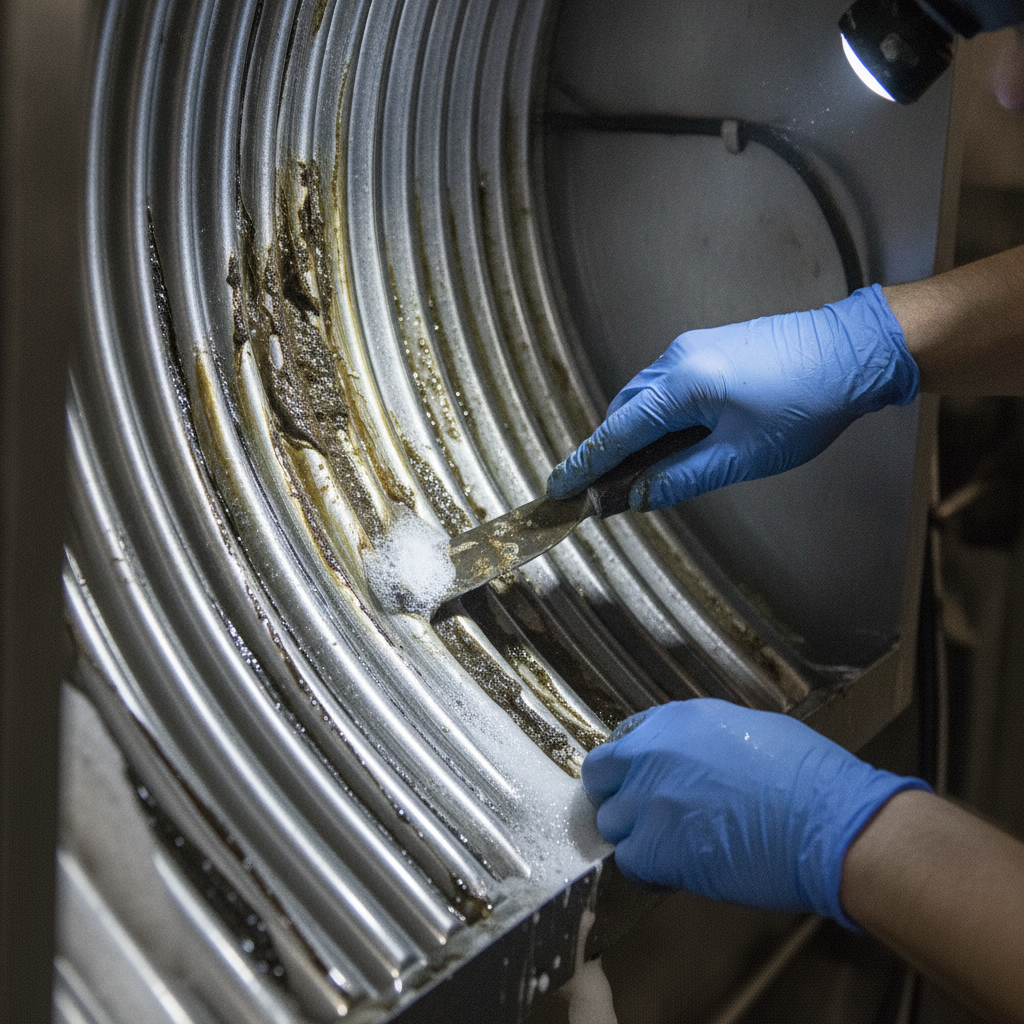
Seeing smoke hang over the grill? Our system-level hood, duct, and fan cleaning includes roof containment, hinge use, and photo documentation mapped to each access point.
Mistake 2 — Skipping Grease Trap Service Until There’s a Backup
When fats, oils, and grease exceed about 25% of a trap’s liquid depth, bypass increases and backups follow. High‑volume fry programs often need pumping every 4–6 weeks; moderate kitchens run 8–12 weeks. Logging levels at each service keeps you ahead of odors and slow drains.
We’ve opened traps during lunch prep to find lids crusted shut and a sour, heavy odor rolling through the dish area. Staff were skimming baskets more and more, a clear sign the interval had slipped. Adopt the 25% rule: if FOG + solids reach a quarter of the depth, schedule pumping.
- Right interval: Fry-heavy or grill-heavy menus: 4–6 weeks; mixed volume: 8–12 weeks; verify with log readings.
- Daily habits: Skim solids, avoid hot oil dumping, keep lids sealed, and train closing staff to note levels.
- Coordinate work: Pair trap pumping with hood service nights to cut closures and repeat set-ups.
For team training on compliance habits that prevent fines, share our grease management checklist.
Mistake 3 — Using the Wrong Degreasers on Filters and Appliances
Chemistry matters: we use alkaline degreasers around pH 11–12 for stainless baffle filters and keep solutions under pH 10 for aluminum to prevent pitting. Apply, dwell 5–8 minutes, then rinse with 140–160°F water. The wrong product or dwell time ruins filters and leaves smoke‑causing residue.
We’ve pulled aluminum filters from caustic baths that turned cloudy and soft at the corners—airflow tanked and grease carryover increased. On cooklines, harsh products can strip oven and griddle finishes. Match the product to the metal and soil, then fully rinse and dry before reinstalling.
- Protect metals: Stainless tolerates higher alkalinity; aluminum needs gentler solutions to avoid etching.
- Mind the dwell: 5–8 minutes is typical for heavy soil; extend only if you can rinse thoroughly with hot water.
- Verify capture: After filter exchange, check that airflow at the hood has improved; if not, the duct or fan may still be loaded.
For simple staff refreshers, this short explainer on avoiding common kitchen mistakes can spark a safety talk before service.
Mistake 4 — Neglecting Fan Belt Condition During Hood Cleanings
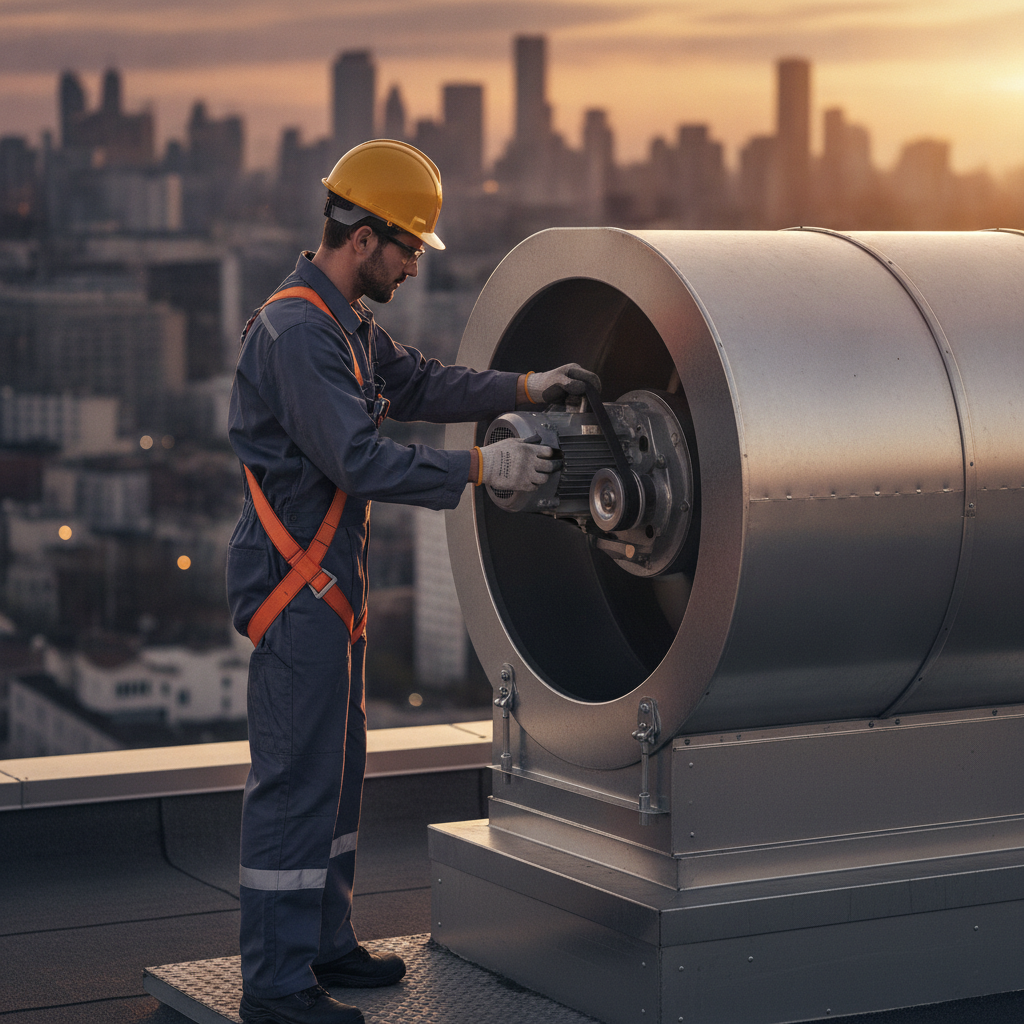
A loose or glazed belt drops exhaust capture and leaves heat and smoke at the line. Inspect belts each service for cracks and fray. As a rule of thumb, more than about 1/2 inch deflection on a 12‑inch span under firm thumb pressure signals re‑tension or replacement.
On winter rooftops we’ve found belts stiff, shiny, and squealing—airflow fell off and smoke rolled into the dining room. We carry common belt sizes and replace on the spot. Keep pulleys aligned within roughly 1/16 inch and recheck tension after the first week of run‑time on a new belt.
- Inspect every visit: Look for glazing, fray, cracks, or rubber dust near the guard.
- Replace proactively: Many kitchens benefit from a 6–12 month belt replacement cadence based on hours and heat.
- Prove improvement: After changes, confirm stronger capture with a quick tissue test at the hood.
Mistake 5 — Treating NFPA 96 Compliance as Optional
NFPA 96 outlines exhaust safety across design, access, cleaning frequency, and documentation. In practice, keep certificates and time‑stamped photos for every hood, duct, and fan section for at least the past 12 months. Many Ontario inspectors expect clean‑to‑bare‑metal results and visible hinge kits on rooftop fans.
Residential guides from retailers like Home Depot or Lowe’s are fine for home range hoods, but commercial systems are another world. Inspectors often ask for the last cleaning date, who performed it, access points used, and how grease runoff was contained. We supply mapped photo reports to make that conversation quick.
- Records ready: Post the latest certificate near the hood and keep digital photo logs accessible for review.
- Access and hinges: Ensure safe access at required intervals and hinge kits on fans to prevent roof damage.
- Frequency by risk: Solid‑fuel cooking is typically monthly; high‑volume fry/charbroil quarterly; moderate semiannual; low annual—then adjust by evidence.
Mistake 6 — Assuming One Cleaning Frequency Fits Every Kitchen
Menus, hours, and equipment dictate soil load. Solid‑fuel programs typically need monthly exhaust cleaning; high‑volume fry and charbroil commonly run quarterly; moderate sauté/griddle kitchens go semiannual; low‑volume cafés may be annual. Track smoke, odors, and trap logs to fine‑tune.
One franchise we support added late‑night wings; trap levels spiked and the hood loaded two weeks sooner. We moved them from semiannual to quarterly exhaust service and from 8–10 to 4–6 week trap intervals over summer.
| Operation type | Typical exhaust cadence | Grease trap interval |
|---|---|---|
| Solid‑fuel/charcoal | Monthly | 4–6 weeks |
| High‑volume fry/charbroil | Quarterly | 4–6 weeks |
| Moderate sauté/griddle | Semiannual | 8–12 weeks |
| Low‑volume café | Annual | 12+ weeks (verify logs) |
What a Professional Service Catches That In-House Cleaning Misses
Certified crews clean the entire airflow path, verify belts and bearings, exchange or deep‑clean filters, coordinate grease trap pumping, and deliver NFPA 96–aligned documentation. In‑house teams often stop at visible surfaces, leaving hidden risks and no paper trail.
Our after‑hours model bundles hood, duct, fan, filter exchange, and trap work into one window. You get time‑stamped photos tied to each access point, plus a signed report you can show to fire or health inspectors. For a refresher on Ontario‑specific compliance expectations, review our NFPA 96 checklist.
- System coverage: Hood, plenum, vertical/horizontal ducts, fan blades/bowl/curb, and roof containment.
- Filter Cleaning & Exchange: Clean spares installed immediately; soiled units deep‑cleaned offsite.
- Trap coordination: Pumping and line checks aligned to menu volume and the 25% rule.
- Proof on file: Certificates and mapped photo logs for each station.
Local Kitchens: Why Regional Compliance and Inspection Cycles Matter Here
Across All Over Ontario, local fire marshals and public health inspectors enforce NFPA 96 principles alongside Ontario regulations. Winter cold thickens grease in rooftop bowls and ducts, while summer fry volume spikes. Scheduling around these swings keeps airflow steady and documentation current.
We see seasonal patterns: in winter, condensed grease at rooftop cowls needs extra scraping and hot‑water rinses; in summer, traps hit 25% faster during patio season. Time service windows a week or two before expected checks so you have room for any punch‑list items.
Local considerations for All Over Ontario
- Book exhaust service 1–2 weeks before expected fire or health inspections so photo logs and certificates are fresh.
- Increase trap checks during summer patio peaks; many sites move from 8–10 to 4–6 week intervals.
- Confirm rooftop hinge kits and safe access—Ontario winters make frozen lids and brittle gaskets common.
Local tip: Plan for winter grease thickening
Cold rooftops in Ontario thicken grease fast. Ask for hot‑water (140–160°F) rinses on fan bowls and ducts during winter visits and verify roof containment to avoid staining.
Frequently Asked Questions
How often should a commercial kitchen exhaust be cleaned?
Solid‑fuel programs are typically monthly. High‑volume fry or charbroil is often quarterly. Moderate sauté/griddle kitchens run semiannual, and low‑volume cafés may be annual. Track smoke, odors, and filter condition to adjust your schedule.
What is the 25% rule for grease traps?
When the combined fats, oils, grease, and solids reach about 25% of the trap’s liquid depth, schedule pumping. This keeps FOG from bypassing baffles and reduces backups and odors. High‑volume fry operations usually need 4–6 week intervals; moderate kitchens 8–12 weeks.
Which degreasers are safe for filters?
Use alkaline products around pH 11–12 on stainless baffle filters. Keep solutions under pH 10 on aluminum to prevent pitting. Apply, allow 5–8 minutes dwell, then rinse thoroughly with 140–160°F water and dry before reinstalling.
What documentation should I keep on-site?
Keep the latest cleaning certificate posted near the hood and digital photo logs for each hood, duct, and fan section from the past 12 months. Inspectors often ask for dates, access points used, and evidence of containment and hinge use.
Key Takeaways
- End‑to‑end, bare‑metal cleaning beats shiny hoods that hide duct and fan grease.
- Use the 25% rule and set 4–12 week grease trap intervals by real log readings.
- Match chemistry to metal: pH 11–12 on stainless, under pH 10 on aluminum; rinse hot.
- Check belts every visit; re‑tension or replace when deflection and wear show.
- Keep NFPA 96‑style photo logs and certificates ready for Ontario inspections.