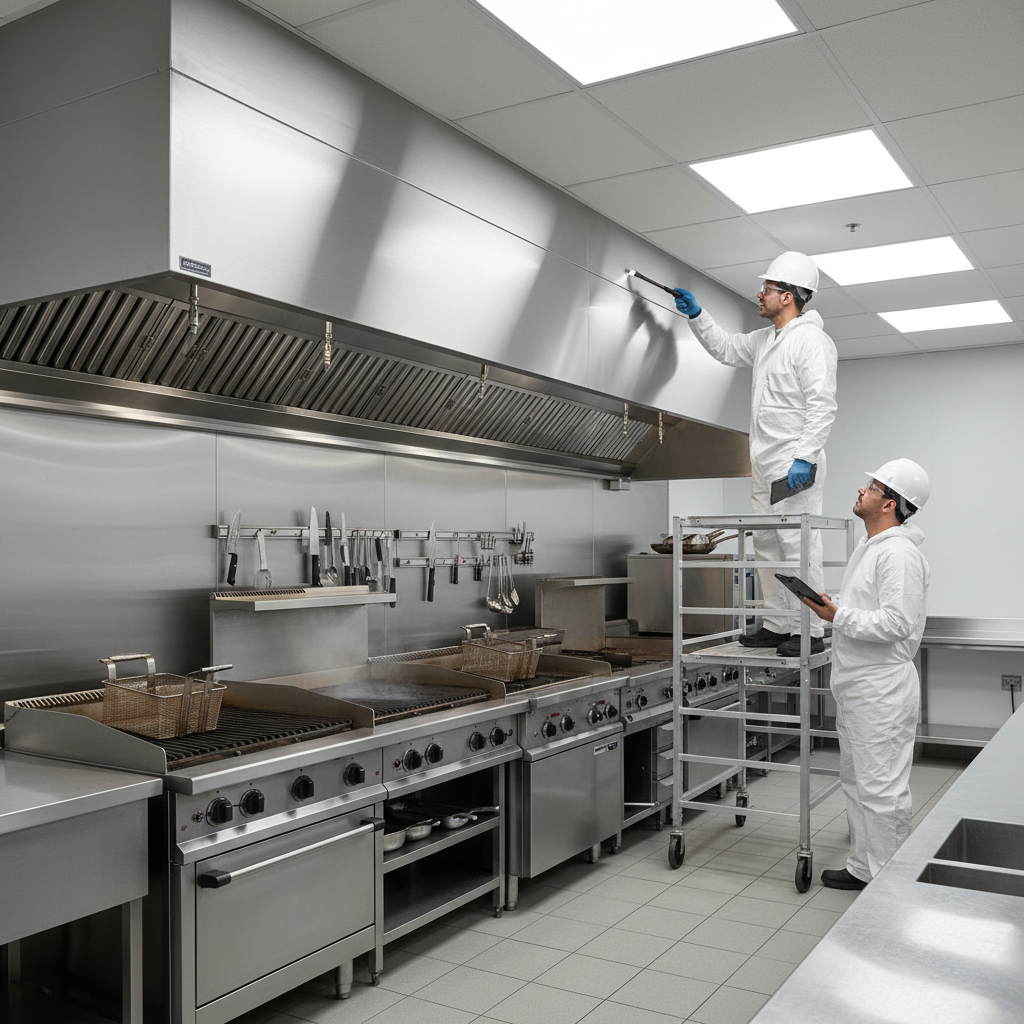
NFPA for kitchen hoods refers to the NFPA 96 standard that governs commercial cooking ventilation systems. It defines how hoods, ducts, fans, and filters must be installed, cleaned, and documented to reduce fire risk. In All Over Ontario, Robinhood Cleaners helps restaurants meet NFPA 96 through scheduled cleanings, inspections, and clear compliance records.
By Robinhood Cleaners | Last updated: 2026-05-07
At a Glance: NFPA Hood Rules and Table of Contents
NFPA 96 sets the fire-safety baseline for commercial kitchen ventilation. It specifies hood, duct, and fan construction, mandates routine grease removal, and requires accessible components and documentation. Use it to decide cleaning frequency, install hinge kits, label access panels, and maintain service records that pass inspections and protect staff.
Heres what youll find in this complete guidedesigned for Ontario restaurants, food courts, institutional kitchens, and catering operations:
- What NFPA 96 is and how it applies to kitchen hoods
- Why compliance matters for fire prevention and insurance
- How the standard works across hoods, ducts, fans, and filters
- Cleaning methods, intervals, and documentation that hold up
- Best practices our Ontario teams use to pass inspections
- Tools, checklists, and examples you can use today
Jump to a section:
- What Is NFPA for Kitchen Hoods?
- Why NFPA 96 Matters
- How NFPA 96 Works in Practice
- Types, Methods, and Approaches
- Best Practices for Ontario Kitchens
- Tools and Resources
- Case Studies and Examples
- Frequently Asked Questions
- Conclusion and Next Steps
What Is NFPA for Kitchen Hoods?
NFPA for kitchen hoods means NFPA 96, the consensus standard for commercial cooking ventilation. It defines installation, cleaning frequency, access requirements, rooftop fan safety, and documentation. The goal is simple: remove grease before it becomes fuel, keep systems serviceable, and leave clear records that verify compliance.
NFPA 96 is the accepted playbook for safe, serviceable kitchen exhaust systems. It covers the full pathway of grease-laden vaporsfrom hood capture to duct transport to exhaust fansand the devices that control and remove grease (filters, drain systems, and cleanouts).
- Scope: Applies to any commercial cooking that produces grease-laden vapors.
- Core goal: Prevent ignition and spread of fire by removing grease and safeguarding equipment.
- Key expectations: Accessible components, labeled access doors, hinge-equipped rooftop fans, and routine grease removal.
- Documentation: Service tags and reports that prove when, where, and how systems were cleaned and inspected.
For restaurants in All Over Ontario, these fundamentals translate into practical routines: set the right cleaning cadence, verify access to every duct run, and keep every service report at the ready for inspectors and insurers.
Why NFPA 96 Matters
NFPA 96 matters because kitchen exhaust systems concentrate greasea combustible fuel. Routine cleaning and proper access stop fires from spreading, reduce downtime, and satisfy insurers and inspectors. The standard turns should do into must do so owners can manage risk with predictable routines.
Heres the thing: cooking drives revenue, but it also generates grease. That residue migrates into hoods, filters, ducts, and fans. Left alone, it becomes a ready fuel source that can flash and travel through ductwork.
- Fire risk: Grease accumulates fastest at filters and horizontal duct sections; these need vigilant attention.
- Operational continuity: A preventable exhaust fire can halt service for days while you navigate cleanup and inspections.
- Insurance posture: Clean, time-stamped records help demonstrate due diligence and reduce disputes.
- Staff safety: Clear access, safe fan handling, and visible tags keep teams confident and protect new hires.
In our experience across Ontario kitchens, the difference between a near-miss and a smooth pass at inspection often comes down to two habits: cleaning on the right interval and keeping tight documentation.
How NFPA 96 Works in Practice
NFPA 96 operationalizes safety through four pillars: capture (hood), conveyance (ducts), discharge (fans), and control (filters and access). Clean grease on schedule, make every component serviceable, tag and document work, and verify performance with routine inspections.
Think of your exhaust as a chain thats only as strong as its weakest link. The standard ensures each link is accessible, serviceable, and maintained.
Core components and rules
- Hoods: Must fully capture the appliance plume. Canopy overhangs, proper setback, and makeup air balance are essential.
- Ducts: Grease-tight, with labeled access doors at directional changes and intervals so crews can clean end-to-end.
- Fans: Upblast fans on rooftops require hinge kits for safe opening, protection of roof surfaces, and thorough cleaning.
- Filters: Listed baffle filters installed at the correct angle; no mesh filters for grease-laden vapor applications.
- Clearances and protection: Maintain required separation from combustibles or provide approved protection where needed.
- Documentation: Service tags at the hood and a detailed report retained on-site or digitally available.
Recommended cleaning frequency by cooking volume
| Cooking volume/type | Typical cleaning interval | Focus areas |
|---|---|---|
| Solid fuel (wood/charcoal) | Monthly | Full system, spark arrestor, ash and ember control |
| High-volume (QSR, fried foods) | Quarterly | Filters, horizontal ducts, rooftop fan bowl |
| Moderate-volume (sit-down) | Semiannually | Canopies, vertical ducts, fan blades |
| Low-volume (occasional cooking) | Annually | System check, light degreasing |
Intervals are adjusted by inspection findings. When swab tests show heavy residue, we tighten the schedule; when systems stay clean, we can safely maintain the cadence.
Our 10-step NFPA-aligned service workflow
- Pre-inspect appliances, canopy, and duct access points.
- Protect equipment and floors with fire-resistant sheeting.
- Remove and stage baffle filters for deep cleaning.
- Install containment for wash runoff and rooftop discharge.
- Degrease hood plenum, rails, and seams to bare metal.
- Open access doors, detail-clean ducts, photo-verify results.
- Hinge, secure, and clean the upblast fan, bowl, and blades.
- Hot-wash and neutralize filters; replace damaged units.
- Restore, polish, test start-up, and confirm airflow.
- Tag the hood and issue a time-stamped service report.
This repeatable process keeps compliance predictable and creates a defensible record that stands up to landlord, insurer, and AHJ reviews.
Types, Methods, and Approaches
Professional kitchen hood cleaning combines mechanical scraping, hot-water chemical washing, steam where warranted, and targeted detailing via labeled access doors. Baffle filters are cleaned or exchanged, and rooftop fans are serviced with hinge kits to prevent damage and enable complete cleaning.
Filters and grease control
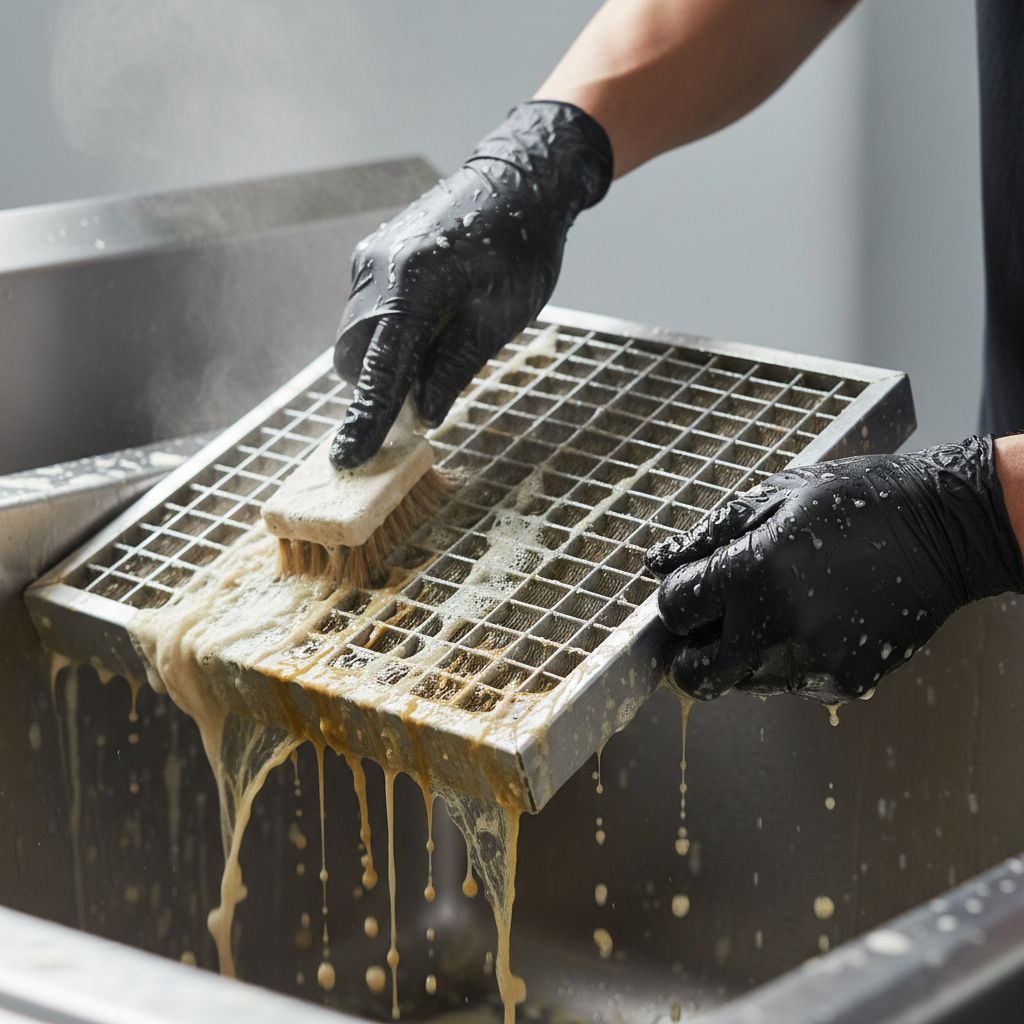
Baffle filters do two jobs: catch grease and slow flame spread. They must fit snugly, sit at the right angle, and be free of dents or gaps that channel bypass.
- Exchange programs: We rotate clean, listed baffle filters while your set is deep-cleaned and dried.
- Cleaning method: Hot-water wash with compatible degreasers; full neutralization before reinstallation.
- Inspection cue: A shiny face isnt enough; inspect the baffles and frame seams for sludge.
Hoods and duct access
- Access door labels: Each panel should be labeled and oriented for tool access; unlabeled doors slow or prevent full cleaning.
- Horizontal duct runs: High-risk grease zones; schedule camera checks if buildup returns quickly.
- Seams and rivets: These collect residue; detail work here prevents streaking and odors.
Fans and rooftop work
- Hinge kits: Allow safe opening, protect wiring, and prevent roof damage.
- Containment: Catch wash water and residue to protect roof membranes and drains.
- Belts and bearings: Check tension and wear; replace fan belts during service to prevent surprise outages.
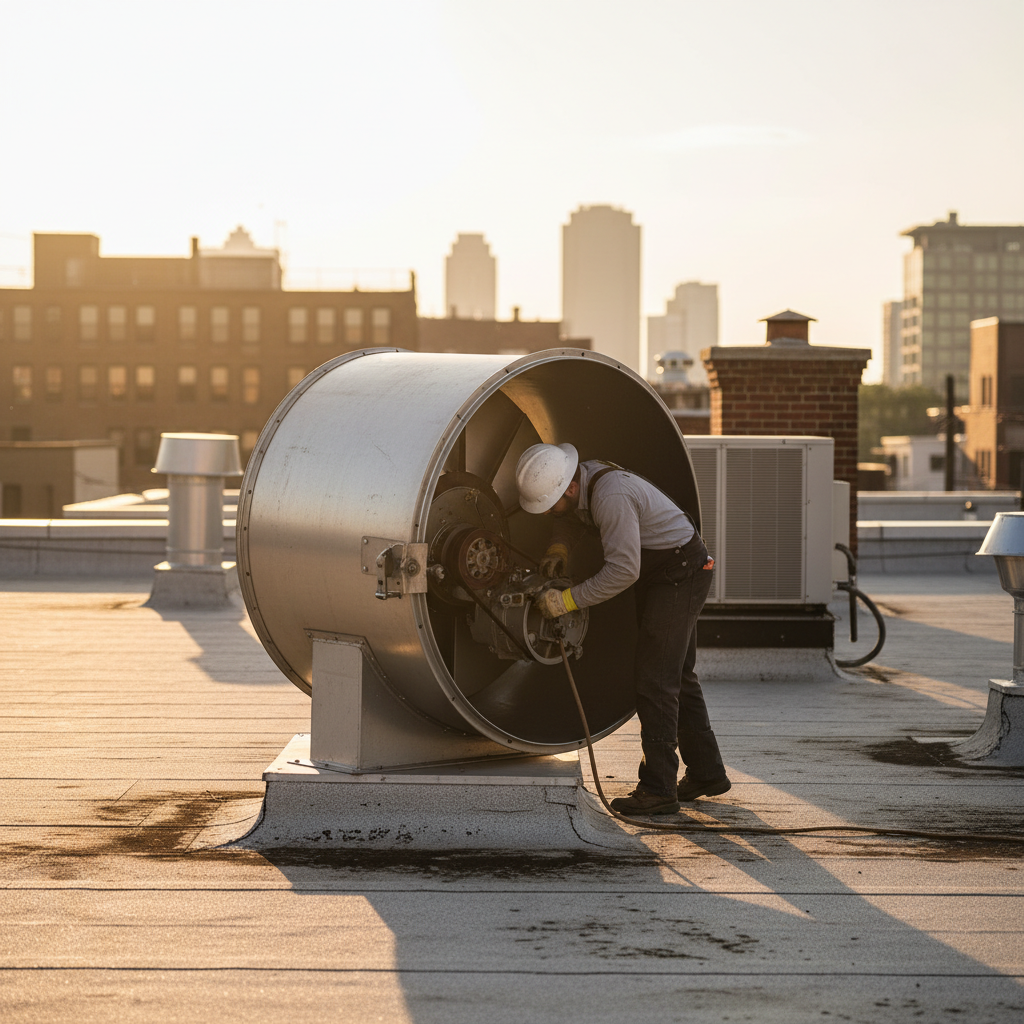
For Ontario restaurants operating late hours, we coordinate rooftop access windows and ensure neighbors arent impacted by nighttime cleaning noise or odors.
Best Practices for Ontario Kitchens
Build a compliance rhythm: set the right interval, verify access from hood to fan, tag every service, and retain photographic proof. When inspections surface heavy residue, tighten cadence. When systems stay clean, maintain the schedule and document every visit clearly.
Scheduling that matches your menu
- Solid-fuel appliances: Monthly system cleaning and weekly spot checks near appliances.
- Quick-service fried menus: Quarterly, with monthly filter exchanges.
- Mixed or moderate volume: Semiannual for most, with seasonal check-ins.
- Low-volume or intermittent: Annual deep clean and midyear inspection.
Documentation that holds up
- Service tags: Hood stickers showing date, technician, and next due window.
- Photo log: Before/after images of hoods, ducts (via access), and rooftops.
- Deficiency notes: Missing access doors, bent baffles, or frayed belts with simple remedies.
- Digital vault: Keep PDFs and images available for inspectors and insurers.
Local considerations for All Over Ontario
- Plan winter cleanings earlier in the evening to avoid rooftop icing during fan servicing and hinge inspections.
- Align quarterly work around holiday rush periods so grease loads dont peak during your busiest weeks.
- For late-night venues, coordinate after-hours access and noise-sensitive rooftop work with neighbors in dense areas.
For a deeper dive into inspection rhythms, see our guidance on hood cleaning frequency and detailed exhaust inspection requirements. If youre building a program from scratch, review our exhaust cleaning services overview.
Need a compliance tune-up? Our NFPA 96aligned teams are WSIB insured and available 24/7 across Southern Ontario. We can audit access doors, set intervals, and document everything for your next inspection.
Tools and Resources
Standardize compliance with a simple toolkit: a service calendar, labeled access doors, hinge kits for rooftop fans, a filter exchange plan, and a digital report vault. Add a one-page checklist for opening managers to spot issues early.
- Interval calendar: A rolling 12-month view with cleaning windows and filter exchange weeks.
- Access inventory: List and label each duct access door; note any missing panels for correction.
- Rooftop kit: Hinge hardware, containment, and safe transport gear for fans and belts.
- Filter program: On-site exchange or pickup/return rotation to keep spares ready.
- Photo and report vault: Keep PDFs and images accessible to GMs, landlords, and insurers.
- Opening checklist: Quick visual checks for baffle seating, canopy streaks, and unusual noise or vibration.
For scheduling examples and program templates, explore our NFPA 96 certified hood cleaning page and broader Ontario fire safety standards guide. These resources show how we tailor cadence and documentation by menu and volume.
Case Studies and Examples
Real kitchens demonstrate how NFPA 96 becomes routine: match intervals to grease load, remove residue to bare metal, and document with photos and tags. From quick-service fryers to charcoal grills to institutional kitchens, the formula scales and keeps teams inspection-ready.
Quick-service chicken concept
- Challenge: Heavy fryer output overwhelmed filters; duct streaking returned quickly.
- Actions: Quarterly full-system clean; monthly filter exchanges; horizontal duct access added.
- Result: Stable plenum and duct conditions and smoother insurer renewals.
Wood-fired pizzeria
- Challenge: Solid-fuel ash and ember control; rooftop discharge contamination risk.
- Actions: Monthly cleanings; spark control checks; upgraded rooftop containment.
- Result: Cleaner fan bowls and fewer odor complaints in adjacent units.
Institutional kitchen (multi-station)
- Challenge: Varied menus created uneven grease loads by station.
- Actions: Staggered intervals by line; service tags per hood; centralized photo vault.
- Result: Predictable inspections and simplified reporting to facilities teams.
When launching a new venue in Ontario, we often start with conservative quarterly intervals and then calibrate. If baffles and ducts stay clean between visits, we prove it with photos and keep the schedule steady.
Frequently Asked Questions
NFPA 96 Q&A covers cleaning frequency, access doors, fan hinge kits, and documentation. Most kitchens clean quarterly to semiannually, but solid-fuel setups need monthly service. Keep service tags and reports on hand to streamline inspections and insurance reviews.
What does NFPA 96 require for rooftop exhaust fans?
Use hinge kits so fans can open safely for cleaning, protect roof surfaces, and prevent damage to wiring. Add rooftop containment to capture wash water and residue. Inspect belts and bearings during each service and replace worn belts proactively.
How often should we clean our kitchen hood and ducts?
Match cadence to grease load. Solid-fuel systems typically need monthly service. High-volume fryer lines are often quarterly. Moderate use is commonly semiannual, and low-volume kitchens may be annual. Adjust based on inspection findings and residue tests.
Are mesh filters acceptable for grease-producing cooking?
No. Use listed baffle filters designed for grease-laden vapors. They reduce flame spread, drain grease effectively, and withstand repeated hot-water cleaning. Ensure a snug fit and correct angle so air doesnt bypass through gaps.
What documentation should we keep for inspections?
Keep hood service tags, time-stamped reports, and before/after photos. Retain deficiency notes (missing access, damaged baffles, worn belts) and proof of correction. Store files digitally so managers, landlords, and insurers can access them fast.
Conclusion and Next Steps
Treat NFPA 96 as a rhythm: set the right interval, ensure access from hood to fan, and document every service. With that cadence, your team stays inspection-ready, systems run cleaner, and fire risk stays low.
- Key takeaways: Clean on a proven cadence, keep access doors labeled, service rooftop fans with hinges, and maintain photo-documented records.
- Next steps: Review your tags and last reports, verify access doors, and align cleaning intervals to your menu and volume.
Want examples tailored to your kitchen? See our compliance requirements guide and our exhaust cleaning program. For interval planning ideas, review this kitchen hood cleaning guide.
Ready to simplify NFPA 96 compliance in All Over Ontario? Book a discovery callour WSIB-insured, NFPA 96aligned teams are available 24/7 across Southern Ontario.
Where to learn more (no sales fluff)
Build context with practical, Ontario-focused resources: scheduling examples, certification steps, and clear checklists. This helps managers and chefs align daily operations with compliant maintenancewithout slowing service.
For a deeper scheduling perspective, explore a compliance cleaning schedule. If youre formalizing credentials, review hood cleaning certification steps. And for a safety-first mindset, scan this concise Ontario service overview.