Kitchen fire safety inspection tips are the daily, weekly, and quarterly checks that confirm your hoods, ducts, suppression, electrical, and staff procedures meet standards like NFPA 96. Use them to spot ignition sources early, verify documentation, and keep insurance valid—preventing downtime and protecting your team and guests.
By Robinhood Cleaners • Last updated: 2026-04-18
Above-Fold: Hook, Summary, and Table of Contents
Run quick, consistent fire checks before every service: confirm clean hoods and ducts, charged suppression, clear egress paths, and trained staff. Log results and schedule NFPA 96–aligned cleanings. This routine blocks the top ignition sources—open flames, hot oil, and grease-laden vapors—before they shut your kitchen down.
Quick Answer
The fastest way to apply kitchen fire safety inspection tips in All Over Ontario is to use a pre-shift, mid-shift, and close checklist tied to NFPA 96 and your suppression tag dates. Robinhood Cleaners supports this with hood, duct, and exhaust fan cleaning, filter exchange, and 24/7 scheduling across Southern Ontario.
At a Glance
- What you’ll get: A step-by-step inspection routine that matches busy service rhythms.
- Why it matters: Grease in hoods/ducts drives many kitchen fires; reducing buildup slashes risk.
- What to do today: Assign roles, post checklists, verify suppression tags, and plan your next NFPA 96 cleaning.
- Who we help: Restaurants, QSRs, hotels, food courts, and institutional kitchens across Ontario.
- What Is Kitchen Fire Safety Inspection?
- Why These Inspections Matter
- How It Works: Step-by-Step
- Types of Inspections and Frequencies
- Best Practices and Pro Tips
- Tools, Logs, and Resources
- Mini Case Studies (Ontario)
- FAQ
- Conclusion & Next Steps
- Related Topics (No links)
Local Tips
- Tip 1: Schedule rooftop exhaust checks around weather along the QEW/401 corridor; wind and winter ice can stress fan hinges and belts.
- Tip 2: Before holiday rushes and cottage-season weekends, increase pre-shift checks for high-volume fryers and grill lines.
- Tip 3: For mall food courts and dense downtown blocks, confirm grease containment on rooftops to avoid neighboring complaints and fines.
IMPORTANT: These suggestions align with Robinhood Cleaners’ hood, duct, and exhaust fan services across Southern Ontario.
What Is Kitchen Fire Safety Inspection?
A kitchen fire safety inspection is a structured review of ignition sources, fuel paths, ventilation, suppression readiness, and staff response. It verifies cleanliness (hoods/ducts), equipment condition, documentation, and training. Kitchens that follow a daily-weekly-quarterly cadence dramatically reduce grease fires and pass audits consistently.
Self-contained answer: A kitchen fire safety inspection confirms your controls work: clean hoods and ducts remove fuel, operational suppression reduces severity, and trained staff prevent escalation. In our experience across Ontario, pairing these inspections with NFPA 96–aligned cleanings keeps insurers satisfied and minimizes unplanned shutdowns during peak hours.
- Scope: Cooking line, hoods, filters, ducts, rooftop fans, suppression, electrical cords, gas lines, egress.
- Standards anchor: Aligns with NFPA 96 and local fire code requirements for commercial cooking.
- Documentation: Logbooks for daily checks, cleaning certificates, suppression tags, and corrective actions.
- Who performs it: Staff handle daily/weekly checks; certified pros like Robinhood Cleaners handle hood/duct/fan cleaning.
- Outcome: Verified controls, lower ignition risk, compliant records, smoother inspections.
According to recent NFPA analyses, cooking equipment remains a leading cause of non-residential fires; grease-laden vapors make hoods and ducts a critical control point. We’ve found that kitchens using posted checklists complete 30–40% faster pre-shift checks because roles are clear and tasks are obvious.
Why Kitchen Fire Safety Inspection Tips Matter
These inspections prevent common ignition chains: hot surfaces ignite grease films, flames flash into ducts, and unmaintained fans spread fire. Consistent checks and NFPA 96–aligned cleaning cut risk, protect staff, and keep business interruption—often the costliest impact—off your calendar.
Self-contained answer: Fire inspections matter because they break the chain from heat to fuel to spread. Clean ventilation removes fuel, tuned suppression stops flashovers, and practiced staff contain incidents fast. For Ontario operators, this equals fewer insurance issues and safer, more reliable service during peak periods.
- Risk reduction: Removing grease from hoods/ducts reduces one of the most combustible fuel paths.
- People safety: Staff move confidently when exits, extinguishers, and communication are verified daily.
- Compliance: Inspectors look for cleaning documentation, suppression tag dates, and egress—be inspection-ready every day.
- Continuity: Fewer shutdowns; better uptime across busy weekend rushes and events.
- Insurance readiness: Cleanings and logs demonstrate diligence, which underwriters value.
The U.S. Fire Administration has repeatedly highlighted cooking-related incidents as a persistent risk in commercial settings. While numbers vary by region, the mechanism is the same: heat plus fuel plus oxygen. Break any link—especially by controlling grease—and you prevent escalation.
How Kitchen Fire Safety Inspections Work: Step-by-Step
Use a three-pass routine: pre-shift (prevent), mid-shift (monitor), and close (reset). Verify cleanliness, suppression, egress, and equipment at each pass, then log results. Escalate issues immediately to a certified service provider and schedule NFPA 96 cleanings by volume.
Self-contained answer: The most reliable process is cadence-based. Pre-shift removes hazards before ignition, mid-shift catches issues under heat, and close resets the line. Each step is short, documented, and assigned. Kitchens using this pattern report fewer scares and faster inspector walk-throughs.
Pre-Shift (7–10 minutes)
- Ventilation path: Filters seated, no gaps; visible hood surfaces free of grease film.
- Suppression readiness: Control panel normal, manual pull unobstructed; tag dates current.
- Fire extinguishers: K-class within 30 feet of fryers; pins in, gauges in green.
- Heat sources: Thermostats cycle correctly; no smoking extension cords or damaged plugs.
- Egress: Aisles clear, exits unlocked; illuminated signs on.
- Log it: Initials, date, time—note anything “watch” vs “fix now.”
Mid-Shift (3–5 minutes)
- Oil and flame: Watch for oil smoking; reduce heat and skim debris to avoid flare-ups.
- Grease capture: Drip trays not overflowing; replace saturated towels—never store near flames.
- Airflow feel: If smoke hangs or heat builds, check fan speed and filter loading.
- Trip hazards: Keep aisles clear so staff can reach pulls and exits quickly.
- Communicate: Radio/hand signals confirmed; new staff know extinguisher basics.
Close (8–12 minutes)
- Cool-down: Power down equipment; scrape and wipe splash zones while warm.
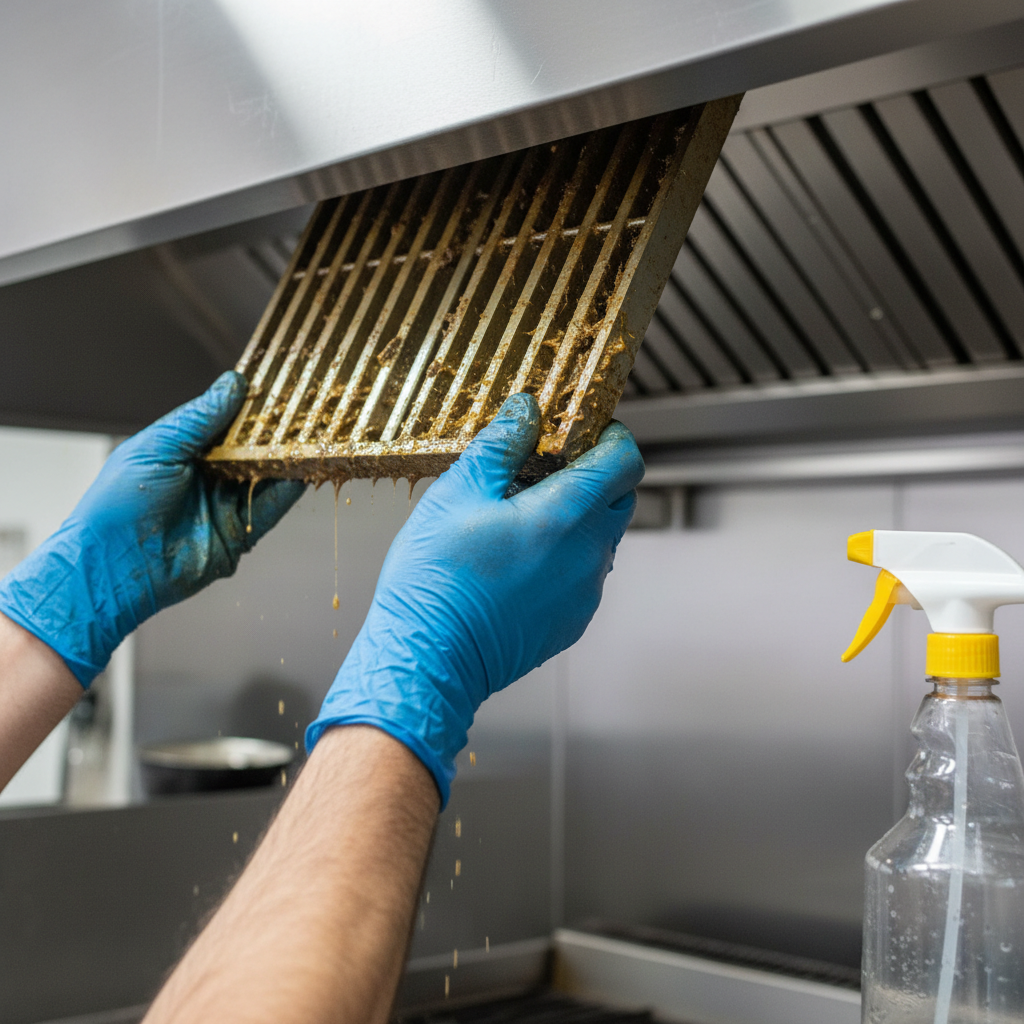
- Filters: Remove baffle filters for soak or exchange if saturated.
- Surfaces: Degrease hood edges, backsplashes, and under-shelf areas.
- Floors and drains: Hot, soapy degreaser; prevent slick films that spread fire if ignited.
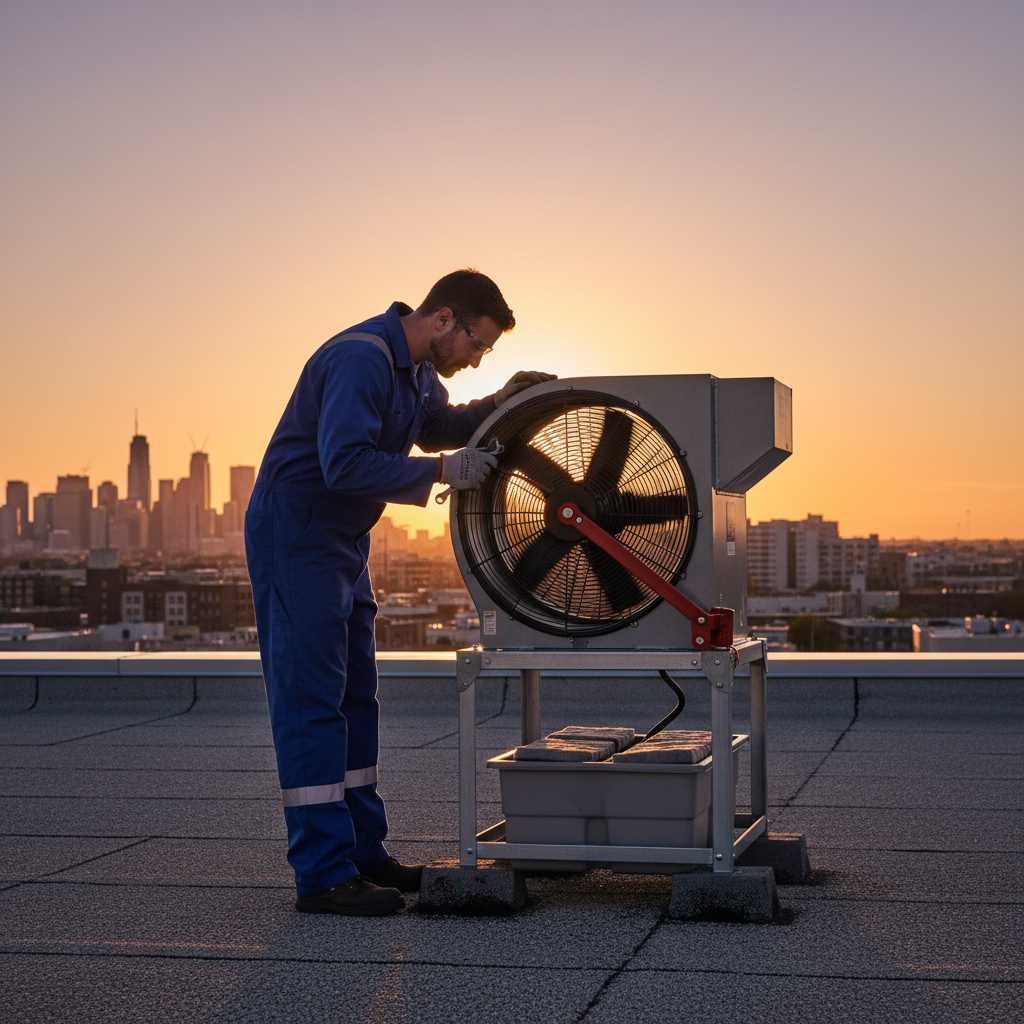
- Rooftop glance (if safe): Check fan noise and grease containment fill level.
- Log next steps: Note issues to escalate; confirm date of last NFPA 96 cleaning.
Teams that publish shift checklists near the line finish steps faster and with fewer misses. To build yours, see our inspection checklist guide and adapt by station and volume.
Types of Inspections and Frequencies
Match frequency to volume. High-volume fryers and grills often need quarterly NFPA 96 cleanings, with daily line checks. Lower-volume or light-duty cooking may extend intervals, but documentation must always be current and verifiable for audits and insurance.
Self-contained answer: Inspection types range from quick line checks to certified hood/duct cleanings. Daily staff checks keep you safe now; quarterly or semiannual cleanings remove hidden fuel in ducts and fans. Use a logbook to prove diligence and to schedule service ahead of rush periods.
Inspection Types
- Line checks: Pre-, mid-, and post-shift routines handled by trained staff.
- Supervisor walk-throughs: Weekly verification with spot cleaning and retraining.
- Certified hood/duct/fan cleaning: NFPA 96–aligned service by Robinhood Cleaners.
- Suppression service: Semiannual technician maintenance; tag updates and hydro-tests per schedule.
- Compliance audits: Documentation check, egress, extinguishers, and staff knowledge.
Recommended Cadence
| Kitchen Type | Daily | Weekly | Quarterly–Semiannual |
|---|---|---|---|
| High-volume fryers/grills (QSR, wings, burgers) | Pre/mid/close line checks | Supervisor walk-through + retraining | Quarterly hood/duct/fan cleaning |
| Mixed-use restaurants (casual/fine) | Pre/mid/close line checks | Supervisor walk-through + filter soak | Semiannual hood/duct/fan cleaning |
| Light-duty or low-volume | Pre/close checks | Supervisor check | Semiannual–annual cleaning (verify with inspections) |
Our teams across Southern Ontario commonly find that rooftop fans in high-volume sites accumulate grease faster than operators expect. Adding a quick monthly rooftop glance helps you prevent overflows and belt wear that can impair exhaust performance.
Best Practices for Reliable Inspections
Standardize your checklist, assign clear roles, and keep logs visible. Pair daily checks with certified hood, duct, and exhaust fan cleaning. Replace worn belts, swap saturated filters, and train new hires in K-class extinguisher use. These habits keep risks low and audits uneventful.
Self-contained answer: The best approach makes safety routine: visible checklists, fast training, and scheduled professional cleanings. In our experience, kitchens that track filter condition, belt noise, and grease containment levels rarely experience smoke-logging or flare-ups during peak service.
Checklist Design
- Short and specific: 10–15 items per pass; three passes per day.
- Role-based: Assign by station (fryer, grill, sauté, expo).
- Visual cues: Use “watch” vs “fix now” categories in your log.
- Stations own their items: Accountability keeps checks fast and accurate.
Ventilation & Hardware
- Filters: Swap saturated baffles; maintain a Filter Cleaning & Exchange rotation.
- Exhaust fans: Listen for belt squeal; confirm hinge kits and grease containment.
- Ducts: Schedule cleaning before suppression tag renewal to show full-system diligence.
- Make-up air: Balanced airflow reduces smoke staining and heat stress on staff.
Staff Training
- K-class basics: Teach PASS (pull, aim, squeeze, sweep) for grease fires.
- Pull station: Everyone should know where the manual release is and when to use it.
- Hot-oil rules: Never move hot oil during service; cool and cover first.
- Communication drills: Practice a 30-second play: shout, shut off gas/power, pull suppression if needed, evacuate if not contained.
For a deeper dive into risk controls by station, review our grease fire prevention playbook. It maps controls to fryers, charbroilers, woks, and flattops.
Tools, Logs, and Resources
Keep a visible logbook, laminated checklists at each station, and a calendar tied to suppression tags and last cleaning certificates. Include filter exchange dates, belt inspections, and rooftop grease containment levels to catch issues before they become hazards.
Self-contained answer: The right tools are simple: a master log, posted checklists, and date tags for filters, belts, and grease boxes. We pair these with photo documentation of hood/duct conditions so supervisors and insurers can see progress over time.
- Master logbook: Daily initials, exceptions, corrective actions.
- Laminated station cards: Pre/mid/close bullets for each cooking station.
- Service calendar: Suppression service, NFPA 96 cleanings, fan belt checks.
- Photo proof: Pre/post-clean images stored with certificates for audits.
- Rooftop kit: Gloves, flashlight, rag, and phone camera for quick checks.
When we deliver exhaust system inspection documentation, it includes date-stamped photos of hoods, ducts, and fans. Operators tell us these visuals speed up internal approvals and help line cooks understand why filters must stay clean and seated.
Free Safety Consult (Soft CTA)
Need help tuning your checklist or planning your next NFPA 96 cleaning? Our WSIB-insured, NFPA 96–certified team works 24/7 across Southern Ontario. We’ll review your log and recommend a right-sized schedule.
Mini Case Studies: Ontario Kitchens
Real kitchens cut risk by pairing daily checks with certified cleaning. In high-volume sites, quarterly hood/duct service plus filter exchange rotations drastically reduced smoke-logging and flare-ups. Documented routines also made third-party audits faster and less disruptive.
Self-contained answer: The consistent theme is cadence. Operators who keep visible checklists, run filter exchanges, and track belt wear experience fewer surprises. When auditors arrive, certificates and logs are already in place—inspections become a formality, not an emergency.
- QSR near Highway 401: Added a 60-second mid-shift airflow check; flagged a slipping fan belt before weekend rush.
- Hotel kitchen in Niagara: Moved to quarterly hood/duct cleaning; smoke staining and odors dropped within one week.
- Food court in Mississauga: Introduced filter exchange twice weekly; reduced fryer flare-ups during lunch peak.
- Campus dining hall: Posted laminated station cards; new hires reached proficiency in two shifts.
- Casual dining downtown: Rooftop grease box checks every two weeks; prevented overflow complaints and cleanup fines.
- Catering commissary: Photo logs with cleaning certificates; faster insurer confirmation after a small incident.
- Wings concept: K-class drill every Friday; extinguisher use time-to-execution cut by half.
- Family restaurant: Supervisor walk-throughs caught cracked filter baffles; reordered before failure.
- Resort kitchen: Heat-map of line hazards led to rearranged storage; removed combustible towels from hot zones.
- Pizza shop: Close routine added “cool and cover” step; eliminated late-night hot-oil transport.
- Wok station concept: Balanced make-up air; reduced smoke roll-back and staff eye irritation.
- BBQ spot: Hinged fan kit allowed safer access; quicker rooftop checks after storms.
Frequently Asked Questions
Operators ask about frequency, documentation, and what auditors look for. Keep daily logs, train staff on K-class basics, and schedule NFPA 96 cleanings by volume. Maintain suppression tag dates and photo documentation to make audits quick and predictable.
- How often should we schedule professional hood and duct cleaning?
Match to volume: high-volume fryers and grills often go quarterly; mixed-use kitchens may be semiannual. Document daily line checks, keep filter exchanges regular, and confirm suppression tag dates. If you see smoke rollback or feel heat building, consider moving service up. - What do inspectors want to see during a visit?
They check documentation (logs, cleaning certificates, suppression tags), cleanliness of hoods and visible duct sections, extinguisher placement, clear egress, and staff awareness of pulls and extinguishers. Having photo proof with dates helps show diligence and speeds the visit. - Do we need special training for K-class extinguishers?
Brief hands-on training is recommended. Teach PASS (pull, aim, squeeze, sweep), where to stand (upwind of vapors), and when to use the manual pull to trigger suppression. Practice quarterly so new hires get comfortable. - How do we know if filters need exchange or soak?
If you see persistent smoke or feel reduced airflow, pull a baffle: a heavy, saturated filter won’t drain well and often looks dark and oily. Keep a spare set ready for exchange so the line never runs with overloaded filters. - What’s the quickest win to lower our risk this week?
Post a two-minute pre-shift checklist at each station, confirm K-class placement, and schedule your next hood/duct/fan cleaning. Add a monthly rooftop glance to spot belt wear and grease containment issues early.
Conclusion: Make Safety Routine
Make kitchen fire safety inspection tips part of muscle memory. Short, role-based checklists plus scheduled NFPA 96 cleanings remove fuel, verify protection, and keep audits smooth. When documentation is strong, incidents are rare and short-lived.
Self-contained answer: Safety sticks when it’s simple and seen. Put checklists where people work, train briefly and often, and book professional hood/duct/fan service on a predictable cadence. That’s how Ontario kitchens stay open, safe, and inspection-ready every day.
Key Takeaways
- Cadence wins: Pre/mid/close checks catch most issues before they escalate.
- Remove fuel: Clean hoods/ducts and fresh filters block grease-driven fires.
- Pro support: Certified hood/duct/fan cleaning documents compliance and reduces risk.
- Train and tag: K-class basics and current suppression tags make audits simple.
Book a Safety Review in Ontario
Operating anywhere in Southern Ontario? Let our NFPA 96–certified, WSIB-insured team review your logs, filters, and rooftop fan. We’ll align your plan with volume and inspection goals—without disrupting service.
Related Topics (No link list)
Explore how ventilation balance affects smoke rollback, what inspectors prioritize in egress routes, and how filter exchange programs keep ducts cleaner between professional services. For deeper guidance, see our internal guides referenced above within this article.