Is Your Kitchen Fire-Safe? NFPA 96 Certified Hood Cleaning
Grease fires rarely start on the line. They start out of sight—inside hoods, ducts, and rooftop fans. NFPA 96 certified hood cleaning is the barrier between a normal shift and a preventable fire.
- What you’ll learn: what NFPA 96 is and how certification protects you
- How certified hood cleaning reduces fire hazards and improves air quality
- Exactly how a professional cleaning is performed and documented
- Best practices, checklists, and frequency guidelines that pass inspections
- Ontario‑specific insights from a WSIB‑insured, 24/7 team
At a Glance
NFPA 96 certified hood cleaning removes grease from hoods, ducts, and exhaust fans to the bare metal. For operators across Ontario, this means fewer fire risks, better airflow, and smoother inspections—without disrupting service.
- Primary goal: reduce fire hazards and meet safety standards
- Coverage: hood canopy, filters, plenum, ducts, fan, and rooftop area
- Proof: photo documentation, service report, and NFPA 96 tag on the hood
- Timing: scheduled during off‑hours with 24/7 availability to prevent downtime
- Outcome: safer staff, cleaner air, and fewer emergency calls
Quick Answer
For commercial kitchens in All Over Ontario at All Over Ontario, NFPA 96 certified hood cleaning removes grease to the bare metal and documents compliance so you pass inspections and reduce fire risk. Robinhood Cleaners is NFPA 96 certified and WSIB insured, available 24/7 across Ontario with quick service in Southern Ontario.
Local Tips
- Tip 1: If your location sits near Hwy 401 or the QEW corridor, schedule NFPA 96 service after midnight to avoid traffic delays for rooftop access and waste hauling.
- Tip 2: Ontario winters bring ice on rooftops—build in extra time for safe fan removal and fall protection during December–March.
- Tip 3: In busy Southern Ontario hubs (GTA, Kitchener‑Waterloo, Hamilton), align hood cleanings with filter exchanges to reduce truck rolls and keep multiple units on the same cadence.
IMPORTANT: These tips reflect how Robinhood Cleaners actually services commercial kitchens across Ontario with 24/7, WSIB‑insured teams.
What Is NFPA 96 Certified Hood Cleaning?
It’s a documented, system‑wide cleaning performed by trained technicians to the National Fire Protection Association’s Standard 96 for ventilation control and fire protection of commercial cooking operations. Practically speaking, NFPA 96 certified hood cleaning means every accessible surface that can hold grease is degreased to clean, bare metal.
- What gets cleaned:
- Hood canopy, plenum, and grease trays
- Baffle filters and filter tracks (cleaned or exchanged)
- Horizontal and vertical ducts (including elbows and seams)
- Exhaust fan housing, blades, and drain path
- Rooftop surfaces and grease containment around the fan curb
- What makes it “certified”:
- Technicians trained to NFPA 96 cleaning and safety requirements
- Work performed to bare‑metal standards on accessible areas
- Photo documentation and a clear service report
- NFPA 96 tag applied to the hood with service date and next due
- Ontario reality check: Choose a provider that’s WSIB insured, truly available 24/7, and familiar with local inspection expectations and rooftop safety.
Want a deeper dive into the compliance angle? You can compare checklists with our internal guidance on kitchen fire risk to see how documentation supports inspections.
Why NFPA 96 Certified Hood Cleaning Matters
- Fire safety:
- Grease is fuel. Build‑up in ducts can spread flame to the roof.
- Certified cleaning removes the fuel source and lowers total fire load.
- Compliance & inspections:
- Auditors and insurers expect NFPA 96 alignment.
- Proper tags, photos, and reports shorten inspection time.
- Air quality & comfort:
- Cleaner ventilation moves heat, smoke, and odor out efficiently.
- Staff performance improves when the line runs cooler.
- Equipment longevity:
- Fans, motors, and belts run cooler when grease is under control.
- UL‑listed filters work as designed when maintained or exchanged.
- Operational uptime:
- Preventive cleaning reduces emergency shutdowns during rush.
- 24/7 scheduling keeps service off your peak periods.
If you’ve had recent alarms or smoke back‑up, skim our quick note on exhaust system fire hazards to spot early warning signs and plan your next service.
How the Process Works (Step‑by‑Step)
Here’s what a professional, NFPA 96 certified hood cleaning typically includes. The exact sequence depends on your kitchen layout, duct geometry, and rooftop fan type.
- Pre‑inspection & safety setup
- Walkthrough to confirm access, utilities, and rooftop fall protection.
- Cover appliances, floors, and walls; set lockout/tagout on the exhaust.
- System isolation & containment
- Plastic sheeting and funnels route runoff to sealed drums.
- Gas and electrical to the system are shut down per procedure.
- Degreasing to bare metal
- Apply heated, food‑safe degreasers from the hood to the duct to the fan.
- Agitate with scrapers, brushes, and turbo nozzles where needed.
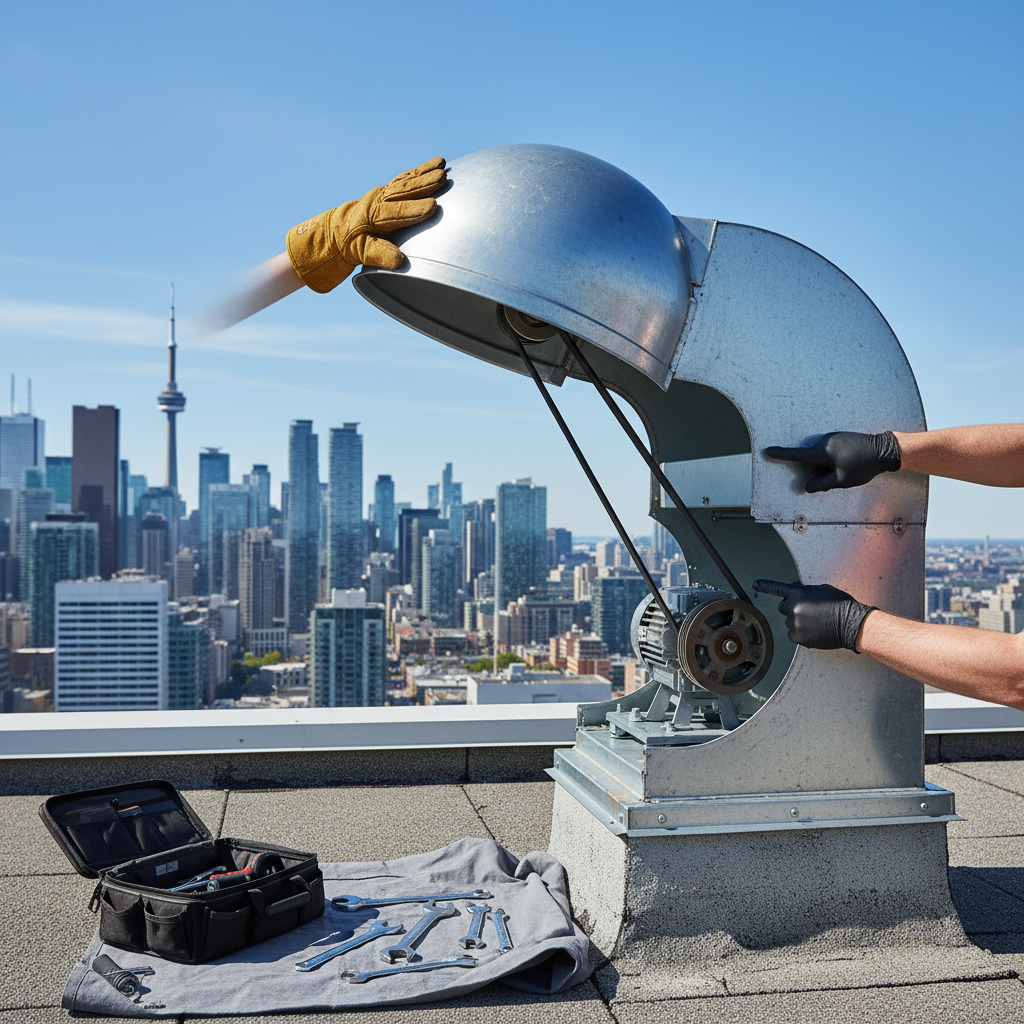
- Rooftop fan service
- Remove fan safely; clean blades, housing, and drain path.
- Inspect belt wear and pulley alignment; replace if required.
- Filters, trays, and plenum
- Clean or exchange baffle filters; scrub filter tracks and plenum.
- Empty, clean, and reinstall grease trays—no pooling left behind.
- Rinse, polish, and reassemble
- Warm‑water rinse, wipe‑down, and stainless polish on exposed areas.
- Reinstall filters; restore utilities and verify proper draw.
- Documentation & tagging
- Before/after photos, service notes, and next‑service recommendations.
- Affix the NFPA 96 tag with the service date and next interval.

Curious how this aligns with a full hood service? See our overview of exhaust cleaning services near you for a quick refresher on scope and cadence.
Types, Methods, and Approaches
No two kitchens are identical. Menu, fuel type, cooking volume, and duct geometry all shape the ideal method.
Common cleaning methods
- Heated chemical soak and rinse
- Breaks down heavy, polymerized grease effectively.
- Ideal for first‑time deep cleans or longer‑than‑average intervals.
- Pressure washing with containment
- Turbo nozzles speed removal of stubborn residue.
- Requires careful masking of controls and finishes.
- Manual scraping & brushing
- Reaches corners, seams, and fasteners where grease hides.
- Complements liquid methods for a complete result.
Add‑on maintenance that multiplies results
- Filter cleaning & exchange
- Maintain airflow with clean, undamaged baffle filters.
- Swap out warped or non‑compliant units during service.
- Fan belt replacement
- Worn belts slip, reduce airflow, and overheat motors.
- Proper tension restores draw and lowers noise.
- Grease trap service
- Reduces odors and protects plumbing from blockages.
- Supports overall hygiene and compliance.
- Power washing & appliance deep cleaning
- Removes films on floors, walls, ovens, and ranges.
- Completes the “back of house” reset post‑hood service.
Need a broader service bundle? Compare options in this external overview of NFPA 96 certified hood cleaning to see how documentation, tagging, and scheduling fit together.
NFPA 96 Certified Hood Cleaning Best Practices
Scheduling that sticks
- Set frequency by risk: solid‑fuel and high‑volume fryers need tighter intervals.
- Lock cleanings to slow periods or overnight windows to protect peak revenue.
- Combine hood service with filter exchange to reduce site visits.
Documentation that passes inspections
- Keep date‑stamped photo logs and technician names by unit.
- Retain NFPA 96 tags and service recommendations.
- Centralize reports for multi‑unit operators (GTA, Waterloo Region, Niagara).
Safety and compliance
- Use WSIB‑insured, trained technicians who follow lockout/tagout.
- Ensure rooftop fall arrest and weather assessments in winter months.
- Verify degreasers are food‑contact safe and mixed correctly.
Design for cleanability
- Install UL‑listed access panels to reach long duct runs.
- Use the right baffle filter size and keep spares on‑site.
- Add rooftop grease containment to protect the roof membrane.
For region‑specific expectations, skim these GTA exhaust cleaning practices to align your cadence with local inspection routines.
Tools & Resources Used by Pros
- Food‑safe, high‑temperature degreasers matched to grease type
- Hot water pressure washers with adjustable turbo and fan nozzles
- Scrapers, wire brushes, and flexible duct tools for tight corners
- Personal protective equipment (PPE) and fall‑arrest systems
- Rooftop grease containment, absorbent pads, and curbing protection
- Digital cameras or apps for time‑stamped photo documentation
- Replacement baffle filters and fan belts on the truck
Experience matters, too. Certified techs spot airflow issues, belt slippage, and early motor bearing wear before they become emergencies.
Scheduling & Pricing Factors (No Surprises)
Providers don’t quote one‑size‑fits‑all. Scope depends on your system’s condition and the work required to reach bare‑metal standards. Here’s how teams like Robinhood Cleaners structure fair, transparent estimates—without disrupting operations.
- Key variables that shape scope:
- Hood size, duct length, number of runs, and fan type (upblast vs. inline)
- Grease load, menu, fuel type, and daily volume
- Access complexity and whether access panels are installed
- Filter cleaning or exchange requirements
- Fan belt inspection or replacement
- Add‑ons: appliance deep cleaning, power washing, grease trap service
- What you can expect from a certified estimate:
- Free on‑site assessment with photo notes
- Clear scope and frequency recommendations
- Defined service window (often overnight) to avoid downtime
- Before/after photos and NFPA 96 tag placement after service
Recommended service frequency (guideline)
| Operation type | Typical fuel | Grease output | Suggested interval |
|---|---|---|---|
| Solid‑fuel barbecue | Wood/charcoal | Very high | Monthly |
| High‑volume frying | Gas/electric | High | Monthly to bi‑monthly |
| Standard line cook | Gas | Moderate | Quarterly |
| Light‑duty prep | Electric | Low | Semi‑annual |
Looking to refresh ovens and vents while you’re at it? Many operators schedule a same‑night oven and vent cleaning so the entire back of house resets at once.
Case Studies & Examples from Ontario Kitchens
1) Quick‑service chain, Southern Ontario
- Problem: Recurring smoke alarms during dinner rush.
- Findings: Heavy grease in a long horizontal duct; worn fan belt causing low airflow.
- Action: Certified deep clean + belt replacement + filter exchange.
- Result: Stronger draw, cooler line, zero nuisance alarms the following month.
2) Institutional cafeteria, Greater Toronto Area
- Problem: Inconsistent inspections and scattered paperwork across campuses.
- Findings: Past‑due tags and missing reports on multiple hoods.
- Action: Standardized cadence, centralized photo logs, and consistent NFPA 96 tagging.
- Result: Faster inspections and streamlined insurance renewals.
3) Independent bistro, Kitchener‑Waterloo
- Problem: Rooftop stains and odors after storms.
- Findings: No rooftop grease containment; pooling at the fan curb.
- Action: Install containment, deep clean fan and roof, set quarterly cadence.
- Result: Roof protected, odors controlled, owner peace of mind restored.
4) Casual dining, Hamilton
- Problem: Line felt hot and smoky even with the fan on.
- Findings: Filters warped; belt slipping; grease film in upper plenum.
- Action: Filter exchange, belt replacement, and certified plenum clean.
- Result: Cooler line, better smoke capture, happier staff.
5) Food hall, downtown Toronto
- Problem: Multiple vendors, mixed menus, uneven cleaning records.
- Findings: Some ducts on monthly schedules; others overdue.
- Action: Color‑coded (internal) calendar, shared report archive, unified cadence by risk.
- Result: Predictable nights, fewer escalations, easier oversight.
6) Campus pub, London, Ontario
- Problem: Grease odors creeping front‑of‑house.
- Findings: Clogged drain path in fan housing and saturated filters.
- Action: Housing clean, drain fix, filter exchange, and trap service.
- Result: Odors gone, guests noticed fresher air within days.
7) Bakery café, Niagara Region
- Problem: Light cooking, but heavy flour dust near intakes.
- Findings: Dust binding with grease on filter edges.
- Action: Gentle chemical cycle and filter swap on a semi‑annual cadence.
- Result: Quieter fan, consistent draw, cleaner canopy.
8) Sports bar, Barrie
- Problem: Vent hood rattling during peak hours.
- Findings: Loose fasteners; belt glazing; fan wheel unbalanced by grease.
- Action: Tighten hardware, replace belt, balance and clean fan wheel.
- Result: Stable airflow and less noise on game nights.
9) Resort kitchen, Muskoka
- Problem: Seasonal volume spikes caused inconsistent intervals.
- Findings: Grease load spiked mid‑summer; tags not aligned with season.
- Action: Seasonal plan with pre‑summer deep clean and mid‑season touch.
- Result: Fewer surprises during July/August rush.
10) Hospital kitchen, Peel Region
- Problem: Strict uptime windows; zero tolerance for odor or smoke.
- Findings: Access constraints near sensitive areas.
- Action: Overnight route, enhanced containment, and documentation for audit trail.
- Result: Clean runs, no disruption to patient services.
11) Sushi concept, Mississauga
- Problem: Light‑duty cooking still triggered occasional smoke.
- Findings: Filters under‑maintained; duct elbow accumulating residue.
- Action: Filter exchange schedule and targeted elbow access panel.
- Result: Stable capture with a semi‑annual cleaning cadence.
12) Steakhouse, Waterloo
- Problem: Solid‑fuel grill boosted flavor—and grease output.
- Findings: Heavy soot/grease blend in duct; high spark risk.
- Action: Monthly certified cleans and enhanced spark management.
- Result: Steady compliance and quieter inspections.
13) Food truck commissary, Durham Region
- Problem: Batch prep nights led to surprise grease spikes.
- Findings: Intervals set for daily service, not batch prep loads.
- Action: Interval re‑set to match weekly batch cycles.
- Result: Cleaner ducts and more predictable inspections.
14) Café kitchen, Kingston
- Problem: Occasional odor near the entrance during wet weather.
- Findings: Fan drain blockage and minor roof pooling.
- Action: Housing drain clean, rooftop containment, and quarterly checks.
- Result: Odor eliminated; roof membrane protected.
FAQ: NFPA 96 Certified Hood Cleaning
How do I know if my kitchen needs NFPA 96 certified hood cleaning?
Check for visible grease on filters and hood edges, smoke backing up on the line, or a past‑due hood tag. If you’ve changed your menu, increased volume, or use solid fuel, shorten your interval. A quick on‑site assessment confirms scope and frequency.
What does “to bare metal” actually mean?
It means accessible surfaces of the hood, duct, and fan are degreased until clean metal is exposed. Techs use heated degreasers, scraping, and pressure washing. Inaccessible areas are documented and, if needed, access panels are recommended for the next service.
Will certified hood cleaning disrupt service?
Certified teams schedule during off‑hours or overnight and isolate the area with containment. Gas and electrical to the exhaust are locked out during service and restored after testing. Morning operations typically resume on time with a clean, polished line.
How often should my hood and duct be cleaned?
Intervals depend on fuel type, menu, and volume. Solid‑fuel and high‑volume fryers trend toward monthly. Standard line cooking often fits quarterly. Light‑duty prep may extend longer. A technician will recommend a cadence after inspection.
Do you handle filters, belts, and rooftop grease containment?
Yes—comprehensive service includes filter cleaning and exchange, fan belt inspection and replacement, and rooftop grease containment solutions to protect the roof and maintain airflow. These add‑ons support safer, NFPA 96‑aligned operations.
Conclusion & Next Steps
- NFPA 96 certified hood cleaning is the backbone of kitchen fire safety and compliance.
- Proper tagging and photo reports make inspections faster and easier.
- Add‑on maintenance (filters, belts, grease traps) multiplies results.
- 24/7 scheduling keeps your line running and your staff safe.
Key Takeaways
- Grease is fuel—remove it to the bare metal to cut fire risk.
- Certified documentation smooths audits and insurance renewals.
- Match cleaning intervals to menu, fuel, and volume.
- Bundle filter exchange and belt checks to protect airflow.
If you operate in the GTA or Southern Ontario and want a single overnight route for multiple units, ask about multi‑site coordination during your estimate.