Kitchen Hood Fire Hazard: Warning Signs and Prevention
Grease fires move fast. The place they start most often in commercial kitchens? Inside the hood and exhaust. This complete, NFPA 96–aligned guide explains what a kitchen hood fire hazard is, how it develops, and how to eliminate the risk—without shutting down your line.
- Spot real-world warning signs before they become emergencies
- Understand how hoods, ducts, fans, and filters work together—and fail
- Follow best practices tailored to busy Ontario operations
- Use checklists, maintenance tables, and mini case examples to act today
- Know when to call NFPA 96 certified pros for end-to-end cleaning
Overview
- Topic: Kitchen hood fire hazard (grease + heat + oxygen inside your exhaust path)
- Audience: Restaurant and commercial kitchen operators across Ontario
- Goal: Reduce ignition risk, meet NFPA 96, protect people, property, and uptime
- Action: Inspect, clean, document, and partner with certified technicians
Quick Answer
A kitchen hood fire hazard builds when grease accumulates in hoods, ducts, and rooftop fans near constant heat. In All Over Ontario at All Over Ontario, NFPA 96 certified teams can remove that fuel and document compliance. Robinhood Cleaners specializes in kitchen exhaust cleaning, filter exchange, fan belt replacement, power washing, and grease trap service to eliminate the hazard at its source.
What Is a Kitchen Hood Fire Hazard?
In plain terms, it’s fuel (grease) sitting where heat and sparks live. Add oxygen from your ventilation, and you have a recipe for flash ignition. The hazard isn’t theoretical; it’s a predictable outcome when cleaning gaps align with heavy cooking.
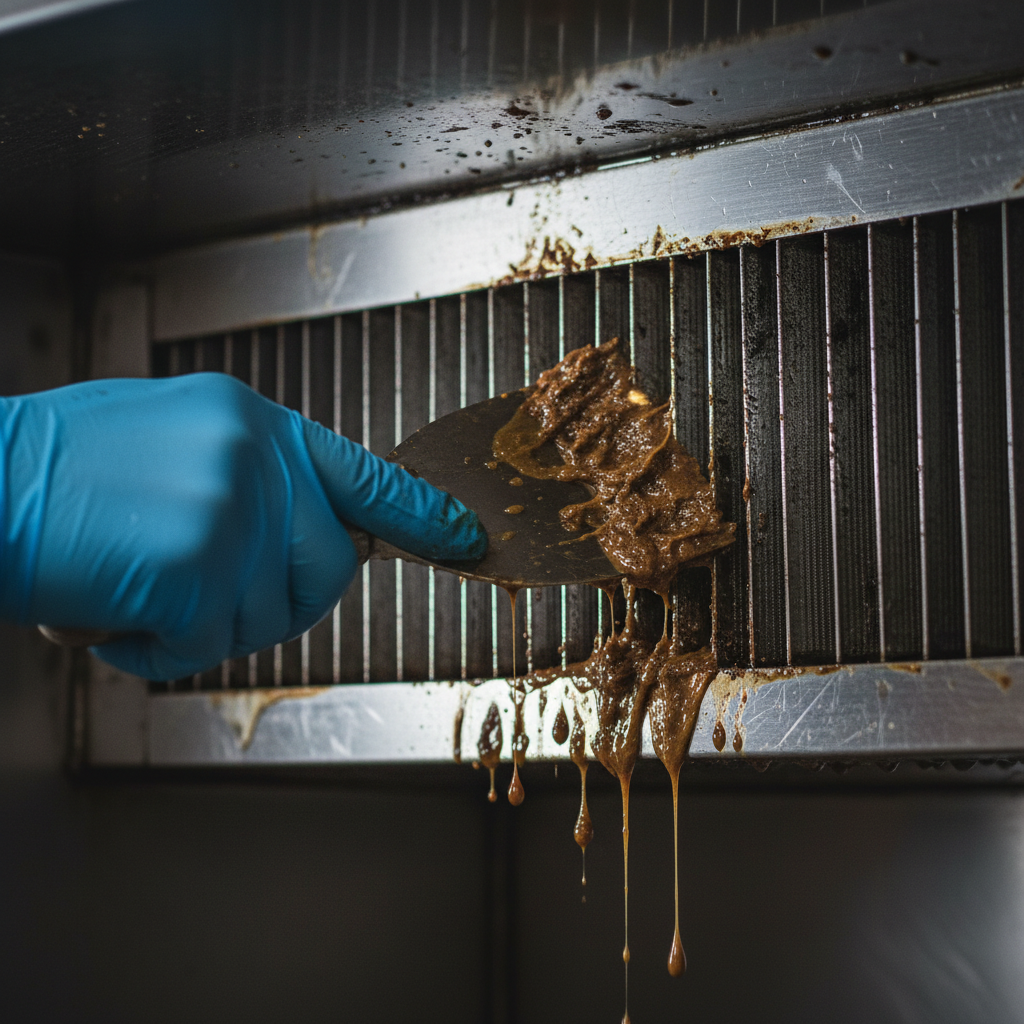
- Grease film in the hood plenum: Ignites from flare-ups or overheated appliances.
- Residue in ducts: Acts like a fuse, carrying flame through the ceiling and walls.
- Contaminated baffle filters: Reduce airflow and let hot vapors hit built-up grease.
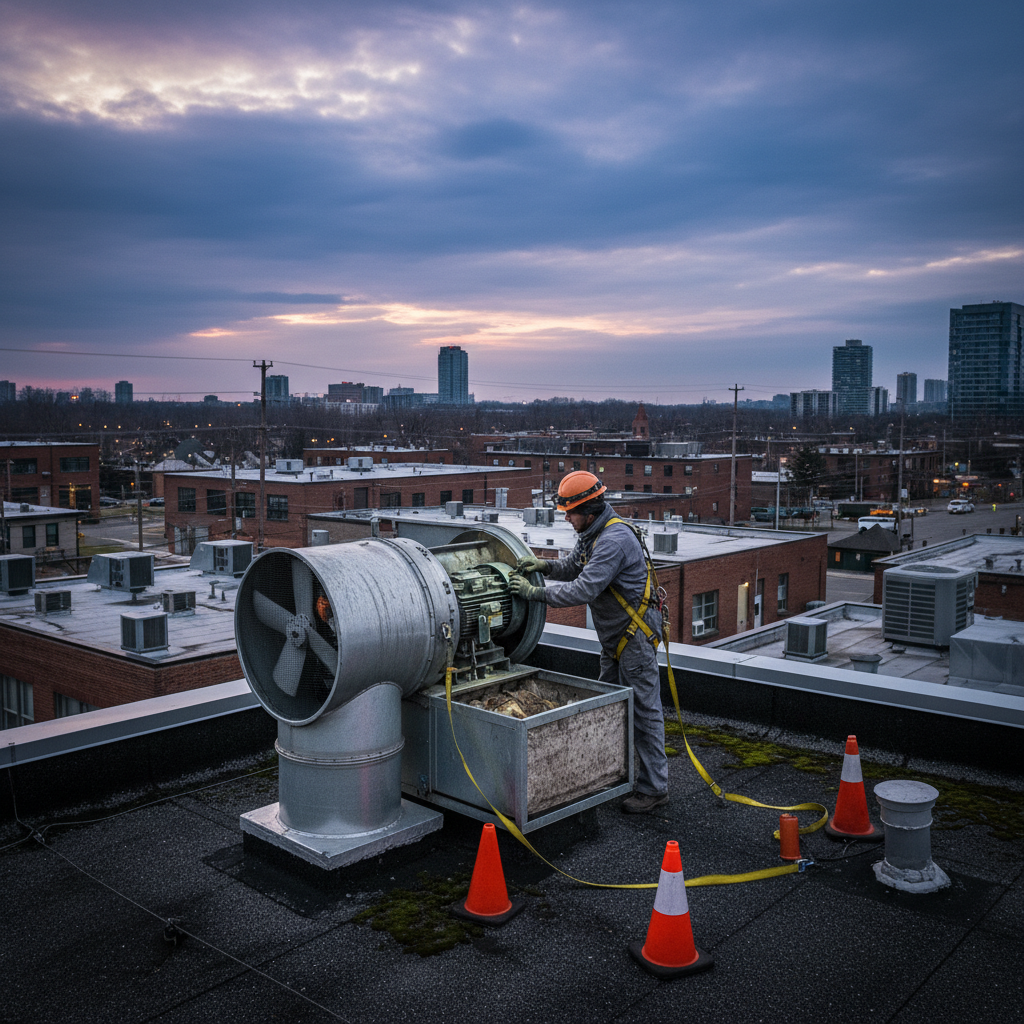
- Rooftop fan and housing: Grease overflow can ignite and spread on the roof membrane.
- Poor containment: Unmanaged runoff saturates pads, wood, and roof components.
Here’s the thing: hazards rarely appear overnight. They build shift after shift—especially in high-volume Southern Ontario kitchens pushing long hours.
Why It Matters: Safety, Liability, and Uptime
- Life safety: Most hood fires are preventable with routine, documented cleaning.
- NFPA 96 and health inspections: Authorities expect proof of compliant service and clear access to tags and reports. For reference, see our NFPA 96 certified hood cleaning guidelines and process.
- Operational continuity: Unplanned shutdowns cost reputation and momentum.
- Insurance readiness: Carriers look for certified cleaning and maintenance records.
- Employee comfort: Clean exhaust improves air movement and reduces odors.
What most people don’t realize: incomplete cleaning (only the visible hood) leaves fuel inside ducts and fans. That’s where fires travel.
How Kitchen Hood Systems Work (and Where Risk Builds)
Understanding the airflow path helps you target the risk and remove it efficiently.
- Capture: The hood pulls grease-laden vapors across baffle filters.
- Contain: The plenum and ductwork carry air up and out.
- Move: The exhaust fan drives continuous airflow.
- Make-up air: Balanced intake keeps smoke from rolling into the kitchen.
Risk concentrates where grease deposits stick and airflow slows:
- Baffle filters: When clogged, they restrict air, increase heat, and leak grease. A formal filter cleaning and exchange plan prevents this.
- Horizontal duct runs: Grease settles on the bottom surface and seams.
- Fan blades and housing: Build-up reduces performance and raises temps.
- Fan belts: Slipping or broken belts kill airflow, concentrating heat at the hood.
Common Ignition Sources
- Flare-ups: Fryers, woks, charbroilers, and grills with high BTUs.
- Electrical components: Overheating motors, wiring faults at the fan.
- Hot surfaces: Heat-soaked metal near grease-laden deposits.
- Improper cleaning: Solvent residue and rags left inside the plenum.
For a deeper look at end-to-end cleaning, review our commercial kitchen hood cleaning service overview, which details the hood-to-fan process and documentation.
Kitchen Hood Fire Hazard Warning Signs and Contributing Conditions
- Grease type and volume: Heavy frying, charbroiling, and wok cooking deposit more fuel faster.
- Filter condition: Damaged, missing, or wrong-size baffles bypass capture.
- Duct design: Long runs, elbows, and poorly sealed seams trap residue.
- Rooftop issues: Failing grease containment and saturated pads spread fuel.
- Maintenance gaps: Irregular cleaning, no tags, and missing photo reports.
- Fan belt failure: Poor tension or worn belts reduce airflow and increase heat.
Process Table: Practical Cleaning Intervals
| Cooking Profile | Examples | Indicative Cleaning Frequency* | Notes |
|---|---|---|---|
| High grease, high volume | QSR, fried chicken, burgers, woks | Monthly | Monitor filters weekly; document with photos |
| Medium volume | Casual dining, mixed menus | Every 2–3 months | Check belts and containment each visit |
| Low grease | Ovens, light sauté | Quarterly to semiannual | Verify capture and make-up air balance |
*Aligned with common industry practice and NFPA 96 guidance. Always follow your AHJ’s requirements.
Best Practices to Eliminate a Kitchen Hood Fire Hazard
Daily and Weekly Line Checks
- Wipe hood edges and undersides at close.
- Visually inspect baffle filters; replace or wash as assigned.
- Confirm grease cups and troughs are emptied and sealed.
- Scan for unusual fan noise or vibration during service.
- Verify fire suppression pull stations are clear and accessible.
Per-Service Professional Tasks (NFPA 96 Certified)
- Remove, degrease, and reinstall baffle filters—or exchange with clean stock.
- Open access panels; scrape and hot-water-wash duct interiors end-to-end.
- Degrease fan blades, housing, and base; check and replace cracked belts.
- Install or service rooftop grease containment; replace saturated media.
- Photograph pre/post results; tag equipment and issue compliance report.
Documentation and Compliance
- Keep service tags visible at the hood and fan.
- Maintain a digital binder of reports and photos for inspectors and insurers.
- Track corrective actions (belt replacement, access install, seal repairs).
- Standardize intervals across multi-unit portfolios for consistency.
To see how we align safety, cleaning, and documentation across an entire kitchen, explore our restaurant cleaning services and kitchen protection overview.
Tools and Resources You Can Deploy Today
- Filter program: Set a schedule to clean or exchange filters weekly to biweekly.
- Access panels: Ensure duct access exists at every turn and at defined intervals.
- Grease containment: Use UL-listed rooftop systems with absorbent media.
- Fan belt care: Inspect tension and condition each visit; carry spares.
- Photo verification: Require before/after images from hood to fan.
- Service logs: Log dates, scope, and responsible tech for every visit.
- Ventilation tune-up: Balance make-up air to keep smoke under the hood.
- Appliance deep-clean: Pair exhaust work with oven and vent cleaning to limit re-soiling.
- Grease management: Keep drains clear with scheduled grease trap service to prevent backups.
Case Studies and Ontario Examples
- High-velocity fry line: A multi-site QSR near Highway 401 saw smoke roll-out and elevated heat at the fryers. Filters were cleaned nightly, but ducts were layered. Full end-to-end degreasing with fan belt replacement restored draw and eliminated the hazard.
- Charbroiler hotspot: A downtown bistro’s hood looked clean, but the fan housing was saturated. Rooftop grease containment was failing. New containment media and complete fan cleaning removed the ignition source and stopped roof staining.
- Wok station spikes: An institutional kitchen with heavy wok use needed monthly service. Adding access panels at elbows and exchanging filters biweekly cut deposits dramatically between visits.
- Multi-unit standardization: A regional operator aligned schedules across ten locations. Consistent tags, photo reports, and belt checks simplified inspections and insurer renewals.
- Seasonal reality check: Winter winds and ice made rooftop work hazardous. Rescheduling belt checks and containment swaps during daylight reduced safety risk and incomplete cleaning.
- After-hours turnaround: A late-night cleaning slot allowed a busy burger concept to reopen with cooler hoods, stronger draw, and compliant tags by the lunch rush.
- Filter exchange lift: Swapping damaged baffles on three lines increased airflow enough to stop smoke roll-out during weekend surges.
- Access matters: Installing missing duct access panels in an older building enabled true “bare metal” cleaning and brought the location back into NFPA 96 alignment.
- Grease trap tie-in: Regular trap service prevented overflows that otherwise would have contaminated floors and increased airborne grease aerosols.
- Power washing complement: Exterior power washing around discharge areas removed slip hazards and reduced odors that bothered neighboring tenants.
- Fan belt spare kit: Keeping labeled spare belts on-site cut downtime when a belt frayed mid-service during a holiday weekend.
- Photo-first policy: Managers used before/after galleries to train staff on what “clean to spec” looks like, improving nightly wipe-downs.
- Insurance audit win: A complete binder of tags and reports accelerated renewal and removed an inspection contingency.
Local Tips
- Tip 1: Coordinate rooftop access around building hours in Southern Ontario’s urban cores along Highway 401 to avoid elevator and loading dock traffic.
- Tip 2: Winter winds and freezing on roofs make evening fan service tricky—plan belt checks and grease containment swaps during milder daytime windows.
- Tip 3: For multi-unit operators spread across All Over Ontario, standardize tags, photo reports, and filter exchange schedules so inspectors see consistency at every location.
IMPORTANT: Tips align with NFPA 96 certified cleaning and help busy kitchens keep service on track year-round.
Step-by-Step: What To Do Next
- Walk your line and rooftop with the checklist in this guide.
- Photograph problem areas: baffles, duct seams, fan housing, roof.
- Gather prior service tags and any photo reports.
- Set a cleaning interval based on your menu and volume.
- Book an NFPA 96 certified, WSIB insured cleaning partner for after-hours service.
- Confirm access points, grease containment, and fan belt spares are included.
- Save reports in a shared folder for inspectors and insurers.
Frequently Asked Questions
How do I know if my kitchen hood is a fire hazard?
Look for sticky residue on baffles, smoke escaping during the rush, grease lines on duct seams, and a noisy or weak rooftop fan. If tags are outdated or there’s no photo report from a recent service, schedule an NFPA 96 certified inspection and cleaning with documentation.
What does NFPA 96 certified cleaning include?
End-to-end degreasing: hood, plenum, filters, ducts, and rooftop fan. Technicians open access points, scrape, and hot-water-wash to bare metal, then document with photos, tag the system, and note any repairs like fan belt replacement or access installation.
How often should my system be cleaned?
Frequency depends on menu and volume. High-grease, high-volume operations often need monthly service. Mixed menus can be every 2–3 months. Light cooking may be quarterly or semiannual. Align with NFPA 96 guidance and your local authority having jurisdiction.
Are filter exchange programs worth it?
Yes. Clean, undamaged baffles capture more grease and improve airflow. A weekly or biweekly filter exchange reduces fuel load in the plenum and ducts and supports consistent draw, which lowers fire risk and improves comfort for staff.
What else should I bundle with hood cleaning?
Pair exhaust work with equipment deep cleaning, grease trap service, and oven/vent cleaning. This reduces re-soiling, supports air quality, and keeps inspectors satisfied with a single, comprehensive record.
Key Takeaways
- A kitchen hood fire hazard is preventable with routine, verified cleaning.
- End-to-end service—from hood to rooftop fan—removes fuel and restores airflow.
- Documented NFPA 96 compliant work supports inspections and insurance.
- Filter exchange, fan belt care, and grease containment protect your investment.
- Standardize across locations to simplify audits and avoid surprises.
Conclusion
Kitchen hood fire hazards grow quietly with every shift. The fix isn’t complicated, but it must be complete: filters, hood, ducts, fan, and rooftop containment—verified with photos and tags. When you align daily line checks with NFPA 96 certified service, you remove the fuel, restore airflow, and protect your people, property, and uptime.
- Adopt a filter exchange cadence to keep capture strong.
- Ensure ducts and fans reach “bare metal” on every service.
- Track reports centrally so inspections are quick and drama-free.
- Choose certified, insured partners who work on your schedule.
Want a compliant plan that fits your operating hours? Book a discovery session and we’ll map an after-hours program across All Over Ontario with quick service in Southern Ontario.