Grease Trap Cleaning Services Ontario: The Complete Guide for Busy Restaurants
If health inspectors keep flagging odors, slow drains, or greasy floors, your grease interceptor is likely overdue. This guide on grease trap cleaning services Ontario restaurants rely on shows you exactly what to do—and how Robinhood Cleaners keeps kitchens compliant without disrupting service.
Overview
- Understand what a grease trap does, and why inspectors care.
- See how professional service prevents backups, odors, and violations.
- Follow our step-by-step cleaning process used across Ontario (24/7).
- Adopt best practices your team can implement today.
- Plan the right schedule for indoor traps and outdoor interceptors.
- Use Ontario-specific tips for chains, hotels, institutions, and cafes.
Quick Answer
For restaurants across All Over Ontario at All Over Ontario, professional grease trap cleaning services Ontario kitchens trust means scheduled pumping, scraping, and flow testing that keep you compliant and odor-free. Robinhood Cleaners delivers 24/7 service province-wide with quick response in Southern Ontario.
What Is Grease Trap Cleaning?
Grease traps (grease interceptors) separate fats, oils, and grease (FOG) from wastewater before it enters your sewer line. Over time, FOG solidifies and food solids settle, cutting capacity and choking flow.
- Purpose: Keep FOG out of drains and municipal systems to protect plumbing and avoid fines.
- Typical locations:
- Under-sink or floor-level traps inside dish and prep areas.
- Outdoor, in-ground interceptors serving multiple fixtures.
- What a professional cleaning includes:
- Pumping FOG and solids (complete evacuation).
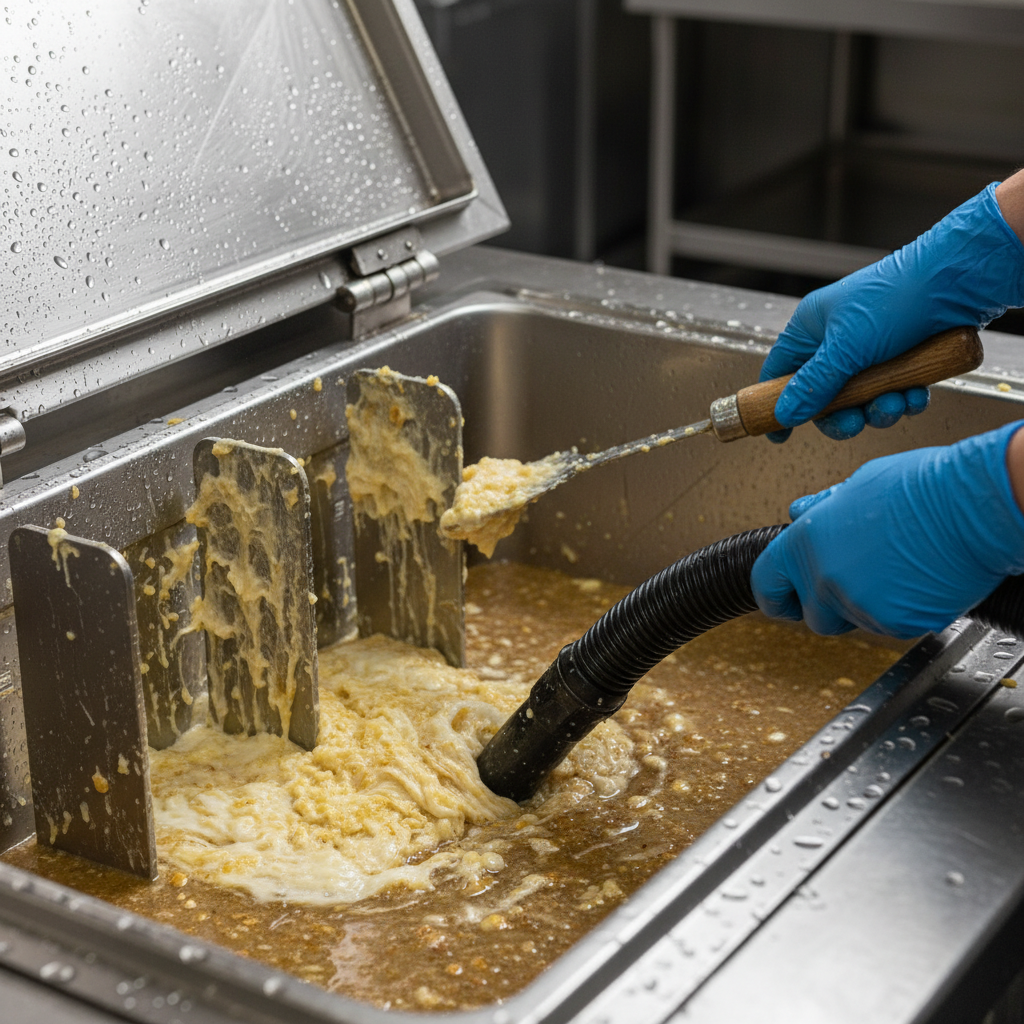
- Manual scraping of walls, baffles, and lids to remove hardened grease.
- Line clearing (flush/jet) for inlet and outlet to restore flow.
- Gasket reseating, lid sealing, and leak checks.
- Service documentation with photos for inspection records.
- Bonus benefit: Fewer odors, fewer pests, and a safer floor with less greasy residue.
Why Grease Trap Cleaning Matters in Ontario
Ontario health inspectors scrutinize sanitation, odor control, and wastewater management. A neglected trap shows up in all three.
- Health inspection readiness: A clean trap reduces odors, pests, and overflow risks—common violations.
- Plumbing protection: Prevent emergency backups that shut down service and impact guest experience.
- Environmental compliance: Proper FOG removal supports municipal bylaws and best practices.
- Employee safety: Less aerosolized grease and fewer slip hazards keep teams safer.
- Brand and insurance: Documented maintenance reduces risk exposure and reputational damage.
Robinhood Cleaners reinforces these outcomes through NFPA 96-certified exhaust cleaning, WSIB-insured operations, and meticulous documentation—showing a safety-first approach that pairs naturally with grease trap service.
Common signs you’re overdue
- Persistent kitchen odors near dish lines or floors.
- Gurgling drains or slow sink and floor-drain performance.
- Grease rings visible under trap lids; thick FOG layers on top.
- Frequent pest sightings or slime buildup around drains.
- Inspection notes referencing wastewater, odors, or sanitation.
If any of these show up, tighten your schedule and coordinate a full pump-out plus a line jet.
How Professional Grease Trap Cleaning Works
Here’s the step-by-step process our Ontario clients rely on. We work 24/7 to match your kitchen’s off-hours and avoid downtime.
- Pre-inspection and setup: Confirm size, access, FOG level, and safety. Note odors, leaks, lid integrity, and nearby slip risks.
- Complete pump-out: Vacuum liquids and solids from the trap/interceptor. Handle and transport FOG responsibly.
- Manual scraping: Remove hardened grease on walls, baffles, and lid undersides to restore full capacity.
- Inlet/outlet clearing: Flush or jet lines to ensure proper flow and prevent immediate re-clogs.
- Gasket and seal check: Reseat lids with intact gaskets; verify no seepage or wobble.
- Flow test: Run sinks and dish machines to confirm steady drainage with no gurgling.
- Area cleanup: Wipe external surfaces and secure the work area; no residue left on floors.
- Service report: Photo notes, FOG volume noted, issues recorded, and next-service reminder for your logbook.
What most teams overlook
- Lid gaskets: Worn gaskets cause recurring odors even after a pump-out.
- Inlet/outlet blockages: If the lines aren’t cleared, slow drains return quickly.
- Documentation: Inspectors appreciate clean, accessible records with dates and details.
Types, Methods, and Scheduling Approaches
Not all traps are the same. The right method and interval depend on kitchen volume, menu profile, and fixture count.
Indoor small traps
- Under-sink or near dish lines; smaller capacity means more frequent service.
- Manual scraping plus wet/dry vacuum to remove FOG and solids.
- Best paired with strong staff habits (scrape plates and use strainers).
Outdoor interceptors
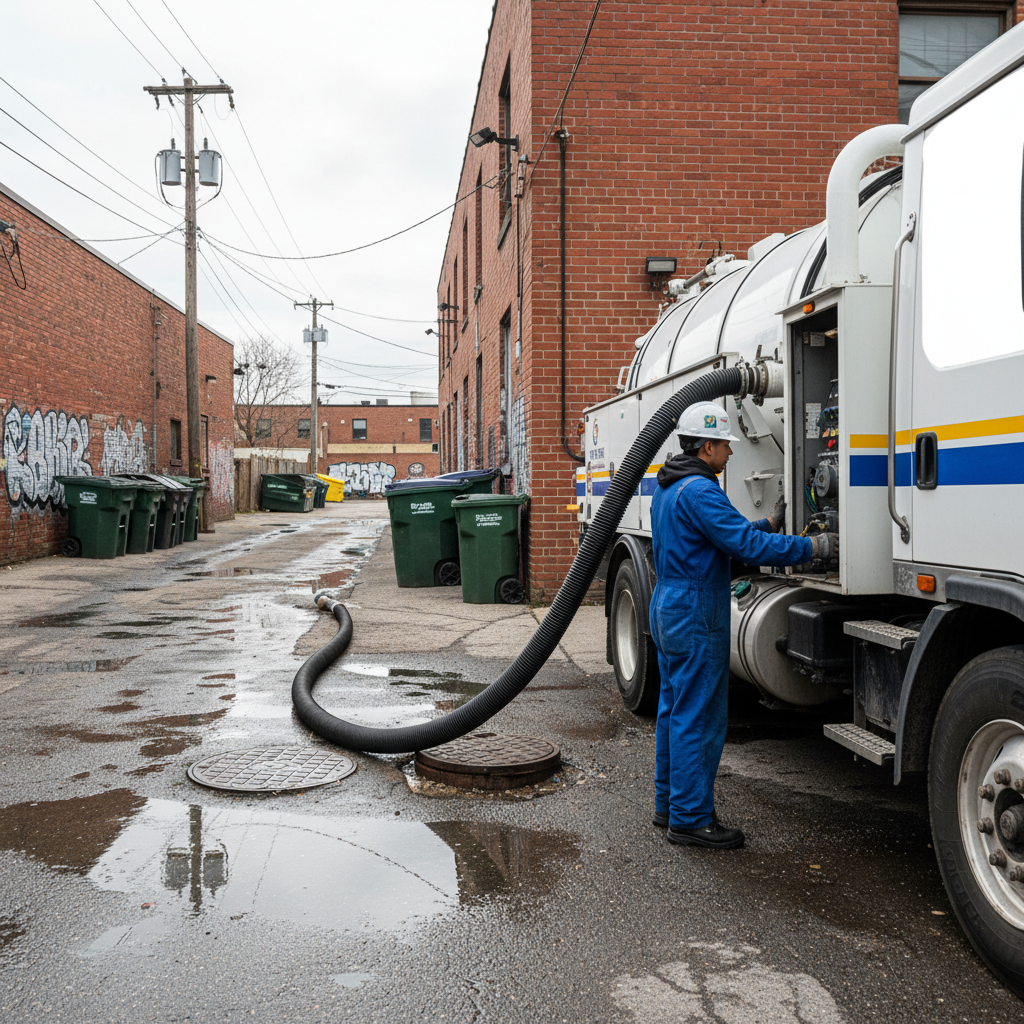
- Large, in-ground tanks with manhole covers outside the building.
- Vacuum truck pump-out plus line jetting for inlet/outlet lines.
- Ideal for multi-tenant food halls, hotels, campuses, and high-volume restaurants.
Scheduling models
- Usage-based: High-fryer, high-protein menus need shorter intervals (tighten during peak season).
- Menu-based: Fried items and animal fats generate more FOG than light, plant-forward menus.
- Seasonal: Patio season, festivals, and holidays increase load—pre-empt with pre-event and post-event service windows.
- Compliance-driven: Lock services to your inspection cycle for less stress and stronger documentation.
What not to do
- Rely on enzymes/additives as a substitute for pump-outs—residue still builds and can shift downstream.
- Push back service until drains slow—emergency shutdowns cost more in disruption than routine maintenance.
- Ignore lid hardware and gaskets—unsealed lids let odors escape and attract pests.
Best Practices Your Staff Can Implement Today
Daily habits make professional cleanings last longer and reduce emergency calls.
- Scrape and dry-wipe: Remove food and grease from pans before rinsing.
- Use sink strainers: Catch solids to reduce trap loading.
- Never pour oil down drains: Store used oil in collection bins only.
- Don’t rely on hot water: It pushes grease downstream where it cools and solidifies.
- Logbook discipline: Track pump dates, odors, and inspection notes in one place.
- Weekly checks: Have a lead check lids and gaskets for tight seals.
- Pair services: Combine grease trap cleaning with hood and duct service to minimize total downtime.
- Train for early signs: Smells, gurgles, and bubbles tell you it’s time to tighten the schedule.
Simple housekeeping that pays off
- Keep absorbent pads near dish lines for quick spill control.
- Designate “drain guardians” per shift to spot problems early.
- Stage waste oil bins where they’re easier to use than sinks.
Tools and Resources We Bring
- Vacuum and pump systems: Sized for both small traps and large interceptors.
- Jetting equipment: Restores proper flow by clearing inlet/outlet lines.
- PPE and safety gear: Gloves, eye protection, signage, and containment supplies.
- Gaskets and lid hardware: Replace worn seals to prevent odors and leaks.
- Documentation: Photo-supported reports for your inspection files.
- 24/7 scheduling: Overnight, pre-open, or mid-shift windows for chains and hotels.
We can also coordinate bundled visits for exhaust systems, filters, and equipment—streamlining compliance across your back-of-house. See how we plan restaurant cleaning services across Ontario to fit real operating hours.
At-a-Glance: Methods and Responsibilities
| Option | Who Does It | When To Use | Pros | Risks |
|---|---|---|---|---|
| Professional grease trap service | Certified technicians | Recurring schedule (about 4–12 weeks) | Complete pump-out, scraping, jetting, documentation | Requires access and brief downtime |
| Staff solids control | Kitchen team | Daily pre-rinse and end-of-shift | Reduces FOG load and odors | Not a substitute for pump-outs |
| Enzyme/dosing additives | Automated systems | Supplement between services | Helps with minor residue | Can push grease downstream if overused |
Ontario Case Studies and Examples
These snapshots reflect common scenarios we solve across All Over Ontario, with quick service in Southern Ontario.
- Fast-casual chain, Southern Ontario: Heavy fryer load led to frequent slow drains. We paired grease trap service with hood and filter exchange on a 6-week rotation. Result: steady flow, better inspection scores, and fewer odor complaints.
- Hotel banquet kitchen: Seasonal spikes around weddings caused interceptor near-capacity. We added pre-event checks and post-event pump-outs. Result: no disruptions during peak weekends.
- University food hall: Multiple tenants feeding one outdoor interceptor. We coordinated access windows and standardized solids control. Result: predictable schedules and clean inspection passes.
- Downtown cafe cluster: Tight spaces with under-sink traps and limited access. We scheduled pre-open visits and trained staff on strainer use. Result: fewer blockages and zero mid-shift backups.
- Roadside diner on a trucking route: Menu changes increased FOG unexpectedly. We shortened the interval and added weekly lid checks. Result: stable drains despite higher volume.
- Resort property with multiple outlets: Interceptors were far from kitchens, complicating access. We mapped service routes and consolidated windows. Result: less disruption and reliable intervals.
- College residence dining: Peak evening loads overwhelmed indoor traps. We added a supplemental mid-cycle visit. Result: no after-hours maintenance calls.
- Hospital kitchen: Strict hygiene protocols demanded careful containment. We staged PPE and barriers, aligned with facility controls. Result: compliant documentation and smooth audits.
- Sports venue concessions: Event surges created heavy weekend FOG. We set Friday pre-event checks and Monday pump-outs. Result: faster turnaround with cleaner prep areas.
- Mall food court: Shared interceptors complicated responsibility. We implemented a joint logbook and rotation. Result: consistent upkeep and fewer vendor disputes.
- Independent bistro: Staff turnover hurt log discipline. We created a one-page checklist and designated leads. Result: fewer missed signals and timely service calls.
- Franchise pilot: National brand tested a combined service bundle (grease trap + exhaust + equipment). Result: simpler scheduling and lower disruption across sites.
Need stress-free inspections?
Book a 24/7 service window with our WSIB-insured, NFPA 96-certified team. We’ll align grease trap cleaning with exhaust, filter exchange, and equipment cleaning so you stay compliant with one coordinated visit. Explore our Ontario-wide restaurant cleaning approach.
Local Tips
- Tip 1: When your site sits near busy corridors or event venues, add post-event pump-outs to stay ahead of odors and slow drains.
- Tip 2: Winter freeze-thaw can shift outdoor interceptor lids; include gasket checks and reseating in cold months.
- Tip 3: Patio season increases fryer load—shorten your summer interval by one step to avoid mid-service backups.
IMPORTANT: We service kitchens across Ontario with quick response in Southern Ontario—ask about combined service windows for exhaust, filters, and traps.
FAQ
How often should a restaurant in Ontario clean a grease trap?
Most busy kitchens schedule every 4–12 weeks, depending on volume and menu. If you notice odors, gurgling drains, or FOG layers exceeding 25% of capacity, tighten the interval. Seasonality (patio season, holidays) often calls for pre-event and post-event service windows.
What’s included in professional grease trap service?
Complete pump-out of FOG and solids, thorough scraping of walls and baffles, clearing inlet/outlet lines, lid reseal with gasket check, a flow test, cleanup, and a photo-supported service report with reminders for the next visit.
Can enzymes replace professional cleaning?
No. Additives may help with light residue but don’t remove accumulated FOG and solids. Over-reliance can push grease farther downstream, causing blockages in places that are harder to reach.
How do I cut odors between services?
Scrape plates, use sink strainers, keep lids sealed with intact gaskets, stage waste oil bins, and maintain a logbook. Train staff to report early signs—smells, gurgling, or bubbles—so you can adjust your schedule proactively.
Can cleaning happen outside business hours?
Yes. We offer true 24/7 scheduling. Many Ontario restaurants prefer late-night or early-morning windows to avoid interrupting prep and service.
Key Takeaways
- Grease traps directly influence inspection scores, uptime, and guest experience.
- Professional pump-outs, scraping, and jetting prevent costly backups and violations.
- Daily staff habits—scrape, strain, seal—extend the life of each service.
- Bundle grease trap cleaning with exhaust and filter service to reduce disruption.
- Robinhood Cleaners covers All Over Ontario with quick response in Southern Ontario.
Conclusion and Next Steps
- Map your trap type (indoor vs. outdoor) and current interval.
- Adopt the staff practices outlined to reduce FOG load immediately.
- Schedule a 24/7 professional service window before inspection week.
- Pair grease trap cleaning with exhaust and oven vent cleaning to streamline compliance.
Ready to stop the inspection stress? We’ll align grease trap service with your hood, duct, and equipment cleaning on a schedule that fits your kitchen. Province-wide coverage, quick in Southern Ontario.