Grease doesn’t just make equipment look bad—it slows your kitchen, drives up labor, and increases fire risk. This complete guide breaks down commercial equipment degreasing methods you can trust in a busy restaurant environment. We’ll connect each method to real-world workflows Robinhood Cleaners uses across Southern Ontario to keep commercial kitchens compliant with NFPA 96 and moving fast.
- Understand the core science behind commercial equipment degreasing methods.
- Match the right method to the right surface: hoods, ducts, fans, filters, appliances, and floors.
- Apply pro-grade best practices that cut prep time and rework.
- Avoid common mistakes that cause residue, corrosion, or recontamination.
- Use checklists and tables to standardize your team’s approach.
Summary
- Primary focus: Commercial equipment degreasing methods for exhaust hoods, ducts, fans, filters, and appliances in high-volume kitchens.
- Outcome: Lower fire risk, fewer breakdowns, faster close, and better air quality.
- Approach: Evidence-based selection of alkaline, enzymatic, steam, hot water, soak tanks, ultrasonic, dry ice, and targeted solvent spot cleaning—aligned to NFPA 96 cleaning expectations.
- Local reality: In Southern Ontario, cold seasons thicken grease on rooftops and make access critical; scheduling and method choice matter.
Quick Answer
For Ontario restaurant operations at All Over Ontario, the fastest, safest path is matching the surface to the right commercial equipment degreasing methods: foaming alkaline for hoods and ducts, hot water/steam for heavy films, and soak tanks for filters. Robinhood Cleaners pairs these with NFPA 96 routines to reduce fire risk and downtime.
Table of Contents
- What Is Equipment Degreasing?
- Why Degreasing Matters in Commercial Kitchens
- How Degreasing Works (The Science)
- Types of Commercial Equipment Degreasing Methods
- Best Practices You Can Apply Today
- Tools, Products, and Resources
- Ontario Case Snapshots
- FAQ
- Conclusion + Next Steps
- Related Guides
What Is Equipment Degreasing?
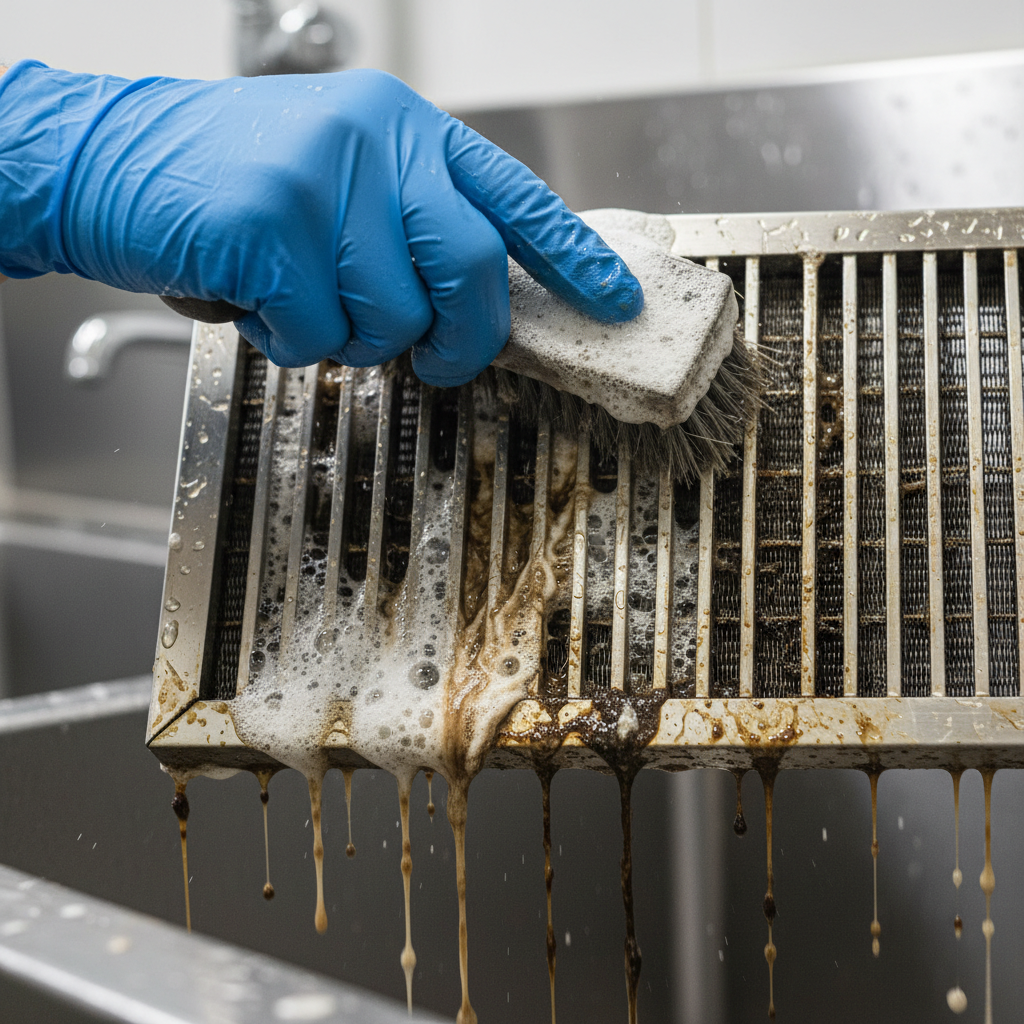
In commercial kitchens, degreasing removes accumulated fats, oils, and grease (FOG) from equipment and ventilation. The goal isn’t only visual cleanliness—it’s safety, airflow, and food-quality protection.
- Scope includes:
- Exhaust hoods, duct interiors, and fans (NFPA 96 focus)
- Baffle filters, canopy surfaces, grease cups, and drip trays
- Appliances: ovens, grills, fryers, refrigerators, and prep tables
- Floors and walls around cooklines and dish areas
- Commercial outcomes:
- Lower fire risk and insurance headaches
- Better air quality and temperature control on the line
- Less cross-contamination and residue on food-contact adjacencies
- Faster end-of-shift close with fewer call-backs
- Who benefits: Restaurants, food courts, institutional kitchens, QSRs, fine dining, and catering facilities across Southern Ontario.
Why Degreasing Matters in Commercial Kitchens
Degreasing is central to safety and uptime. Here’s how it protects your people, brand, and equipment.
- Fire prevention: Grease films can ignite quickly. Routine degreasing of hoods, ducts, and fans reduces ignition sources.
- Compliance alignment: NFPA 96 expects exhaust systems to be cleaned to bare metal. Documented intervals keep inspections smooth.
- Ventilation performance: Clean ducts and fans move more air, stabilizing temperatures and reducing HVAC strain.
- Labor efficiency: The right methods shorten dwell time and scrubbing, freeing staff for service.
- Equipment life: Removing corrosive residues protects stainless, coatings, belts, and motors.
- Guest experience: Fewer odors, better visibility, and a consistent kitchen environment translate to steady quality.
Local Tips
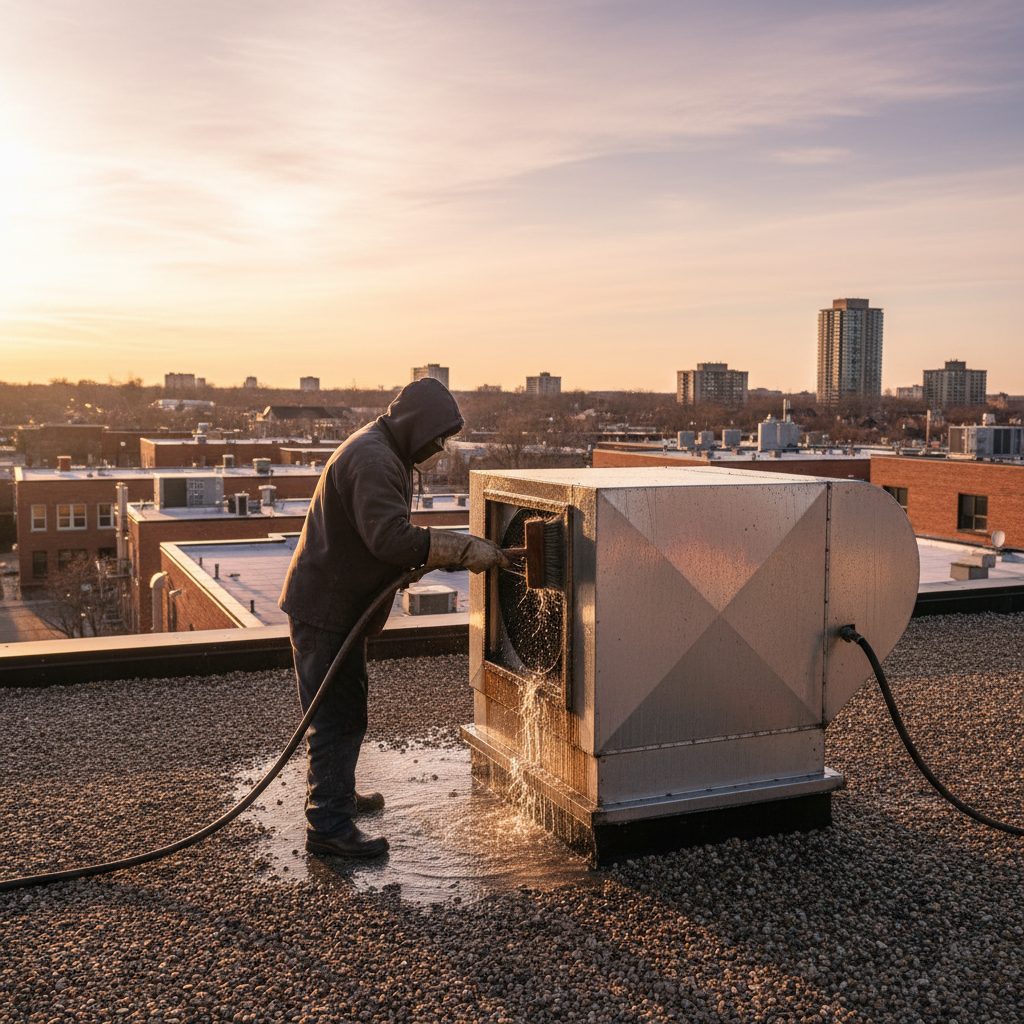
- Tip 1: Rooftop exhaust fans in Southern Ontario can ice over in winter. Plan filter exchange and fan access during daylight for safer degreasing and inspection.
- Tip 2: Summer patio rush increases fry station volume. Bump hood and duct degreasing frequency during peak season to maintain airflow and reduce odors.
- Tip 3: Busy malls and food courts along 401 corridors often share ventilation zones—coordinate cleaning windows to avoid cross-contamination and re-deposit of grease.
IMPORTANT: These tips reflect how Robinhood Cleaners services All Over Ontario with quick scheduling and NFPA 96–aligned processes.
How Degreasing Works (The Science)
Most commercial equipment degreasing methods rely on the same principles: break the bond, move the soil, and remove the residue.
- Chemical action: Alkaline cleaners saponify fats, turning grease into soap-like molecules that rinse away. Enzymes digest organic soils over time.
- Heat: Hot water and steam reduce viscosity so soils release faster with less mechanical force.
- Mechanical force: Brushes, scrapers, and controlled pressure dislodge stubborn layers without damaging metal.
- Time (dwell): Proper dwell lets chemistry work so you don’t over-scrub or over-apply pressure.
- Rinse and neutralize: After emulsification, a complete rinse removes residues; neutralizing acidic or alkaline products protects finishes.
Types of Commercial Equipment Degreasing Methods
Here’s a practical menu of methods we use and when each one shines.
1) Alkaline Foaming Degreasers
- Best for: Hoods, duct interiors, fan housings, stainless panels.
- How it works: High-pH surfactants and builders cut grease; foam clings to verticals for longer dwell.
- Pro tip: Apply from bottom-up to minimize streaks; rinse top-down with warm water.
- Robinhood in action: On night cleans, we foam canopy seams, baffle tracks, and fan bowls to bare metal as part of routine hood maintenance.
2) Hot Water Pressure Rinsing
- Best for: Cookline panels, backsplashes, floors with heavy films (after chemical break).
- How it works: Elevated temperature boosts removal; modest pressure lifts soils without driving water into motors.
- Pro tip: Shield electrical and gas components. Use containment to prevent splash migration.
- Robinhood in action: Our teams integrate controlled rinsing as outlined in our power washing and degreasing approach.
3) Steam Degreasing
- Best for: Tight crevices, hinges, and areas where water volume must be low.
- How it works: Superheated vapor melts films and sanitizes contact zones when used correctly.
- Pro tip: Keep nozzles moving; heat can warp plastics and lift decals if you dwell too long.
4) Enzymatic/Biological Cleaners
- Best for: Floors and drains, overnight maintenance, and low-odor environments.
- How it works: Enzymes digest organic soils gradually—ideal between deep cleans.
- Pro tip: Don’t combine with hot water or high-pH products right before application; you’ll deactivate the enzymes.
5) Soak Tanks for Filters and Small Parts
- Best for: Baffle filters, fryer baskets, and removable guards.
- How it works: Heated alkaline baths dissolve baked-on layers with minimal scrubbing.
- Pro tip: Rotate with a filter cleaning and exchange program to avoid downtime.
6) Ultrasonic Degreasing
- Best for: Intricate components and heavily perforated parts.
- How it works: Cavitation bubbles created by sound waves dislodge soils from tiny crevices.
- Pro tip: Verify material compatibility—soft metals and certain coatings can pit.
7) Targeted Solvent Spot Cleaning
- Best for: Adhesive residues and tar-like deposits that resist alkaline cleaners.
- How it works: Solvents dissolve specific soils quickly when used sparingly and safely.
- Pro tip: Mind ventilation and ignition sources; keep away from belts and gaskets.
8) Mechanical Scraping and Agitation
- Best for: Heavy crusts before chemical application; carbonized edges on grills and ovens.
- How it works: Non-marring scrapers and brushes remove thick layers, reducing chemical load.
- Pro tip: Use plastic on soft aluminum; stainless scrapers for stainless only.
9) Dry Ice Blasting (Special Scenarios)
- Best for: Sensitive components or minimal water environments.
- How it works: CO2 pellets sublimate on impact, lifting soils with almost no residual moisture.
- Pro tip: Plan ventilation and PPE; pellets are cold and can cause surface shock if mishandled.
10) Appliance-Specific Degreasing
- Ovens: Pair non-caustic gels for carbon with hot water rinse; see our oven deep cleaning methods.
- Grills/Flat-tops: Scrape while warm, follow with alkaline cleaner, then neutralize.
- Refrigerators: Degrease door gaskets and coils carefully; avoid overspray on electronics.
Best Practices You Can Apply Today
Save time, protect finishes, and pass inspections with these field-tested habits.
- Sequence for speed:
- Pre-scrape heavy build-up first.
- Foam alkaline cleaner bottom-up, allow dwell, then agitate.
- Rinse top-down with warm water; detail edges and seams last.
- Containment matters: Use plastic sheeting, drip trays, and floor dams to capture runoff and protect appliances.
- Protect assets: Cover motors, pilot lights, thermostats, and controls before wet work.
- Dial in dwell time: Too short = residue; too long = dulling or streaks. Test, then standardize.
- Brush choice: Nylon for general use, brass for carbonized edges on stainless, scotch pads for stubborn films.
- Neutralize and dry: After high-pH work, wipe with a neutral cleaner and dry to prevent flash rusting on cut edges.
- Document results: Take before/after photos and note areas to recheck at next service.
- Close coordination: Align cleaning windows with prep and maintenance so equipment is cool enough to work quickly and safely.
Inspection-Ready Checklist (Printable)
- Hood canopy: seams, fasteners, backs, and lips cleaned to bare metal
- Ductwork: top, sides, elbows, and transitions free of visible grease
- Exhaust fan: bowl, blades, shaft, and housing degreased; belts inspected
- Baffle filters: soaked/ultrasonic cleaned and reinstalled correctly
- Grease collection: cups emptied, lines flushed, and secondary capture removed
- Appliance exteriors: grills, ovens, fridges degreased and wiped dry
- Floors/walls: no slippery residue; mop with enzyme cleaner for overnight action
- Photos and service tag: logged for NFPA 96 documentation
Method Comparison Table
| Method | Ideal Surfaces | Advantages | Watch Outs |
|---|---|---|---|
| Alkaline Foam | Hoods, ducts, fans | Clings to verticals; fast dwell | Neutralize to prevent dulling |
| Hot Water Rinse | Panels, floors | Speeds removal; less scrubbing | Protect motors and controls |
| Steam | Crevices, hinges | Low water; sanitizing effect | Heat-sensitive parts can warp |
| Enzymatic | Floors, drains | Great for overnight odor control | Slower; avoid high temp before use |
| Soak Tank | Filters, baskets | Minimal scrubbing; consistent | Needs rotation plan |
| Ultrasonic | Intricate parts | Reaches micro-crevices | Material compatibility check |
| Solvent Spot | Adhesives, tars | Fast on specific soils | Ventilation and ignition safety |
| Scraping | Carbonized crusts | Reduces chemical load | Use non-marring tools |
| Dry Ice | Sensitive components | Near-zero moisture | PPE and ventilation planning |
Tools, Products, and Resources
Right-sized tools make or break a clean. Here’s a field kit that keeps teams moving.
- Application: Foaming sprayers, pump-up sprayers, and controlled foam lances for consistent coverage.
- Agitation: Nylon and brass brushes, non-marring scrapers, scotch pads, and detail picks.
- Rinse: Temperature-controlled low-pressure systems; portable steam units for tight spots.
- Containment: Plastic sheeting, floor dams, absorbent pads, and grease-safe wet vacs.
- PPE: Gloves, eye protection, splash aprons, and non-slip footwear.
- Maintenance add-ons: Belt inspection tools, lubrication, and fan balancing checks during exhaust work.
- Documentation: Photo logs, service tags, and interval plans aligned with your operation’s volume.
Want a ready-made framework? Reference our internal deep cleaning checklist while building your SOPs.
Ontario Case Snapshots
Here are quick, realistic scenarios we handle across All Over Ontario. If any sound familiar, you’re not alone.
- QSR fry line odor complaints: Grease films built up behind panels were re-heating and off-gassing during rushes. We sequenced a foam → dwell → low-pressure hot rinse → enzyme floor program. Result: better airflow and odor reduction within 48 hours.
- Fine dining sauté station residue: High-heat sauté created carbon rings under the hood lip. We targeted mechanical scraping while warm, followed by non-caustic gel and a neutralizing wipe. Finish preserved, sheen restored.
- Institutional kitchen with rooftop access limits: Winter access to exhaust fans was risky. We advanced the service window, staged safety rails, and degreased bowls/blades on a warmer midday slot. Fan balance stabilized and belts inspected proactively.
- Food court shared ductwork: Multiple tenants fed a common riser; one unit re-deposited grease after neighbors’ cleans. We coordinated a shared window and added containment at elbows. Post-clean photos showed bare metal throughout.
- Catering commissary filters: Filters weren’t rotating, forcing overtime scrubbing. We moved to a soak-tank rotation with exchange. Prep gained back closing minutes daily.
FAQ
-
How often should we schedule hood and duct degreasing?
Frequency depends on volume and cooking type. High-volume fryers and charbroilers need more frequent service than light-duty operations. We align intervals to NFPA 96 expectations and your inspector’s history, then adjust seasonally for Southern Ontario peaks.
-
Which degreasing method is safest for stainless steel?
Foaming alkaline cleaners are effective when used with proper dilution, dwell, and thorough rinsing. Always neutralize and dry to protect the finish. Avoid harsh abrasives and prolonged high-pH exposure on soft aluminum trims.
-
Can we mix enzymatic cleaners with hot water or alkaline products?
Not immediately. High temperatures and high-pH products can deactivate enzymes. Use enzymes for overnight maintenance after the hot work is complete and surfaces have cooled.
-
Do we need to shut down equipment to degrease?
Yes, for safety and effectiveness. Schedule cool-down time before foaming or steam. We coordinate with managers to reduce disruption and ensure motors, controls, and gas lines are protected.
-
What documentation should we keep for inspections?
Maintain service tags, before/after photos, and a log of surfaces cleaned to bare metal. Keep filter exchange dates, fan belt inspection notes, and any corrective actions. This streamlines health and fire inspections.
Conclusion + Next Steps
- Match method to surface: foam for verticals, heat for heavy films, soak tanks for filters.
- Standardize dwell, agitation, and neutralizing to protect finishes and speed close.
- Document to NFPA 96 expectations and coordinate windows around Ontario seasons.
- Integrate filter exchange, fan belt checks, and appliance degreasing for fewer surprises.
Key Takeaways
- Commercial equipment degreasing methods reduce fire risk and labor at the same time.
- Consistency beats intensity—set SOPs and stick to them.
- Local conditions in Southern Ontario affect scheduling, runoff control, and rooftop access.
Related Guides
- How to standardize hood and duct SOPs across multiple locations
- Filter exchange rotation planning for high-volume fry stations
- Seasonal playbook: Winter rooftop fan access and safety
- Appliance deep-clean cadence to reduce downtime