Grease fires don’t start big—they start hidden. If you run a restaurant or any commercial kitchen in Ontario, understanding kitchen exhaust system inspection requirements isn’t optional; it’s how you protect people, property, and your brand. This complete guide turns code expectations into a practical plan you can use across shifts and seasons.
Quick Answer
Kitchen exhaust system inspection requirements focus on fire prevention, airflow, and documentation. For operations across All Over Ontario (with quick service in Southern Ontario), Robinhood Cleaners provides NFPA 96–aligned inspections, cleaning, and photo-documented reporting for hoods, ducts, and fans—scheduled off-hours to avoid disrupting service.
Summary
- What you’ll learn: What inspections include, who enforces them, how often to inspect and clean, and how to document compliance.
- Why it matters: Most commercial kitchen fires involve grease in hoods, ducts, or fans; inspections cut risk and protect insurance eligibility.
- Your plan: Set an NFPA 96–aligned cadence by volume, close access gaps (hinges/panels), and keep photo-rich, AHJ-ready reports.
- Local reality: Ontario AHJs commonly reference NFPA 96. Inspectors expect visible service tags, accessible fans, and clear evidence of cleaning.
Above the Fold: Your Action Plan + Table of Contents
- Immediate steps: Classify your volume (solid fuel/high/moderate/low), verify hinged upblast fans and duct access, and gather the last 12 months of reports.
- Inspection essentials: Hoods, filters, plenum, horizontal/vertical ducts, access panels, fans, rooftop containment, make-up air, and suppression interfaces.
- Documentation: Dated service tags, before/after photos, deficiency list, and close-out notes that satisfy insurers and AHJs.
- Kitchen Exhaust System Inspection Requirements (What to Know)
- What Is a Kitchen Exhaust System Inspection?
- Why It Matters (Fire, Insurance, and Operations)
- How Inspections Work (Step-by-Step)
- Types, Methods, and Frequencies
- Best Practices to Pass Every Time
- Tools, Tags, and Evidence
- Ontario Case Snapshots
- FAQ
- Key Takeaways
- Wrap-Up + Next Steps
- Related Topics for Kitchen Safety
Local Tips
- Tip 1: Plan rooftop access around wind and ice. Southern Ontario gusts and winter buildup can complicate hinge checks—verify safety before ascent.
- Tip 2: Adjust cadence seasonally. Patio season, festivals, and catering spikes increase grease load; move inspections earlier to stay ahead.
- Tip 3: Keep an AHJ-ready binder (plus digital copies). Ontario fire inspectors appreciate fast access to tags, photos, and deficiency close-outs.
IMPORTANT: These tips reflect on-the-ground realities across All Over Ontario and help you stay compliant without losing service hours.
Kitchen Exhaust System Inspection Requirements (What to Know)
Let’s translate the core requirements into plain language you can act on today.
- Scope you must cover: Hood, baffle filters, plenum, horizontal and vertical ducts, access panels, fan housing and blades, rooftop termination, grease containment, and make-up air.
- What authorities look for: Fire safety, accessible hardware (hinges/panels), cleanable surfaces, intact wiring and fasteners, and evidence of routine service.
- Documentation baseline: Dated service tags (hood and fan), before/after photos, deficiency list, close-out notes, and credentials (NFPA 96–aligned, WSIB insured).
- Frequency drivers: Fuel type and volume (solid fuel monthly; high volume quarterly; moderate semi-annual; low annual) and any stricter insurer/AHJ requirement.
- Evidence that sticks: Time-stamped photos of hood interior, duct elbows/rises, and fan blades; tag numbers matching report; signatures.
Ontario Context (American English Terms)
- Standards reference: Many Ontario AHJs reference NFPA 96 for ventilation fire safety expectations.
- What that means: Hinge your upblast fans, add access panels where reach is limited, and keep rooftop grease containment working in all seasons.
- Our approach: Robinhood Cleaners aligns with NFPA 96, is WSIB insured, and operates 24/7 to reduce downtime.
What Is a Kitchen Exhaust System Inspection?
An inspection evaluates the entire pathway for grease-laden vapors, from hood capture through ducts to the rooftop fan and discharge.
- Core objectives: Confirm cleanliness, check accessibility and hardware, verify airflow performance, and identify fire hazards.
- Typical deliverables: Photo report, service tags, deficiency log with priority levels, and a recommended cleaning schedule.
- Operational payoff: Fewer smoke alarms, better air quality, cooler line conditions, and fewer emergency shutdowns.
What Inspectors Look For
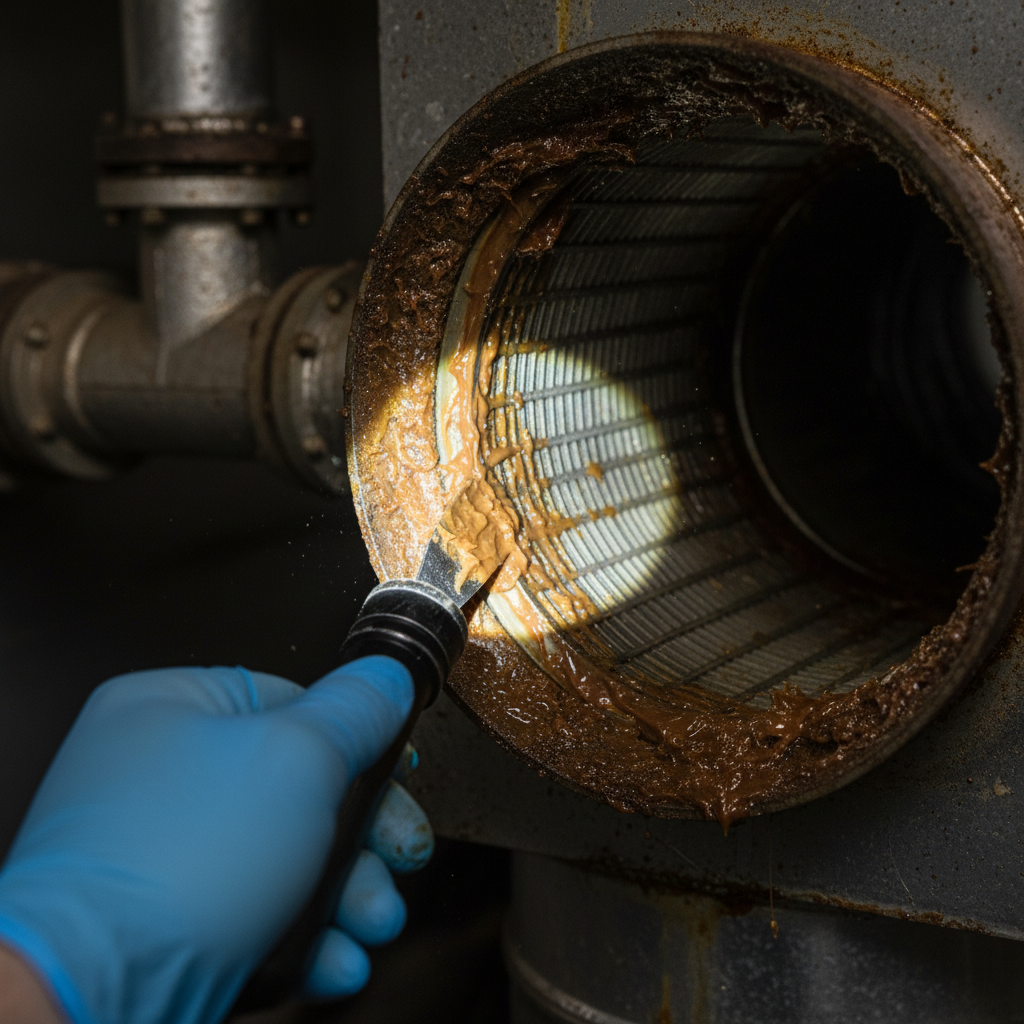
- Grease thickness and patterns: Buildup on filters, inside plenums, elbows, risers, and on fan blades indicates cleaning gaps.
- Access points and safety: Hinged upblast fans, code-spaced access panels, intact wiring, and safe rooftop footing.
- Mechanical condition: Belt wear, misalignment, bearing noise, vibration, loose mounts, and cracked housings.
- Air movement: Adequate capture at typical line heat, balanced make-up air, and no negative pressure symptoms.
- Containment and discharge: Grease containment prevents staining/slips; discharge path is unobstructed and compliant.
Example from the Line
- Scenario: A quick-service fryer line triggered recurring smoke alarms during dinner rush.
- Finding: Filters were overloaded and the fan belt slipped under peak volume.
- Fix: Filter exchange plus fan belt replacement stabilized airflow; alarms stopped.
- Outcome: Photo documentation and updated tags satisfied the AHJ on recheck.
Why Kitchen Exhaust Inspections Matter
Inspections aren’t just about “passing”—they reduce real risk and protect your ability to operate.
- Fire prevention: Clean, accessible ducts and fans don’t feed flashover. Access hardware lets pros clean properly.
- Insurance protection: Carriers often require NFPA 96–aligned schedules and proof. Missing reports complicate claims.
- Regulatory readiness: Ontario AHJs expect visible tags, current reports, and closed deficiencies.
- Team health and morale: Proper airflow lowers smoke, odor, and heat stress—improving retention on hot lines.
- Operational uptime: Planned inspections catch frayed belts, warped filters, and clogged containment before they force downtime.
For a deeper policy view relevant to local inspections, see our plain-English overview of Ontario fire safety standards.
How a Code-Ready Inspection Works
Here’s the step-by-step flow we use to keep your system safe and compliant year-round.
1) Pre-Inspection Prep
- Confirm appliance lineup, menu, and volume class (solid fuel, high, moderate, low).
- Verify rooftop access conditions, hinge kits, and containment; clear obstructions and confirm safe ladder paths.
- Collect last service reports and tags to compare grease patterns and recurring issues.
2) Hood and Filter Review
- Inspect baffle filters for warping, gaps, corrosion, and correct orientation; rotate or filter cleaning & exchange as needed.
- Check capture efficiency under realistic heat loads; note smoke spillover or dead zones at ends of hoods.
3) Plenum and Ductwork
- Open access panels; document grease deposition patterns, especially at elbows and vertical rises.
- Verify fire-wrap integrity and minimum clearances to combustibles along duct paths.
- Mark areas where additional access panels are required to reach all surfaces.
4) Fan, Belt, and Rooftop
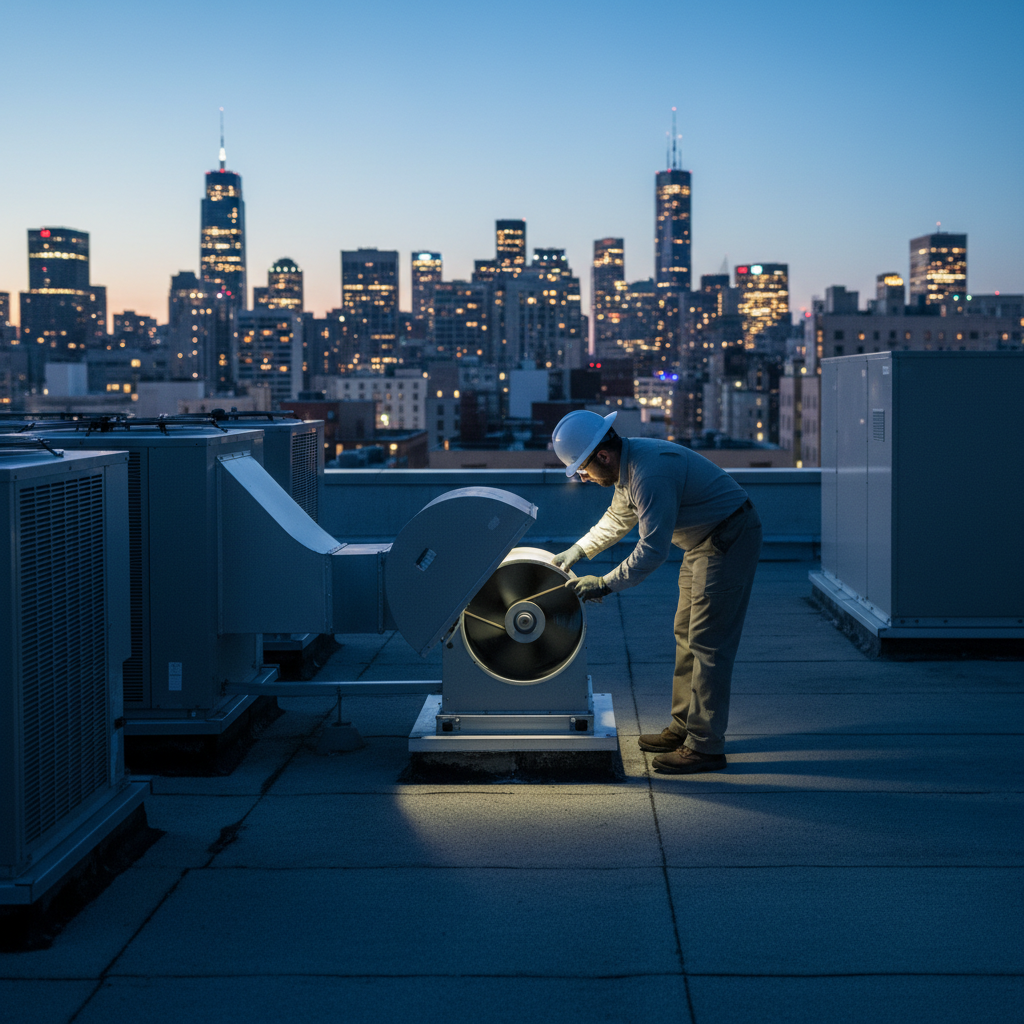
- Hinge upblast fan safely; evaluate blade deposits, set screws, wiring flex, and balance.
- Check belt condition, alignment, and tension; replace if glazing, cracking, or fraying is present.
- Assess rooftop grease containment media and overspill; protect nearby HVAC intakes.
5) Make-Up Air and Controls
- Confirm interlocks (exhaust and make-up air start together) and that thermostats or VFDs behave as designed.
- Note negative pressure symptoms: doors hard to open, drafts across dining room, smoke rolling out of hood.
6) Reporting and Tagging
- Place dated tags on hood and fan; list volume class and next service due.
- Deliver photo-documented report with deficiencies and a close-out plan your team can execute.
If your ducts need service after an inspection, our team can handle it. Explore what’s included in a clean & compliant duct cleaning for Ontario kitchens.
Types, Methods, and Frequencies
Frequency and method depend on what you cook and how hard you work the line. Align with NFPA 96 guidance and any stricter AHJ or insurer requirements.
| Kitchen Type | Typical Examples | Inspection & Cleaning Cadence | Notes |
|---|---|---|---|
| Solid Fuel / Wood-Charcoal | Wood-fired pizza, charcoal grills | Monthly | Ash + grease mix; higher spark/ember risk and soot load |
| High Volume | Fryers, wok lines, QSR rushes | Quarterly | Heavy aerosolized grease; monitor belts and filters closely |
| Moderate Volume | Standard restaurant cooklines | Semi-Annual | Adjust seasonally for patios, holidays, and special events |
| Low Volume | Light cooking, low-grease menus | Annual | Still requires full access and documentation |
Inspection Methods (What We Use)
- Visual and tactile checks: Look, probe, and swipe to assess residue and access limitations.
- Borescope where needed: Confirm cleanliness and identify obstructions in hard-to-reach duct sections.
- Fan diagnostics: Belt alignment, tension, vibration feel, and bearing sound checks.
- Airflow observations: Capture performance during normal cook cycles; note smoke roll and hot spots.
- Photo documentation: Time-stamped, angle-consistent images of hoods, ducts, and fans.
Who Sets and Checks the Schedule?
- NFPA 96 baseline: Industry standard many Ontario AHJs reference for ventilation fire safety.
- AHJ enforcement: Local fire prevention officers confirm schedules and evidence during site visits.
- Insurance: Policies often stipulate minimum frequencies and proof of professional service.
When to Increase Frequency
- Menu shifts to fry-heavy items or adding solid fuel equipment.
- Smoke spillover, stronger odors, or noticeable heat complaints from staff.
- Rooftop staining or grease bypassing containment media.
Best Practices to Pass Every Inspection
These practices protect you during AHJ visits and real-life rushes.
Design and Hardware
- Install hinge kits on upblast fans to prevent wire damage and allow safe access.
- Add access panels on long horizontals and at each elbow per standard spacing for full reach.
- Use UL-listed baffle filters sized and oriented correctly for capture efficiency.
- Maintain rooftop grease containment and change saturated media promptly—especially before rain or thaw.
Operations and Scheduling
- Adopt a filter cleaning & exchange rotation to keep pressure drop consistent and capture efficient.
- Bundle hood cleaning with duct cleaning and exhaust fan cleaning so your documentation is complete.
- Plan inspections after peak periods to capture worst-case grease loads and true airflow behavior.
Documentation Discipline
- Keep a binder with the last four reports, photo sets, tags, deficiency logs, and close-out notes; mirror it digitally.
- Ensure every tag shows service date, next due date, and provider contact.
- Train shift leads to guide inspectors to the binder and rooftop access points quickly.
Want help locking in the right cadence by volume? Use our internal playbook for an NFPA 96–aligned cleaning schedule that Ontario AHJs recognize.
Tools, Tags, and Evidence Inspectors Respect
Using professional tools speeds inspections and creates defensible evidence.
- Lighting and inspection mirrors: Reveal hidden grease behind filters and inside elbows.
- Scrapers and degreasers: Remove deposits without damaging coated ducts or seams.
- Fan service kit: Hinges, belts, set screws, and fasteners to correct small issues on the spot.
- Containment: Rooftop pads and drain-safe practices to avoid staining and runoff.
- Reporting tech: Time-stamped photos, tag numbers, digital logs, and signatures.
What a Solid Report Includes
- System map: hood IDs, duct paths, fan locations, and access points.
- Before/after images of hoods, duct interiors, and fans with angles reproduced for clarity.
- Service tags: hood and fan with dates and next due clearly visible.
- Deficiency list: immediate fire hazards vs. routine improvements with close-out notes.
- Credentials: NFPA 96–aligned methods and WSIB insured workforce.
If airflow is still tricky after cleaning, our team can help with balancing and interlocks. Learn more about kitchen ventilation optimization to stabilize capture and comfort.
Common Deficiencies and Fast Fixes
| Deficiency | Risk | Typical Fix |
|---|---|---|
| Missing fan hinge | Unsafe servicing, wire damage, incomplete cleaning | Install hinge kit; verify wiring slack and strain relief |
| No access panel at elbow | Residue remains; fire load increases unseen | Add code-spaced panel; document reach on report |
| Warped or misoriented filters | Poor capture; smoke alarms and heat complaints | Replace or reorient; start filter exchange rotation |
| Saturated rooftop containment | Roof staining, slip hazards, landlord issues | Replace media; add splash guards; schedule checks |
| Loose fan belt | Reduced airflow; smoke spillover; motor strain | Re-tension or replace; verify alignment and set screws |
Ontario Case Snapshots (Mini Case Studies)
Here are practical examples that mirror common scenarios across All Over Ontario.
1) Food Court Grill Line
- Problem: Persistent smoke near POS during lunch rush.
- Findings: Filters loaded; make-up air damper stuck half-closed.
- Actions: Filter exchange, damper reset, and ventilation system maintenance check.
- Result: Capture improved; AHJ accepted updated schedule and tags.
2) Fine Dining with Wood-Fired Oven
- Problem: Soot and grease mixture at vertical rise; rooftop staining below discharge.
- Actions: Monthly cleaning cycle; access panel added at elbow; upgraded containment media.
- Result: Next inspection passed; landlord concerns resolved with documentation.
3) Institutional Kitchen
- Problem: Missing fan hinge caused wiring strain and unsafe servicing.
- Actions: Installed hinge kit; performed exhaust fan cleaning and fan belt replacement.
- Result: Tag noted upgrades; AHJ recorded compliance without reinspection.
4) QSR Fryer Bank with Nightly Rush
- Problem: Doors hard to open and recurring odor complaints at 8 p.m.
- Findings: Negative pressure from make-up air failure; belts beginning to glaze.
- Actions: MUA interlock repair and belt swap; tightened schedule to quarterly.
- Result: Odors reduced; capture stable during peak.
5) Catering Commissary
- Problem: Grease trail on roof led to slip incident.
- Actions: Replaced saturated containment media, added splash guards, and trained staff to log rooftop checks after heavy prep days.
- Result: No further incidents; AHJ complimented documentation.
FAQ
-
How often should my kitchen exhaust be inspected?
Solid fuel: monthly. High volume: quarterly. Moderate: semi-annual. Low: annual. Your AHJ or insurer may set stricter intervals—follow the tightest rule. -
What documents do inspectors usually ask for?
Service tags, photo-documented reports, deficiency close-out notes, and proof of professional credentials. Keep the last four reports on site and mirrored digitally. -
Do I need a hinge kit on my rooftop upblast fan?
Yes—hinges protect wiring, allow safe access, and help ensure complete cleaning. They’re commonly expected by AHJs for safe servicing. -
Can we stay open during inspection or cleaning?
Often yes with overnight or off-hours scheduling. Our 24/7 availability helps you avoid service disruptions. -
What if we fail an inspection?
Prioritize immediate fire hazards (excessive grease, missing access). Document corrective actions with photos, update tags, and notify your AHJ if required.
Key Takeaways
- Build your cadence around fuel type and volume—then verify with your AHJ and insurer.
- Hinges, access panels, and containment are small upgrades that unlock safe, thorough cleaning.
- Photo-documented reports, dated tags, and clear close-outs protect you during audits and claims.
- Seasonal shifts and special events change grease load—adjust schedules proactively.
- Partner with an NFPA 96–aligned, WSIB insured team that works off-hours to keep you open.
Conclusion: Make Compliance the Easy Part
- Main idea: A repeatable, NFPA 96–aligned program keeps you inspection-ready year-round.
- Why it matters: It lowers fire risk, protects insurance standing, and prevents downtime during your busiest hours.
- Action steps: Classify volume, set cadence, fix access gaps, bundle hood/duct/fan service, and document every visit.
Related Topics for Kitchen Safety
- Setting a filter exchange rotation that sticks across shifts
- Designing rooftop grease containment for four-season weather
- Fan belt maintenance: tension, alignment, and sound checks
- Documentation that satisfies insurers and AHJs in one binder