Quick Summary
- What you’ll learn:
- What professional kitchen exhaust and restaurant hood cleaning includes
- How NFPA 96 and Ontario fire-safety standards impact your cleaning intervals
- Step-by-step scope for hoods, ducts, fans, filters, and grease traps
- Best practices, QA checklists, logs, and post-clean documentation
- Common pitfalls that cause failed inspections and elevated fire risk
- Who this is for: Restaurant owners, multi-location operators, hospitality managers, commissary and food production kitchens across Ontario.
- Why trust this guide: It’s based on Robinhood Cleaners’ real work across Ontario—NFPA96-certified, WSIB insured, 24/7, with quick service in Southern Ontario.
Quick Answer
For kitchens in All Over Ontario at All Over Ontario, hood cleaning services Ontario should include NFPA 96–compliant degreasing of hoods, ducts, fans, and filters, plus documentation. Robinhood Cleaners is NFPA96-certified and WSIB insured, serving restaurants province-wide with fast scheduling in Southern Ontario.
Local Tips
- Tip 1: If your kitchen is near busy corridors like Highway 401 or QEW, schedule cleanings after late dinner service to avoid traffic delays for rooftop fan access.
- Tip 2: Winters across Ontario add ice to rooftops—ask for harnessed, winterized rooftop service and plan hood cleanings just before peak holiday traffic.
- Tip 3: Multi-site operators across Southern Ontario can reduce downtime by staggering NFPA 96 intervals and syncing filter cleaning & exchange with grease trap service for one consolidated overnight visit.
IMPORTANT: These tips reflect Robinhood Cleaners’ Ontario-wide service patterns and 24/7 availability to minimize disruption.
What Is Hood Cleaning?
Hood cleaning is the specialized removal of grease and flammable residues from the entire kitchen exhaust system. It’s not just the visible stainless steel above the cook line—it’s a complete, end-to-end process.
- System components addressed:
- Hoods and canopies
- Baffle filters (cleaning and exchange)
- Horizontal and vertical ducts
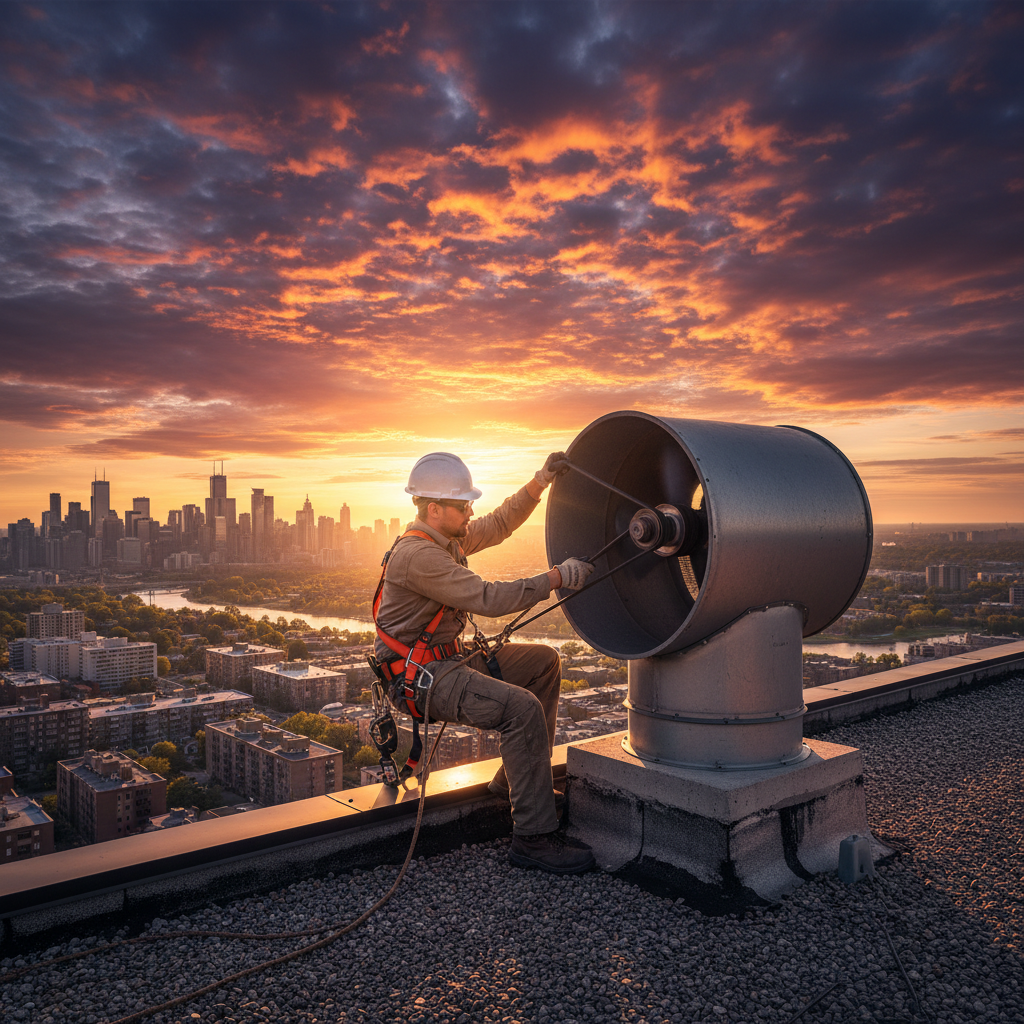
- Exhaust fans (rooftop assemblies)
- Access panels, fan hinges, and weatherproofing
- Related tasks:
- Grease trap service to prevent plumbing backups
- Fan belt replacement to restore airflow and reduce motor strain
- Power washing for surrounding surfaces where safe and appropriate
- Compliance lens: Work must follow NFPA 96 standards, with documentation after each clean to satisfy inspectors and insurers.
Robinhood Cleaners focuses exclusively on commercial kitchen environments. That specialization—plus NFPA96 certification and WSIB insurance—means procedures align with real inspection expectations in Ontario.
Why Hood Cleaning Matters in Ontario
Beyond shiny metal, the goal is risk reduction and continuity. Here’s what’s at stake for Ontario kitchens.
- Fire hazard reduction:
- Grease is fuel. Inside ducts and fans, it accelerates flame spread.
- NFPA 96 intervals exist because buildup happens faster than most teams realize.
- Kitchen safety compliance:
- Municipal inspectors check proof of service and before/after photos.
- Insurers increasingly require documented, NFPA 96–compliant cleanings.
- Air quality improvement:
- Clean fans and clear ducts move more air, remove odors, and reduce heat exposure for crews.
- Consistent ventilation helps maintain equipment performance.
- Operational continuity:
- Unexpected shutdowns for failed inspections or fan failures are expensive and disruptive.
- Planned overnight service avoids service interruptions and protects brand reputation.
- Ontario-specific considerations:
- Winter rooftop access, wind, and ice require WSIB-insured technicians and safety gear.
- Multi-location routes across Southern Ontario demand flexible 24/7 scheduling.
If you want a deeper dive into scope and expectations, see how we frame a standard service on our Ontario hood cleaning service page.
How Professional Hood Cleaning Works (Step-by-Step)
Every kitchen is unique, but the technical flow is consistent. Here’s the typical process Robinhood Cleaners follows across Ontario.
| Phase | What We Do | Why It Matters |
|---|---|---|
| 1) Pre-inspection | Assess hoods, filters, duct access, fan condition, belts, hinges; document condition and gaps. | Find fire risks, airflow issues, and code gaps before cleaning begins. |
| 2) Prep & Protection | Cover equipment, set up plastic sheeting, position drip trays, isolate electrical, and place signage. | Prevents overspray and protects your line, floors, and outlets. |
| 3) Degreasing | Apply commercial degreasers; scrape and rinse hoods, plenums, accessible ducts, and fan housings. | Removes flammable residue and restores airflow. |
| 4) Filters | Deep clean baffle filters or perform filter exchange with like-for-like spec. | Filters capture grease at the source; clean filters extend fan life. |
| 5) Fans & Belts | Clean blades/housings; check bearings; replace worn belts; confirm secure hinge kit. | Stable airflow reduces heat and improves indoor air quality. |
| 6) Final Rinse & Polish | Neutralize surfaces; rinse; polish stainless; remove sheeting and waste. | Leaves the line clean, safe, and ready for service. |
| 7) Proof & Documentation | Place compliance sticker; provide before/after photos; note deficiencies; schedule next service. | Satisfies inspectors, insurance, and franchise standards. |
Curious what’s included for the rest of your space? See how our restaurant cleaning services wrap around your exhaust work for a single, efficient overnight window.
Types, Methods, and Approaches
Professional providers should adapt to your menu, volume, duct geometry, and rooftop access. Here’s how we tailor work across Ontario sites.
Core service types
- Kitchen exhaust cleaning: Hood, plenum, ducts, fans, access panels, and stainless polishing.
- Restaurant hood cleaning: Focus on canopy and visible areas with full-system follow-through.
- Exhaust system cleaning: Deep attention to hidden ductwork and fan assemblies.
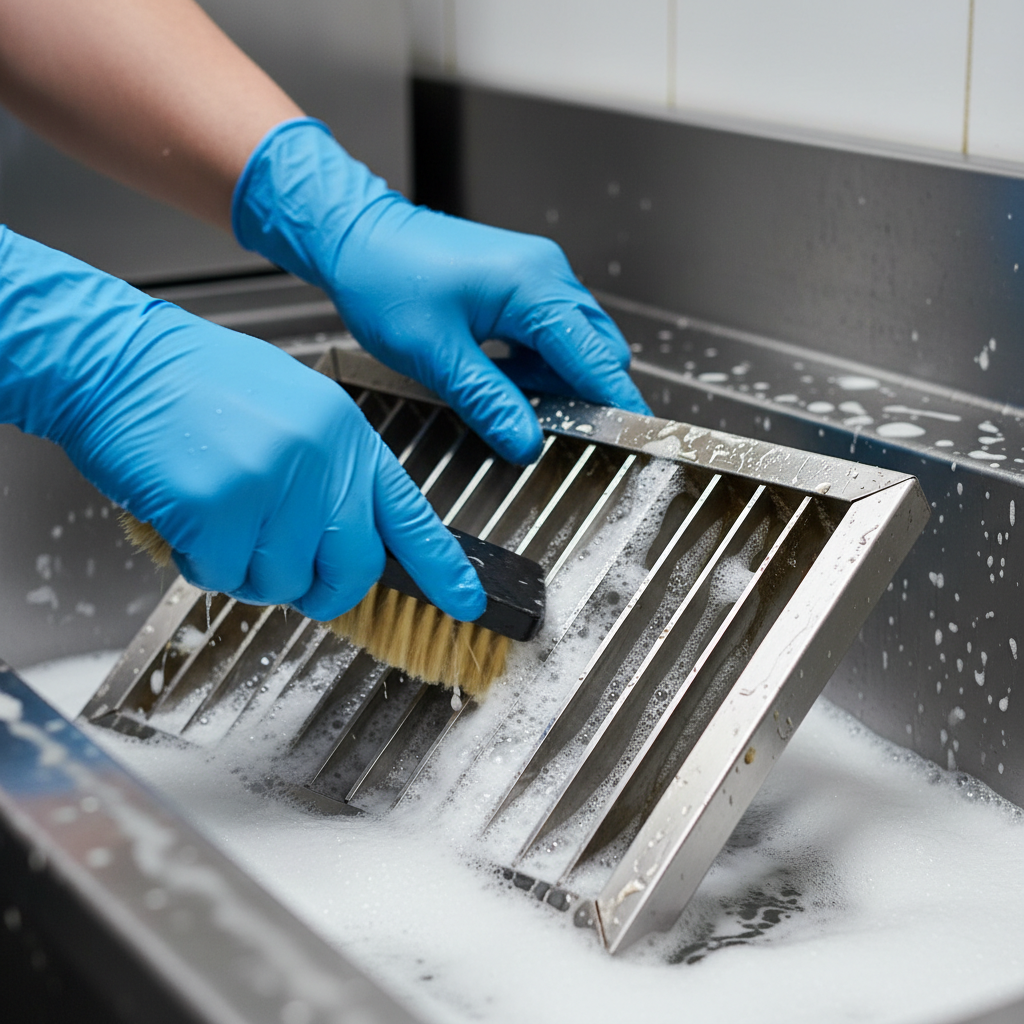
- Filter cleaning & exchange: On-site degreasing or scheduled exchange to maintain airflow.
- Fan belt replacement: Proactive swap when belts show glazing, cracking, or slippage.
- Grease trap service: Keeps plumbing clear and prevents odor complaints.
- Power washing: Strategic washing for exterior fan housings and select surfaces.
Cleaning methods we use
- Chemical degreasing with commercial-grade agents appropriate for stainless and aluminum.
- Manual scraping on heavy deposits; agitation for corners and seams.
- Hot water rinsing to flush loosened grease; neutralization to protect finishes.
- Targeted access via existing panels; recommendations when new access points are required.
Frequency guidelines (rule of thumb)
- High-volume, solid fuel, or heavy fry: More frequent than monthly in some cases.
- Typical grill/saute lines: Often quarterly, depending on output and inspection history.
- Low-volume or seasonal: Semi-annual to annual, adjusted after first cycle.
For specifics on oven and vent considerations, explore our brief on oven and vent cleaning in Ontario.
Best Practices for Compliance-Ready Results
These practices help Ontario operators pass inspections, reduce downtime, and extend equipment life.
Scheduling and access
- Book overnight windows to eliminate service impact and allow thorough drying.
- Plan rooftop access with keys, ladder points, and clear pathways—especially in winter.
- Coordinate with security for alarms, back doors, and camera coverage.
- Bundle services (filters + grease trap + belt checks) to reduce total visits.
Quality assurance (on the night)
- Before/after photo sets of hoods, ducts, and fans for your records.
- Stickers/labels with date and provider details placed where inspectors look.
- Deficiency notes for missing access panels, damaged hinges, or belt wear.
- Final walk-through with your manager if someone is on-site.
Documentation and follow-up
- Service report summarizing scope, photos, and recommendations.
- Interval plan mapped to your volume and menu type.
- Chain standards respected for multi-unit brands and franchise audits.
What most teams get wrong
- Cleaning only the visible canopy and skipping ducts and fans.
- Infrequent filter changes that choke airflow and overwork motors.
- No proof of service—nothing to show inspectors or insurers.
- Rooftop safety gaps when winter conditions arrive without proper gear.
Want a one-stop plan? Our Ontario restaurant cleaning company overview explains how we streamline scheduling across locations.
Tools and Resources
Great results depend on the right gear, the right method, and the right paperwork.
- Technician gear: PPE, harnesses for rooftop work, headlamps, and non-slip footwear.
- Cleaning equipment: Sprayers, scrapers, commercial degreasers, hot-water rinse systems, and neutralizers.
- Access hardware: Hinge kits for fans, weatherproof seals, and compliant access panels.
- Documentation: Photo capture, service stickers, inspection-friendly reports, and an interval calendar.
- Service wrap: Filter exchange bins, sealed waste containers, and site protection materials.
Robinhood Cleaners standardizes these resources across Ontario so multi-site operators get consistent, audit-ready results.
Ontario Case Examples (Mini Case Insights)
Here are realistic scenarios drawn from our Ontario-wide experience. No client names—just the problems and the fixes.
1) High-volume fryer line, Southern Ontario
- Problem: Quarterly cleanings weren’t enough—duct residue near a 90° turn kept returning.
- Action: Added an access panel at the bend; moved to a 6-week interval; layered in filter exchange.
- Result: Lower static pressure, cooler line, and cleaner fan blades after two cycles.
2) Rooftop fan belt failure during a long weekend
- Problem: Belt glazing led to slippage, poor exhaust draw, and heat complaints at the grill.
- Action: 24/7 response; replaced belt; cleaned blades and housings; verified hinge kit and rebalanced.
- Result: Restored airflow and air quality improvement for the line team by dinner service.
3) Multi-unit franchise, province-wide cadence
- Problem: Each site booked independently; paperwork and inspection logs were inconsistent.
- Action: Centralized NFPA 96 intervals, synchronized overnight visits, standardized proof-of-service.
- Result: Fewer missed stickers, faster inspections, and easier corporate audits.
Frequently Asked Questions
- How often should an Ontario restaurant schedule hood and exhaust cleaning?
- Intervals depend on your volume and cooking method. Heavy fry and solid-fuel lines typically require more frequent service than quarterly. Moderate operations often target quarterly, while low-volume or seasonal kitchens may extend to semi-annual. We recommend an initial assessment, then adjust cadence based on residue levels, inspection feedback, and before/after photo evidence.
- What does NFPA 96 compliance mean for my kitchen?
- NFPA 96 sets the minimum standard for ventilation control and fire protection of commercial cooking operations. Compliance means your hoods, ducts, and fans are cleaned at proper intervals, documented with proof (stickers, reports, photos), and that deficiencies—like missing access panels or damaged hinges—are addressed promptly. Robinhood Cleaners follows NFPA 96 procedures and provides inspection-ready documentation.
- Do you clean only the hood or the entire exhaust system?
- We clean the full system—hoods, plenums, accessible ducts, and exhaust fans—plus deep clean or exchange baffle filters. A canopy-only wipe isn’t compliant and leaves hidden fire risks. Where necessary, we recommend adding access panels to reach obstructed duct sections safely and effectively.
- Can cleaning happen after hours without disrupting service?
- Yes. Robinhood Cleaners operates 24/7 across Ontario and prioritizes overnight windows. We protect surfaces, isolate electrical where required, manage waste, and leave the cook line clean and ready for the next service. For multi-site brands, we can stagger overnight visits to reduce downtime across locations.
- What documentation will I receive after service?
- You’ll receive a service sticker with the date and provider details, a photo set (before/after), and a concise report outlining scope, findings, and recommended intervals. This package supports municipal inspections, insurance requirements, and franchise audits.
Key Takeaways
- Hood cleaning services Ontario centers on full-system degreasing—not just the visible canopy.
- NFPA 96–aligned intervals and proof-of-service protect you during inspections and insurance reviews.
- Filter exchange, fan belt replacement, and grease trap service reduce breakdowns and heat complaints.
- Ontario conditions (rooftops, winters, multi-site routes) demand WSIB-insured, 24/7-capable technicians.
- Documentation—stickers, photos, and reports—keeps your operation audit-ready.
Next Steps for Ontario Operators
- Book a quick assessment to set NFPA 96–aligned intervals for your menu and volume.
- Bundle filter cleaning & exchange and grease trap service for one efficient overnight visit.
- Standardize documentation across locations for smoother inspections and franchise audits.
- Review our province-wide scope on the Ontario restaurant services page to streamline multi-site planning.
Ready to put a compliance-first plan in place? Our team serves All Over Ontario with rapid response in Southern Ontario—without disrupting service.