If you operate a commercial kitchen anywhere in Ontario, NFPA96 certified hood cleaning isn’t a nice-to-have—it’s essential for fire safety, compliance, and uninterrupted service. In this complete guide, we translate the NFPA 96 Standard for Ventilation Control and Fire Protection of Commercial Cooking Operations into practical steps for Ontario restaurants and food service operators. You’ll also see how Robinhood Cleaners—NFPA96 certified and WSIB insured—handles end‑to‑end hood, duct, and exhaust cleaning All Over Ontario with quick service in Southern Ontario.
- Understand what NFPA96 certified hood cleaning covers—beyond a surface wipe.
- Set the right cleaning frequency for your menu, fuel type, and cooking volume.
- Prepare for inspections with photo documentation, tags, and compliance reports.
- Reduce fire hazards, improve air quality, and protect equipment life.
- Schedule 24/7 cleaning windows that don’t disrupt service or prep.
Overview
- NFPA96 certified hood cleaning in Ontario is the recognized benchmark for safe, compliant commercial kitchen exhaust systems.
- Certification signals that the cleaning was performed to the NFPA 96 standard and that proper documentation exists.
- For Ontario restaurants and food service facilities, it supports insurance requirements, fire inspections, and uninterrupted operations.
- Robinhood Cleaners serves All Over Ontario with 24/7 scheduling, WSIB-insured crews, meticulous reporting, and quick response in Southern Ontario.
Quick Answer
NFPA96 certified hood cleaning in Ontario verifies your kitchen hood, ducts, fan, and filters are professionally degreased to the NFPA 96 standard and properly documented. Robinhood Cleaners services All Over Ontario at All Over Ontario with NFPA96 certification and WSIB-insured teams—helping you lower fire risk, pass inspections, and keep service running.
What Is NFPA96 Certified Hood Cleaning?
NFPA 96 is the widely adopted standard for ventilating and protecting commercial cooking operations. “Certified hood cleaning” means trained pros clean the entire exhaust pathway—hood, plenum, baffle filters, ducts, and fan—to bare metal where required, then tag and document the work.
- Scope: Hood interior, baffle filters, plenum, horizontal and vertical ducts, exhaust fan, and rooftop containment.
- Objective: Remove grease buildup to reduce fire hazards and restore proper airflow.
- Proof: Service tag with date and technician ID, photo set (before/after), and a compliance report aligned with NFPA 96.
- Ontario context: Insurers and local fire prevention officers often look for credible documentation and visible tags.
- Who it’s for: Restaurants, cafeterias, hotel kitchens, food courts, ghost kitchens, and any commercial cooking operation.
Why NFPA96 Certified Cleaning Matters in Ontario
- Fire hazard reduction: Grease in hoods and ducts is a fuel source. Removing it interrupts the fire triangle.
- Compliance support: Certified tagging and reports streamline inspections and help demonstrate due diligence.
- Insurance alignment: Many policies expect service at the frequencies recommended for your cooking type and volume.
- Air quality improvement: Cleaner ducts and properly seated baffle filters improve capture and ventilation.
- Equipment protection: Balanced airflow reduces heat load on fans and motors, extending equipment life.
- Operational uptime: Overnight, 24/7 scheduling avoids service disruption and guest impact.
How Certified Hood Cleaning Works (Step by Step)
Here’s a field-tested workflow used by experienced, certified teams in Ontario kitchens.
- Pre‑inspection and protection
- Walkthrough, photos, and access panel check.
- Bagging and draping to protect appliances and floors.
- Coordinate with managers to stage equipment and confirm water and power.
- Hood and filter prep
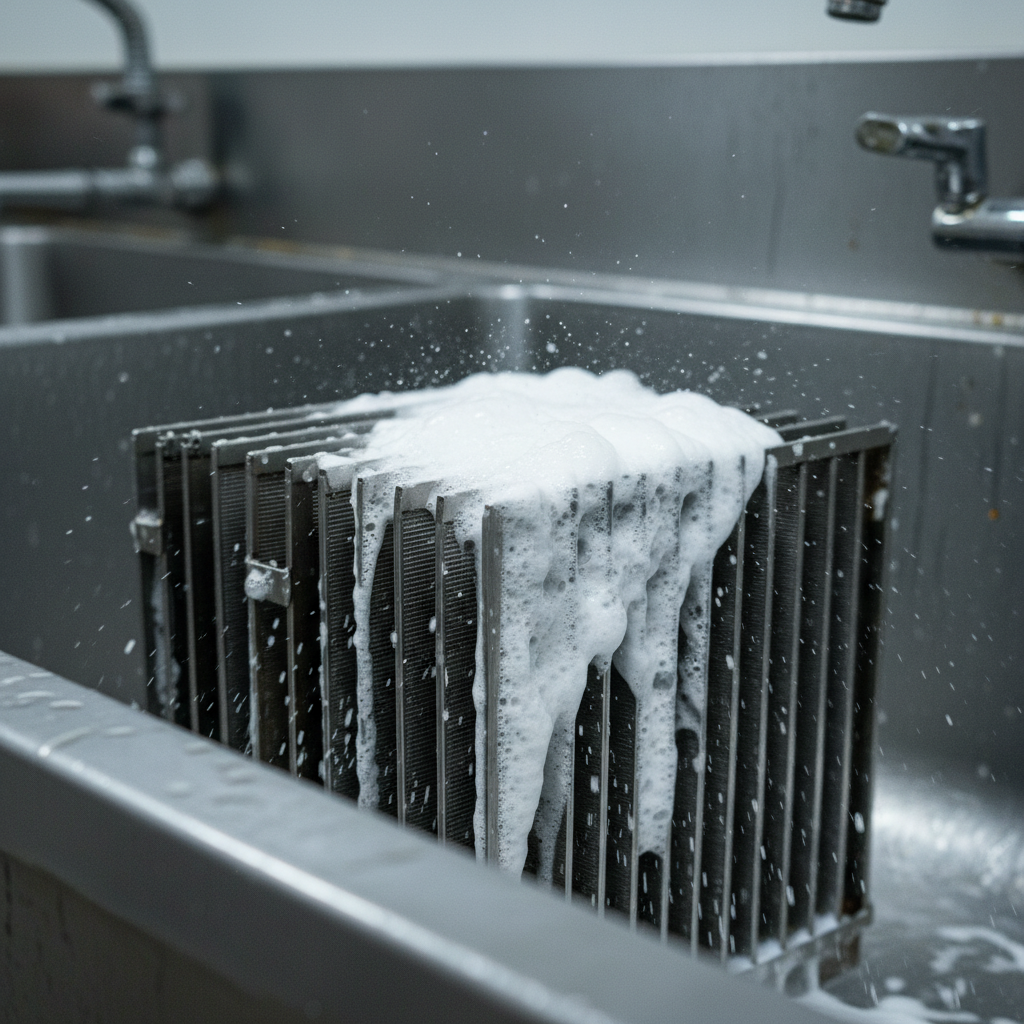
- Remove baffle filters; soak or pressure-rinse in a designated wash area.
- Apply food‑safe degreaser to hood interior and plenum.
- Check for damaged, clogged, or warped filters and note replacements.
- Duct degreasing
- Mechanical scraping in corners and transitions.
- Hot‑water pressure washing to bare metal where required.
- Use of access panels to reach every change in direction and vertical run.
- Exhaust fan service
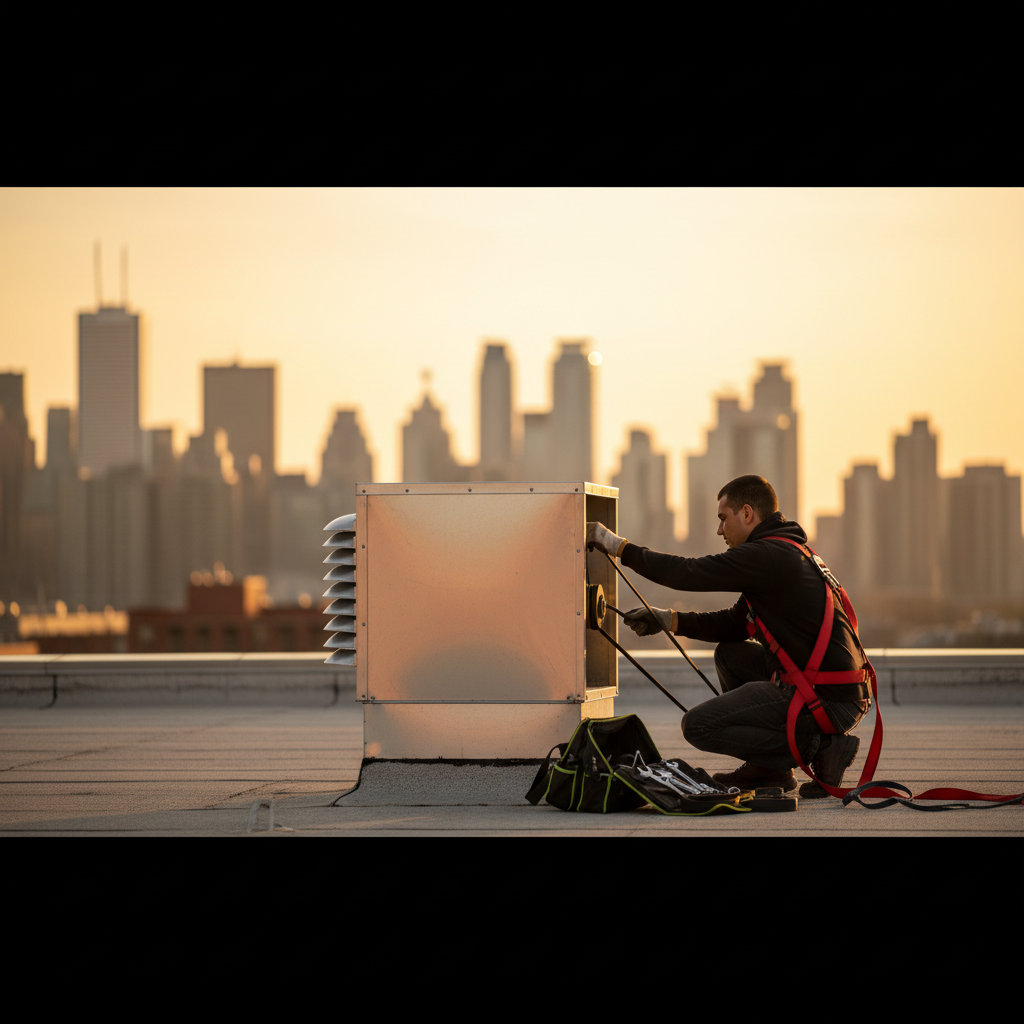
- Disassemble shroud; clean blades, housing, and collection area.
- Check rotation, vibration, and belt condition; replace fan belt if needed.
- Verify hinge kit and safety pin operation for safe rooftop access next time.
- Rooftop containment and recovery
- Capture effluent; keep the roof free of runoff and residues.
- Protect drains and membranes; remove absorbents at job end.
- Reassembly and polish
- Reinstall filters, polish stainless surfaces, and test fan draw.
- Remove draping; restore appliances to their original position.
- Documentation and tagging
- Apply NFPA 96‑style service tag with date and tech identifiers.
- Deliver before/after photos and a compliance report for your records.
| Step | What happens | Why it matters |
|---|---|---|
| Pre‑inspection | Photo survey, access, protection | Sets scope; prevents mess and misses |
| Degreasing | Scrape + hot water pressure wash | Removes fuel load to bare metal |
| Fan service | Clean blades; check belts | Restores airflow; prevents failures |
| Containment | Capture effluent; protect roof | Avoids damage and citations |
| Tag + report | Service tag + photo report | Inspection‑ready documentation |
Detail matters. Certified cleaners follow a repeatable checklist, photograph key checkpoints, and leave your line ready for morning prep.
Types, Methods, and Add‑Ons You Should Know
- Chemical foaming vs. hot‑water pressure: Most certified cleanings combine agitation and high‑temp rinse for thorough degreasing.
- Manual scraping in heavy buildup zones: Corners and transitions often need hand scraping before rinse.
- Access panel installation: Where panels are missing, adding them enables complete cleaning at bends and verticals.
- Rooftop grease containment: Absorbent pads and berms keep the roof clean and protect drains.
- Filter cleaning & exchange program: Rotating clean baffle filters reduces smoke and improves capture efficiency.
- Fan belt replacement: Replace frayed belts proactively to avoid mid‑service failures.
- Equipment cleaning add‑ons: Ovens, grills, and refrigerators benefit from periodic deep cleaning.
- Grease trap service: Keep plumbing clear and reduce odors by maintaining trap flow and baffles.
- Power washing: Target floors, walls, and exterior pads around dumpsters to limit recontamination.
- Ventilation system optimization: Check make‑up air and capture zones to address smoke or odor complaints.
Best Practices for Ontario Kitchens
These practices help Ontario operators stay compliant and safe without slowing service.
Right‑Sized Frequency
| Cooking volume & fuel | Typical frequency | Notes |
|---|---|---|
| High‑volume, solid fuel | Monthly or more | Heavy soot and grease loads |
| High‑volume, gas or electric | Quarterly | Typical for busy fryers and grills |
| Moderate volume | Semi‑annually | Common baseline in Ontario |
| Low volume or seasonal | Annually | Adjust if usage spikes |
Documentation That Stands Up
- Service tag placement: Clearly visible near the hood, with date and technician ID.
- Photo archive: Before/after photos covering hood, plenum, duct sections, fan, and roof.
- Report packet: Work summary, recommendations, access panel notes, and any corrective actions suggested.
Safety, Access, and Timing
- After‑hours scheduling: Use 24/7 windows to avoid service interruptions.
- Clear access path: Move portable items; inform staff about rooftop access needs.
- Utilities: Hot water access and safe electrical outlets expedite the job.
- Weather awareness: Ontario winters require rooftop fall protection, dry ladders, and wind checks.
Extra Credit: Air Quality & Equipment Care
- Baffle filter rotation: Keep a spare set to swap and wash on a consistent cadence.
- Fan inspection notes: Log vibration, noise, and belt wear before failures happen.
- Make‑up air balance: Confirm capture at the hood face; burning smells often point to airflow issues.
Local Tips
- Tip 1: Along the Highway 401 corridor, arrange overnight access and a clear loading area so technicians can stage equipment without blocking morning deliveries.
- Tip 2: Winter in Southern Ontario can ice rooftop paths. Plan hood cleaning before major storms, and confirm safe roof access and hinge kits for fans.
- Tip 3: In busy tourist hubs and hotel kitchens, schedule quarterly cleanings right after peak weekends to remove heavy grease loads while downtime is lowest.
IMPORTANT: These tips reflect Ontario conditions and commercial kitchen realities. Adjust cadence based on your actual cooking volume and inspection history.
Designing a Year‑Round NFPA96 Cleaning Program
Create a calendar that matches how your line actually cooks and how inspections happen.
Map Your Risks
- Menu profile: Solid fuel or heavy frying pushes frequency higher.
- Hours of operation: Late-night service or brunch doubles grease load.
- Ventilation age: Older systems may have fewer access points and need more hands-on time.
- Staff turnover: New teams often need refresher training on filter seating and daily wipe-downs.
Build the Cadence
- Quarterly baseline: Works for many Ontario restaurants with gas/electric lines.
- Monthly adders: For solid-fuel concepts or heavy grill/fryer usage.
- Semi‑annual check‑ins: For moderate volume; add interim filter swaps.
- Annual service: For low volume or seasonal operations—verify after busy stretches.
Bundle Services for Less Downtime
- Exhaust + filter exchange: Improves capture immediately after cleaning.
- Fan belt replacement: Prevents unexpected shutdowns mid-dinner rush.
- Grease trap service: Reduces odors and plumbing issues that frustrate staff.
- Equipment deep cleaning: Ovens, grills, and refrigerators benefit from regular resets.
Want a ready-made playbook? See how your exhaust plan connects with whole-kitchen routines on our restaurant cleaning services overview.
Document Everything
- Photo sets by component: Hood, plenum, each duct run, the fan, and roof.
- Tag close-up: Date, technician ID, and any access panel notes.
- Action list: Recommendations like hinge kits, added access, or filter replacement.
Train the Team (5-Minute Huddles)
- Daily: Wipe the hood face and check filter seating.
- Weekly: Rinse baffles if smoke increases; check for warping.
- Monthly: Quick visual of fan belt and rooftop grease containment.
Tools & Resources
- Degreasers and foaming applicators: Break down polymerized grease on stainless surfaces.
- Hot‑water pressure washers: High‑temp rinse lifts residues to bare metal efficiently.
- Scrapers and rotary brushes: Reach edges and transitions where buildup hides.
- PPE and containment: Gloves, goggles, floor protection, and rooftop berms.
- Access panels and hinge kits: Maintain safe, repeatable access to ducts and fans.
- Photo and report templates: Standardized documentation for audits and insurers.
For a service deep-dive into hoods and ducts, explore our commercial hood cleaning service details and see how we structure an oven and vent reset alongside exhaust work.
Mini Case Examples (Ontario)
- Southern Ontario diner: Quarterly exhaust cleaning plus filter exchange improved capture over fryers and cut smoke complaints from the dining room.
- Hotel banquet kitchen: Rooftop fan degreasing with new hinge kit eliminated pooling grease and made inspections quicker.
- Food court lineup: Coordinated overnight cleanings across three concepts reduced downtime and produced one consolidated photo report for management.
- Franchise group: A rotating maintenance calendar (exhaust, filters, fan belts) standardized compliance across locations and simplified documentation.
- Ghost kitchen cluster: Monthly solid-fuel line cleanings paired with weekly filter swaps stopped smoke alarms during rush windows.
- Suburban pizza concept: Added access panels at two elbows; next cleaning was faster and more thorough with full bare‑metal verification.
- Resort property: Seasonal surge plan: pre‑summer cleaning, mid‑season check, and post‑season reset to control grease load.
- University cafeteria: Overnight service with photo documentation streamlined campus safety sign‑offs.
- Highway 401 quick‑serve: Bundle of exhaust cleaning + grease trap service reduced odors and kept customer areas fresher.
- Fine dining kitchen: Belt replacement during cleaning prevented a planned closure for fan maintenance.
- Bar and grill: Power washing around the dumpster pad cut down on tracked grease and floor slip risks.
- Bakery with café line: Light volume; semi‑annual cleanings with a monthly filter rinse schedule eliminated lingering odors.
- Hospitality venue: Consolidated tag and photo archive across multiple kitchens made audits faster during peak event season.
Request a Free Compliance Assessment
Get a photo‑verified review of your hood, ducts, and fan—plus a recommended frequency plan that aligns with NFPA 96 and Ontario operating realities. 24/7 scheduling available.
If you need a starting point for scope and expectations, our Ontario restaurant cleaning team can outline options and coordinate after‑hours access.
FAQ
How often should a restaurant in Ontario get NFPA 96 certified hood cleaning?
Cadence depends on cooking volume and fuel. High‑volume solid‑fuel operations often need monthly service. Busy gas or electric lines commonly run quarterly. Moderate volume kitchens may choose semi‑annual service, while low‑volume or seasonal operations might be annual. Adjust based on inspection findings and any smoke or odor complaints from staff or guests.
What do inspectors and insurers expect to see after a cleaning?
A visible service tag at the hood with the date and technician ID, plus a photo set and a brief report noting access points and any recommendations. Clear, organized documentation helps demonstrate diligence and speeds future inspections.
Is hood cleaning the same as regular kitchen cleaning?
No. Certified hood cleaning targets the exhaust pathway—hood, plenum, filters, ducts, and fan—to remove grease fuel to the NFPA 96 standard. Janitorial cleaning covers surfaces like floors and counters but doesn’t address the fire risk inside ducts and fans.
Can hood cleaning be done during operating hours?
It’s best scheduled after hours to avoid hot surfaces, grease splatter, and guest impact. Ontario operators benefit from 24/7 scheduling windows that wrap the process between close and open, leaving the line ready for morning prep.
What should my team do to prepare?
Clear counters and move portable items from the line. Confirm rooftop access and keep pathways free. Verify hot water availability and a safe electrical outlet. Let staff know which hoods will be serviced that night.
Key Takeaways + Next Steps
- NFPA96 certified hood cleaning in Ontario directly lowers fire risk and supports inspections.
- Right‑sized frequency and solid documentation are as important as the cleaning itself.
- Pair exhaust work with filter exchange and fan belt checks to stabilize airflow.
- Use 24/7 scheduling to avoid downtime and keep service on track.
- Maintain a photo archive and service tags so you’re always inspection‑ready.
Ready to align your operation with NFPA 96 and Ontario expectations? Book a free assessment and schedule your next certified cleaning window.