Ontario restaurants and commercial kitchens run hot, fast, and often late. That pace makes oven vent cleaning more than a housekeeping task—it’s core risk management, air quality control, and compliance support. In this playbook, Robinhood Cleaners shares expert, NFPA 96–aligned methods to reduce fire hazards, pass inspections, and keep crews breathing easier across Southern Ontario and beyond.
Summary
- Why it matters: cut grease-fire risk, improve kitchen air quality, and meet NFPA 96–aligned standards.
- What’s included: hoods, ducts, exhaust fans, baffle filters, and rooftop components.
- How often: from monthly to quarterly, based on menu, volume, hours, and fuel type.
- Cost basics: typical service bundles and where ROI comes from.
- Who does it: certified, WSIB insured teams available 24/7 across Ontario.
Quick Answer
In Ontario, oven vent cleaning removes grease from hoods, ducts, fans, and filters to cut fire risk and improve airflow. Robinhood Cleaners schedules around service windows, documents every clean, and keeps your location inspection-ready.
Local Tips
- Plan around traffic: Late-night slots avoid rush-hour congestion on Highway 401, the QEW, and the Gardiner, speeding arrival and wrap-up.
- Seasonal timing: Winter salt and rooftop ice can slow fan access; book pre-winter checks so belts and bearings don’t fail mid-cold snap.
- Inspection windows: Align cleaning before county fire inspections and festival weekends (e.g., summer patios) to avoid surprise shutdowns.
If you’re comparing vendors, review our kitchen exhaust services and browse real before-and-after photos. You can also learn more about our certified team and Ontario-wide coverage.
What “Oven Vent Cleaning” Covers
Oven vent cleaning is a focused part of full kitchen exhaust cleaning. It targets the hood plenum above baking and roasting equipment, the connected ductwork, the exhaust fan and bowl, and the baffle filters that trap grease-laden vapors. For most restaurants, it’s performed alongside restaurant hood cleaning for ranges, fryers, and griddles as part of broader commercial kitchen cleaning.
Key Components We Service
- Hood and plenum: Degreasing inside surfaces and seams.
- Baffle filters: Filter cleaning and exchange to keep airflow strong.
- Ducts: Deep hood and duct cleaning from the hood collar to roof penetration.
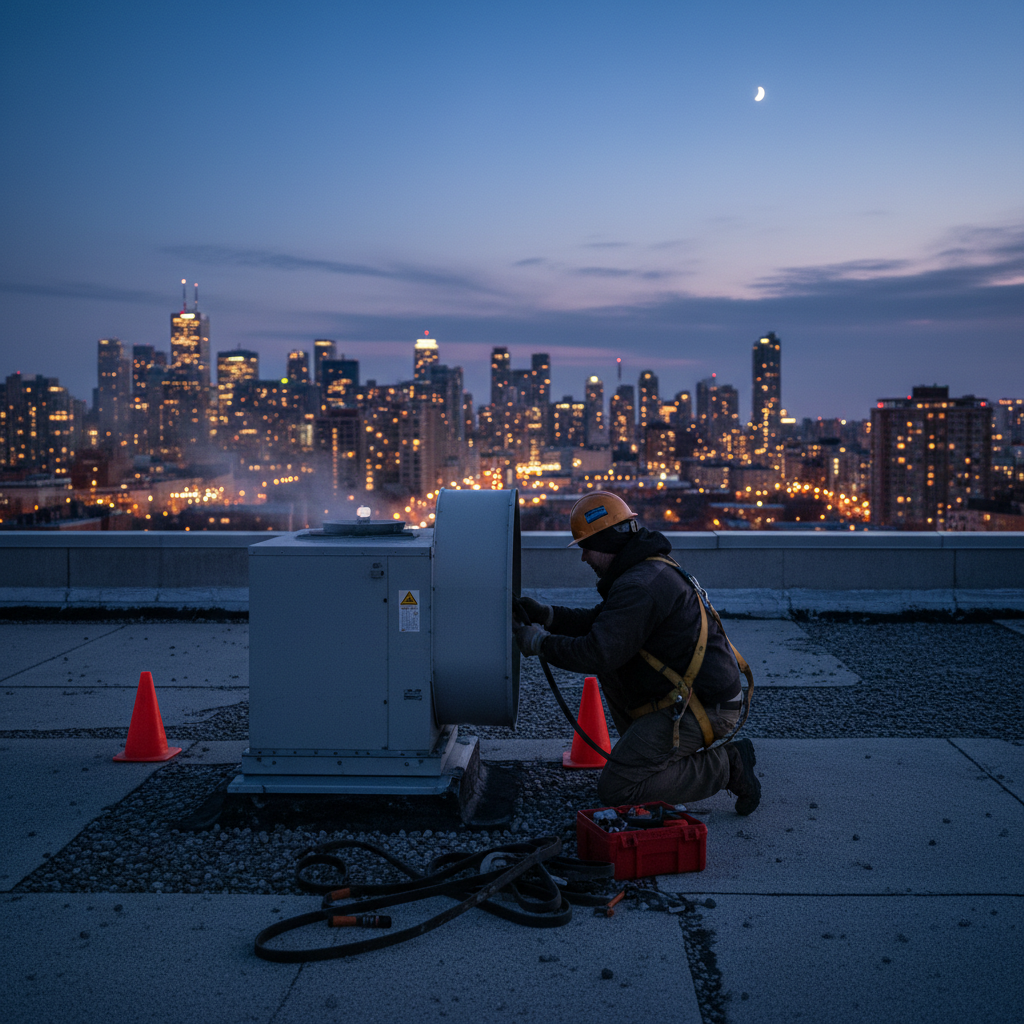
- Exhaust fan: Exhaust fan cleaning, bowl degreasing, and balance checks.
- Fan belt and motor: Proactive fan belt replacement and hardware inspection.
Compliance, Safety, and Air Quality
Grease build-up is a leading ignition source in commercial kitchens. Oven vent cleaning supports NFPA 96 principles, helping owners reduce fire risk and improve capture of heat and smoke so crews stay comfortable. Clean systems also reduce smoking food, false alarms, and odors that can reach the dining room—key outcomes for brand reputation and guest experience.
Early Warning Signs You Shouldn’t Ignore
- Filters feel sticky after nightly dishwashing or dry too slowly.
- Visible streaks on the hood lip or brown drips around seams.
- Roof smells like burnt grease; fan bowl shows thick residue.
- Uneven airflow—ovens vent slowly; hot spots linger on the line.
- Belts squeal or vibrate at startup; motor runs hotter than normal.
How Often Ontario Kitchens Should Schedule
Frequency depends on cooking volume, fuels, and menu. Busy grill and fryer lines demand shorter intervals than bakeries, but oven vents that handle roast chickens, pizzas, or high-fat bakes still collect plenty of aerosolized grease. Use these starting points, then adjust with inspection findings and swab photos.
Typical Intervals by Operation
| Operation Type | Suggested Interval | Why |
|---|---|---|
| High-volume restaurants | Every 1–2 months | Heavy grease aerosol and long hours |
| Casual dining / pubs | Every 2–3 months | Mixed menu; steady weekend peaks |
| Bakeries / pizza ovens | Every 3 months | Flour dust + fats create sticky films |
| Low-volume / seasonal | Every 3–6 months | Lower hours but still risk |
Seasonal Adjustments
In Southern Ontario, rooftop access can be slower in winter. We recommend a preventative visit in late fall to check belts, hinges, and fan bearings before snow and ice. Summer patio season often calls for shorter intervals due to higher output and heat.
Shift-Friendly Scheduling
We clean off-hours—late nights, early mornings, or between service windows—so your line can keep moving. Our teams protect equipment, cover electronics, and leave signed job reports with time-stamped before/after photos. For details on scope bundles, see our service packages.
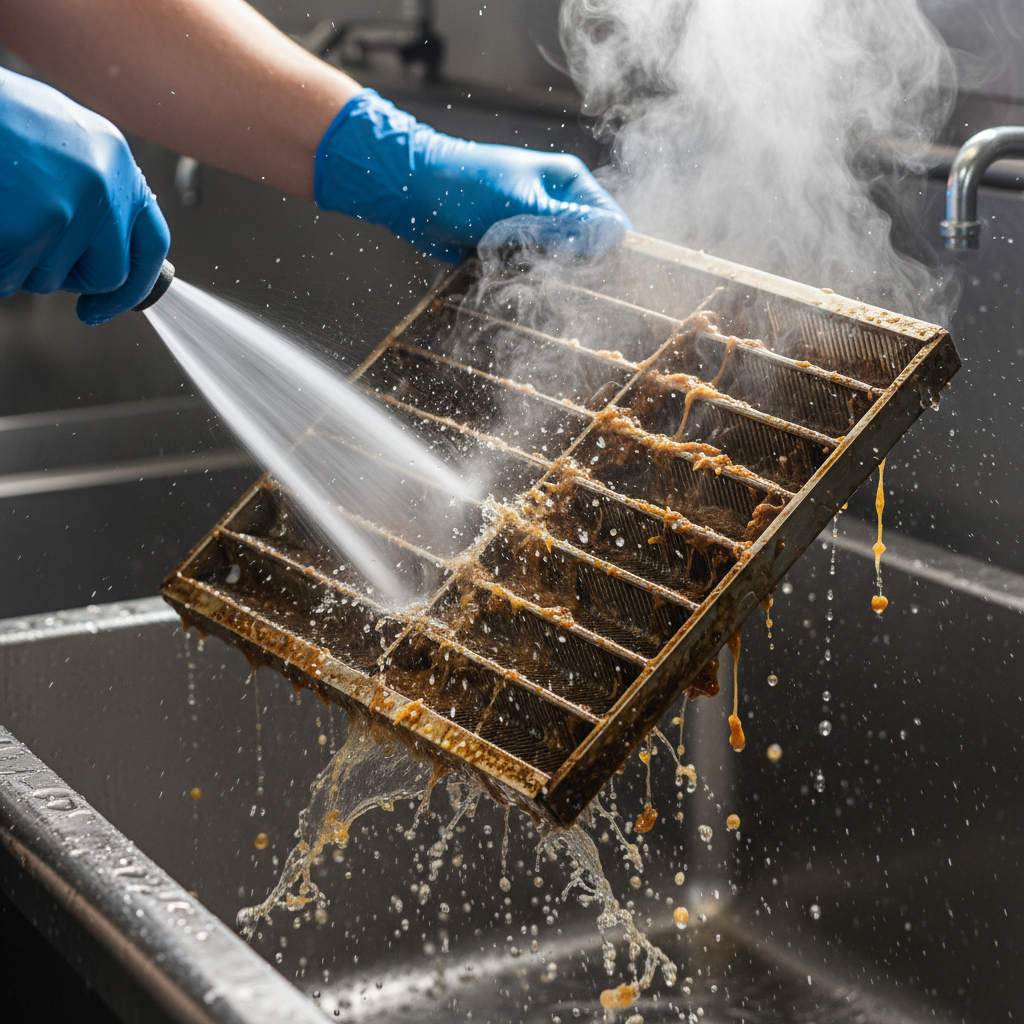
How Pros Clean an Oven Vent (Step-by-Step)
| Stage | What We Do | Outcome |
|---|---|---|
| 1) Prep & Protect | Cover appliances, shut down gas/electric, lock-out rooftop fan. | Safe site; no overspray or damage. |
| 2) Filter Service | Remove, soak, and pressure-wash baffle filters; exchange if required. | Airflow restored; lower static pressure. |
| 3) Hood & Plenum | Apply food-safe degreaser; hand-scrape and hot-water rinse. | Grease removed from seams and corners. |
| 4) Duct Interior | Mechanical scraping and heated rinse from hood collar to roof. | Reduces fire load in vertical shafts. |
| 5) Fan & Bowl | Clean blades, shroud, drain bowl; check balance and vibration. | Quieter fan; less wear on bearings. |
| 6) Belt & Motor | Inspect tension, pulleys, and replace worn belts proactively. | Prevents sudden ventilation failures. |
| 7) Polish & Reassemble | Reinstall filters; polish exterior; test capture and airflow. | Shiny, compliant, ready for service. |
| 8) Reporting | Provide photos, sticker, and recommendations for next service. | Clear documentation for inspections. |
Safety Checklist We Follow
- Lockout/tagout on fans and gas lines where applicable.
- Food-safe degreasers and controlled hot-water pressure.
- Rooftop fall protection and weather checks.
- Final wipe-down and slip hazard removal before handoff.
What It Costs—and Why It Pays
Pricing reflects system size, access, grease load, and any add-on services like grease trap cleaning or power washing. Here’s a helpful overview (ranges in CAD):
| Service Item | Typical Range (CAD) | Value |
|---|---|---|
| Oven vent cleaning | $300–$650 | Core fire-risk reduction and better airflow |
| Full hood & duct cleaning | $400–$1,200+ | System-wide compliance readiness |
| Filter exchange program | $15–$35 per filter | Always-clean baffles; less downtime |
| Exhaust fan belt replacement | $60–$180 | Prevents mid-service ventilation failures |
| Grease trap cleaning | $180–$450 | Odor control and plumbing protection |
ROI shows up in fewer breakdowns, fewer emergency call-outs, better staff comfort, and clean inspection records. Many Ontario operators also notice quicker preheat times and less smoke during high-volume roasts after consistent oven vent cleaning.
DIY vs. Professional Service
| Consideration | DIY | Professional |
|---|---|---|
| Reach & thoroughness | Limited to visible surfaces | Hood-to-roofline access and tooling |
| Compliance evidence | Few records | Photos, stickers, formal report |
| Safety & liability | Higher risk; no coverage | WSIB insured; trained crews |
| Downtime | Disruptive during service | Off-hours, 24/7 scheduling |
| Total cost of risk | Hidden (fire, failures) | Predictable, budgetable |
Add-On Services that Multiply the Benefit
- Filter cleaning and exchange: Fresh baffles maintain capture and reduce fan load.
- Exhaust fan cleaning: Cleaner blades and bowls reduce vibration and noise.
- Fan belt replacement: New belts avert sudden loss of ventilation during dinner rush.
- Grease trap cleaning: Control odors and backups that can trigger health citations.
- Commercial appliance cleaning: Ovens, grills, and refrigerators run cooler and last longer.
Documentation That Makes Inspections Easy
After every visit we leave a service sticker with the date, tech initials, and next-due window, plus a report with before/after photos. Many Ontario managers keep the latest report in a binder near the kitchen entrance for quick access during inspections. You can preview our cleanup results in the before-and-after gallery.
Case Snapshot: Southern Ontario Diner
A 100-seat diner near Highway 403 struggled with smoke during weekend roasts. Our team performed oven vent cleaning, replaced a cracked belt, and moved them to a two-month schedule. Result: cleaner air on the line, quieter fan startup, and a smooth inspection two weeks later.
Common Mistakes and How to Avoid Them
Waiting for Visible Grease
By the time you see brown streaks or drips, aerosolized grease has usually accumulated in ducts and fan bowls. Schedule based on hours and menu, not just looks.
Skipping Filter Exchange
Dish-only cleaning can leave residues that restrict airflow. A filter cleaning and exchange program guarantees clean baffles every cycle, improving capture and extending fan life.
Ignoring Belt Noise
A squeal or vibration at startup is a red flag. Proactive fan belt replacement costs less than lost service when a belt snaps mid-rush.
Prep Your Team for Cleaning Day
- Clear a path to the hood, roof hatch, and mechanical room.
- Empty or cover nearby prep tables; wrap electronics and POS stations.
- Run last call for dish so baffles can be removed immediately.
- Notify your alarm vendor to prevent false alarms during hot-water rinses.
Tools and Materials Pros Use
- Food-safe degreasers formulated for stainless steel.
- Heated pressure-washers with controlled PSI and flow.
- Scrapers, nylon pads, and duct-rated rotary tools.
- Fan lift hinges, grease containment kits, and rooftop PPE.
- Lockout/tagout devices for fan and gas circuits.
Insurance and Compliance Considerations
Keeping a documented oven vent cleaning schedule reduces risk and demonstrates due diligence. Inspectors look for current stickers, photos, and reports that reflect NFPA 96–aligned practices. As a WSIB insured provider, we protect your operation and our team while we work—an important factor when evaluating vendors.
Grease Trap and Ventilation: The Hidden Connection
Odors that guests notice often come from a combination of overloaded grease traps and underperforming ventilation. Pairing grease trap cleaning with scheduled hood and duct cleaning prevents smells from lingering in dining areas, especially during high-traffic patio months.
Checklist for Ontario Kitchen Managers
- Confirm last cleaning date and sticker location.
- Inspect baffle filters weekly; start an exchange program if residue persists.
- Listen for belt squeal or fan vibration and log issues.
- Check roof access safety: hinges, containment, and ice hazards in winter.
- Keep reports accessible; schedule the next visit before patio/festival season.
FAQs
How often should oven vent cleaning be done for a busy restaurant?
High-volume operations typically benefit from 1–2 month intervals. If you roast fatty proteins or run long hours, start monthly and adjust after the first inspection. We’ll share photos and a recommended cadence.
What happens if we skip a scheduled clean?
Grease accumulates in hidden duct sections and the fan bowl. That raises fire risk, slows airflow, and strains belts and bearings. You’ll also have less evidence to satisfy inspectors. Catch-up cleans usually take longer and cost more.
Can my team clean the oven vent themselves?
Your team can wipe exteriors and run filters through dish, but ducts and fans require tools, access, and safety procedures. Professionals provide roof-to-hood cleaning, lockout/tagout, and documentation your insurance carrier will recognize.
Do you work overnight or between services?
Yes. We plan around your busiest windows—overnight, early morning, or mid-afternoon. Our goal is simple: zero disruption, clean handoff, and a ready-to-cook line when you arrive.
What does a typical visit cost?
Most oven vent cleaning projects land between $300 and $650, depending on size, access, grease load, and whether filters or belts are replaced. Ask for a free estimate; we’ll scope the work and lock in a schedule.
Key Takeaways
- Oven vent cleaning removes hidden grease that fuels fires and chokes airflow.
- Custom intervals beat one-size-fits-all—base your schedule on output and season.
- Documentation matters: photos, stickers, and reports make inspections faster.
- Bundling filters, belt checks, and grease trap cleaning maximizes ROI.
Ready to reduce risk and breathe easier? Book a discovery call for your Ontario location and get a tailored plan. Explore service options or learn more about the team.